Photo credit: Misc.
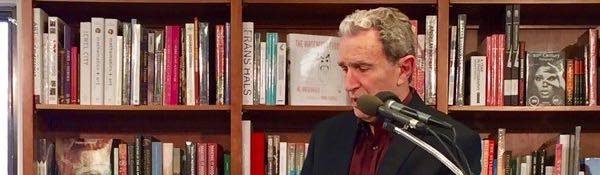
“I started speaking German fifty years ago when I was a student in Germany for a year,” author Peter Ross Range told Hollywood on the Potomac. “A few years later I returned as a journalist for Time Magazine. I began my career in Berlin and also started my family in Berlin; and I’ve been involved with Germany ever since. For many years I only covered contemporary German affairs. As a reporter, I was covering politics. But about twenty years ago, I began getting interested in the Third Reich and the Nazi history. About two years ago, I started working on this book.”
The book is: “1924: The Year That Made Hitler.” It’s about the dark story of Adolf Hitler’s life in 1924–the year that made a monster. This was the year of Hitler’s final transformation into the self-proclaimed savior and infallible leader who would interpret and distort Germany’s historical traditions to support his vision for the Third Reich.
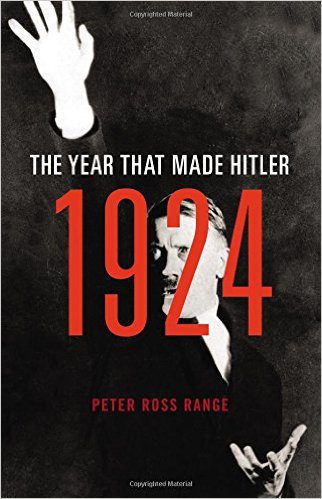
“This year is the 70th anniversary of the republication of Mein Kampf actually. So in part, that’s the reason I wrote the book. Also, because when I examined the literature on the rise of Hitler to power, I discovered a gap in the year 1924 – the year that he spent in prison. Nobody had ever written a book about that year,” he added. “I discovered things that helped me to better understand why people liked him at the time and I discovered things about his power of persuasion and about his total dedication; his fanatical dedication to what he was doing; and his Messianic belief in himself as the coming savior of Germany. All of that came out quite a bit during his year in prison, during his treason trial and during his writing of Mein Kampf.”
So what did you discover about the egomaniac? Was it something from his childhood? “Well, many, many scholars for many, many years have tried to figure that out. I can’t claim that I have come up with the magic bullet that explains Hitler. It’s long since been known that he had a somewhat disturbed childhood. His father was violent and beat him quite a bit. Hitler was a bit of a loner. After being a ringleader of his classmates, he became a loner and he quit school early. Then he was badly rejected and super disappointed when he didn’t get into the Arts Academy in Vienna. These are all well known parts of his youthful biography, none of which is salient enough to explain the emergence of a mass murderer, however.”
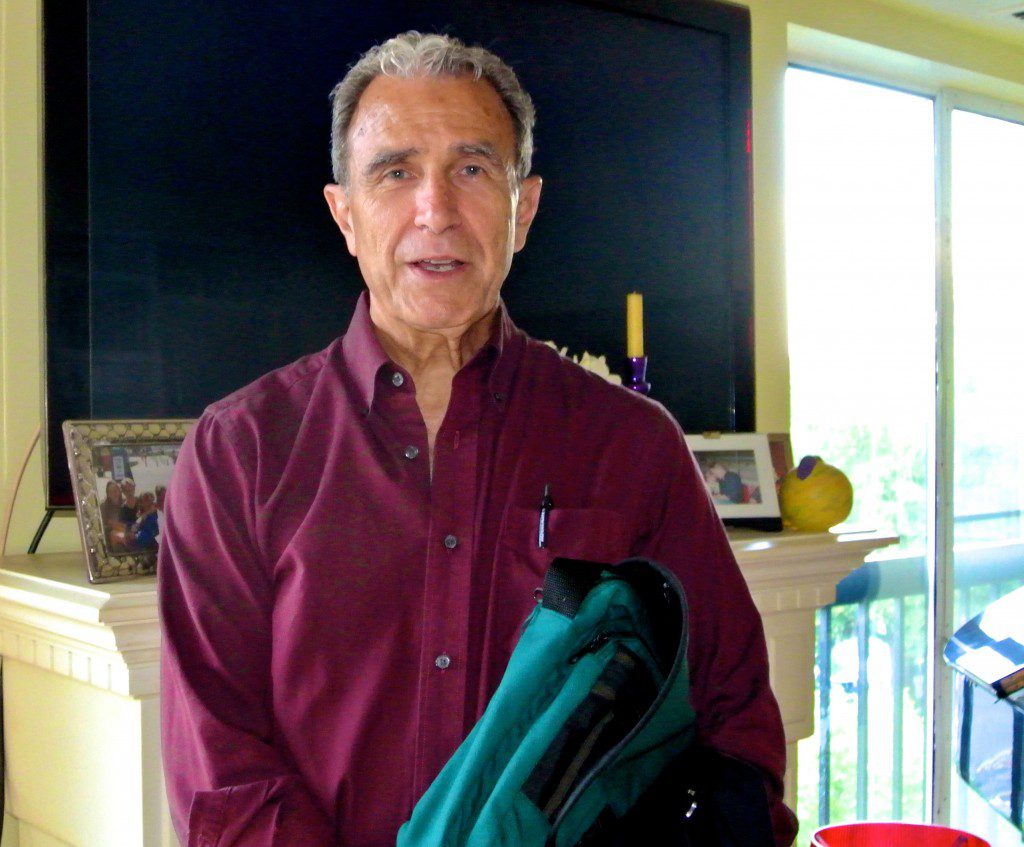
Peter Ross Range Photo credit: Janet Donovan
“Hundreds of scholars have tried to explain this for many years,” said Range, “and nobody has quite figured it out. My job was to figure out what happened during this year in prison and what happened is he was transformed from an impatient revolutionary, an impetuous revolutionary to a patient political player who then spent the next eight years after he came out of prison working the electoral system in such a way that he was in a position to take over Germany in 1933.”
We were curious to know why Hitler only spent a short time in prison, although given a five year sentence: “The court and the judge in his trial after the Beer Hall Putsch was very sympathetic to Hitler and Hitler’s point of view and gave him the minimum sentence of five years even though he was convicted of high treason. The maximum would have been a life term. They gave him five years with the prospect of parole. All in all he spent thirteen months in prison, that’s all. Because the judge was so sympathetic to Hitler and the rest of the court was even more sympathetic, he talked his way out of getting a worse sentence. Hitler was a very persuasive guy. He made big speeches in the courtroom and persuaded people that everything he had done was patriotic and intended as the best thing for Germany; and the Bavarian political atmosphere at that time was also quite sympathetic to extreme nationalism and to the replacement of the German government with some sort of authoritarian figure; not necessarily Hitler, but some kind of authoritarian government. The atmosphere was right for Hitler to get off light.”
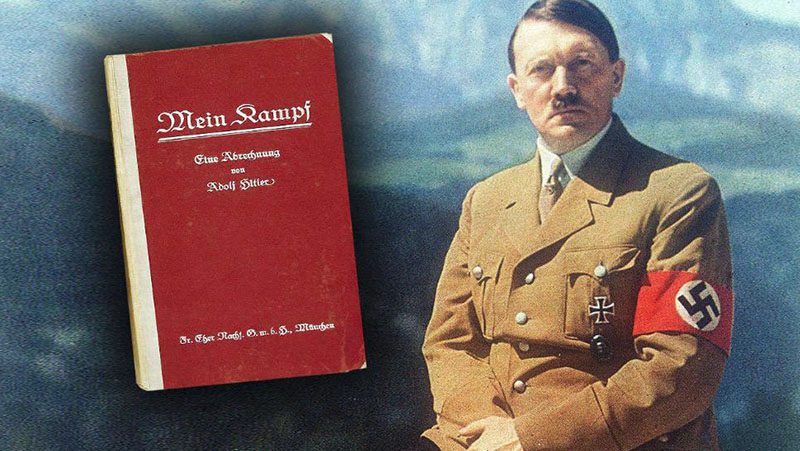
How did his prison mates respond to him? “One of the closest to people to Hitler during his prison time was Rudolf Hess. Rudolf Hess later became famous as Hitler’s personal secretary and then as the deputy Fuhrer of the Nazi party during the Third Reich. Hess also became famous for then betraying Hitler later and flying a plane to Scotland in order to negotiate a peace between Britain and Germany at the beginning of the war; and instead of that, he was thrown into prison and never got out. He eventually spent thirty some years or more than that in Spandau Prison in Berlin and he eventually committed suicide in 1993. Hess was the most important of the figures who were very close to Hitler and stayed with him in a very high position during the Third Reich.”
“There were others convicted for the Beer Haul Putsch who later became people of position in the Third Reich like Wilhelm Frick who was the Minister of the Interior. He had forty other guys, foot soldier types, who were in prison to whom he preached a lot before he finally sat down to write Mein Kampf.”
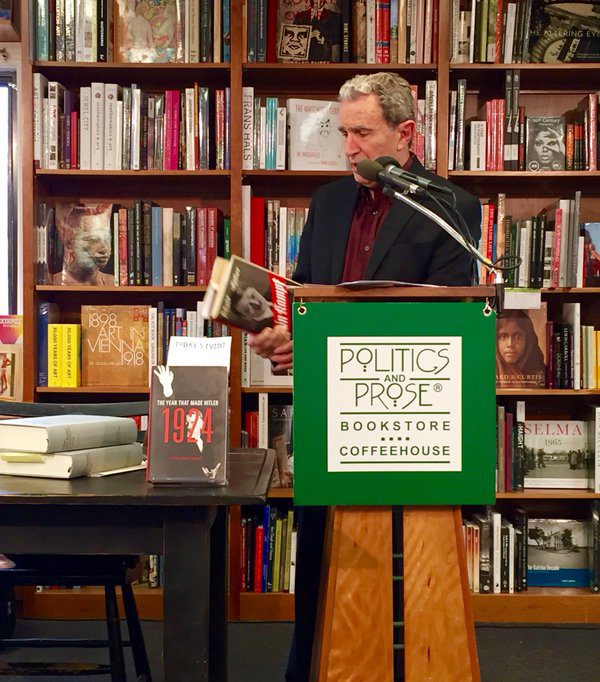
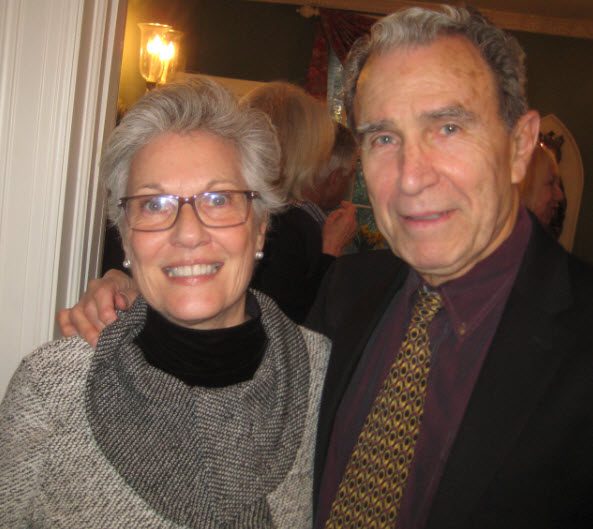
Photo credit: Rozanne Weissman
What did you discover that was new? “The truth is that it’s very, very hard to uncover anything new about Adolf Hitler after seventy years of research, but what I did was to connect the dots in ways that hadn’t been done before. I was able to use two or three prison memoirs, two by guards and one by a fellow prisoner that had never before been used extensively, certainly not in English language publications, to show what life was like during this time in prison and to show how Hitler was treated as a king by his fellow prisoners; how he spent time out in the garden walking and thinking about his world view; and how the whole experience was like forty days in the wilderness for reflection, which then led him to solidify several things.”
“One was his world view, his ideology. Another is his sense of himself as a messiah and as the only person who could really save Germany,” Range explained. “This was very important for Hitler’s long term staying power in the campaign to become dictator of Germany. He talks all the time about will and willpower and fanaticism. Considering that it took him eight years after leaving prison to finally rise to the top in Germany, that cannot be underestimated as a development in his trajectory that led finally to him becoming dictator and it was a major change from the Hitler for the four years leading up to this period who was a Beer Haul rabble-rouser and thought the only way to change things in Germany was through revolution. The Beer Haul Putsch was a big failure and brought to an end that period of Hitler’s development.”
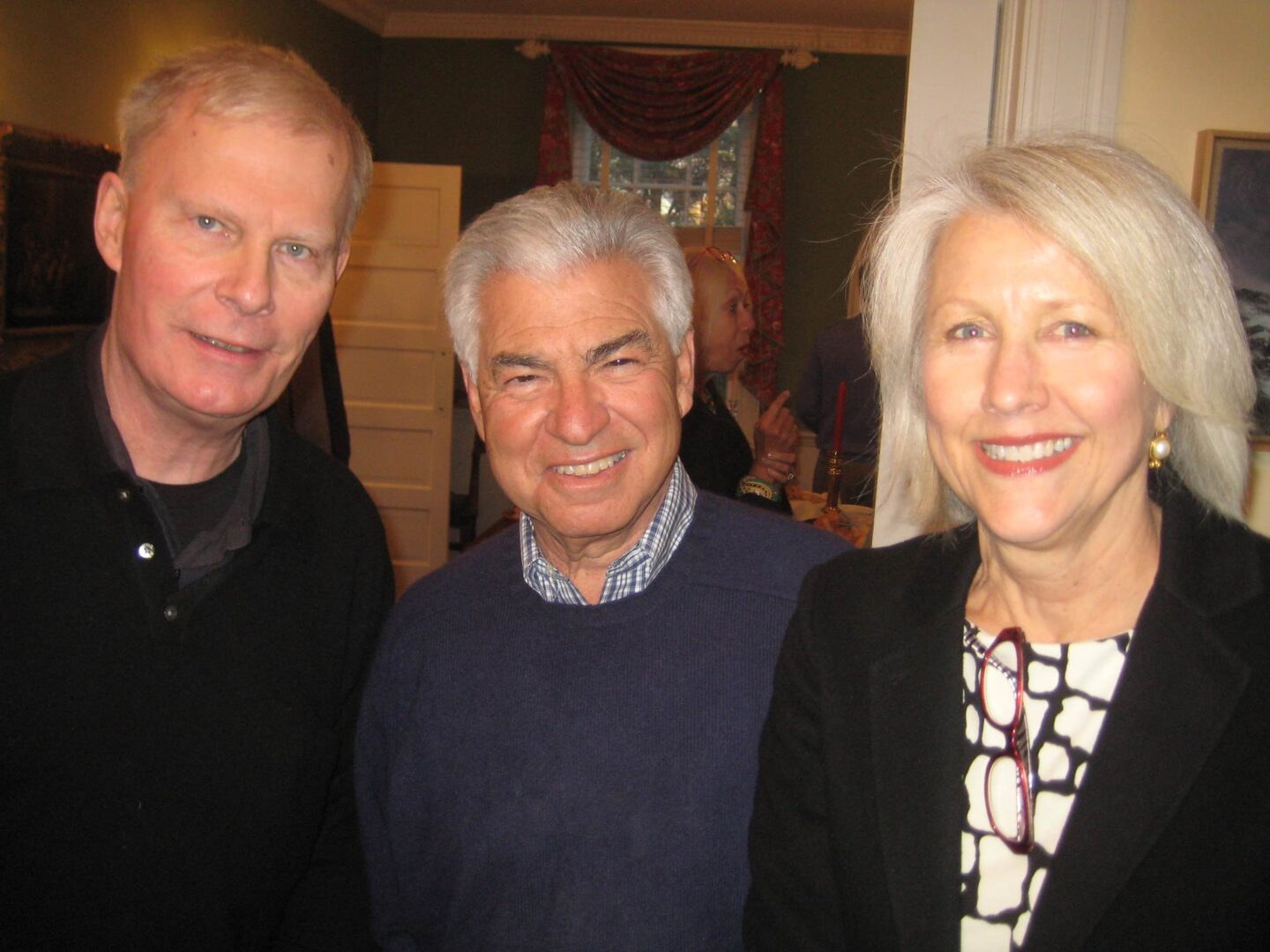
Six Days of the Condor author James Grady with former US Special Watergate Prosecutor Richard Ben-Veniste and his wife Donna at a book party in honor of Peter Range at the home of Ruth and Jon Weisgall Photo credit: Dan Moldea
We asked Peter how he thought that Hitler was able to do that – contain his emotional impatience. Somebody spending eight years trying to change their impulsive personality is difficult. Did you find out what he did to curb his appetite for being rowdy and provocative? “He simply said he saw the light that the other guys had the guns and had consolidated their power, by which he meant the establishment, the government. The government he had tried to overthrow, of course, had the military. He had tried to convince the Bavarian military leaders to join his Putsch. He had taken the head general hostage on the night of the Putsch. The general had agreed to the whole deal, but as soon as Hitler turned his back the general escaped and turned coat against Hitler again; and by realizing that he really didn’t have any way of getting the military on his side, Hitler gave up.”
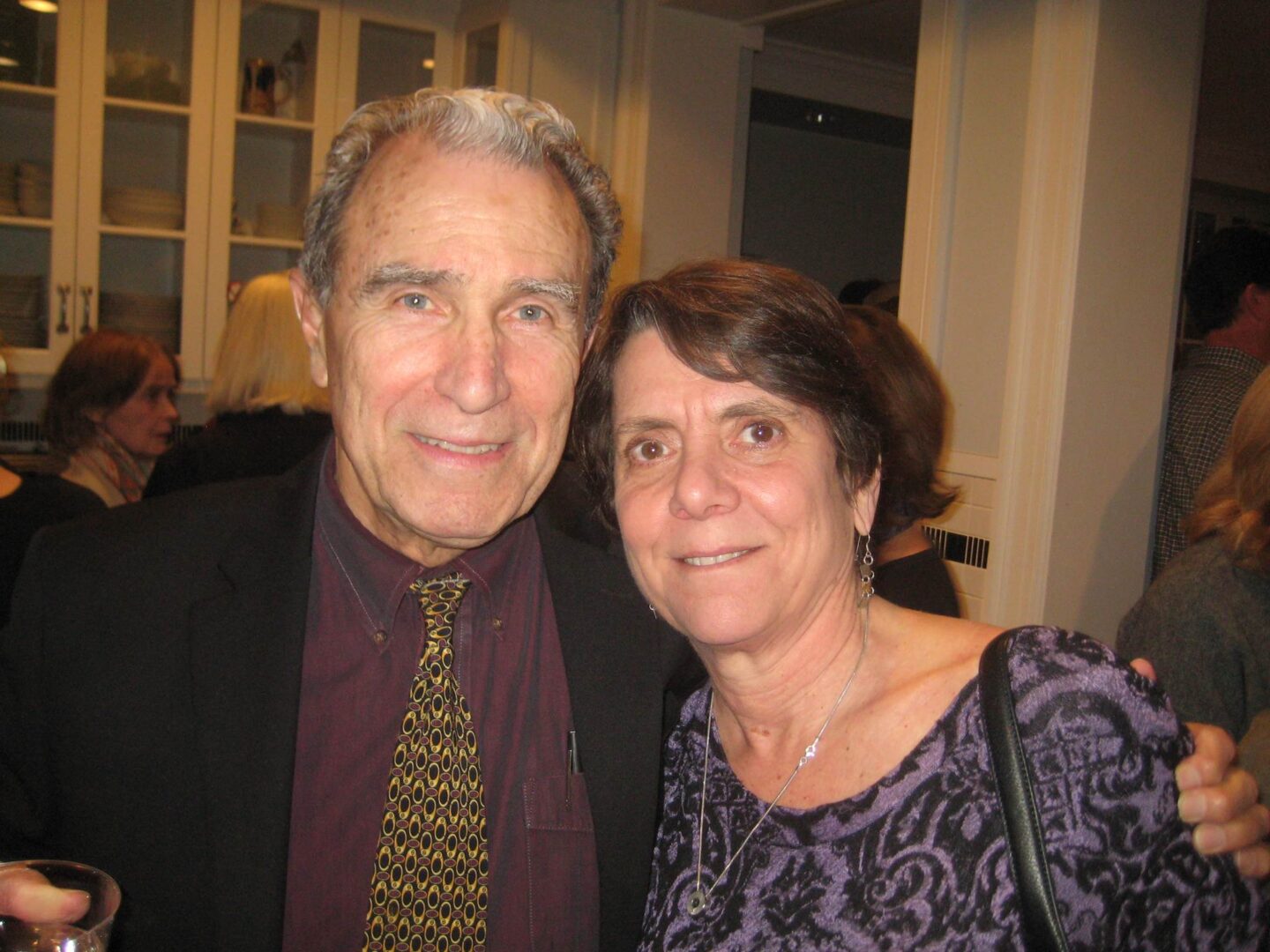
Peter Range and his agent Gail Ross Photo credit: Dan Moldea
“He had a hard time convincing his followers that revolution was no longer the way to go,” he added. “He said to one of them, ‘It’ll take a lot longer to out-vote them than to out-shoot them, but at least the results will be guaranteed by their constitution,’ meaning by the government. Secondly, he said, ‘We have to hold our noses and go into the parliament through the elections only to get rid of it once we get in there.’ He was pretty clear about his goals.”
You’ve obviously done a lot of research on this book. How long did it take you to write it and did you consult with other scholars on this? “I felt two years plus forty-five years you could say. My involvement with Germany over many, many years of course contributed to this, plus many friends in the German journalist core. I did development contacts and relationships with many scholars and historians over the two years that I was intensely involved in with this book both in the United States and in Germany. I spent a great deal of time in the archives in Munich as well as in the Library of Congress here, and indeed was in touch with the very people who were producing this new and extraordinary version of Mein Kampf, which has just been released in Germany and got a lot of very good guidance from them. Once again, none of this gives us the silver bullet to understanding Hitler’s personality. It’s been looked at from every perspective for many, many years. In my book I say we’ve continued to turn the Rubik’s cube of history to try to find the clues and the insights to help explain this. My book is a turning of the Rubik’s cube in a certain direction to understand this one year in his development.”
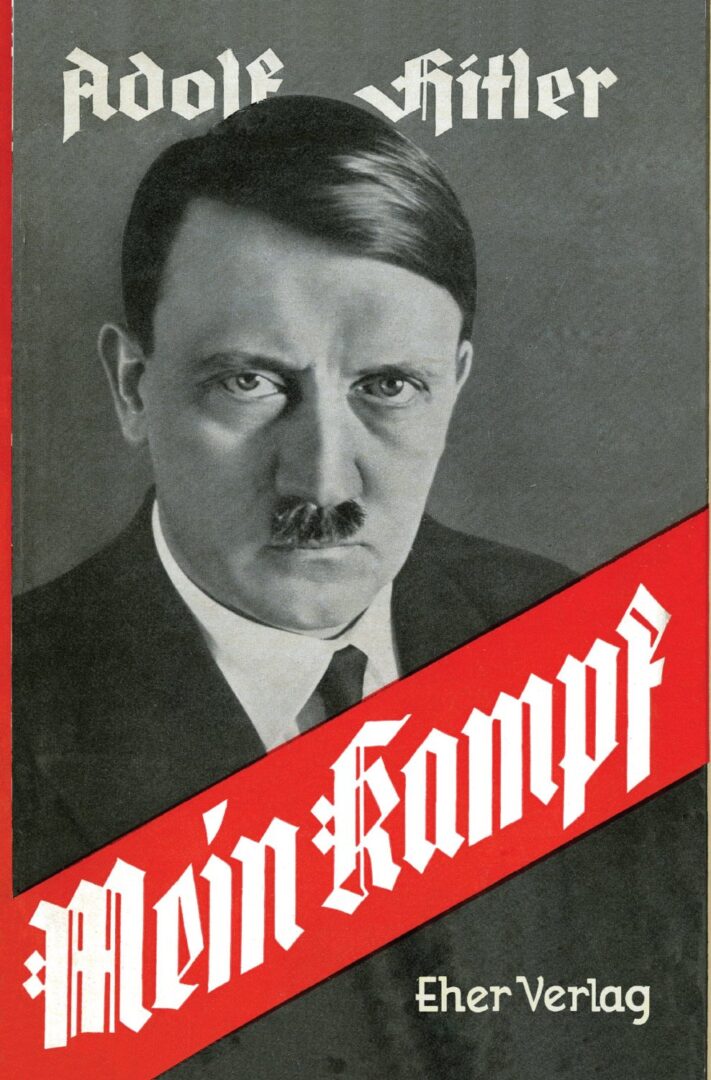
Did anything you learn absolutely shock you? Is there something that really stands out in your mind? “I haven’t got a quick answer to that. I’m sorry.” I was thinking that maybe you found him to be more evil than you even thought he was? “No. I thought he was pretty evil. You don’t go into this without a pretty strong idea of what Hitler was all about. I did get some insights as to how persuasive he was with people and I understood better what horrible straits Germany was in the 1920s particularly in 1923 when Hitler staged his Putsch. The way these things came to pass became clearer to me, the historical context.”
Peter Range is a seasoned journalist: former White House correspondent for U.S. News & World Report, foreign correspondent for Time, The New York Times Magazine, National Geographic, Playboy and many other publications covering politics, international affairs and war.
Lest you forget how scary Hitler was, this is courtesy of Immortalis Europa: