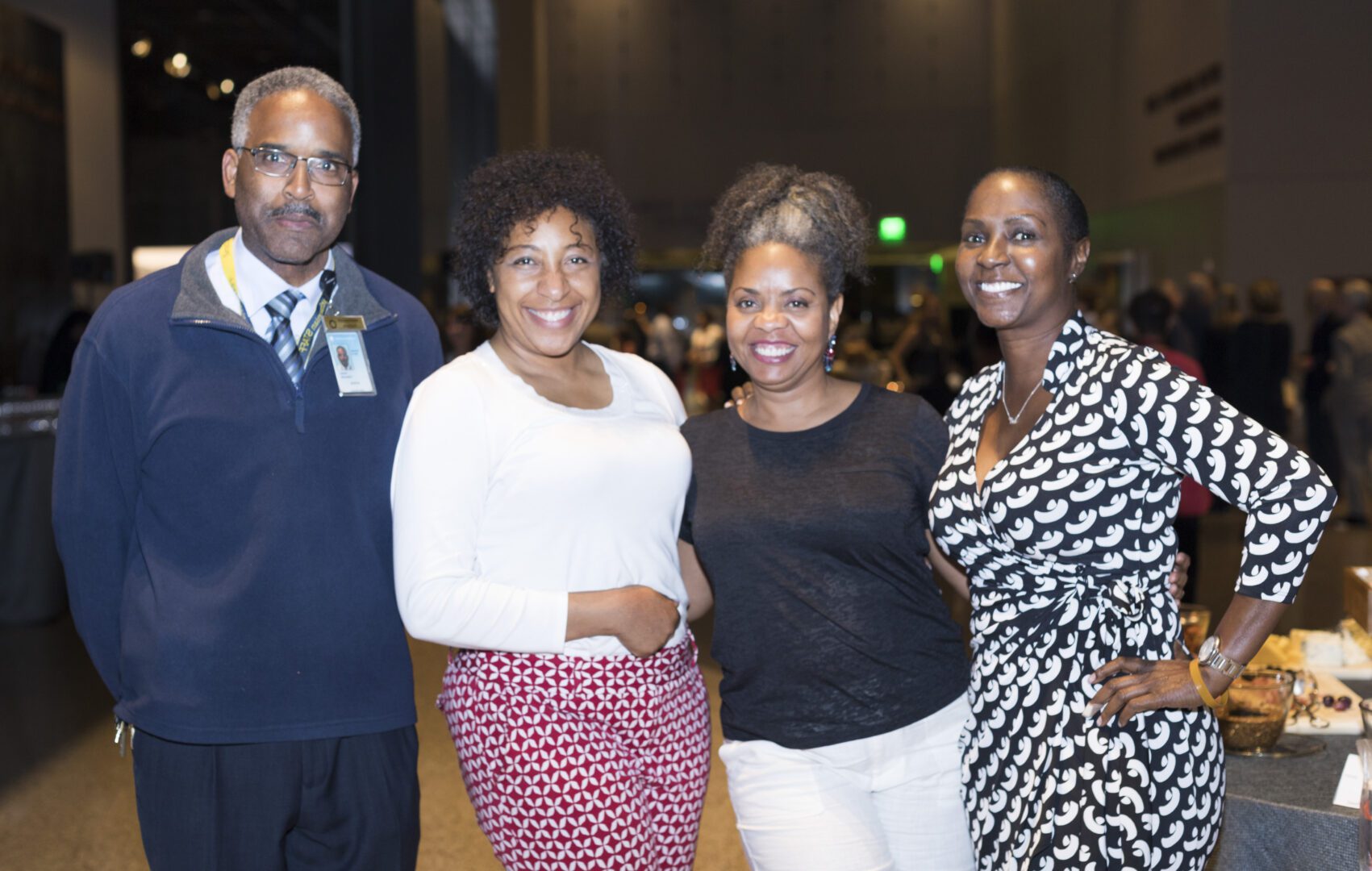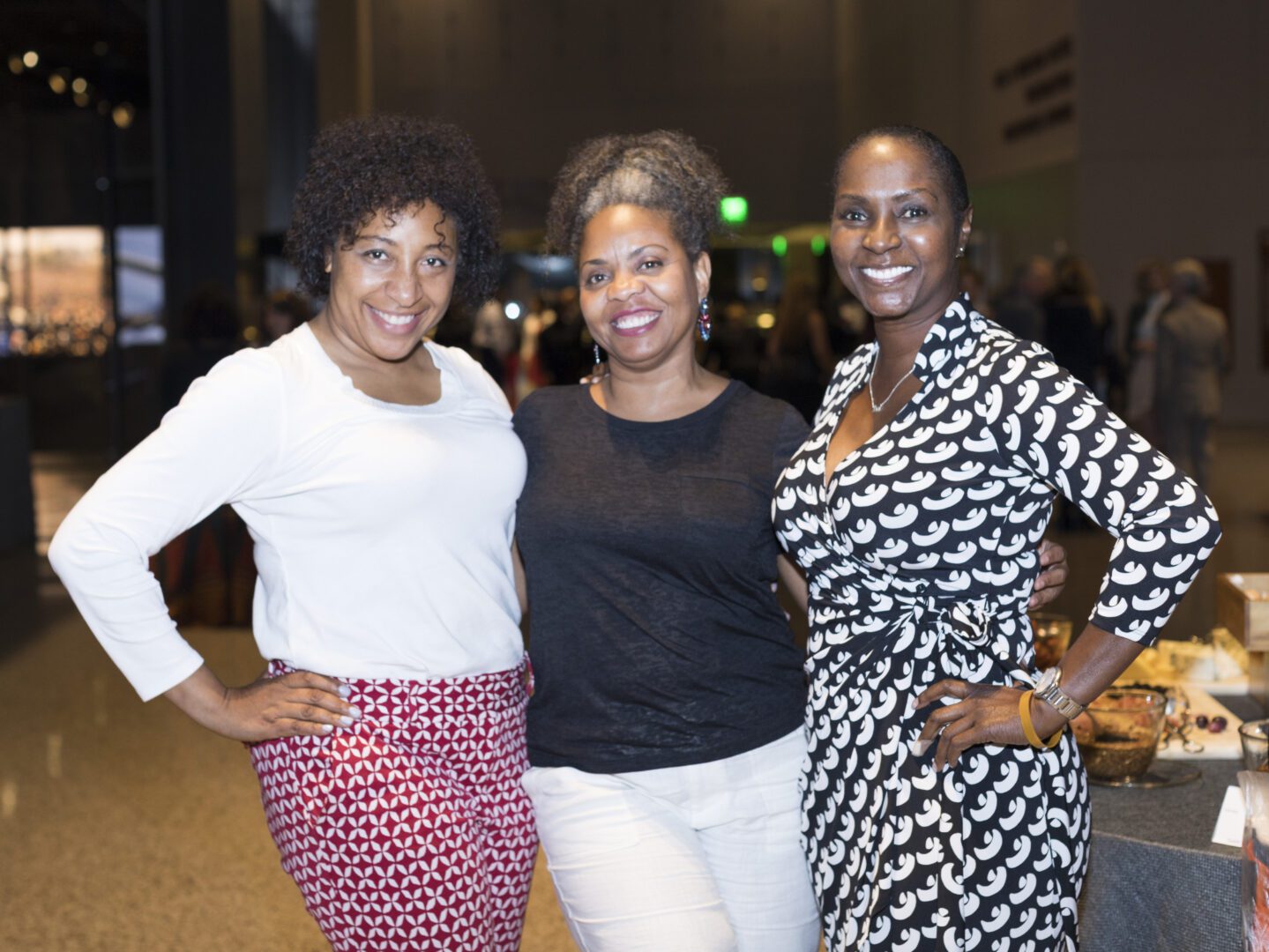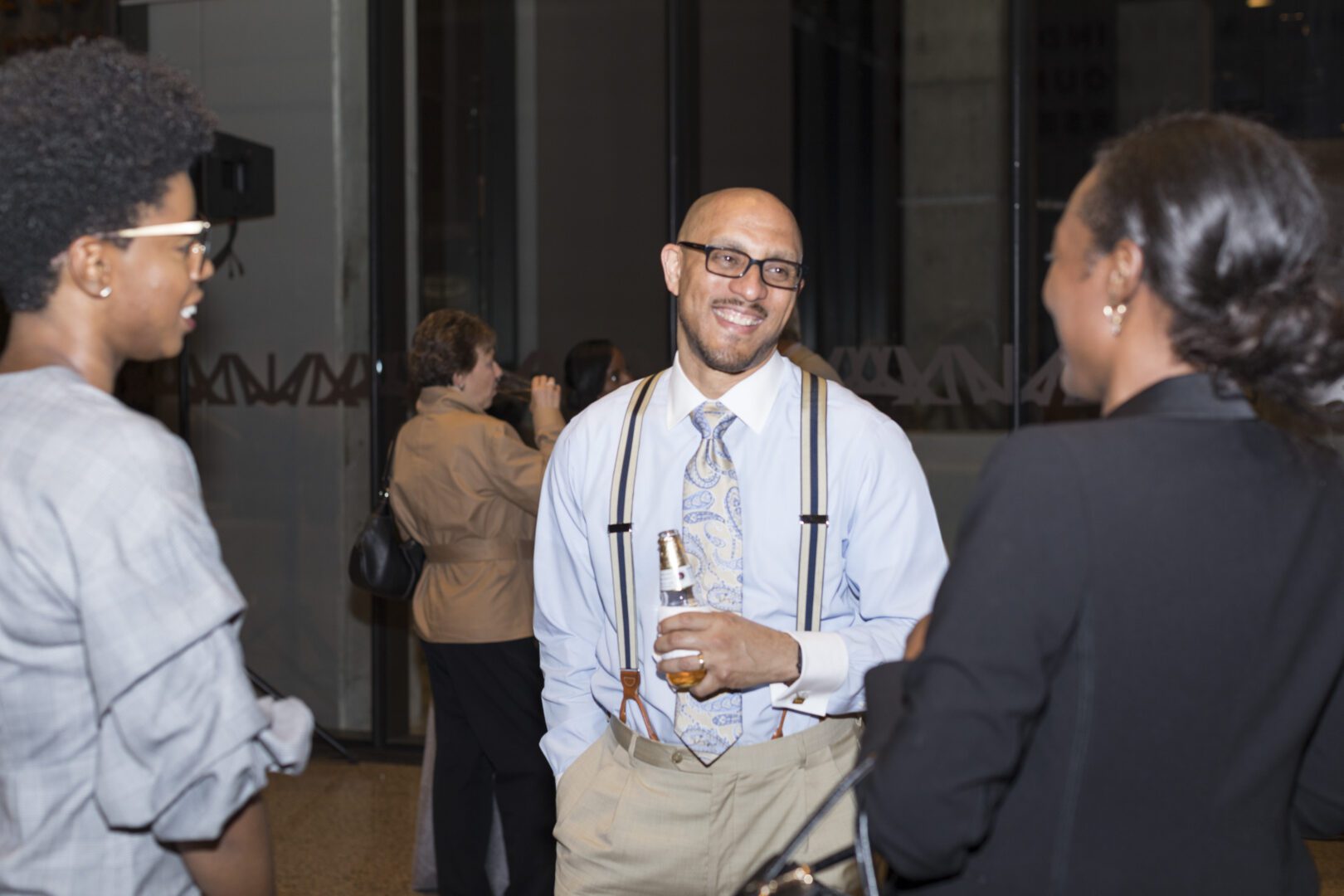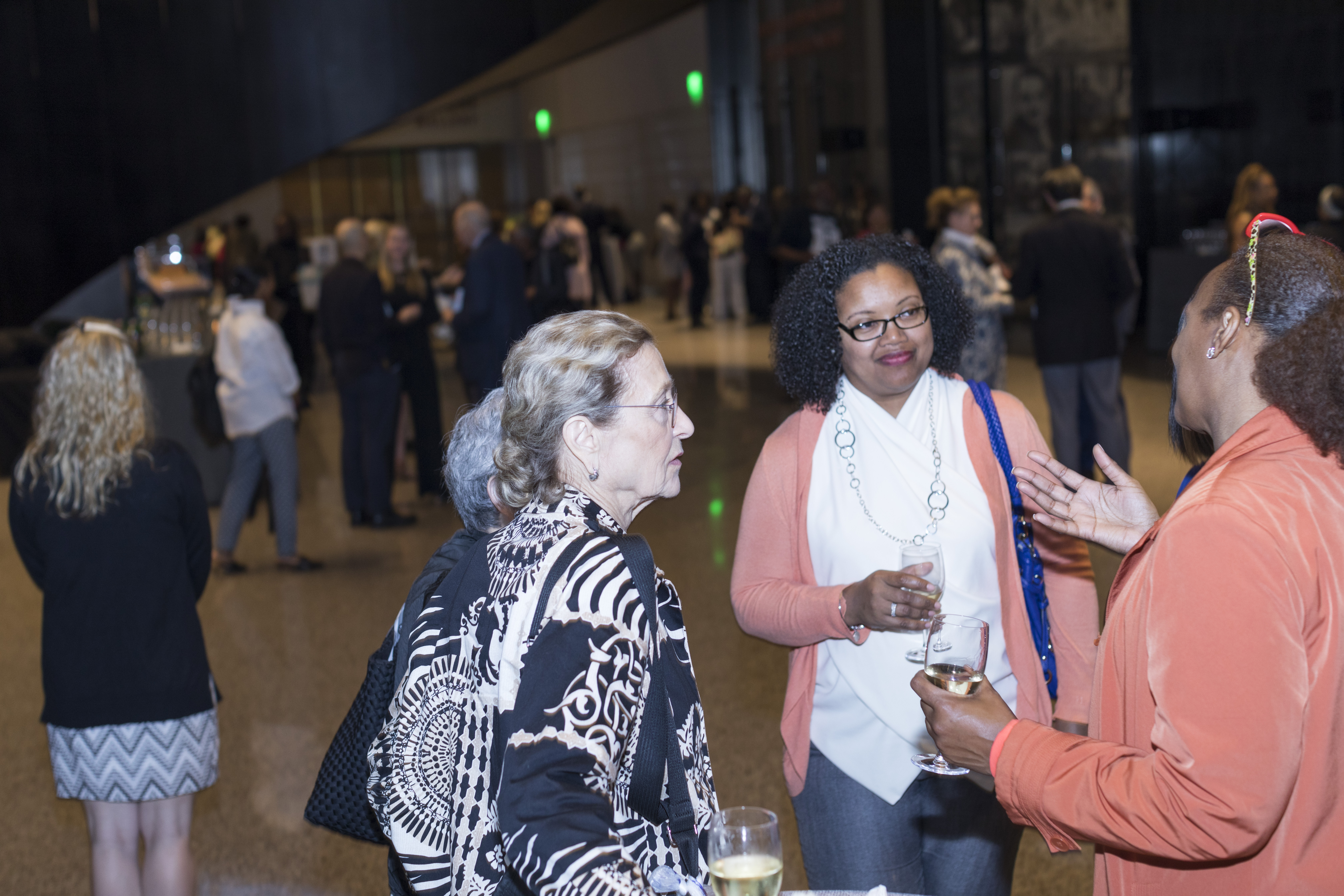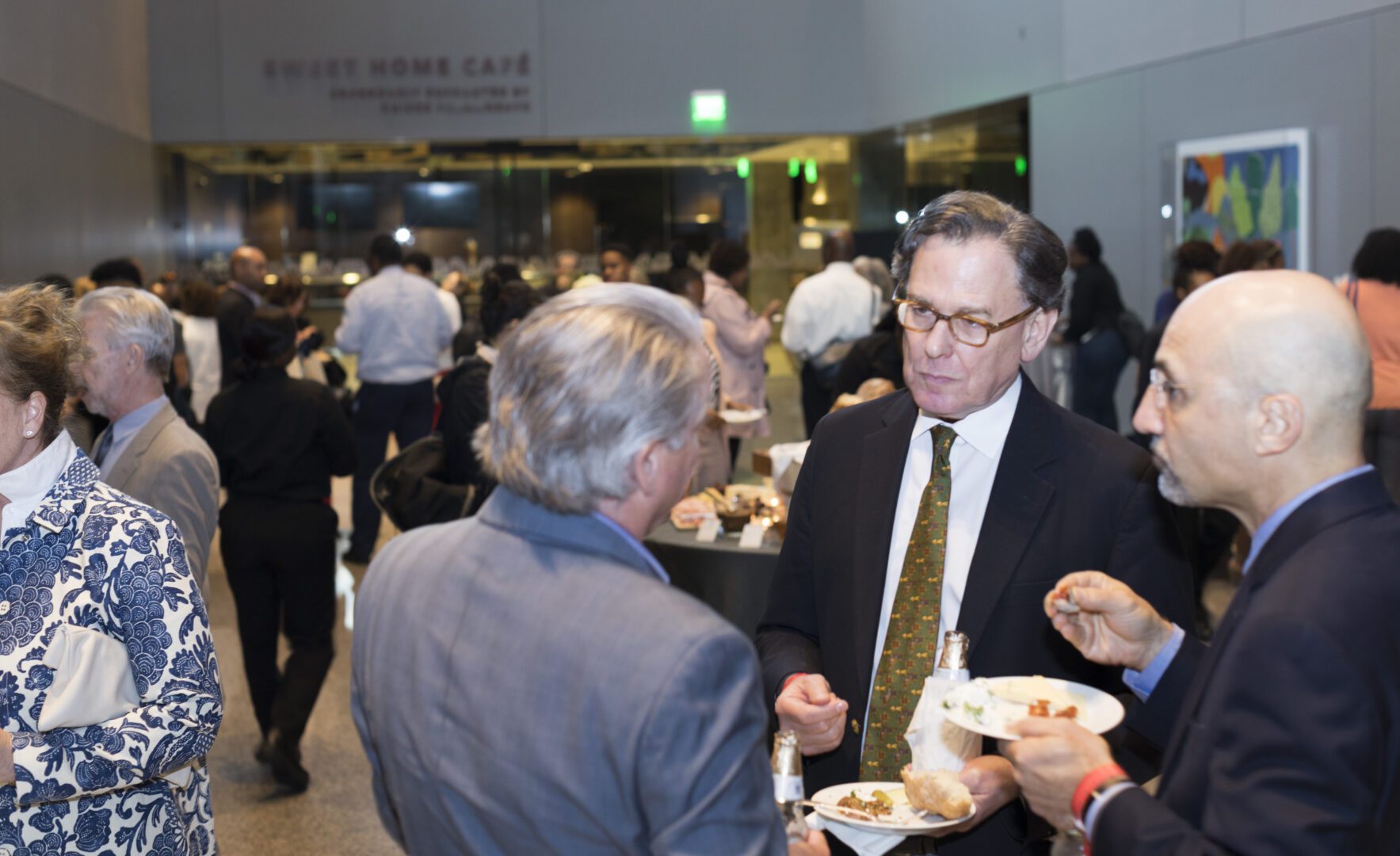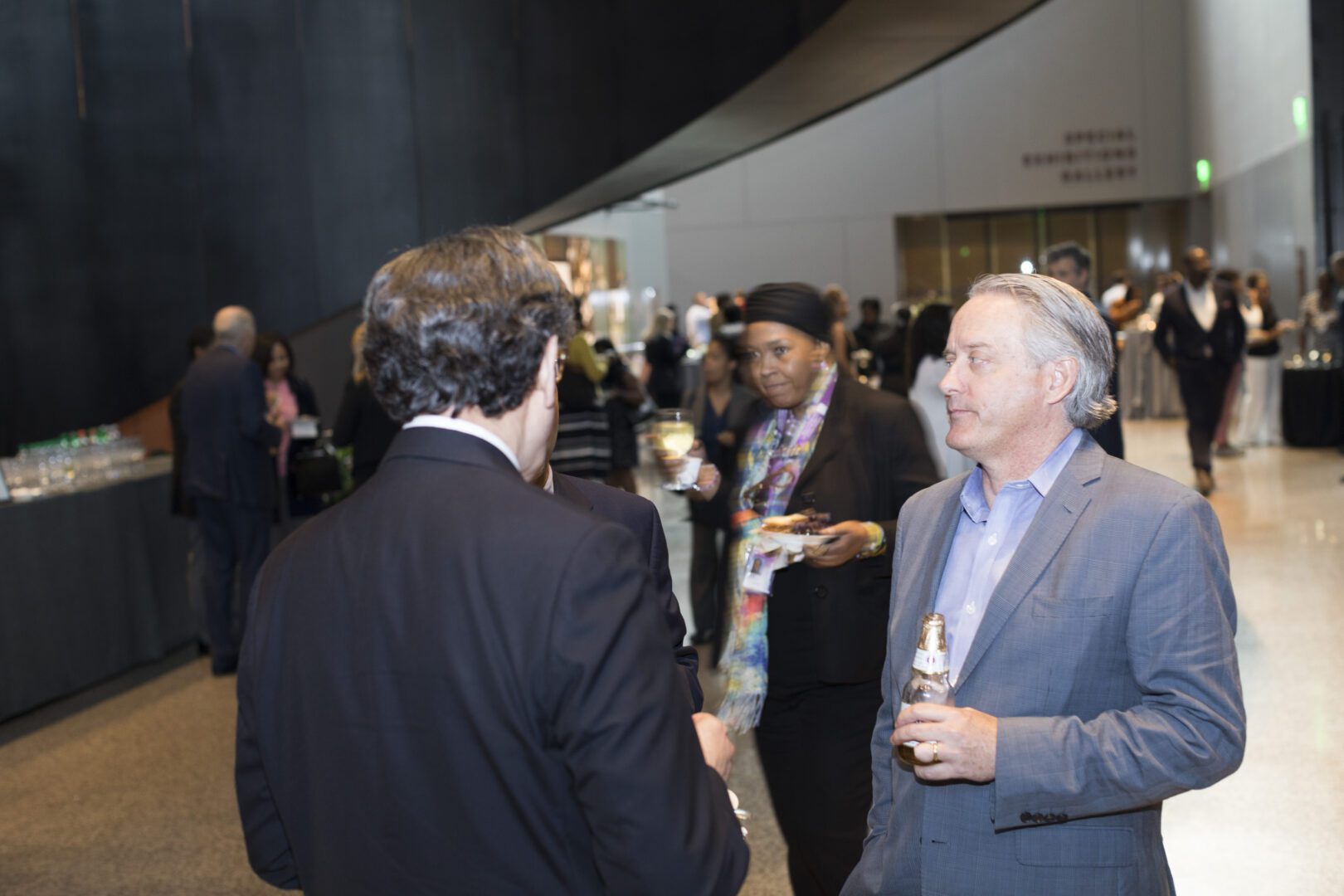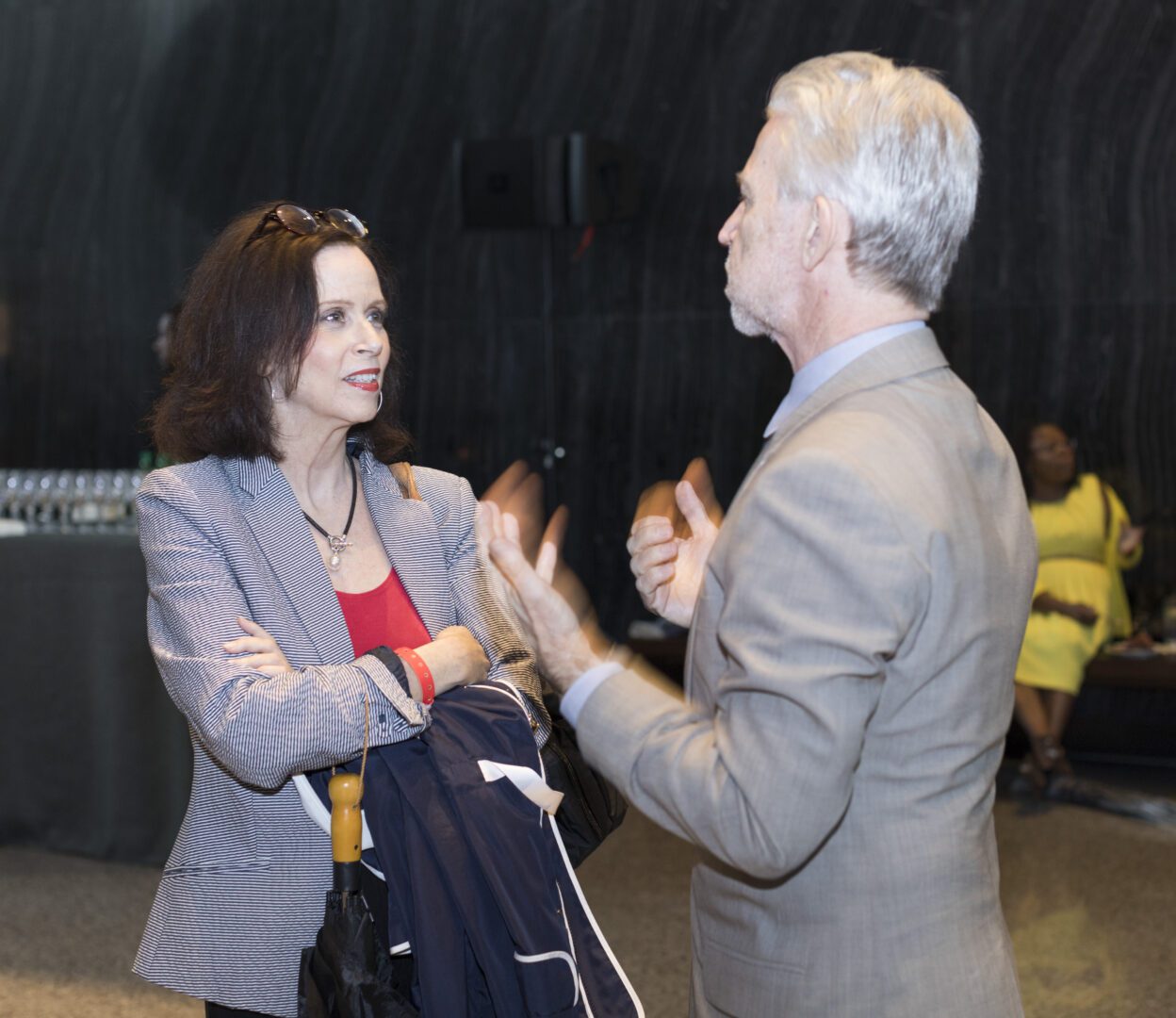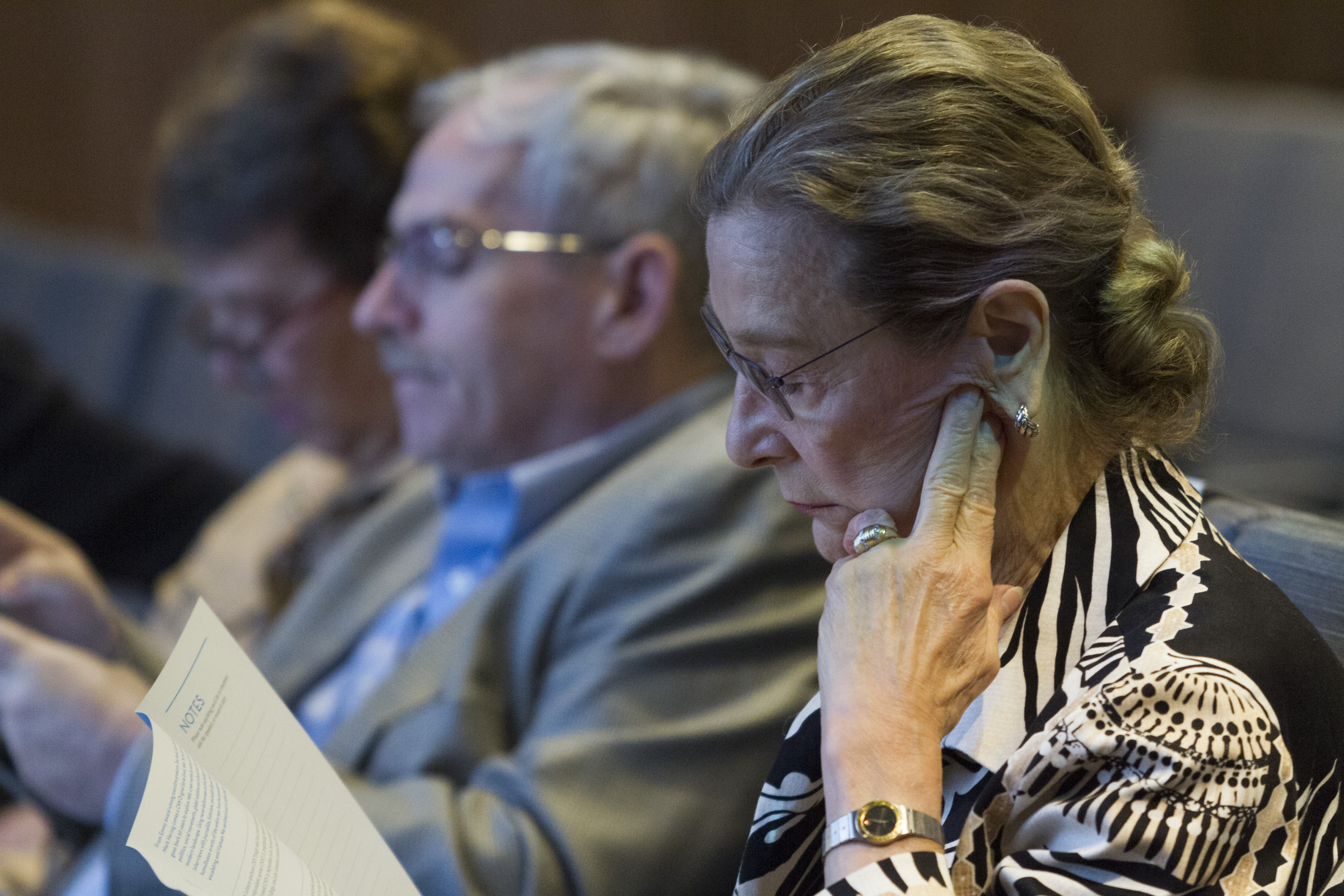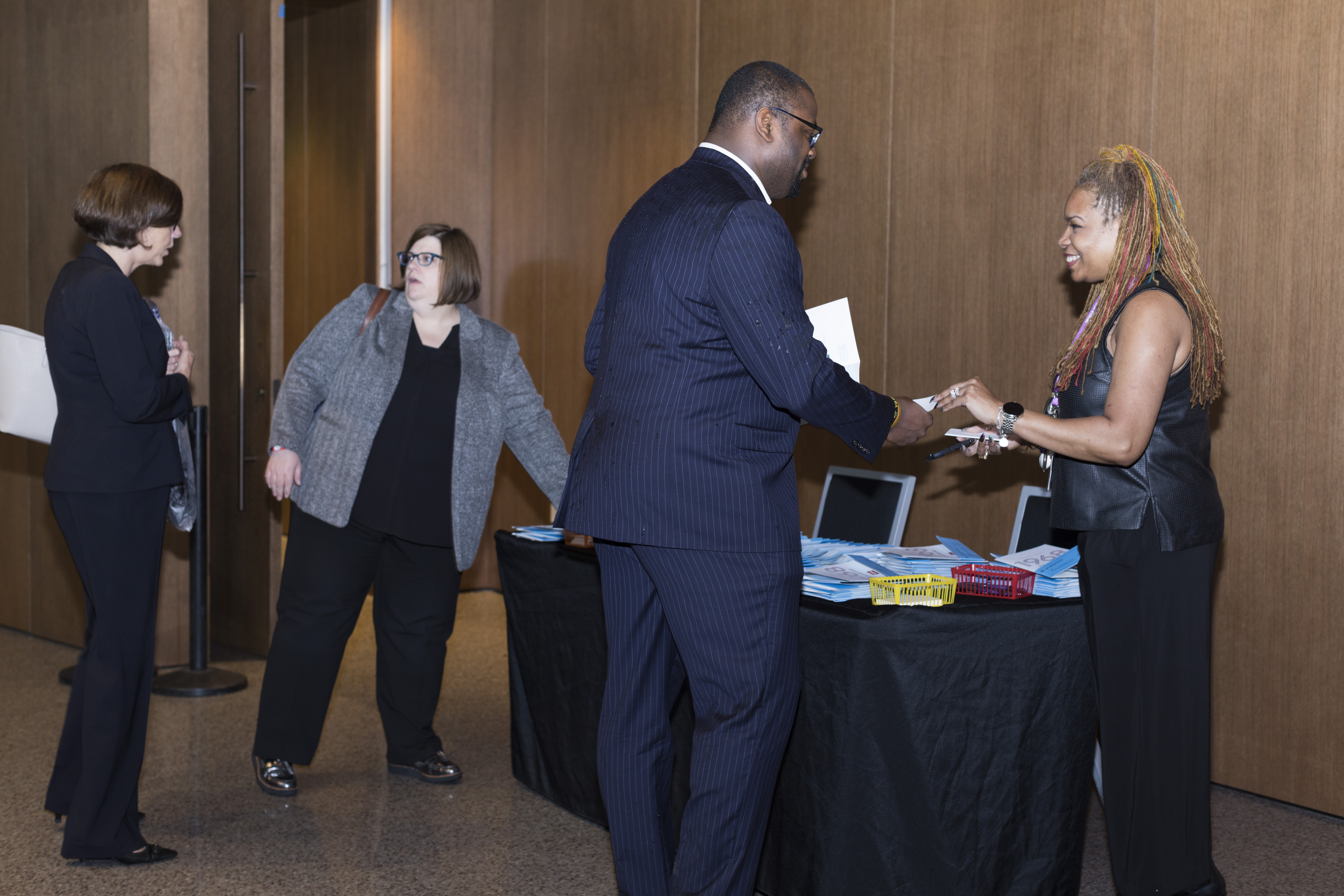
Photo credit: LLJ Photography
Like years before and after 1968, memorable events have shaped history; but 1968 was a pivitol year. It was a year of fierce social and political change with two major factors that shaped the country like none other: The Vietnam War and the Civil Rights Movement. It was the year that Dr. Benjamin Spock was indicted for conspiring to violate the draft law; “Rowan & Martin’s Laugh-In” premiered on NBC; “In the Heat of the Night” stars Rod Steiger & Edith Evans won The Golden Globes; President Lyndon B. Johnson announced that he would not seek re-election; Glen Campbell and Lynn Anderson won the Academy of Country Music Awards; Arthur Ashe became the 1st African American to win the US singles championship; O.J. Simpson won the Heisman Trophy Award; Republican candidate Richard Nixon was elected President of the United States; and in case anyone cares Evil Knievel (look it up ) failed a jump in Nevada; Frank Sinatra ended the year with My Way; Martin Luther King, Jr. and Robert F. Kennedy were assassinated.
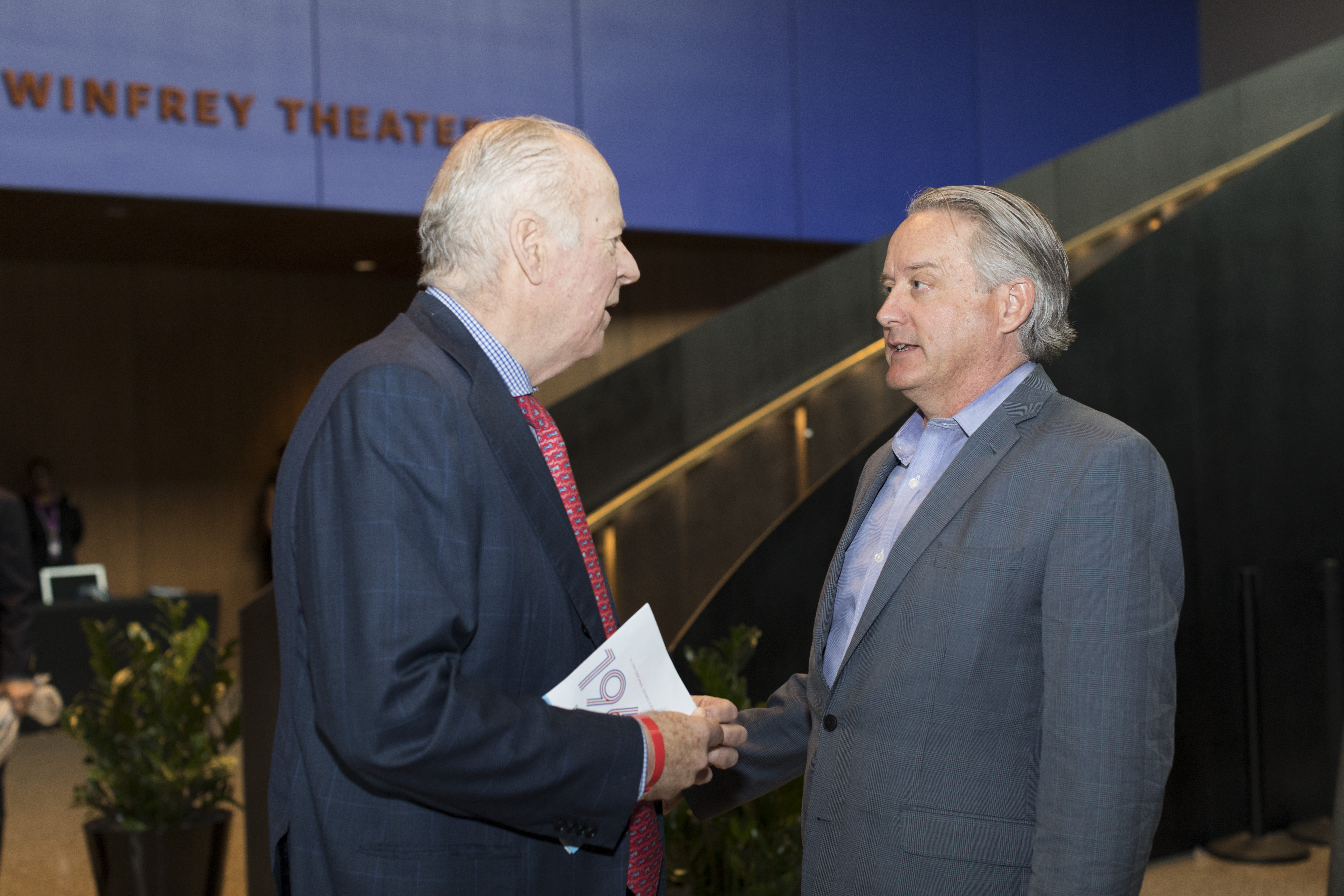
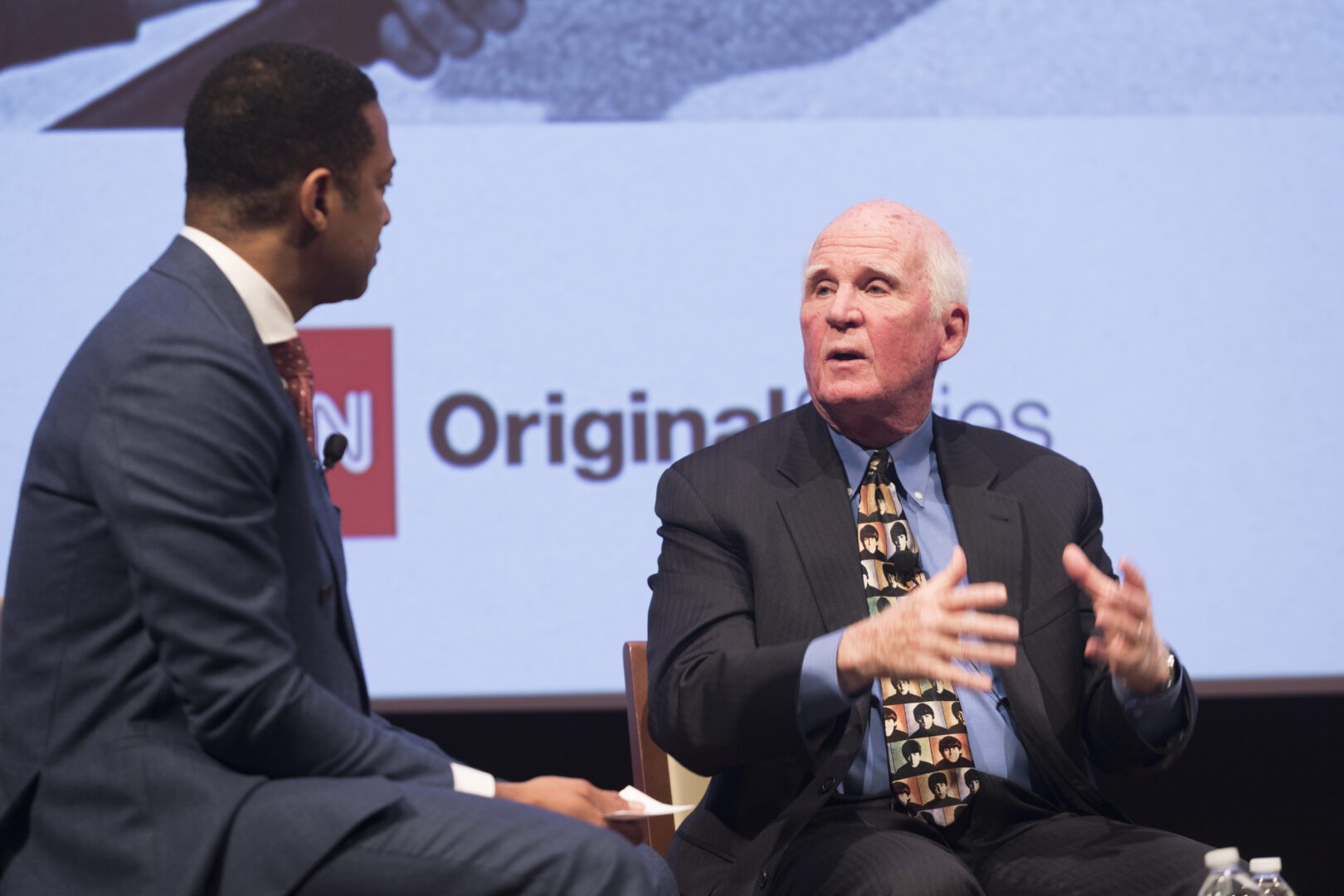
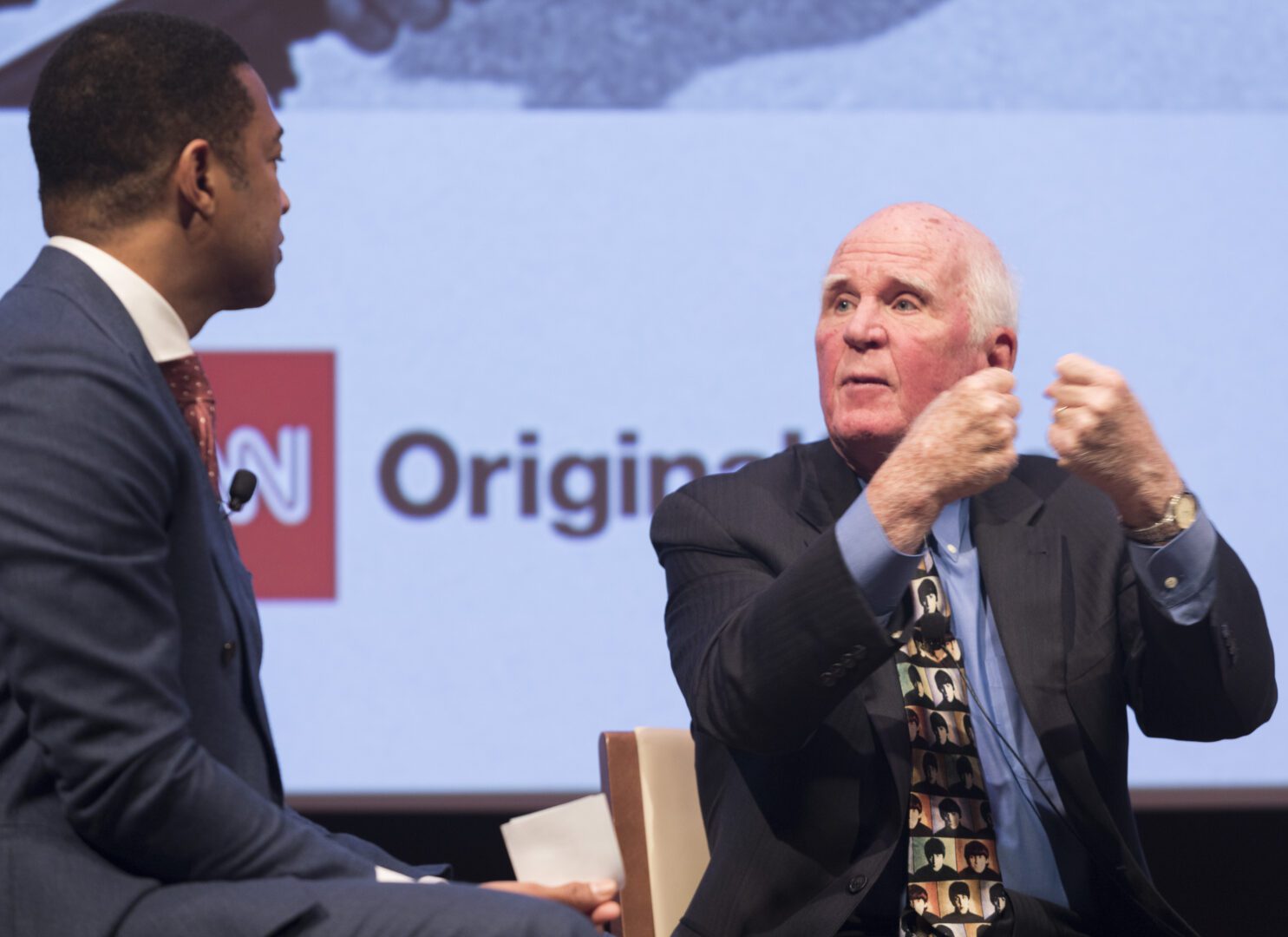
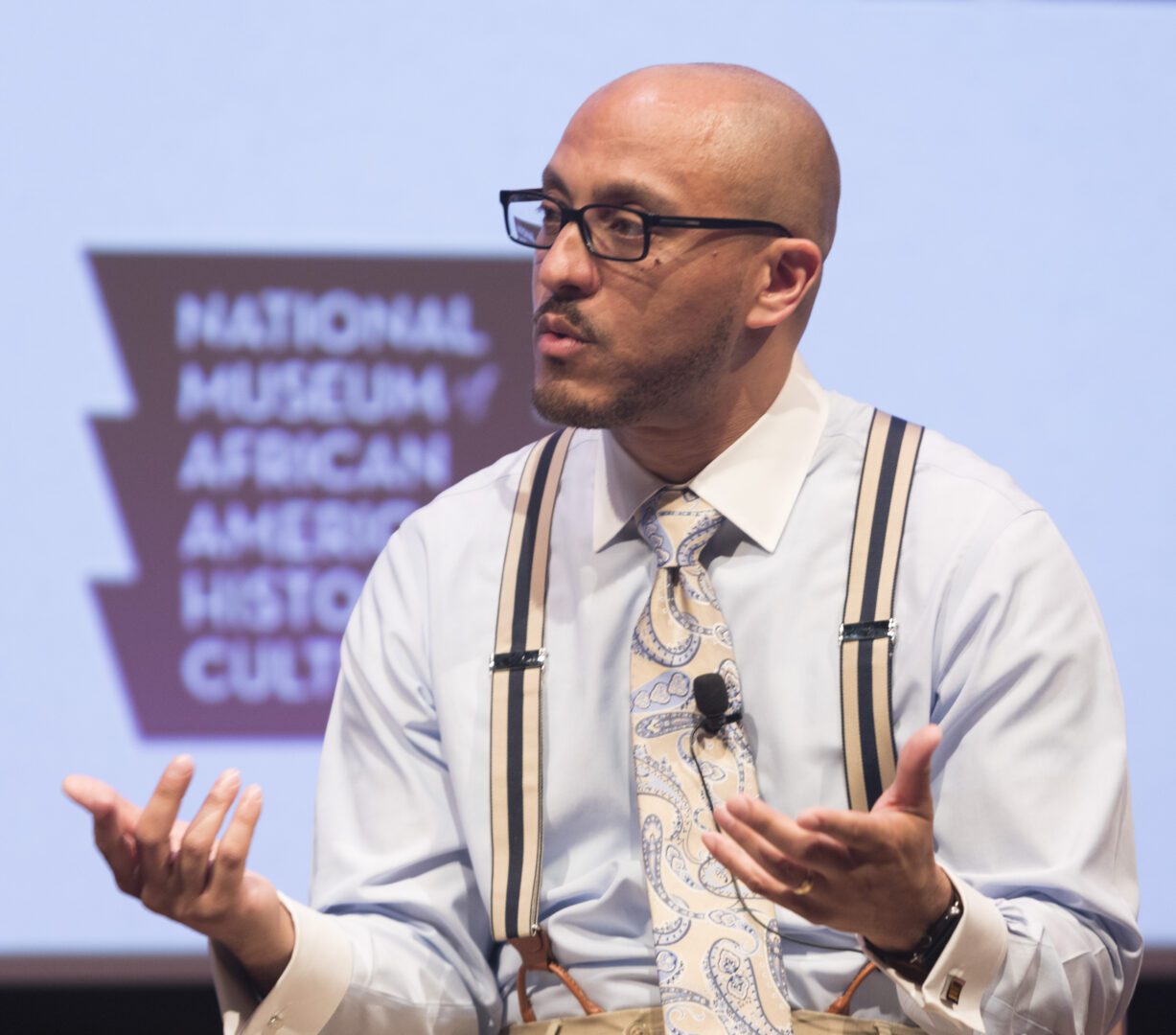
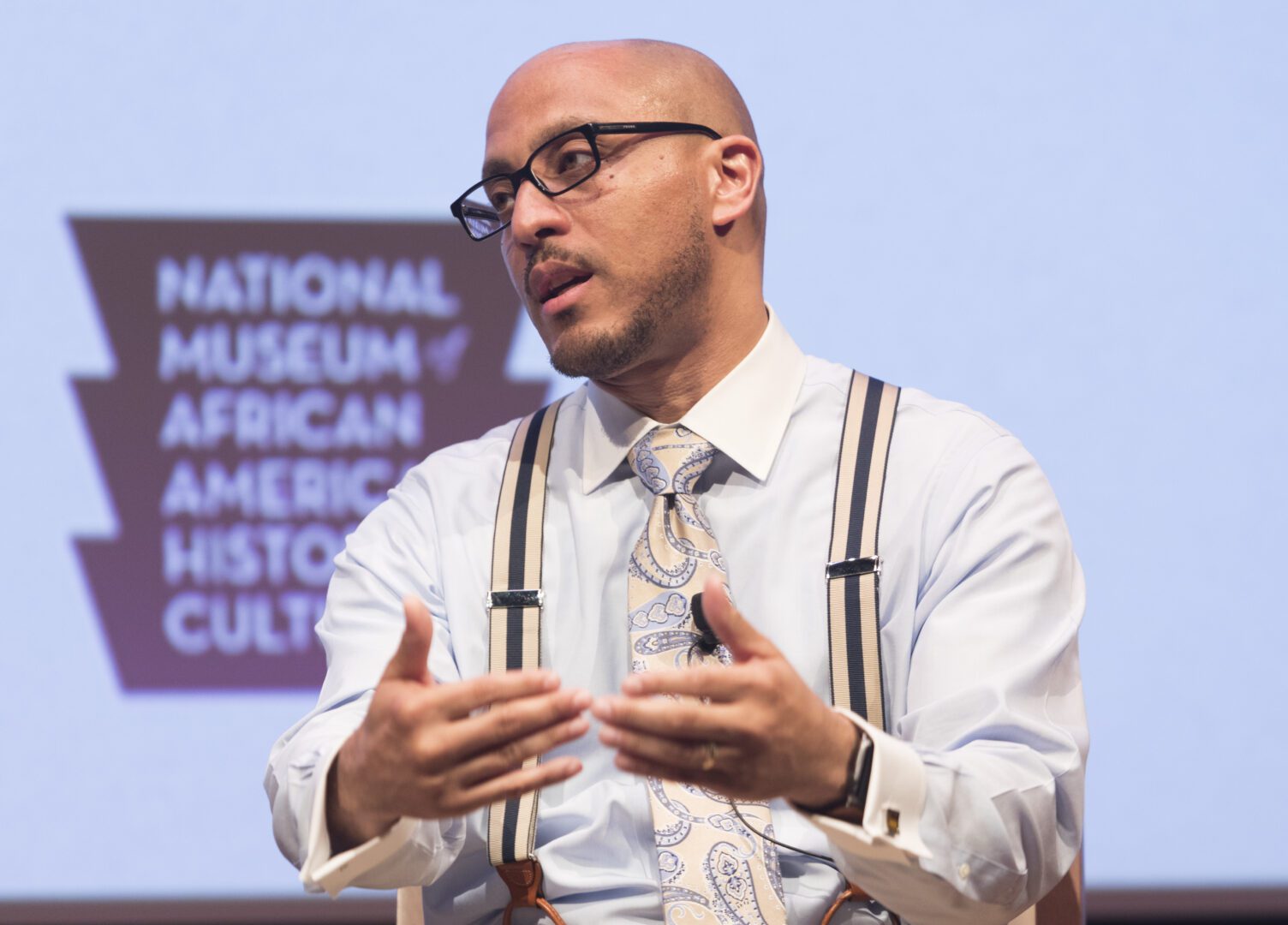
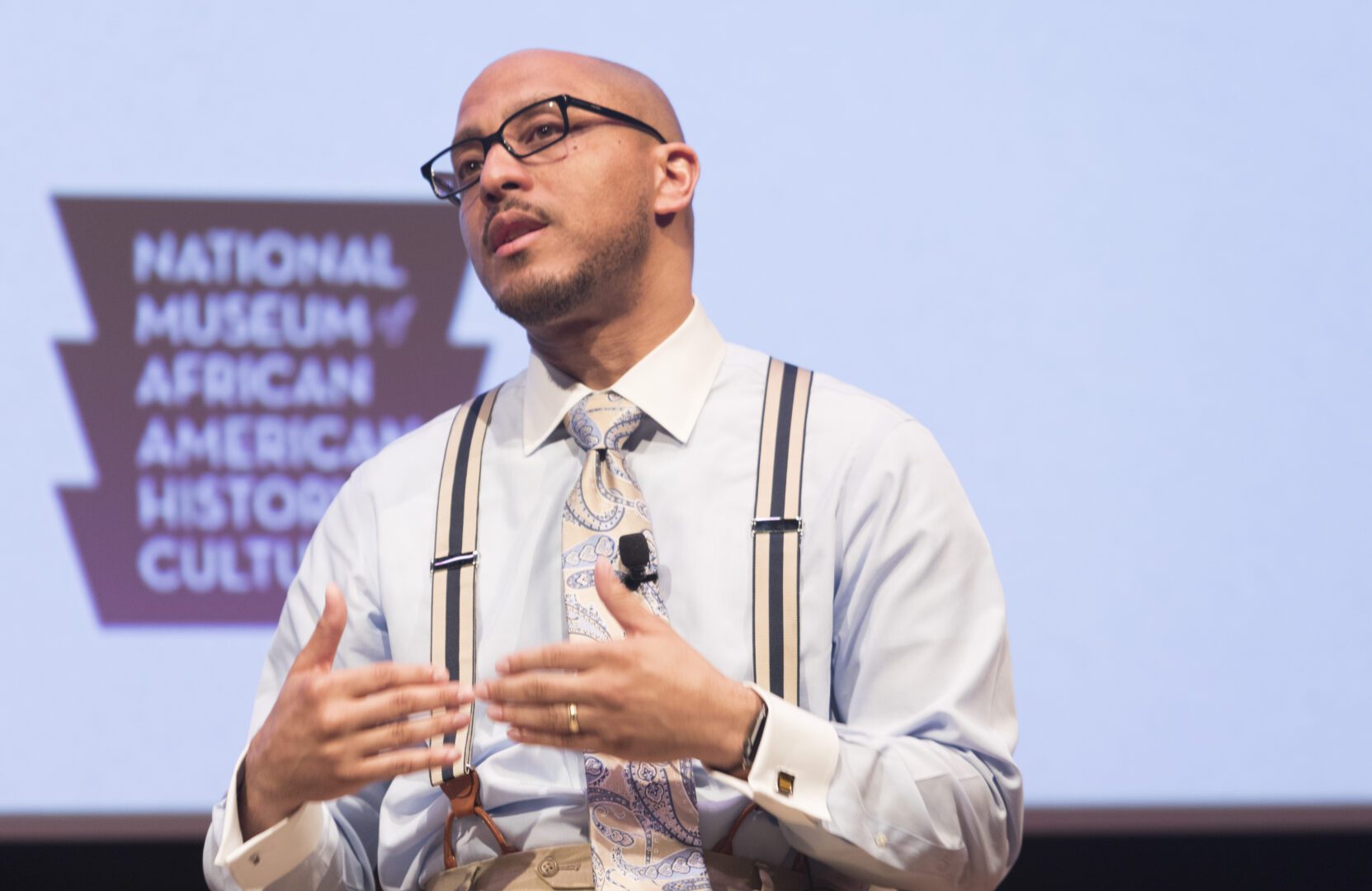
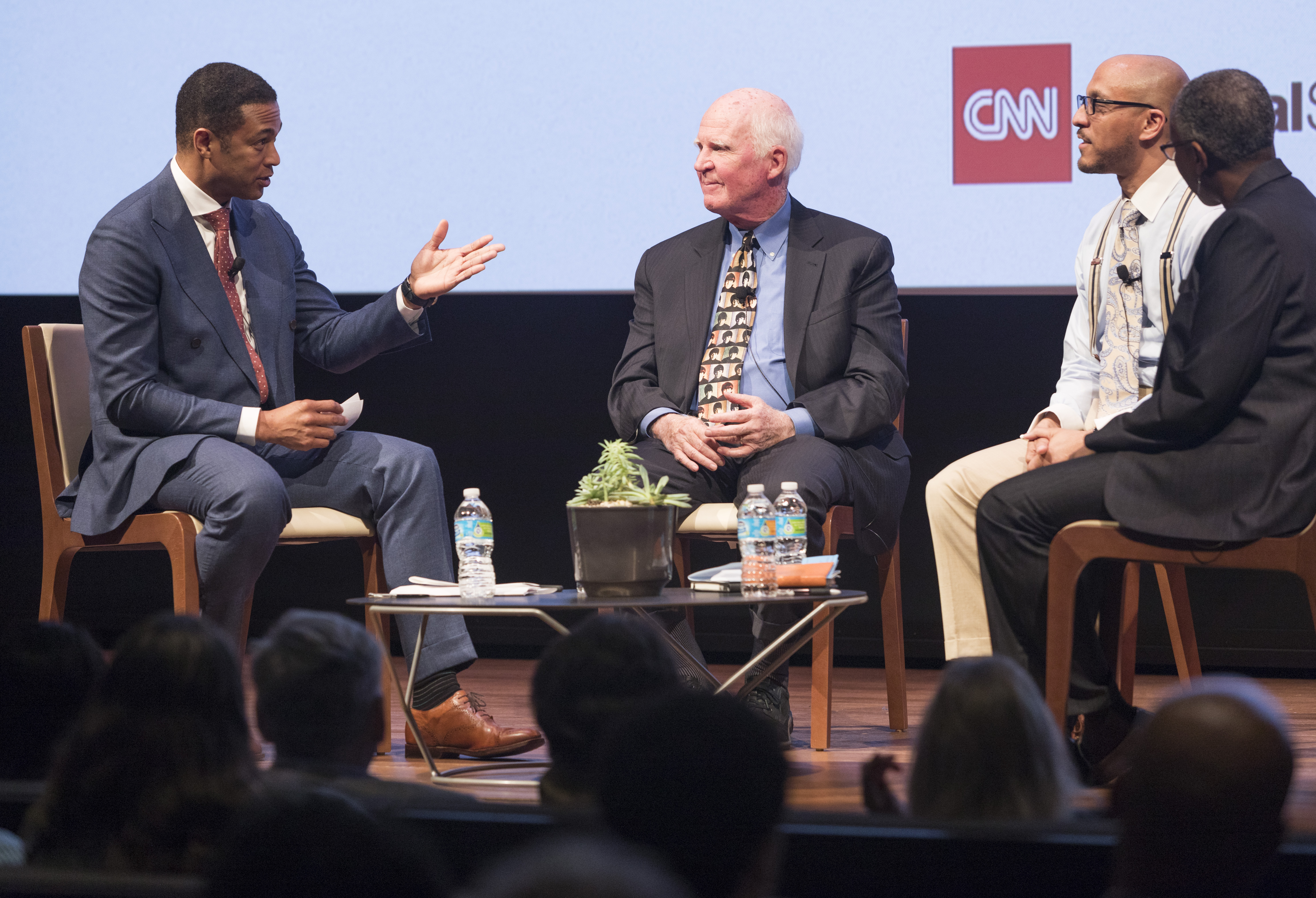
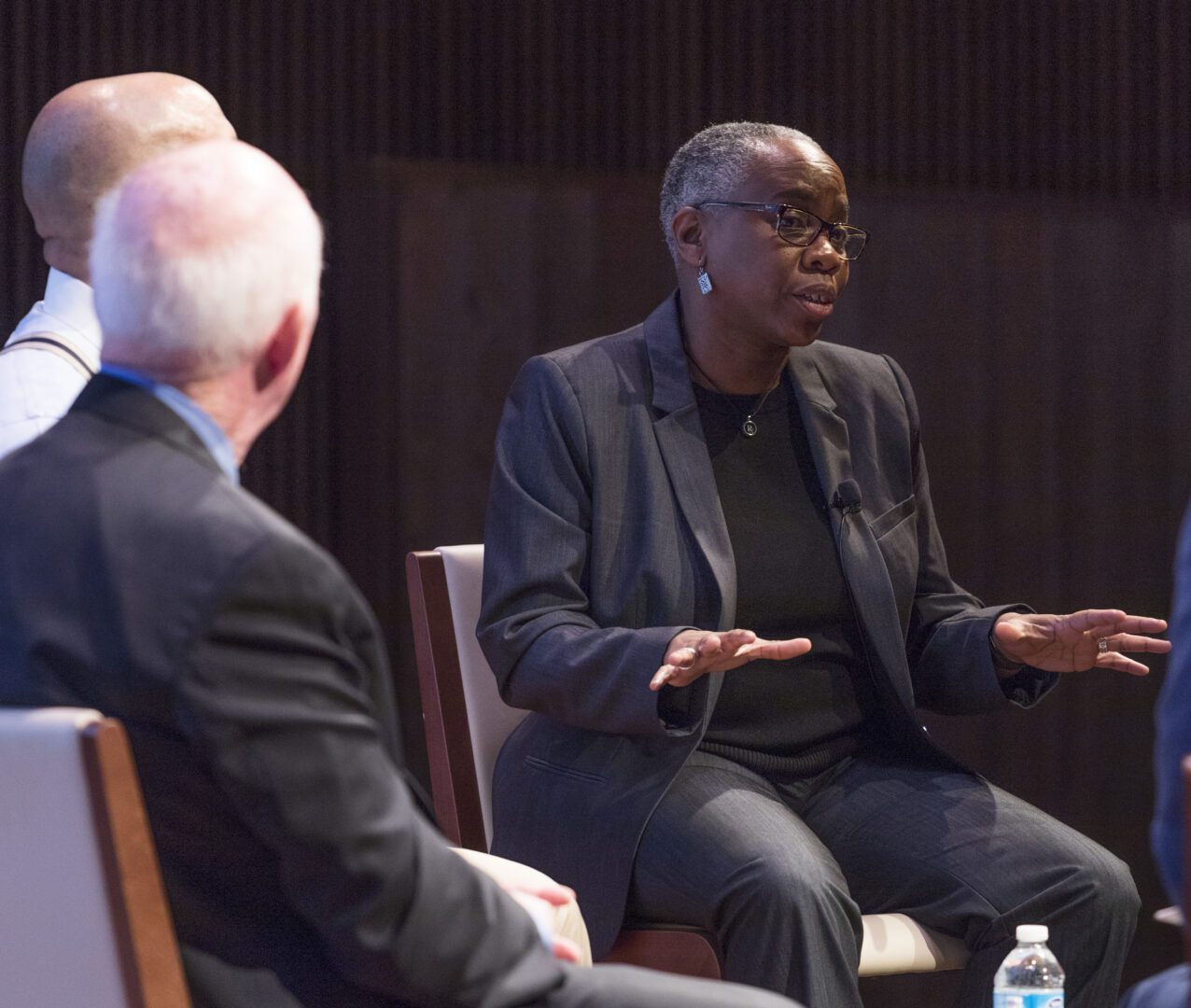
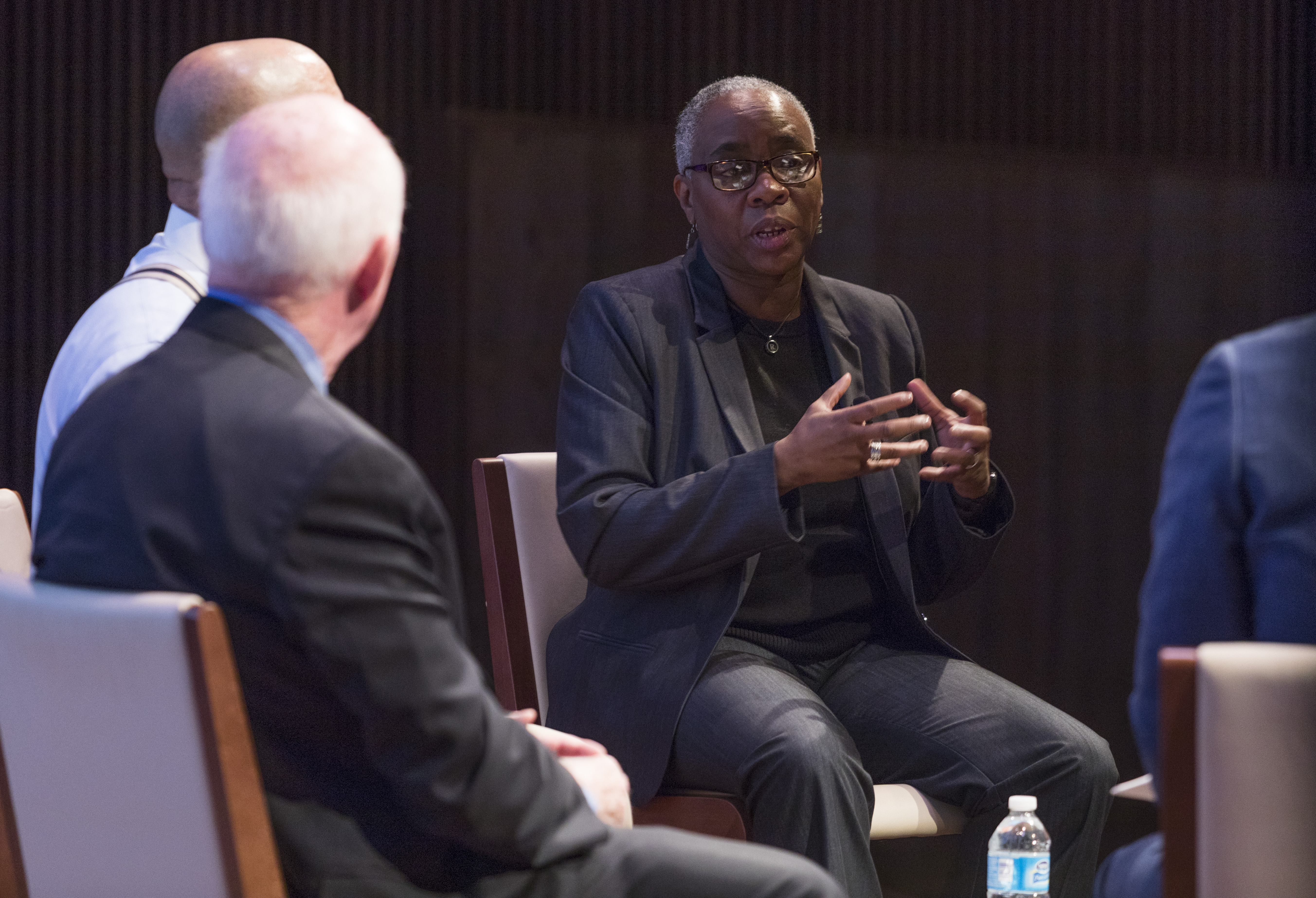
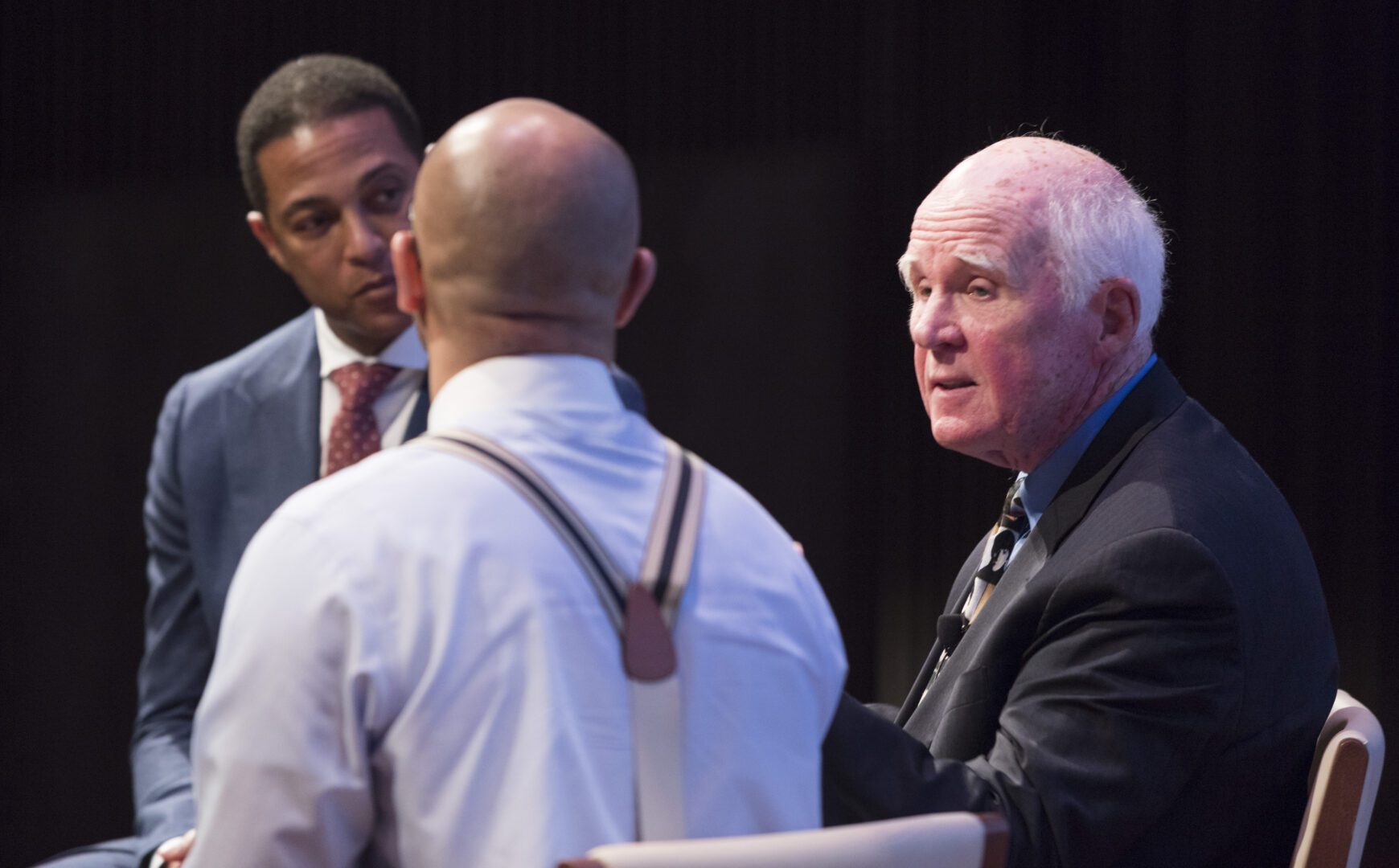
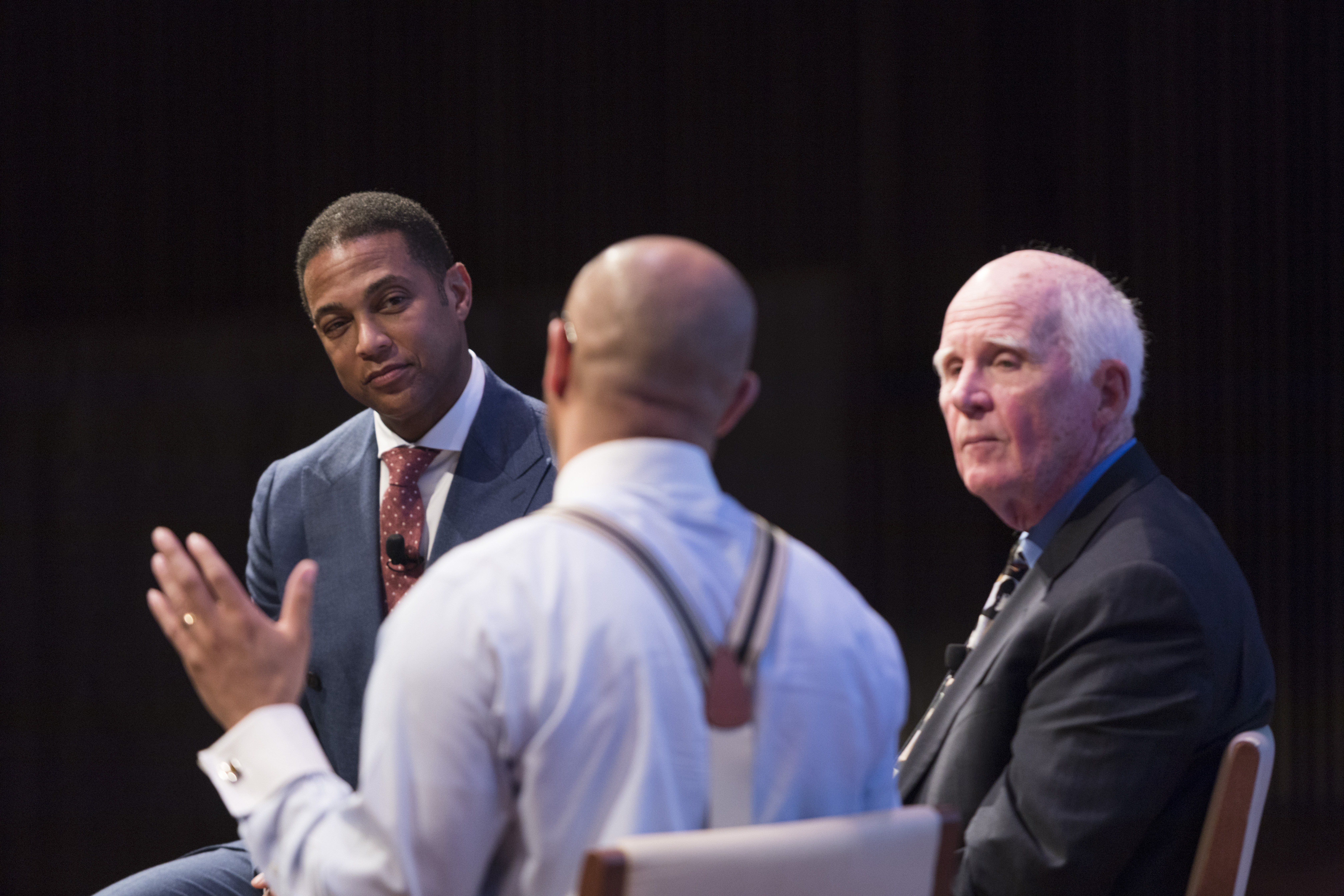
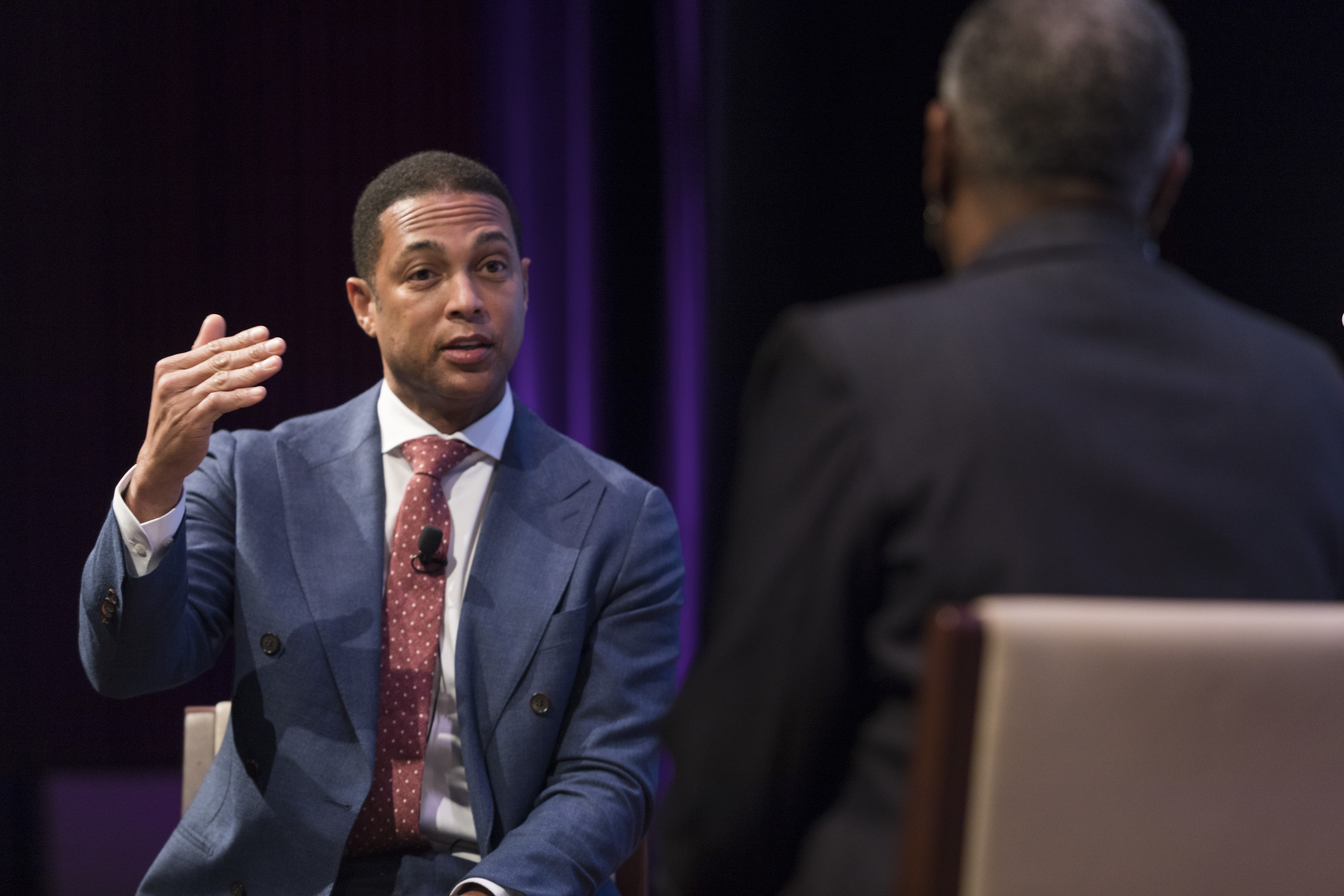
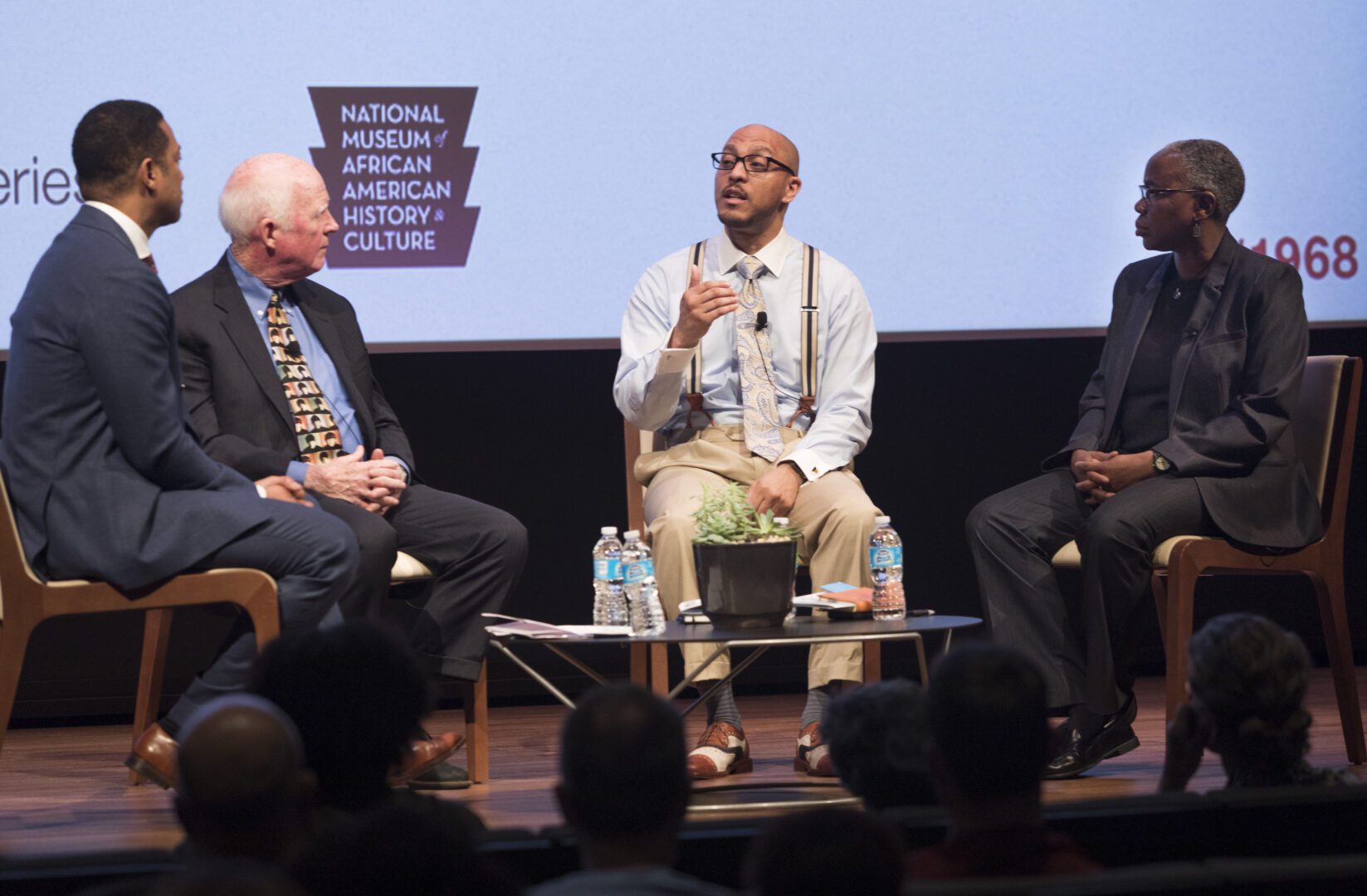
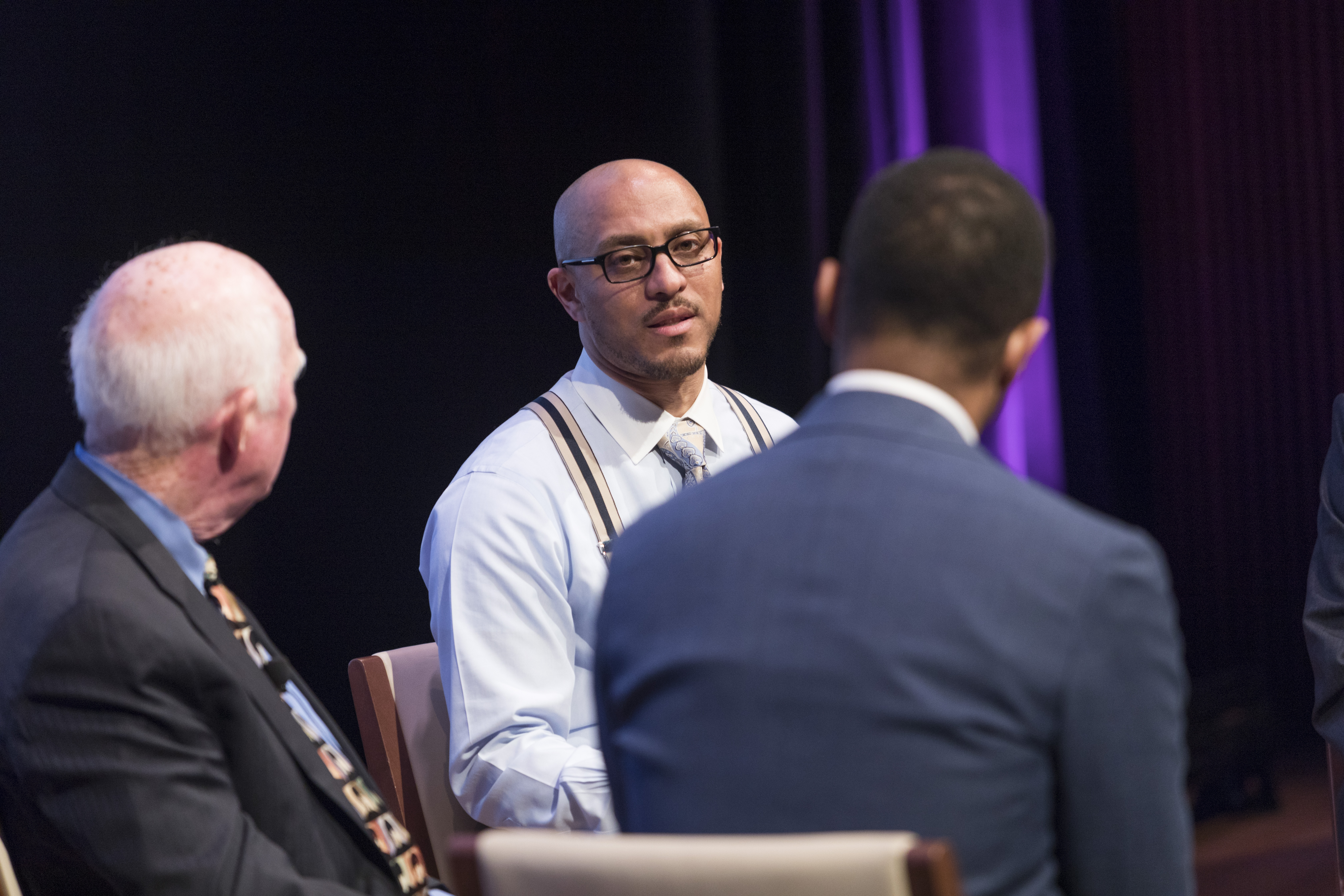
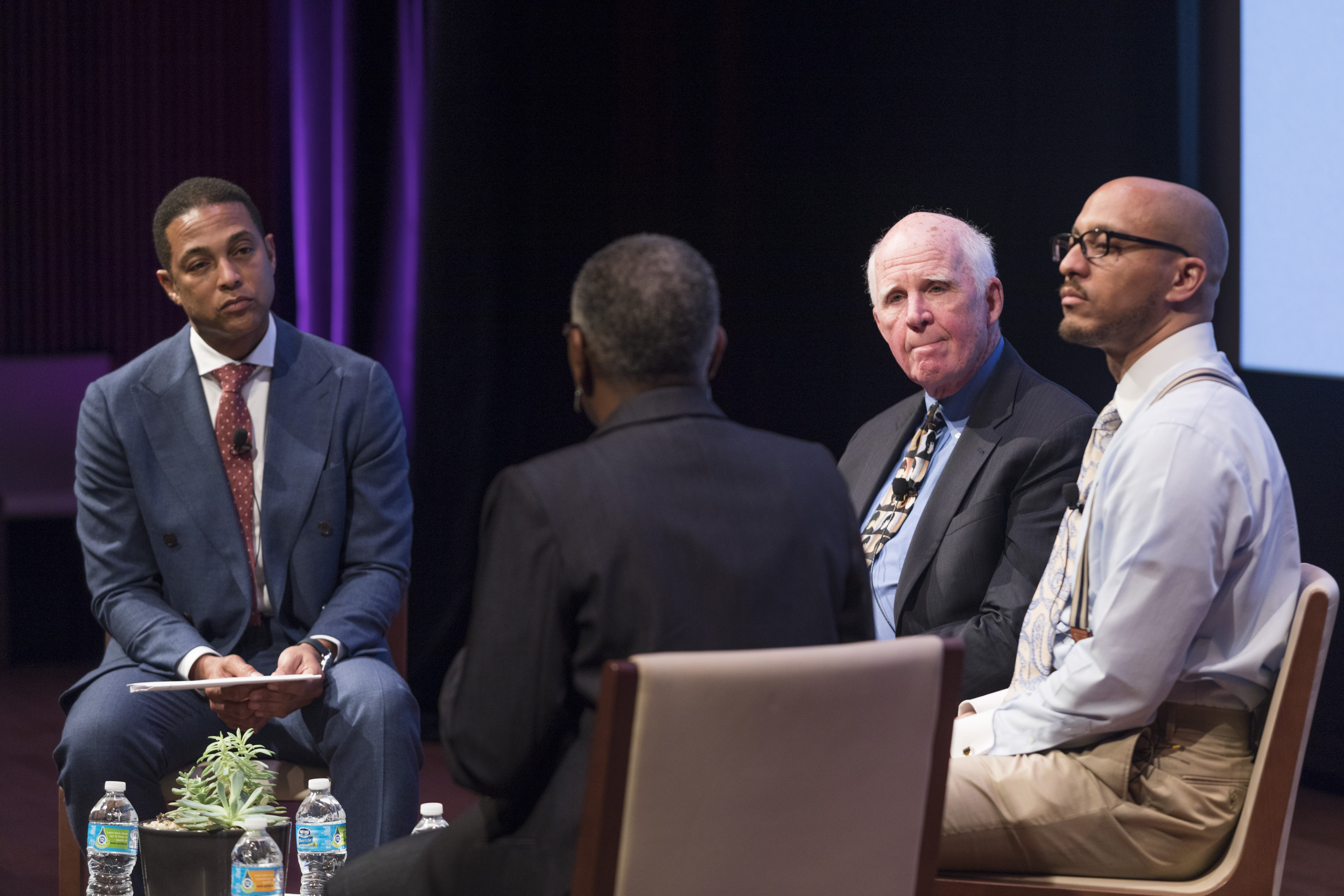
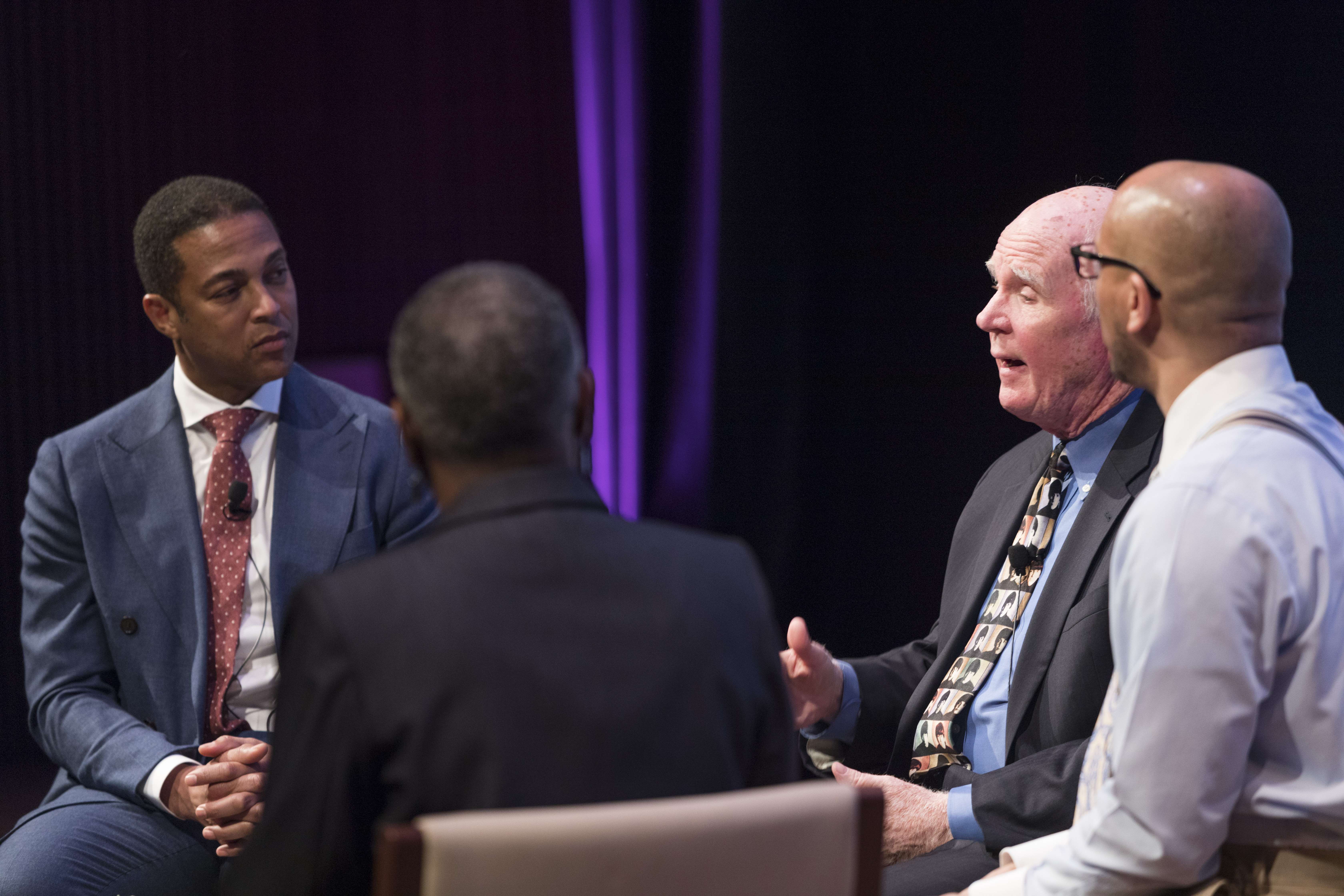
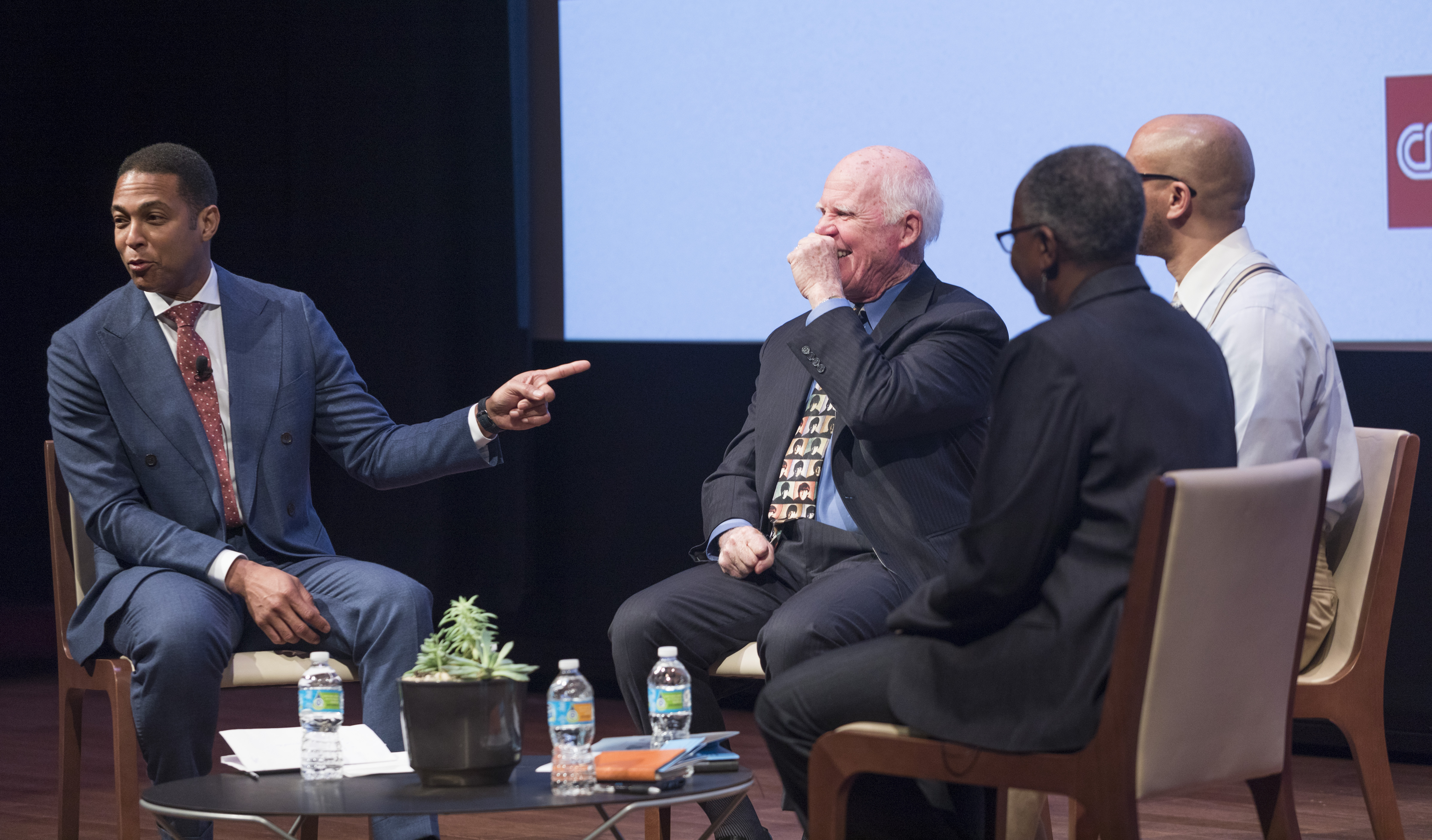
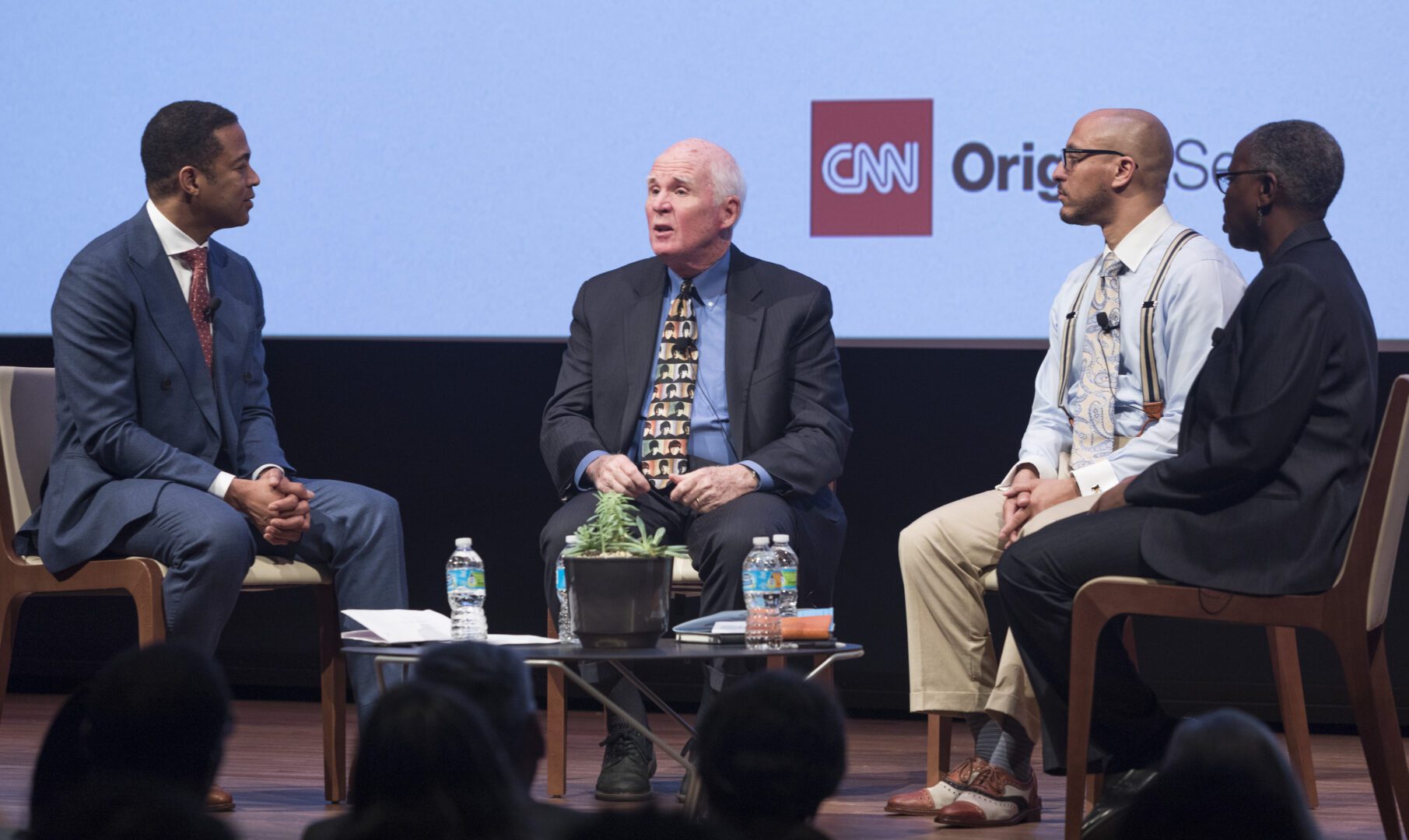
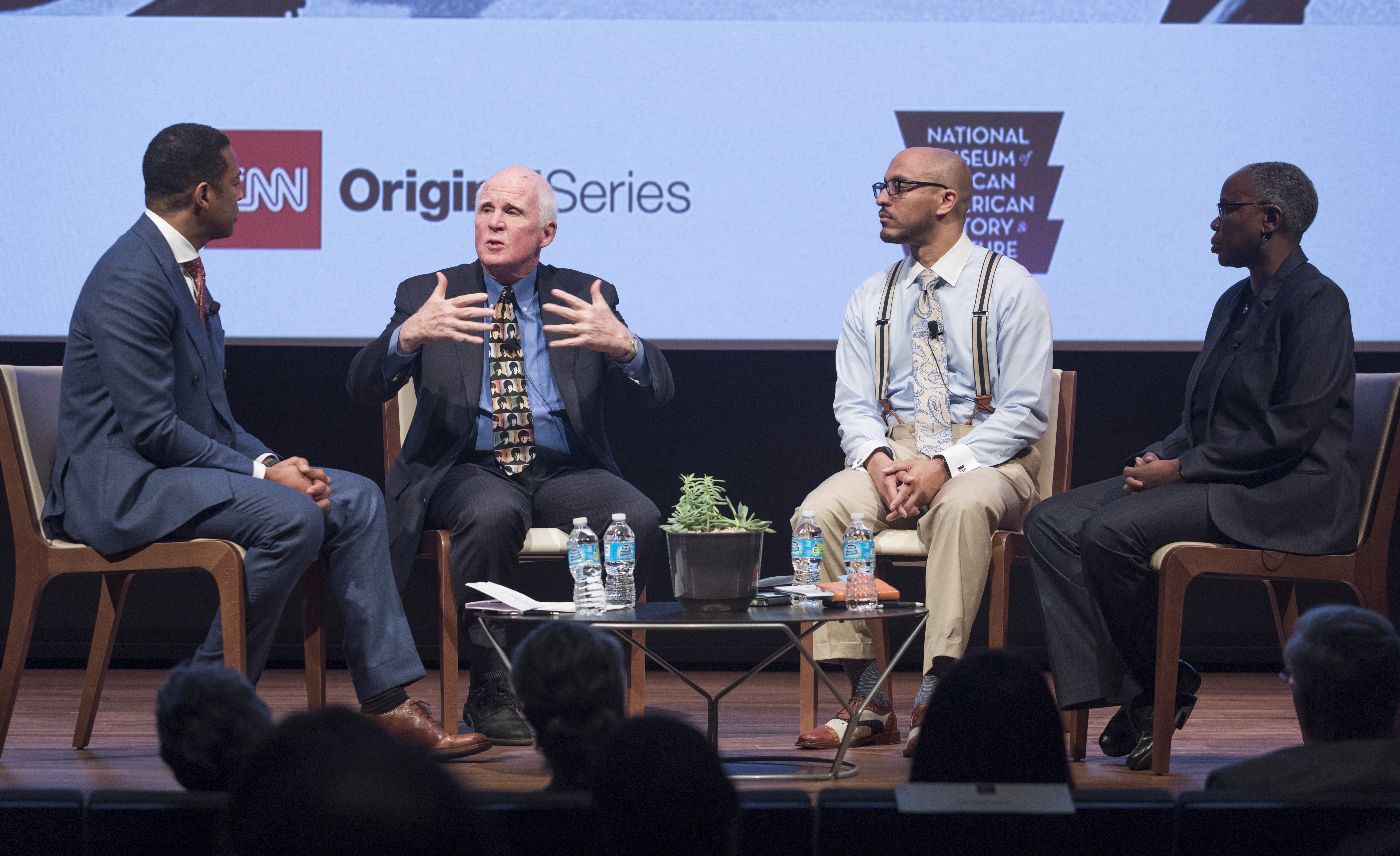
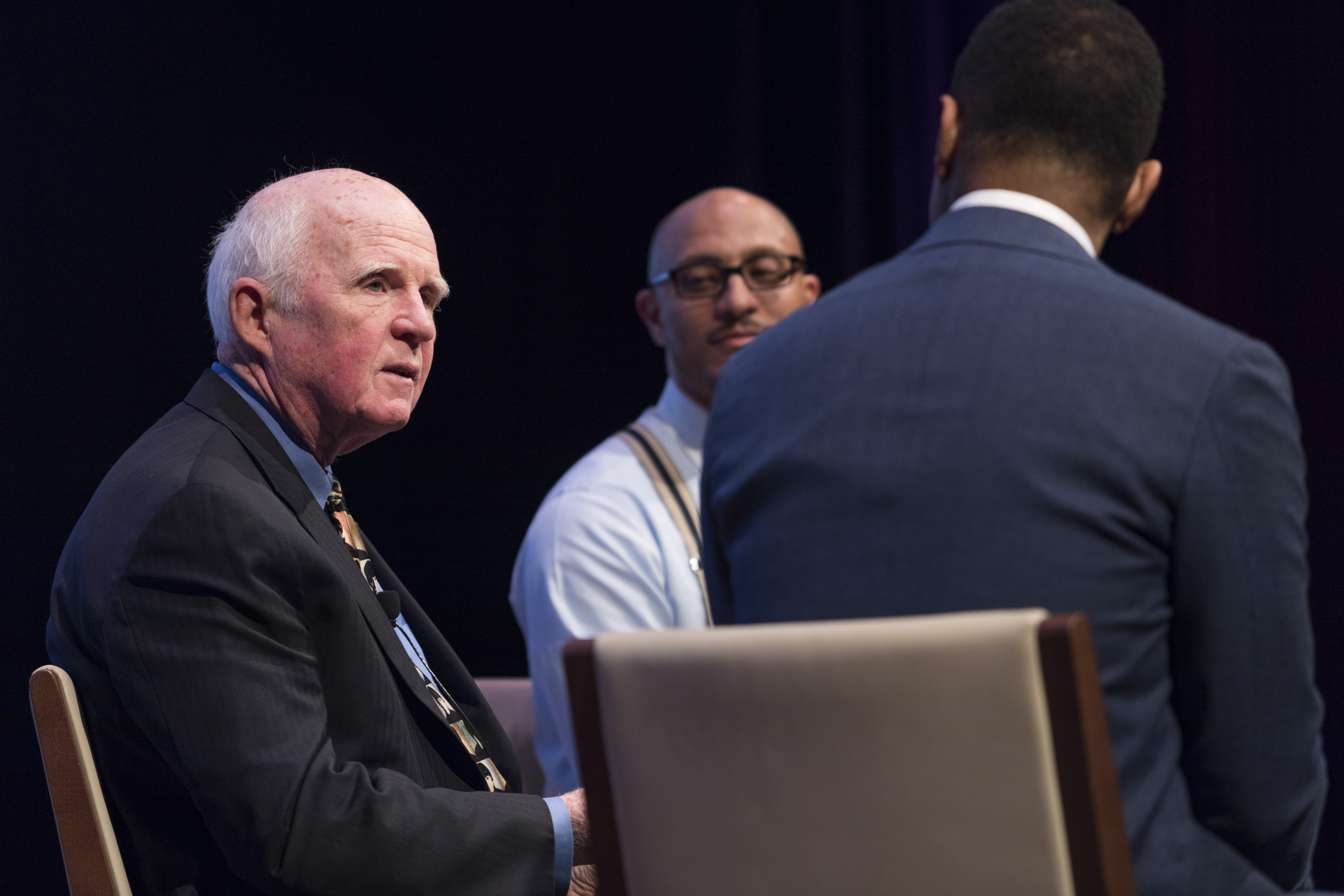
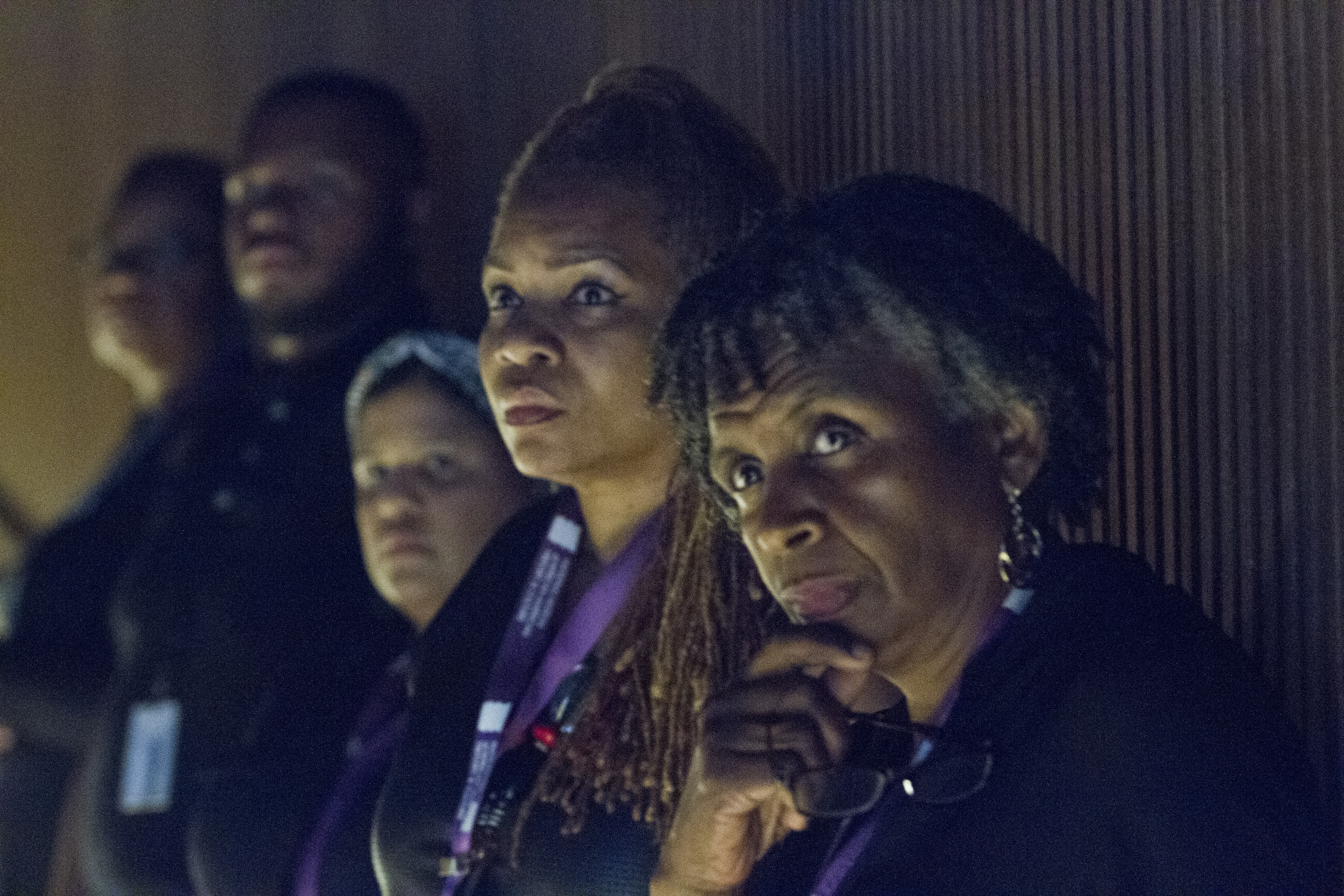
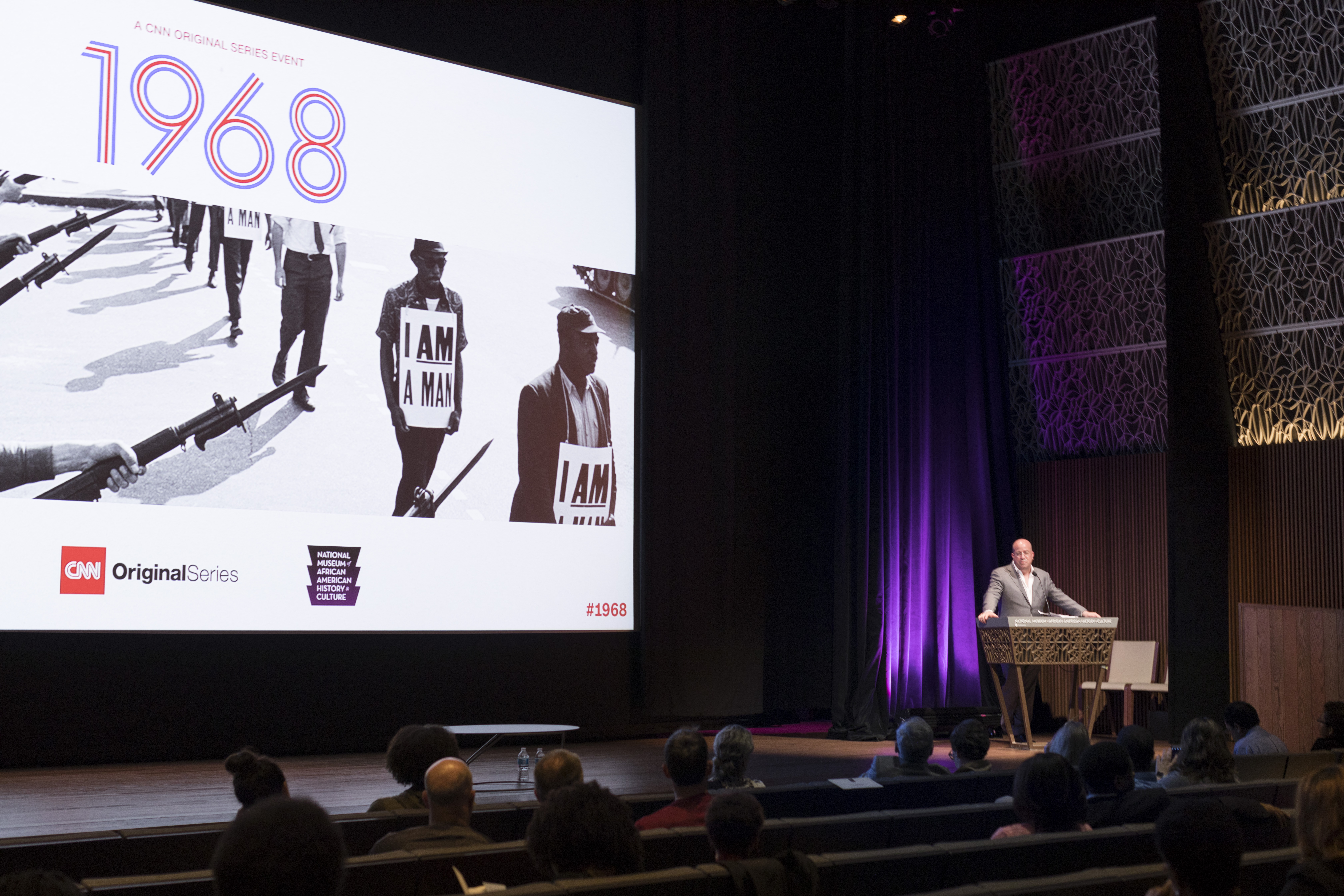
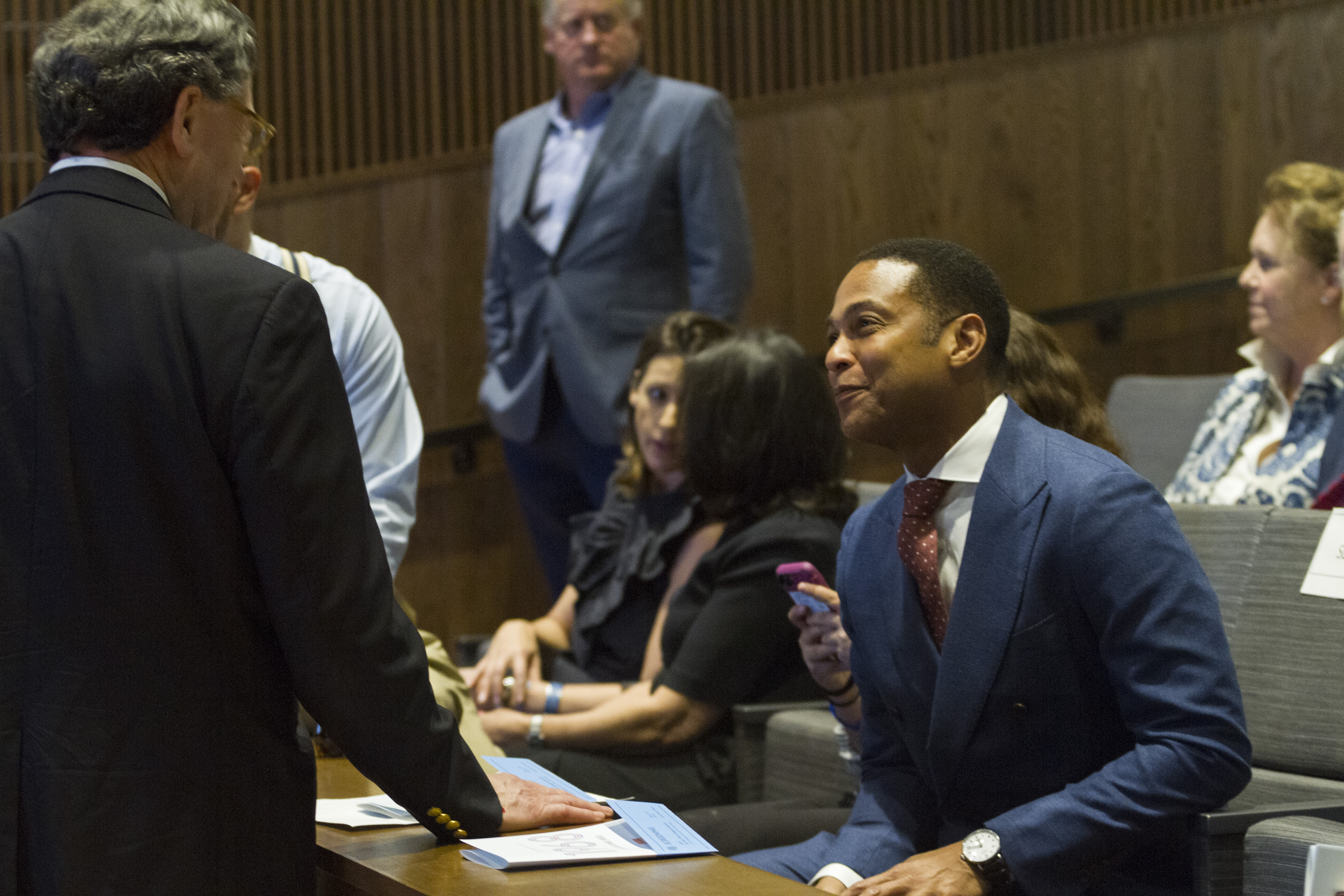
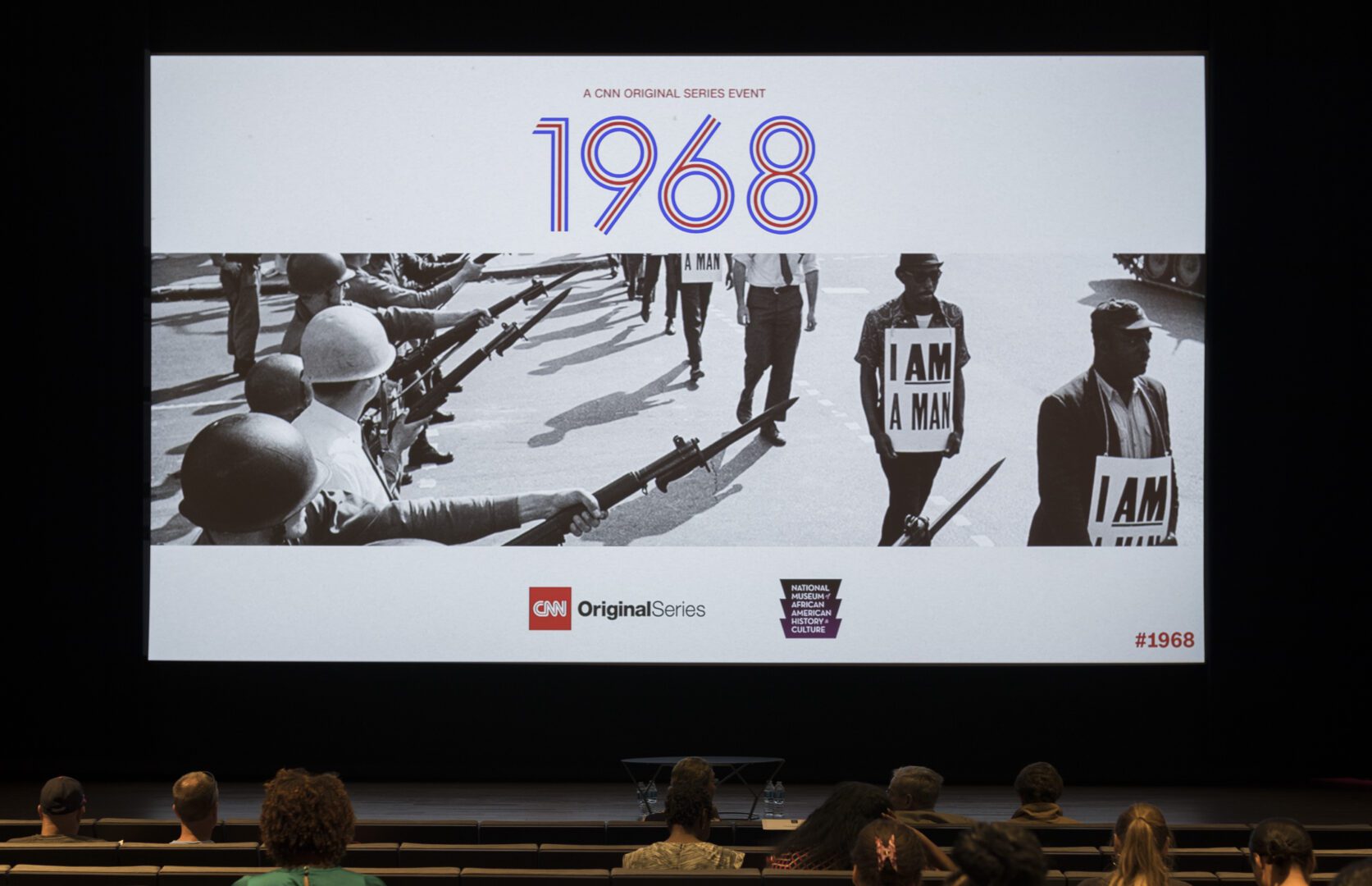
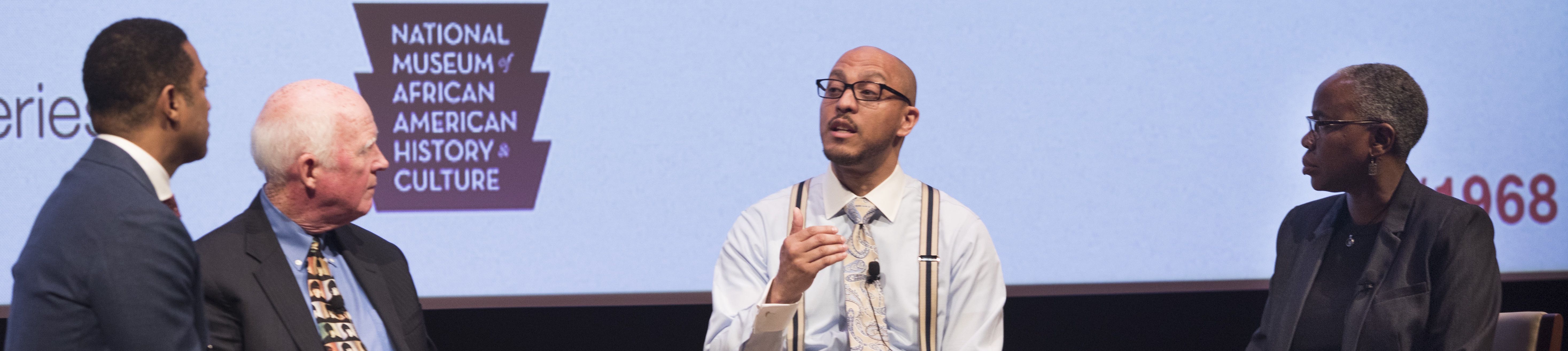
From Emmy Award-winning executive producers Tom Hanks, Gary Goetzman and Mark Herzog comes a CNN Original Series Event, 1968. Using never-before-seen archival footage and contemporary interviews with journalists, historians and notable figures, the series maps the tumultuous events of the entire year, from the assassinations of MLK and RFK to escalating anti-Vietnam War sentiment and civil rights struggles. A post-screening discussion moderated by CNN anchor, Don Lemon included Taylor Branch, Pulitzer Prize-winning author, Hassan Jeffries, Ph.D., professor of history, The Ohio State University, and Renee Graham, Boston Globe took place at the Smithsonian’s African Museum of History and Culture. “1968,” A Four-Part CNN Original Series Event, Debuts Sunday, May 27, at 9 P.M. ET.
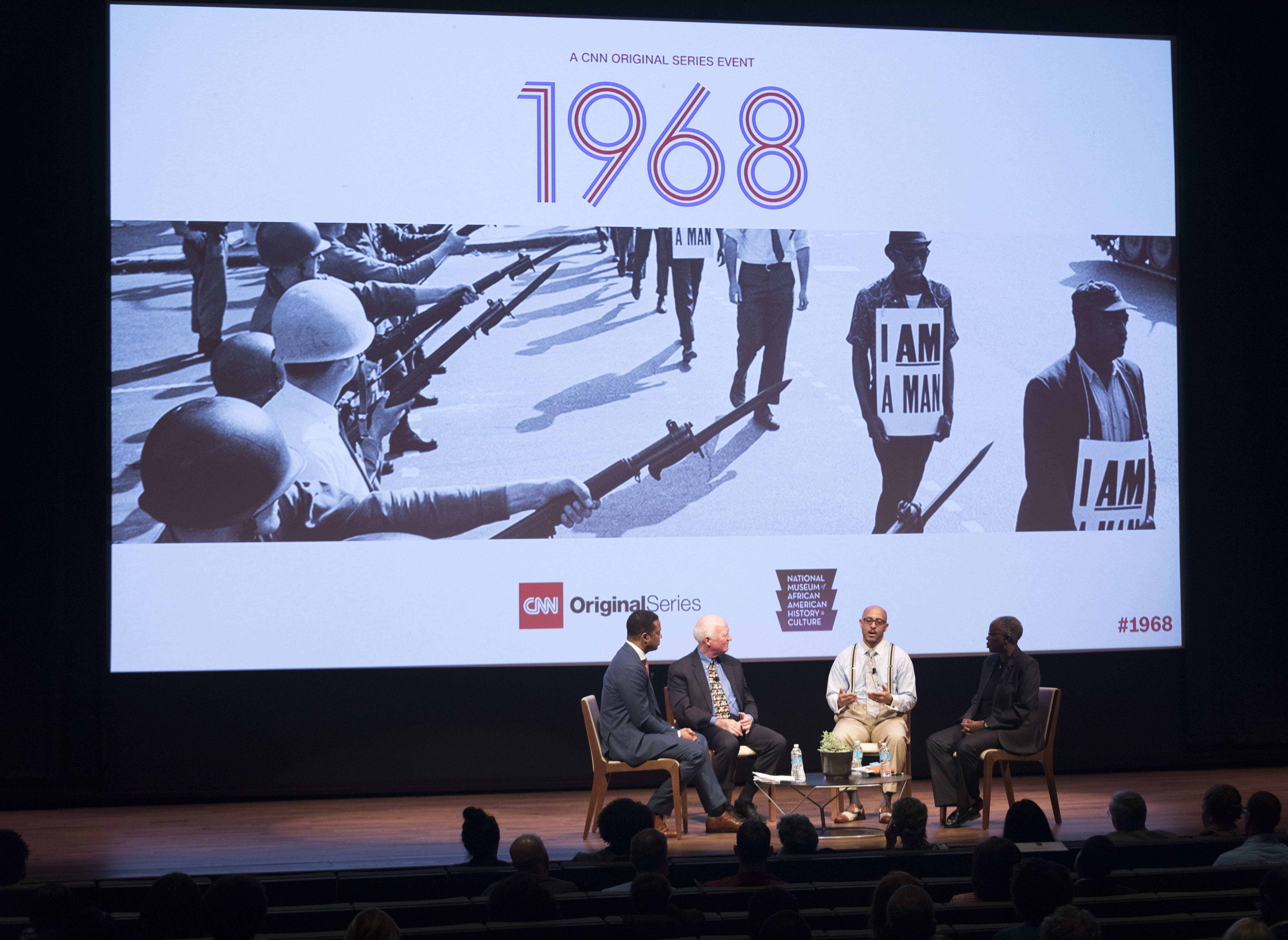
Don Lemon, Taylor Branch, Hassan Jeffries and Renee Graham
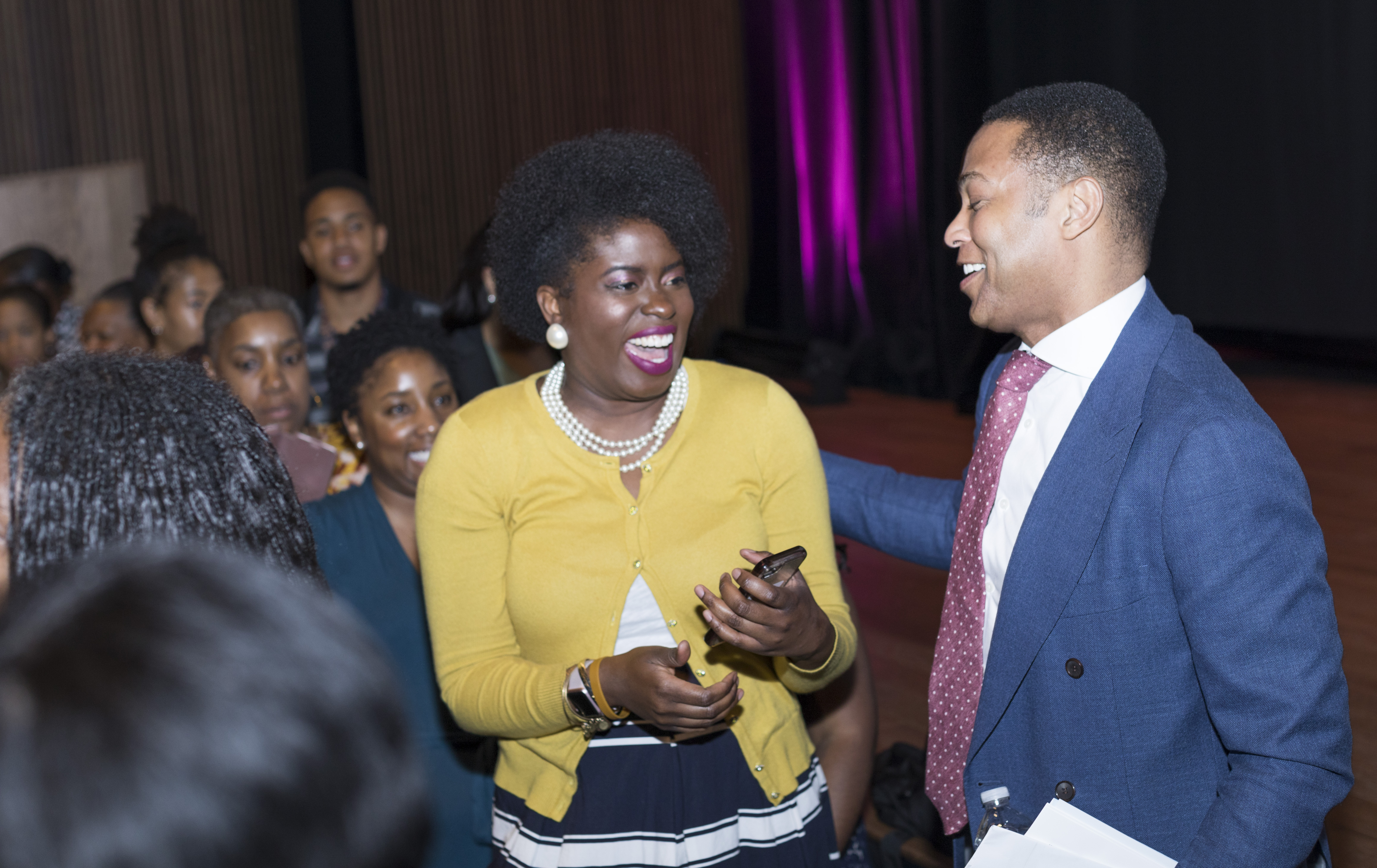
Hollywood on the Potomac sat down with CNN’s Don Lemon who moderated the panel prior to the screening. We were curious as to how these 1968 events were portrayed in school since Lemon was only two at the time. “I went to predominantly black Catholic elementary schools, so they taught us a lot about the ’60s. But I feel like I kind of lived through some of it because the ’70s were different, but not that different. Vietnam was still coming to an end. I had relatives who had gone to Vietnam and had been affected by it. And then we were still dealing with the vestiges of Jim Crow and of the Civil Rights movement and sort of African-Americans coming into their own. So I feel like I did live through a lot of it, although I didn’t live through the tumultuous part of the ’60s, especially 1968. I was two years old, but I kind of don’t feel like I missed it.”
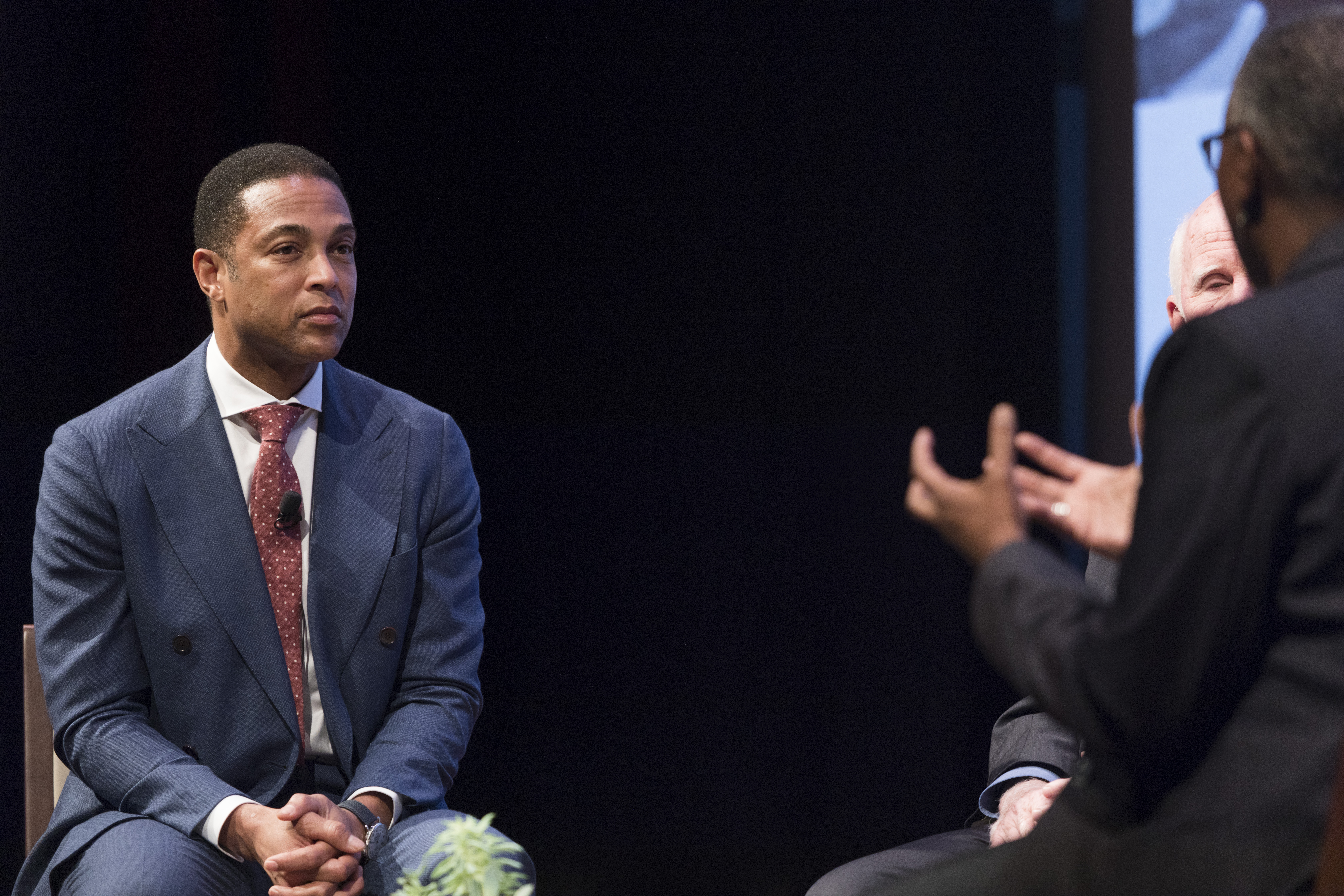
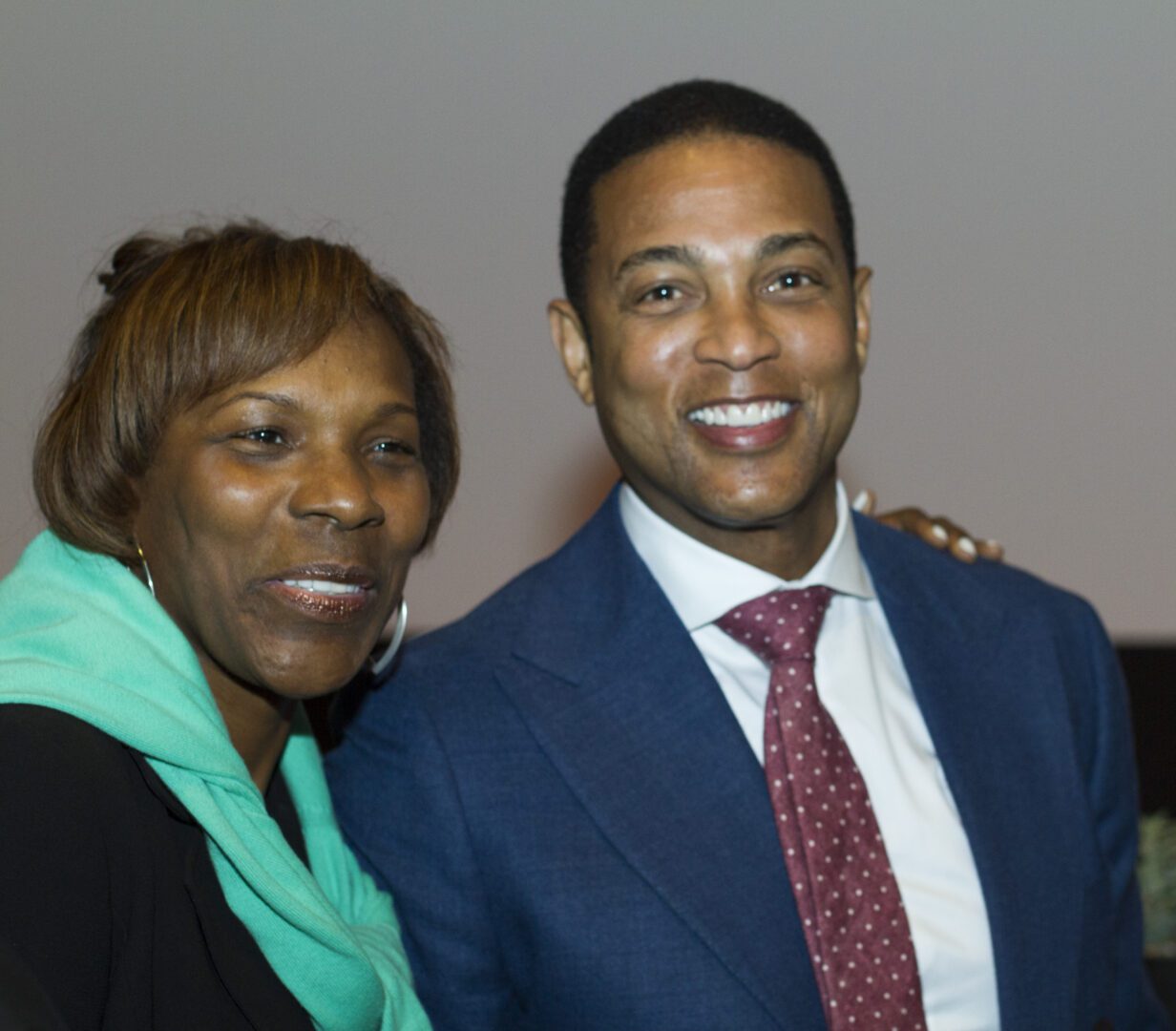
Don Lemon
“I was a kid, but I grew up with Dr. King. The pictures on the mantel, on the dresser, that would be Dr. King,” Lemon remembered. “There would be John F. Kennedy and Jesus. And those were the three pictures that were on the dresser, so even though I wasn’t actually old enough to remember 1968, my family certainly made sure that they filled me in on it. I didn’t learn as much in high school. I learned more in elementary and junior high school, because I went to a predominantly black school. Then I went to a school that was predominantly white and they just, they didn’t teach it. We did civics, trigonometry, and all that. But we didn’t learn a lot about black history.”
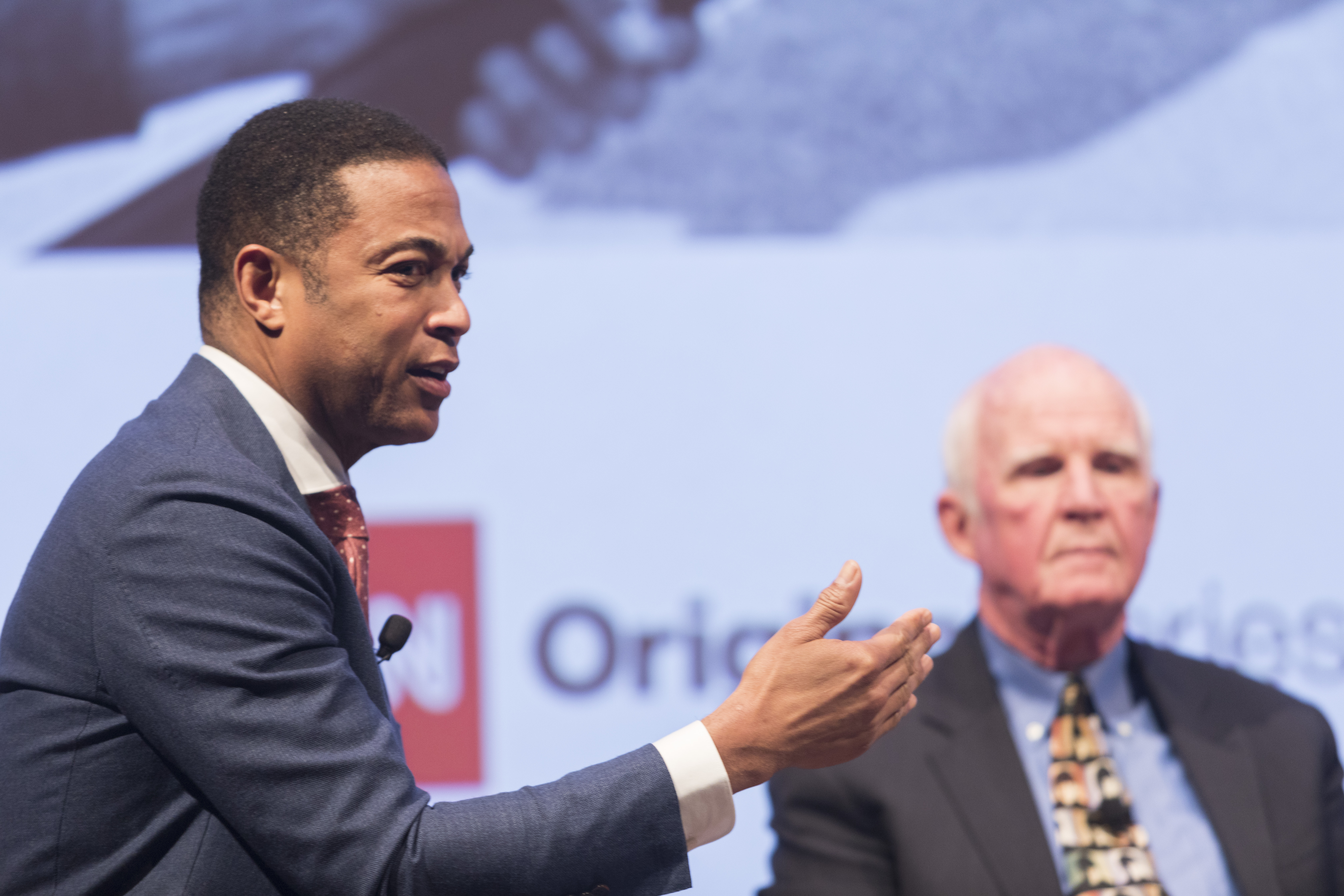
Don Lemon and Taylor Branch
“I think we’re in this new revolution,” he surmised. “I think we’re at the start of a revolution, especially when you look at Black Lives Matter and you look at the kids, the young people who are taking to the streets, especially the kids from Parkland, and with gun violence and with the walk-outs from schools all over the country. I think kids are now coming into their own. I think for a while people were silent and maybe they were asleep for a long stretch of time at least when it comes to the issue for, I would say, civil rights, when it comes to people of color. But in recent history, we’ve had people protesting for gay rights, for LGBT rights taking to the streets – taking to the streets certainly during the Reagan [administration] – when they felt they weren’t doing enough about HIV and AIDS, people acted up onto the streets. You have different periods of time where people stand up and say, ‘Enough is enough,’ and I think that we’re in the middle of a revolution now. It’s the beginning, I should say; not in the middle, but this is the beginning of a revolution.”
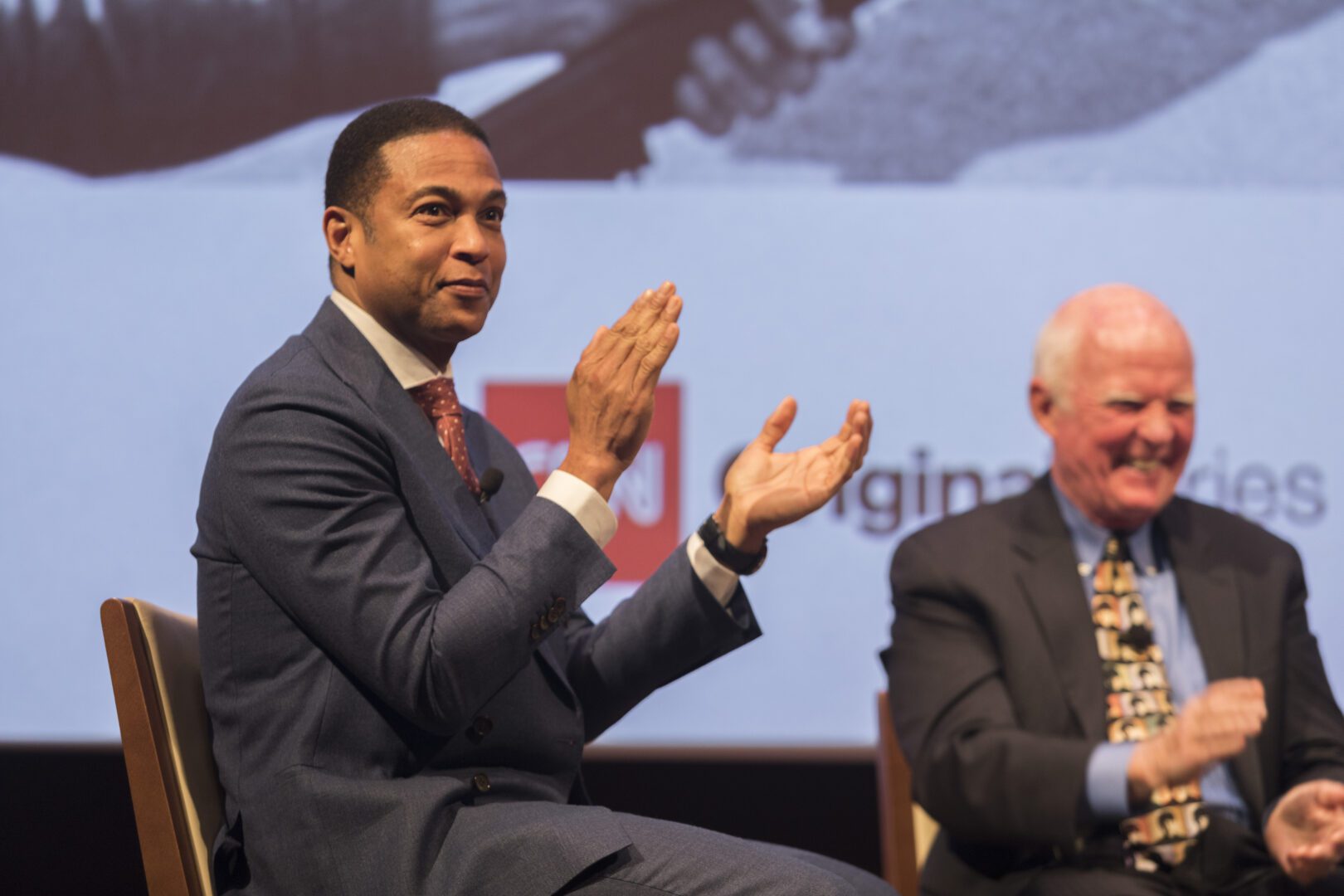
Don Lemon and Taylor Branch
“I think that people are finally getting that silence and prayers and thoughts, I mean, that’s great, but I think that action is more important. And I think that we’re gonna see that in November. We’re gonna see a lot of these young people go to the poles and vote. I think we’re gonna see a lot of frustrated people who are concerned about women’s rights being eroded, about people of color, about undeserved communities’ rights being eroded. I think they’re going to show their protest and take their protest to the ballot box. It feels a little bit like the ’80s, doesn’t it?” he asked.
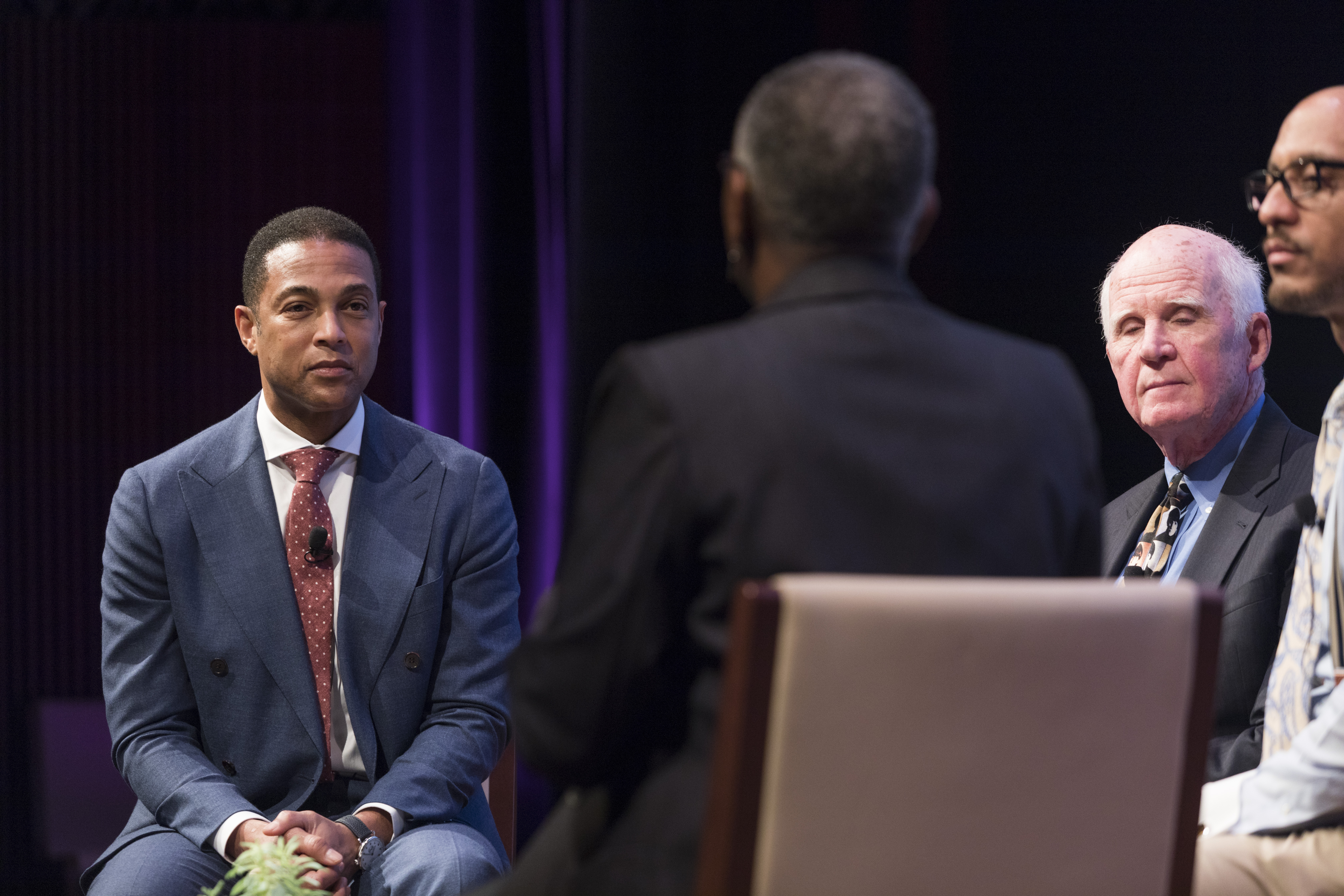
Lemon has a diverse following on CNN Tonight. “Every night my audience is diverse and I think I have the youngest audience per … I don’t know if you’d say per capita … but the youngest audience per ratings than anyone on the air. I like that I have older people. I mean, your audience skews a little bit older, but when it comes to younger folks, I think I have more younger people tuning in to me than any of the anchors, and I think Anderson [Cooper] and I are pretty close to that. We’re both pretty young and pretty vibrant, and I think young people want to tune in and see what we have to say. And that’s very exciting in these times.”
We also asked him what his audience liked best about his show. “I think they like my honesty. I think they like that I don’t present myself as being perfect, that I have interesting conversations where everyone speaks, and then if you spew out some bull, I’m gonna shut you down and feed you some truth. I think that’s what people like and the authenticity.”
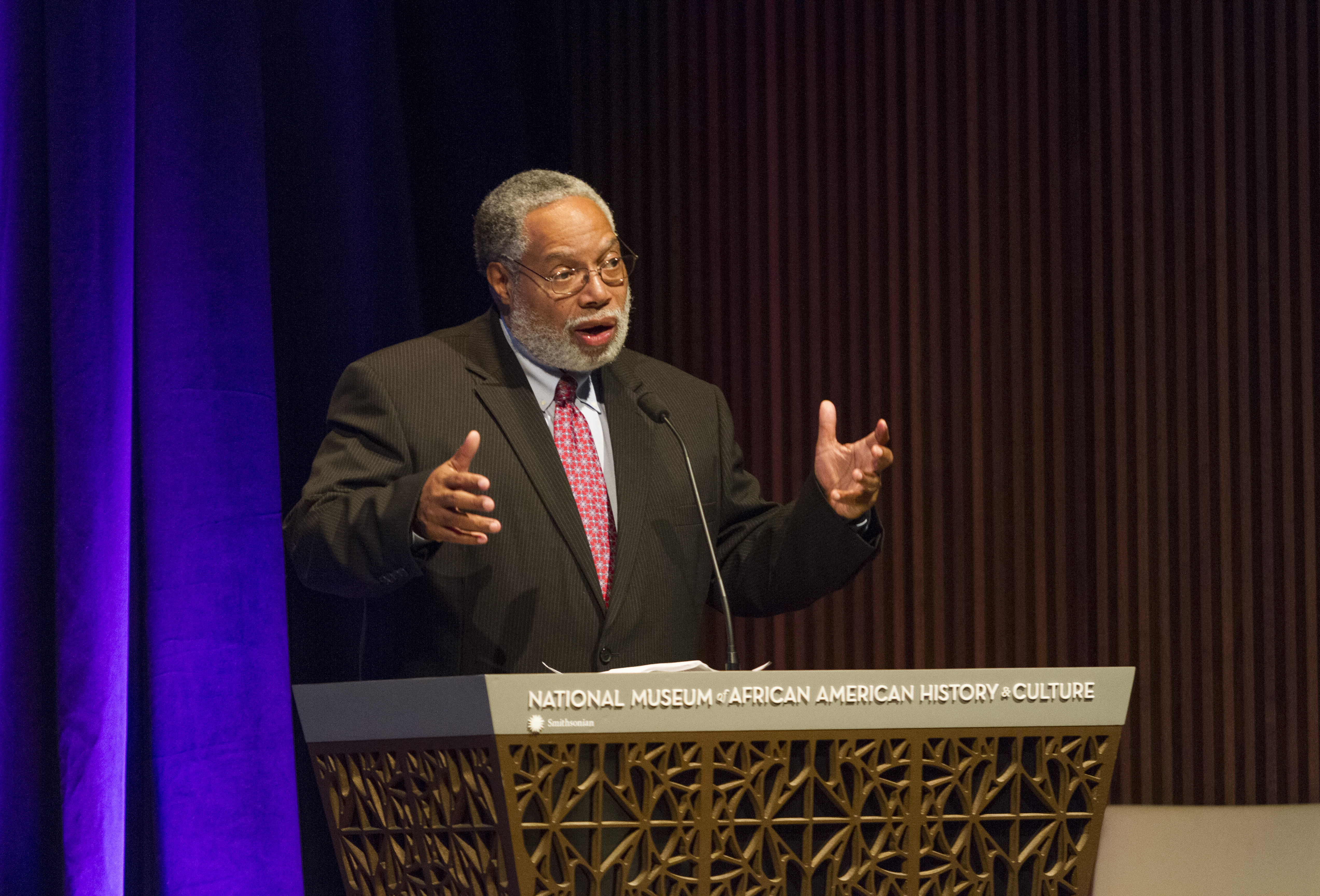
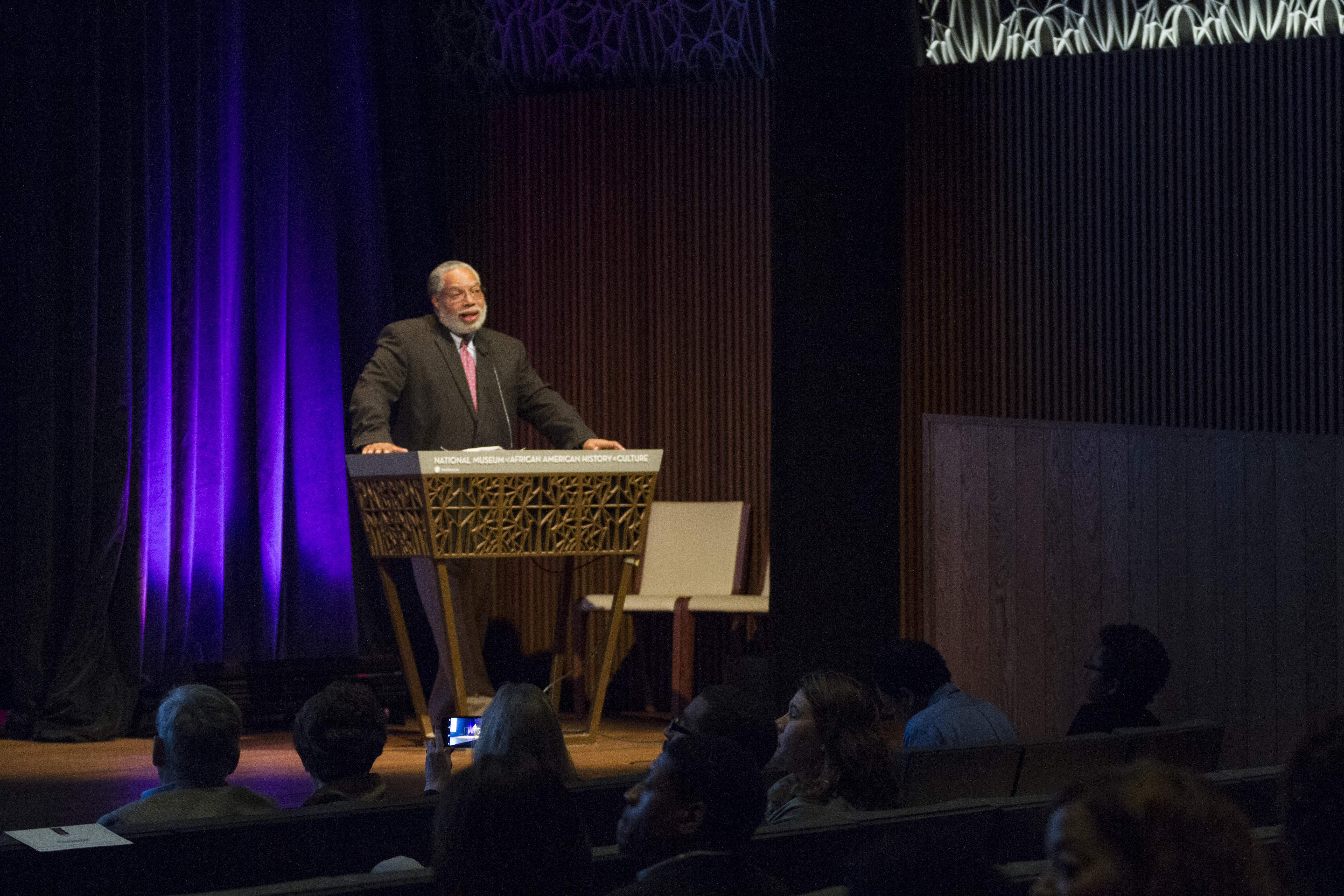
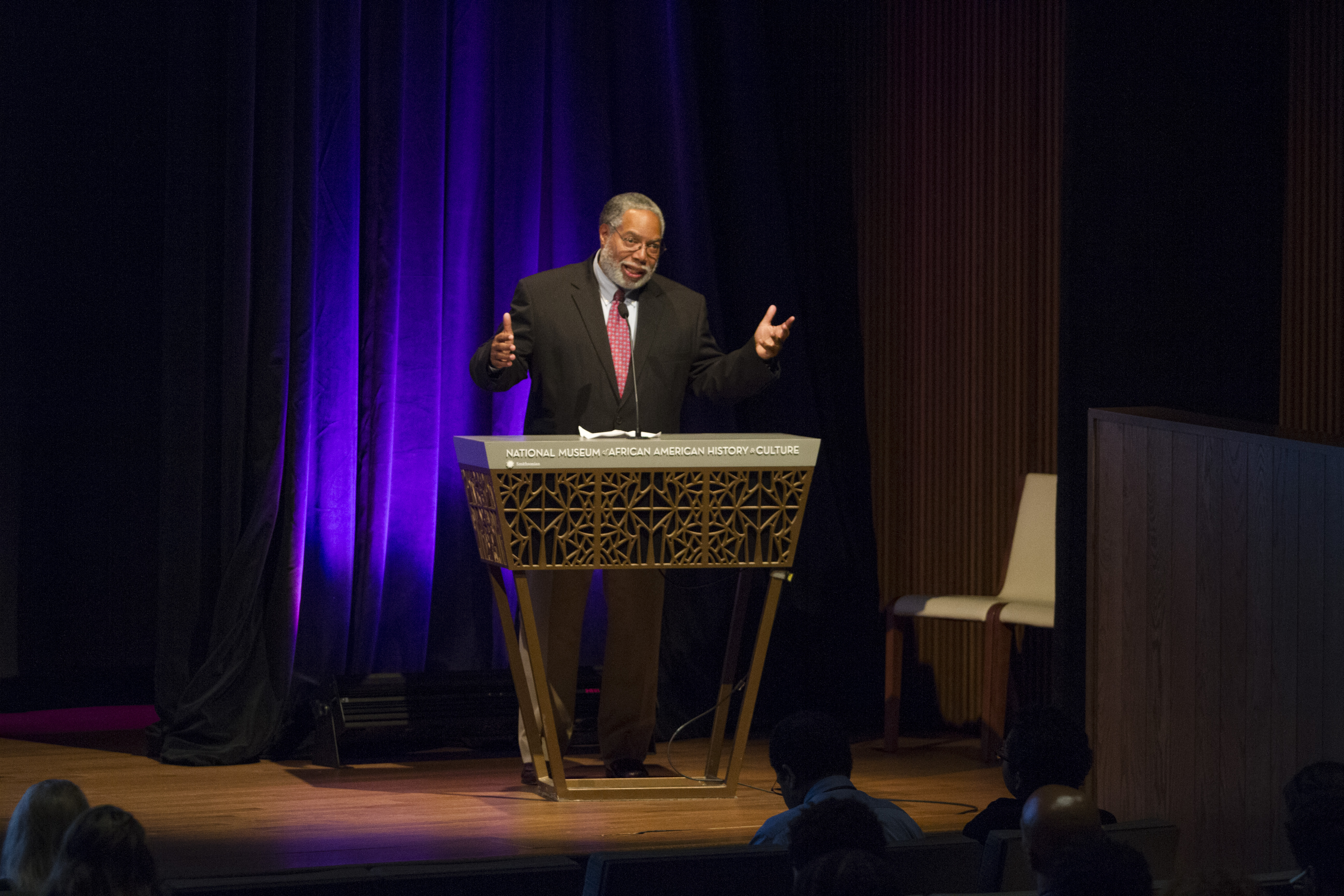
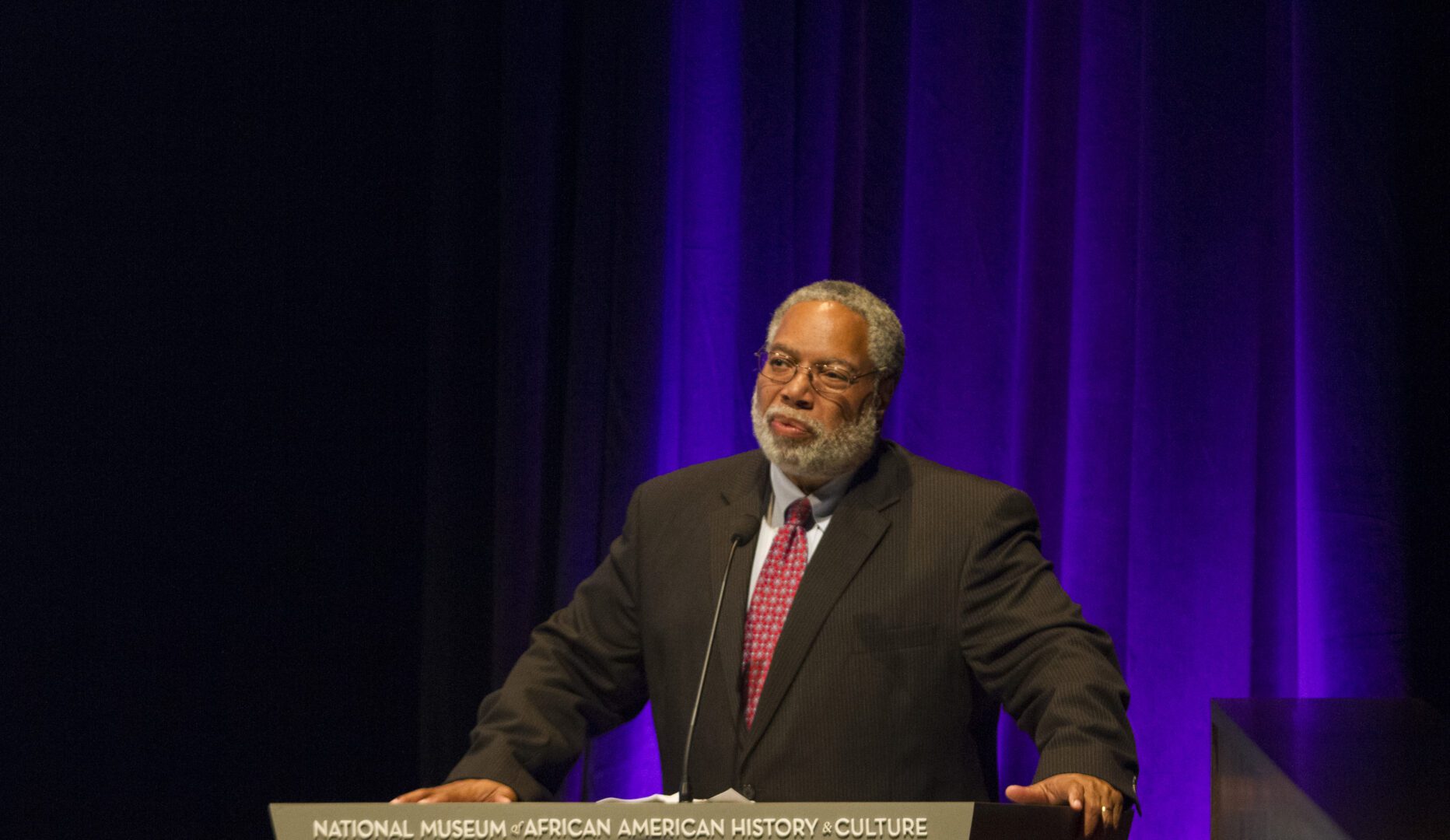
Lonnie Bunch
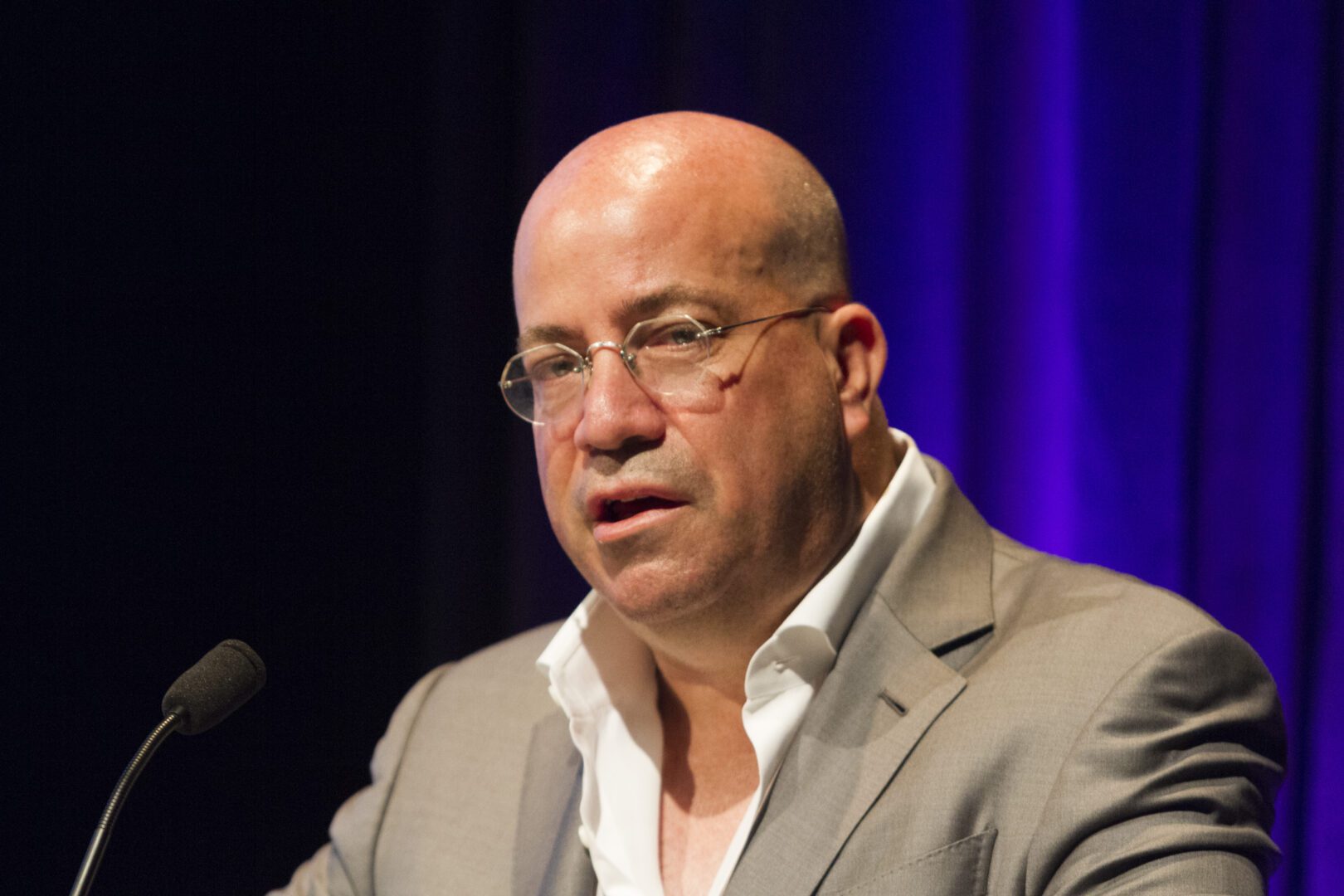
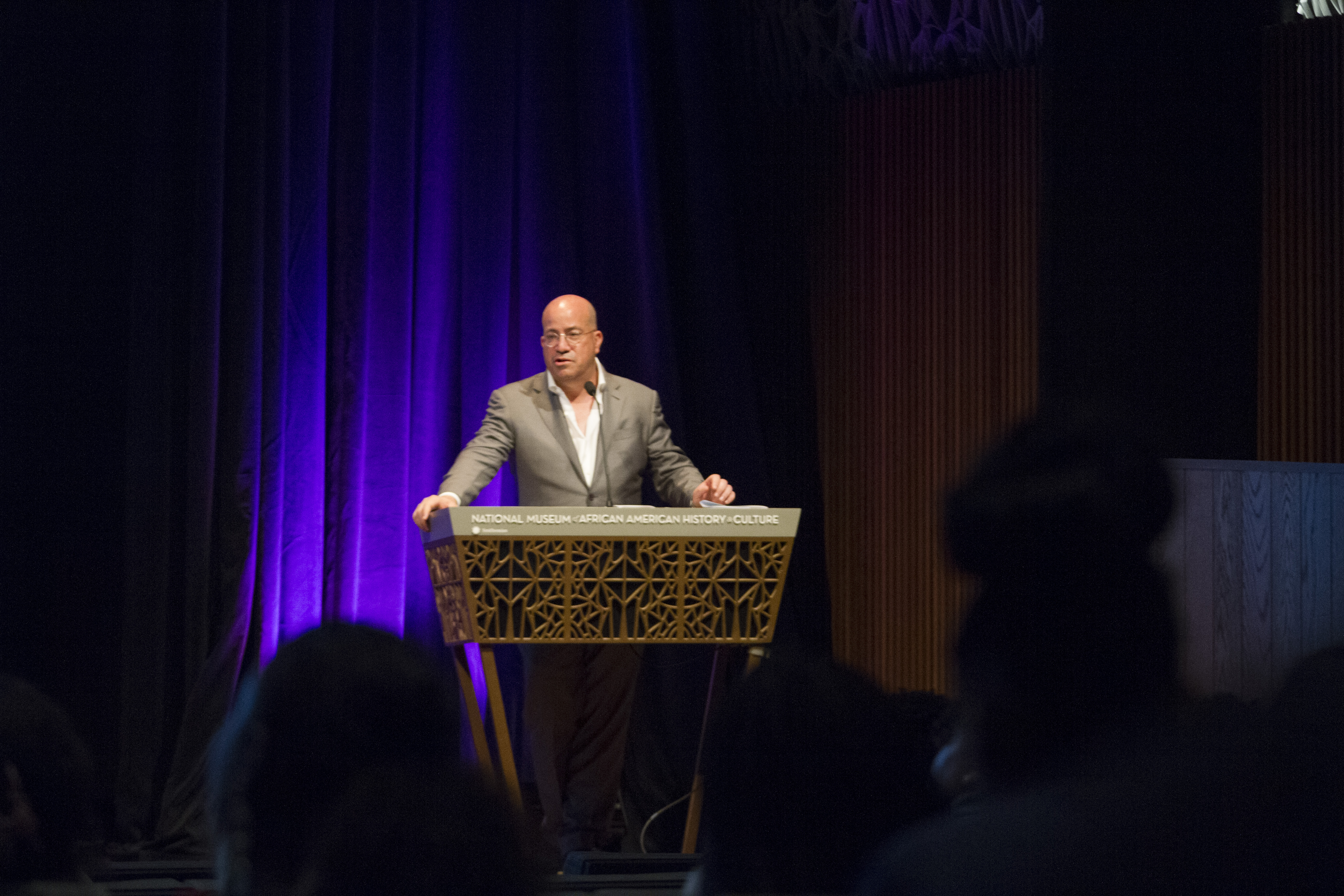
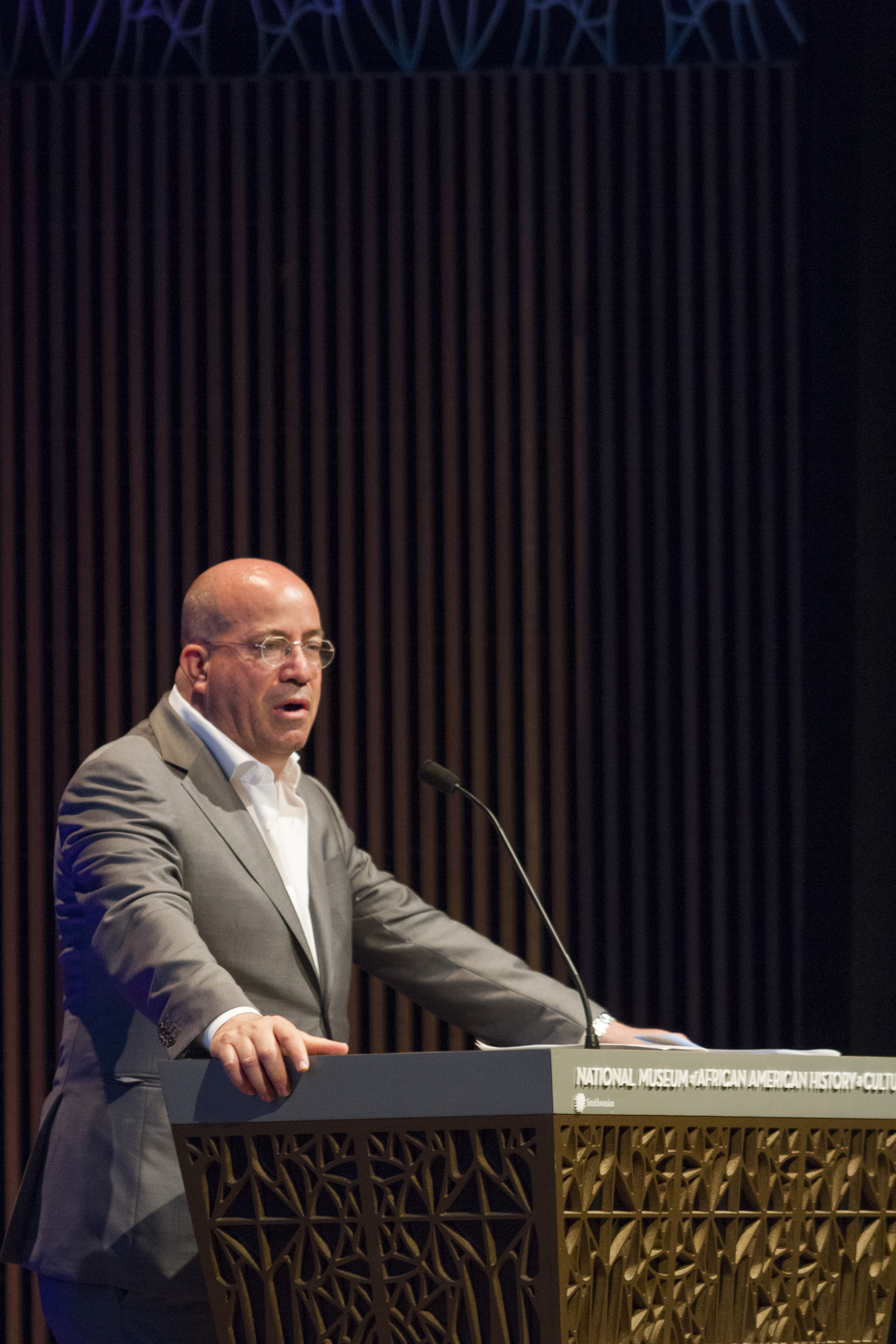
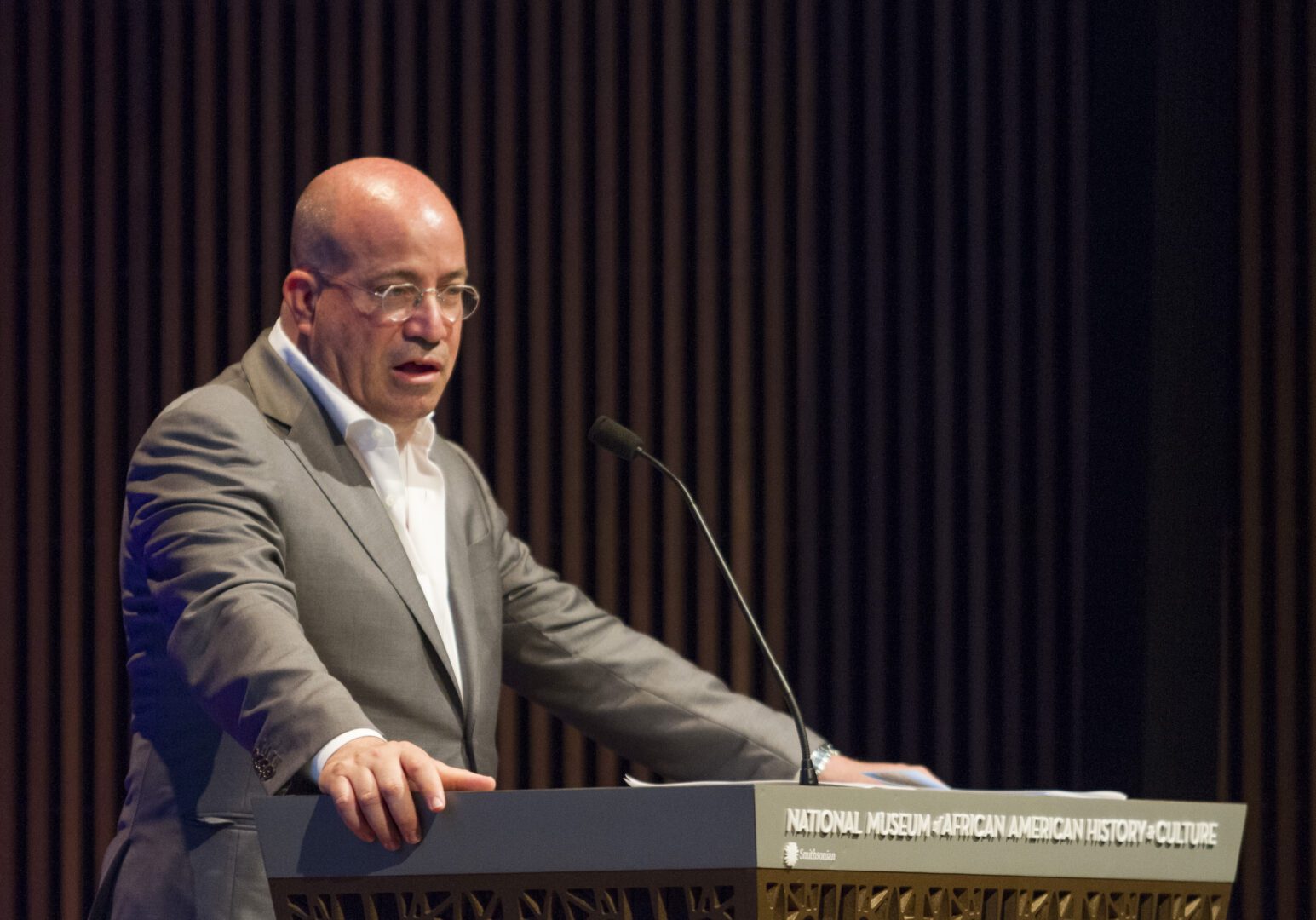
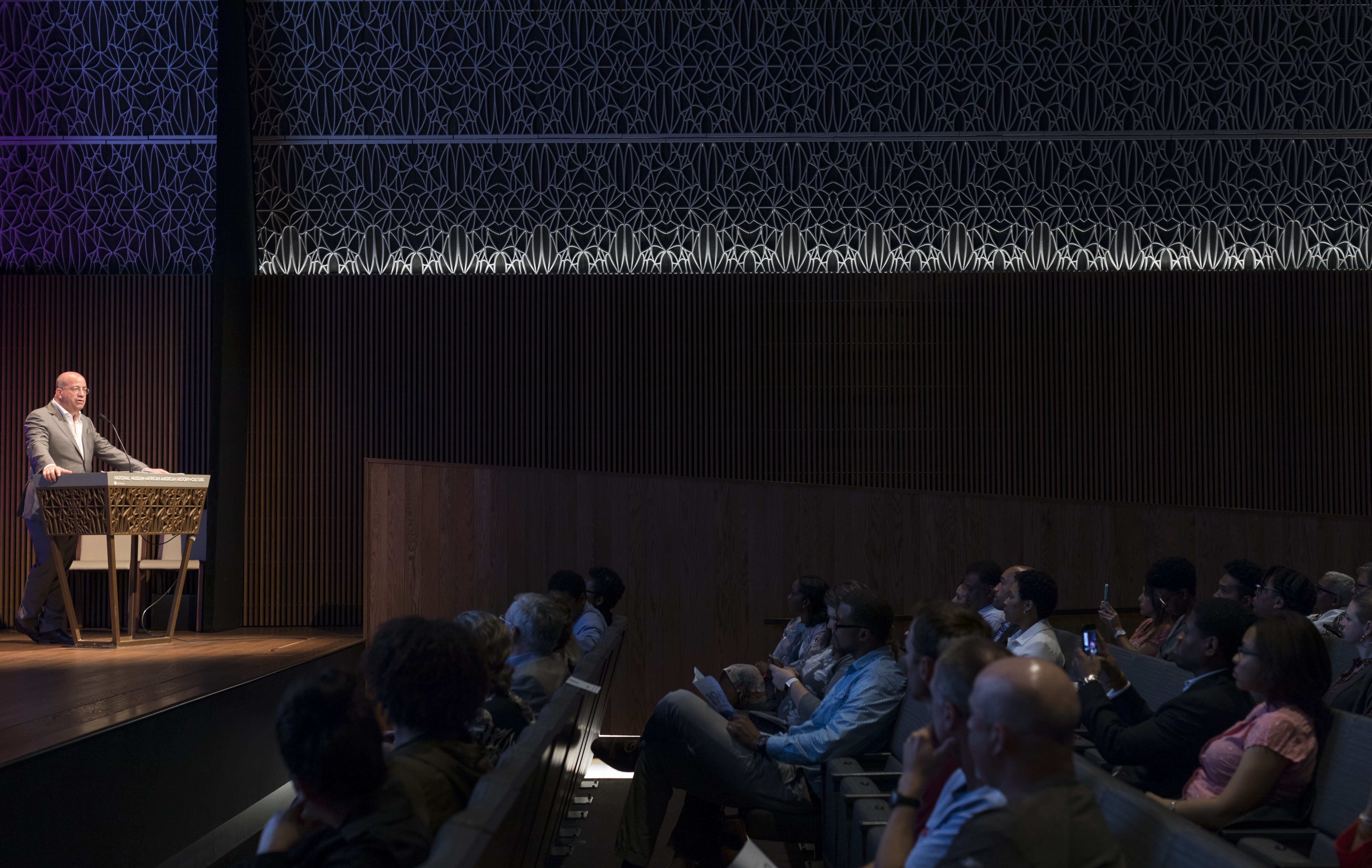
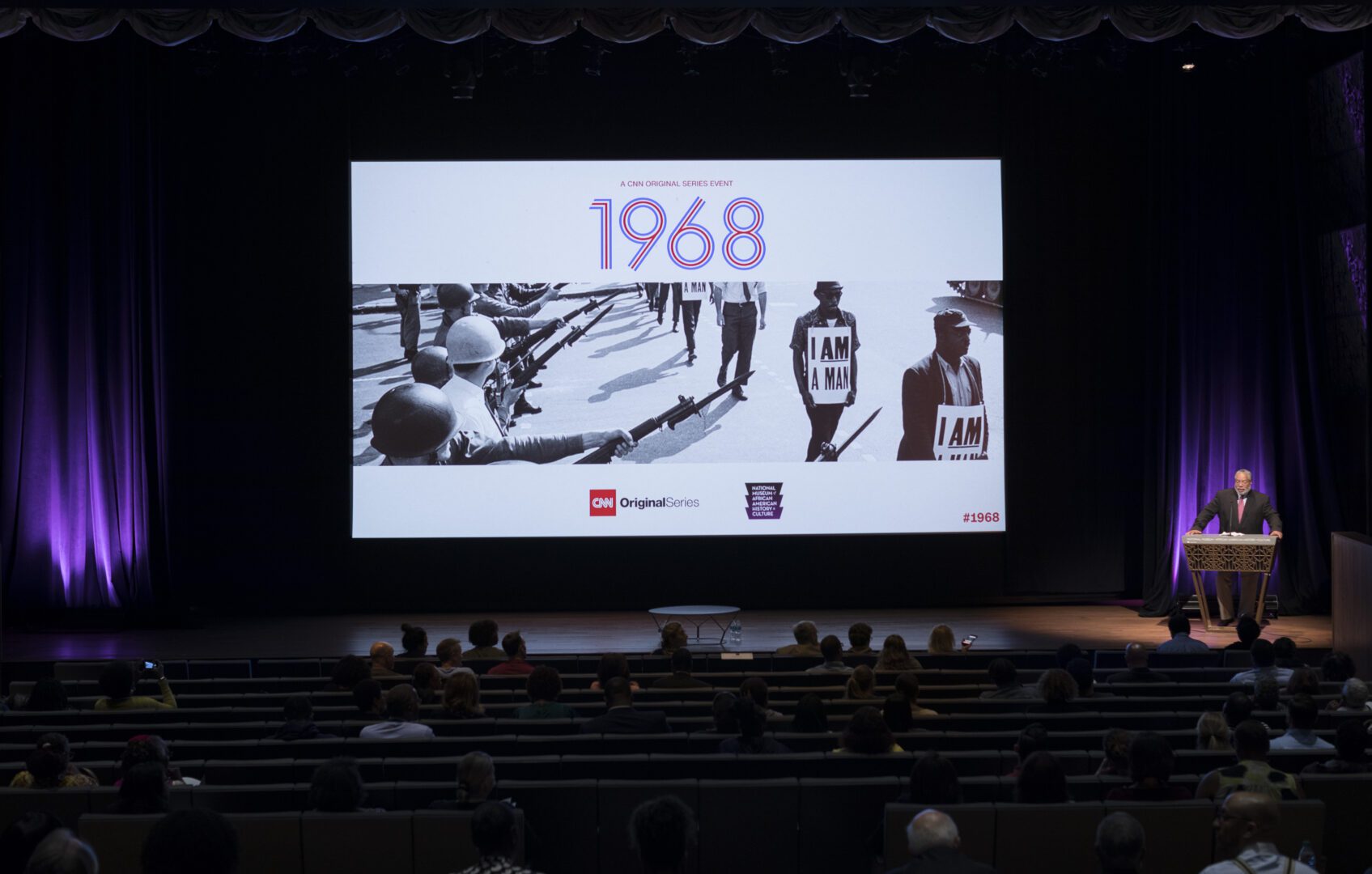
Lonnie Bunch, Director of the National Museum of African American History and Culture, and Jeff Zucker, President of CNN Worldwide introduced the series. “This is an important screening,” said Bunch. “Those of us that lived through 1968 remember the story of King and Kennedy. It’s also the story of the Tet Offensive, and the story of the Democratic Convention in Chicago, and unrest on campuses. In some ways, 1968 was the year that so much of the anguish of the 1960s exploded. It’s also the year that laid the foundation for so many issues that we continue to grapple with. It is one of the most important years in American history.”
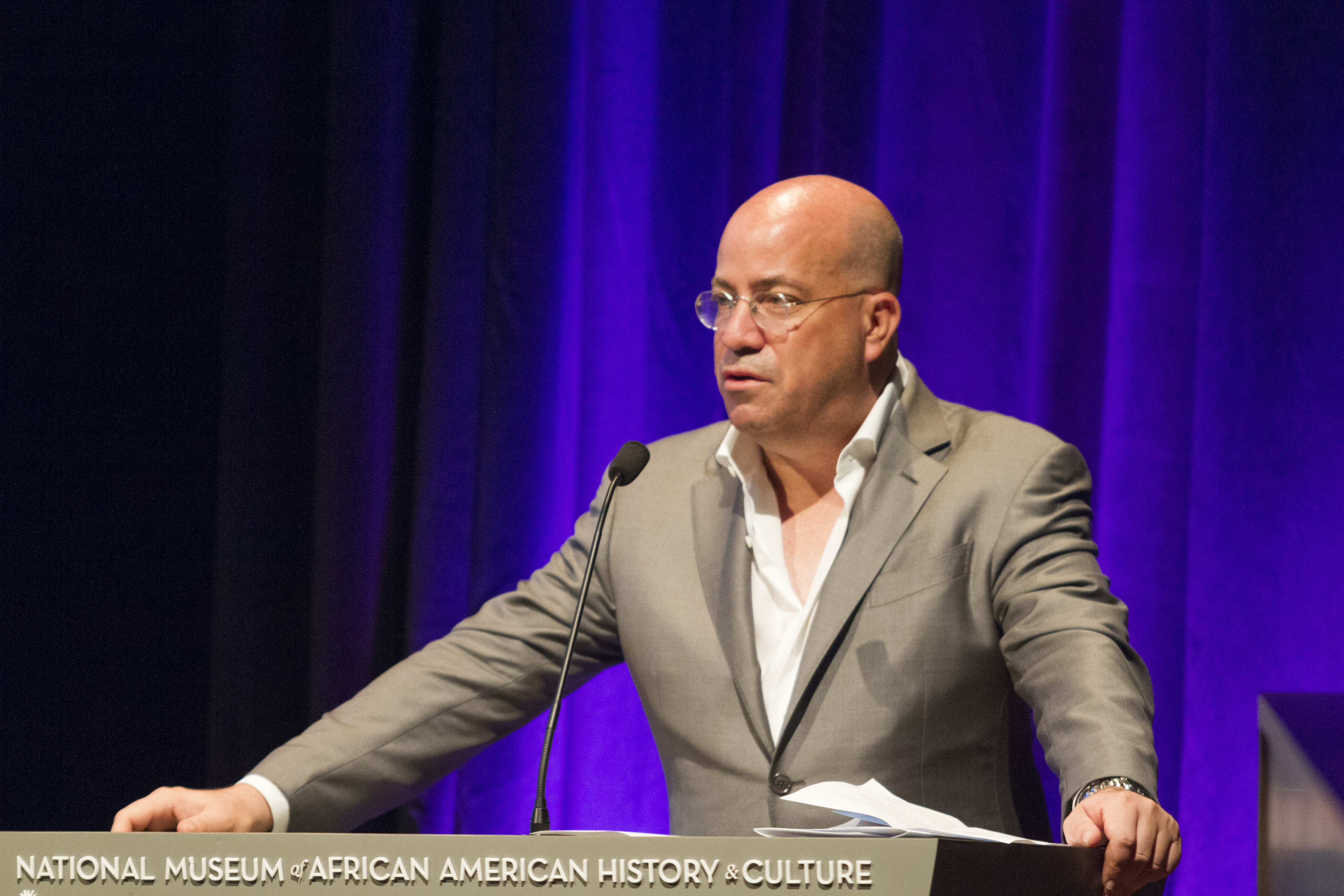
Jeff Zucker
“The power of the stories that are told here, the images that we see, and the history that’s so uniquely stored here is all so important,” said Zucker. “Our objective is actually pretty simple – it’s to tell good stories. These stories are often connected to history in some way: time, a place, or cultural touchstone – and that’s what brings us to 1968. We go back to 1968, 50 years, to a year marked by seismic shifts in American politics, social movements, global relations, and cultural icons that changed the modern landscape. This series [explores] the cultural events of the entire year in chronological order, broken down by season: winter, spring, summer, and fall. Tonight we will be screening the spring episode, which is for the assassination of Martin Luther King, the Columbia University protests during the height of the Vietnam War, and Senator Eugene McCarthy’s battle for the Democratic nomination.”
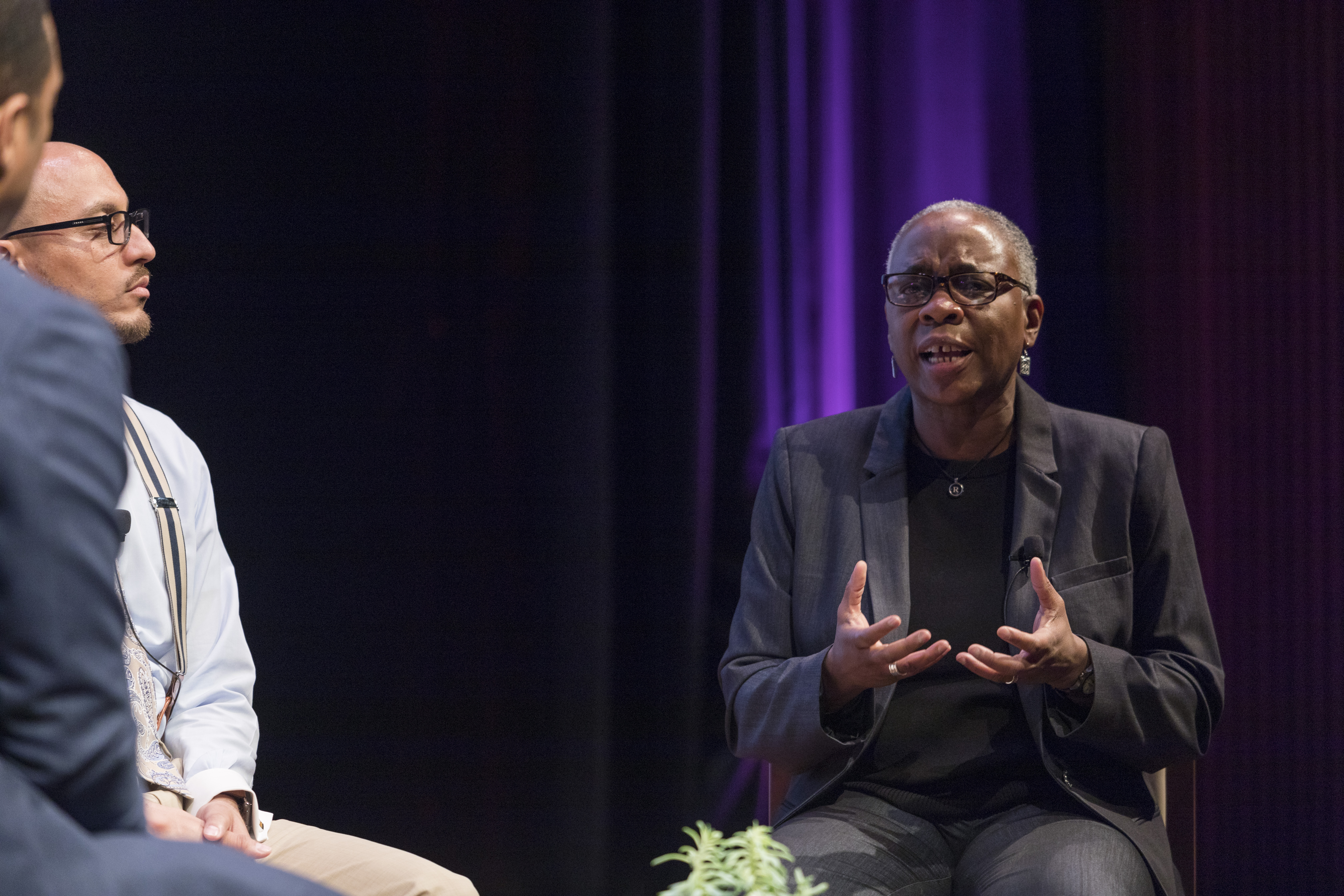
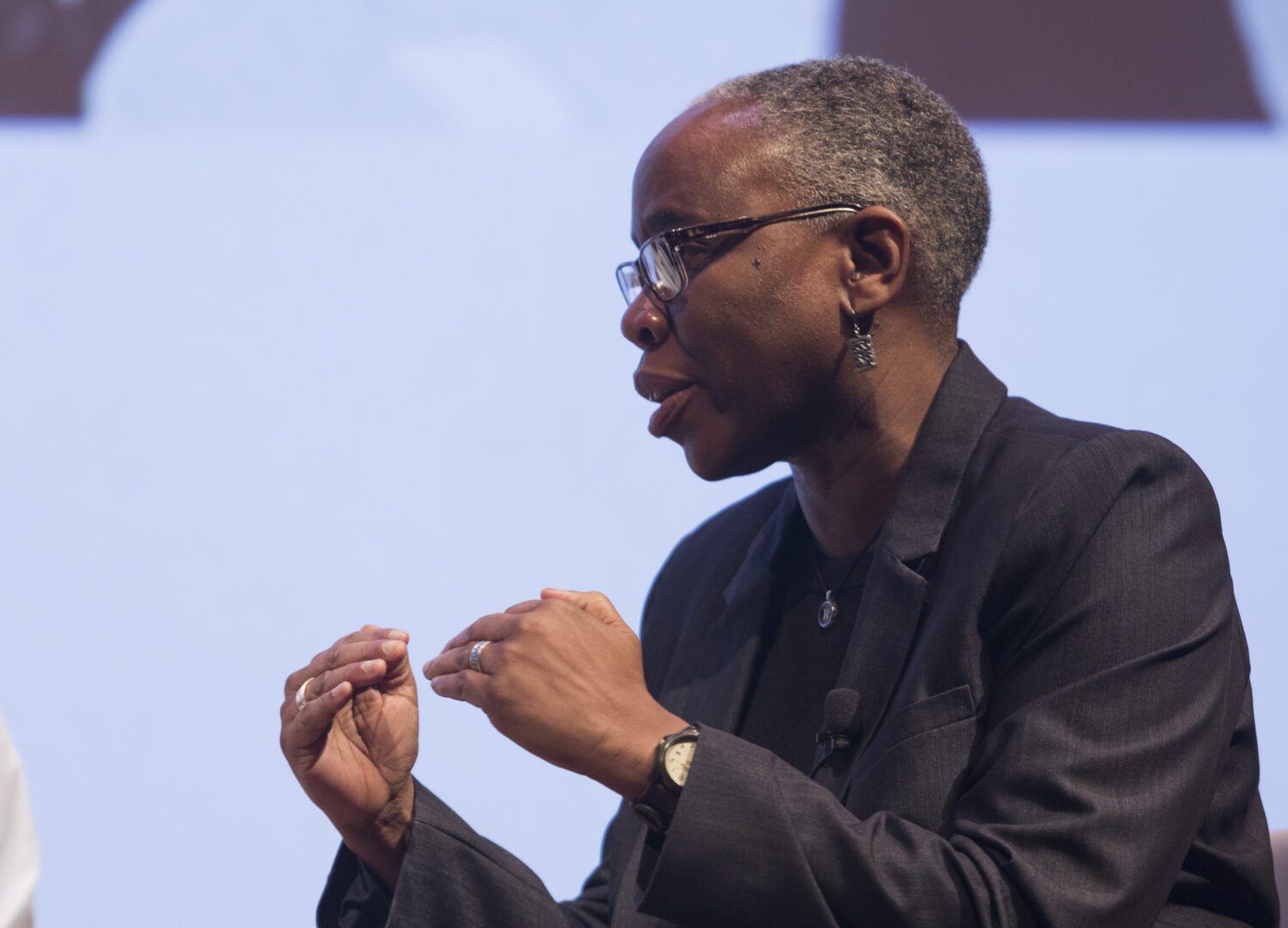
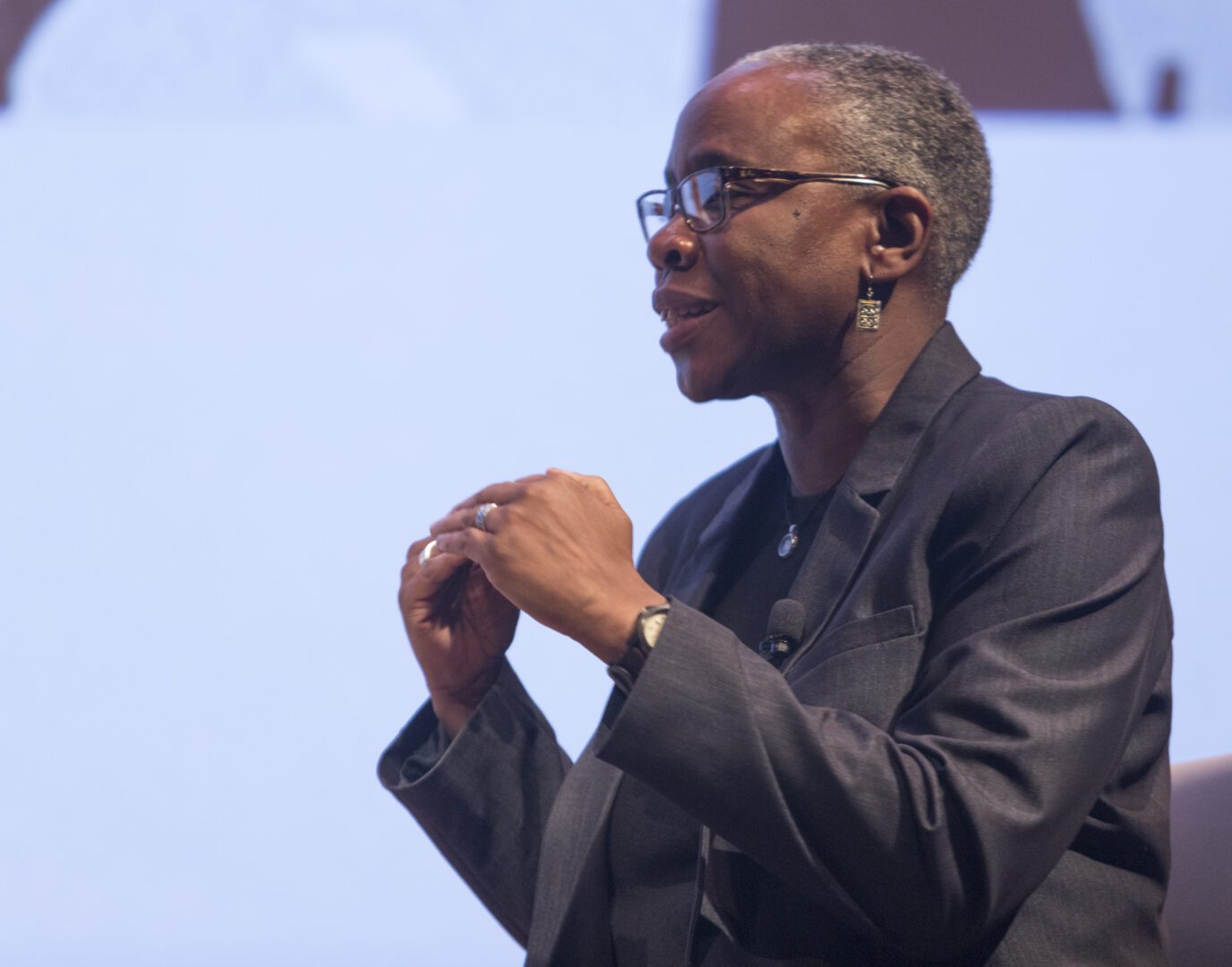
Renee Graham
“You know, it brought back a lot of memories,” said Renee at the panel that followed. “I was five years old in 1968, but it was the year that the world kind of peered from the conscience. Seeing a lot of those things is what brought back those moments and how it affected my family, how it affected me, and also a broad sense of the world’s going to collapse in on itself.” The Q and A covered everything from how it is also very relevant for today to Black Lives Matter, Occupy Wall Street, the #MeToo movement. “I think people fight for their arms,” she added. “That’s what people would do in the 1960s, people would not want to be sent to fight in a war they don’t believe. That’s what people in the 1990s, when they were dying of AIDS, and the government was doing nothing, that’s what Black Lives Matter is doing, that’s what the #MeToo movement is doing. Nothing galvanizes people like a fight for their own arms. So you’re always going to have that kind of resistance in a sense that government’s not working in the best interests, but doing something that would endanger your life.”
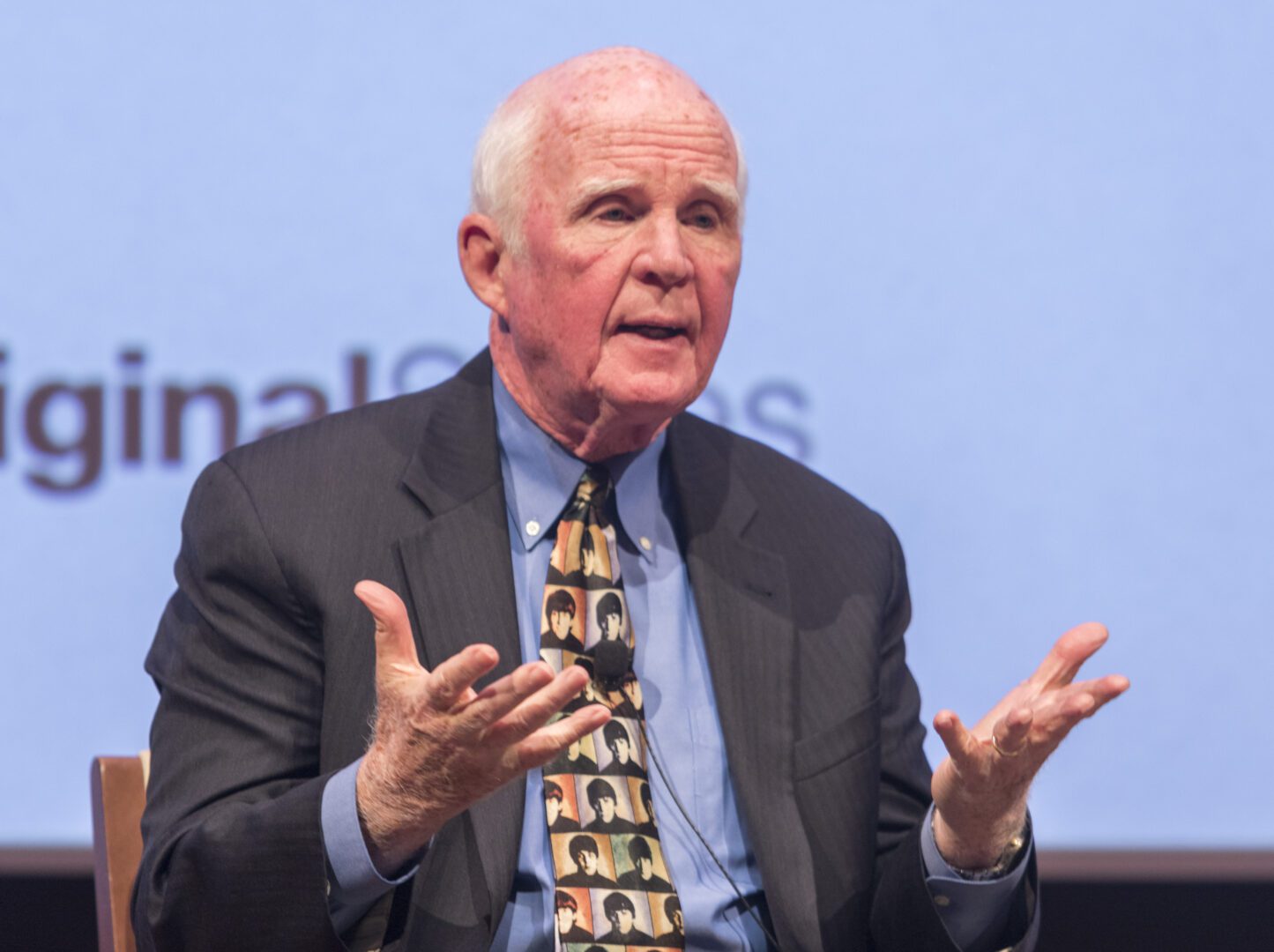
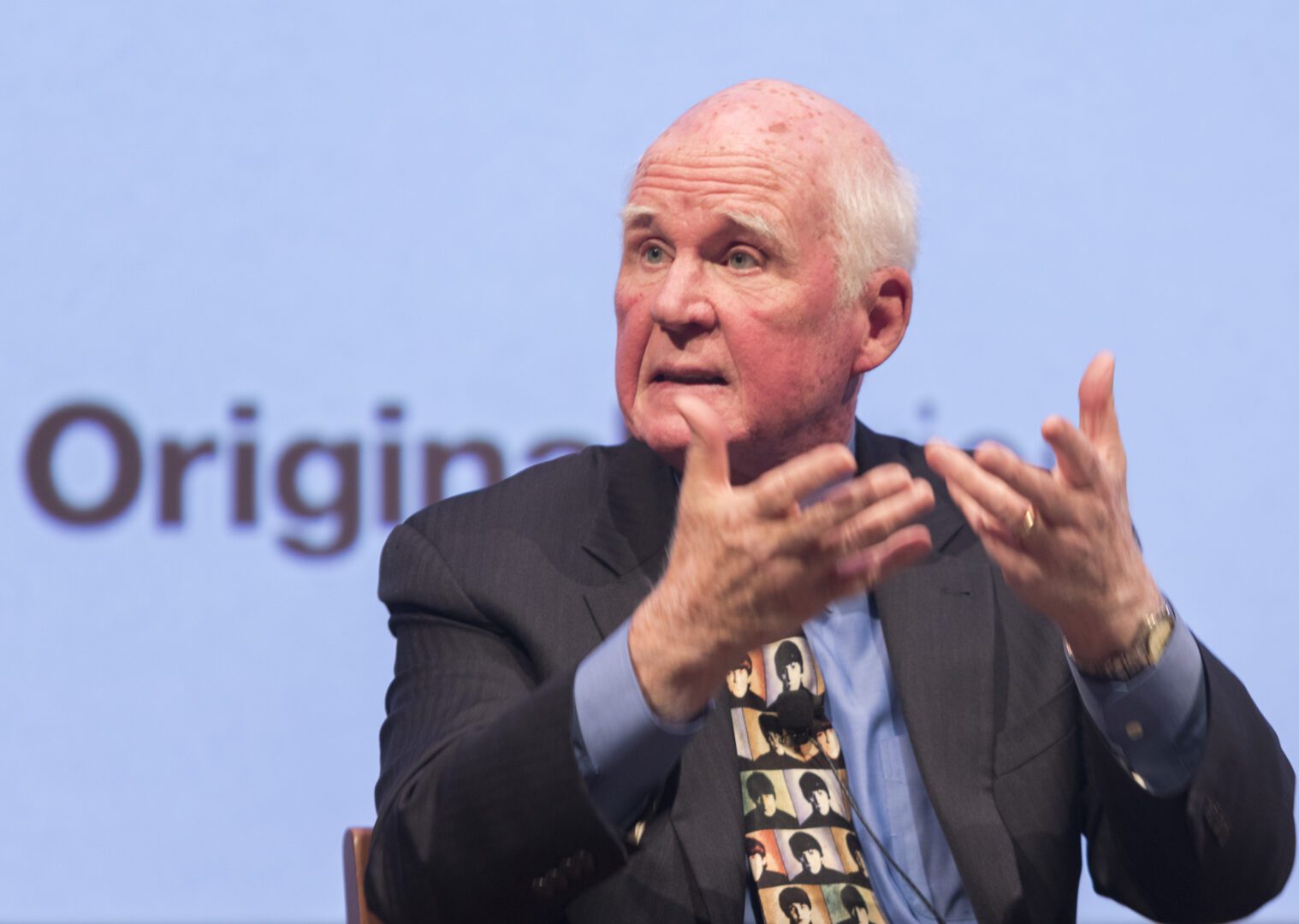
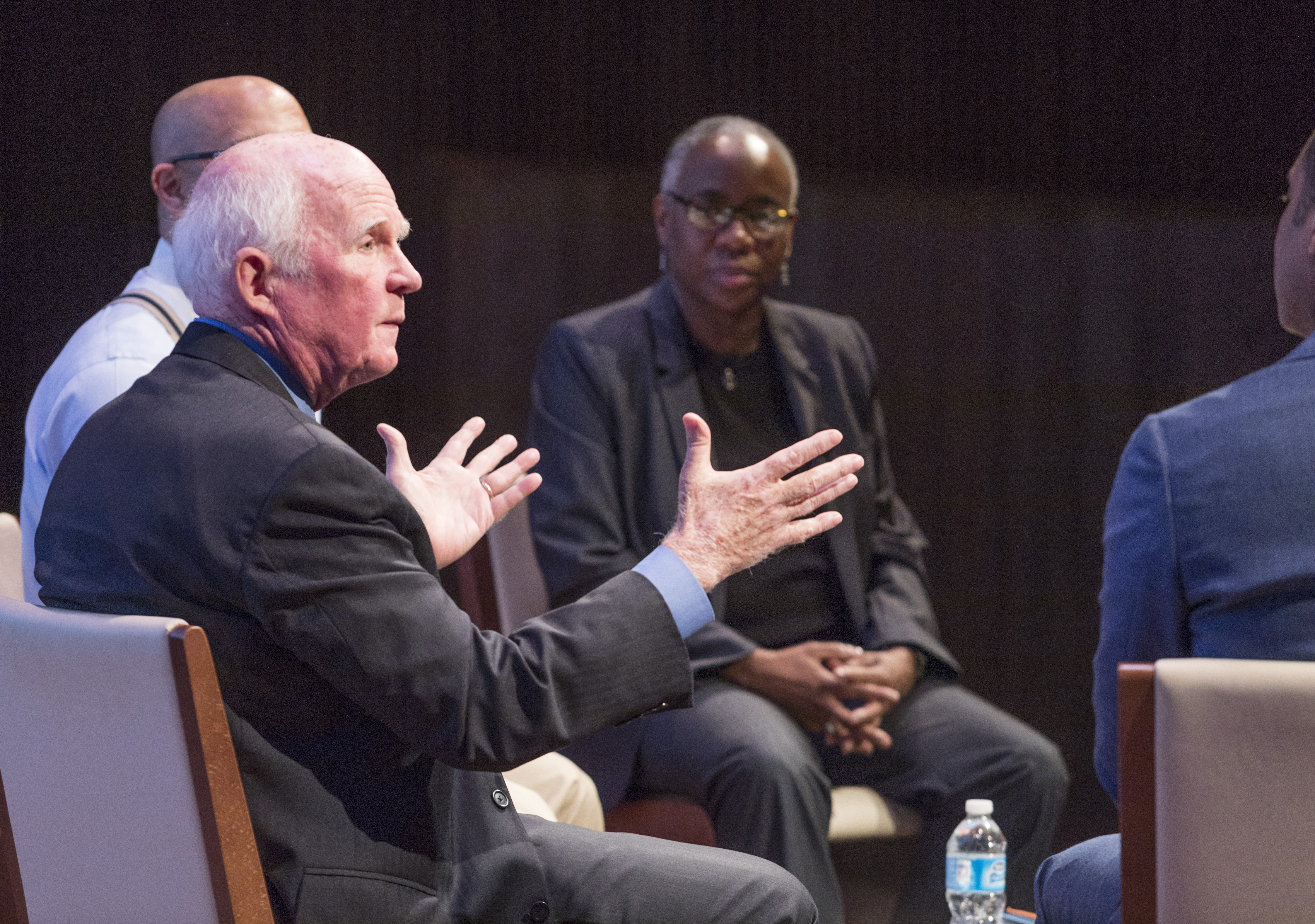
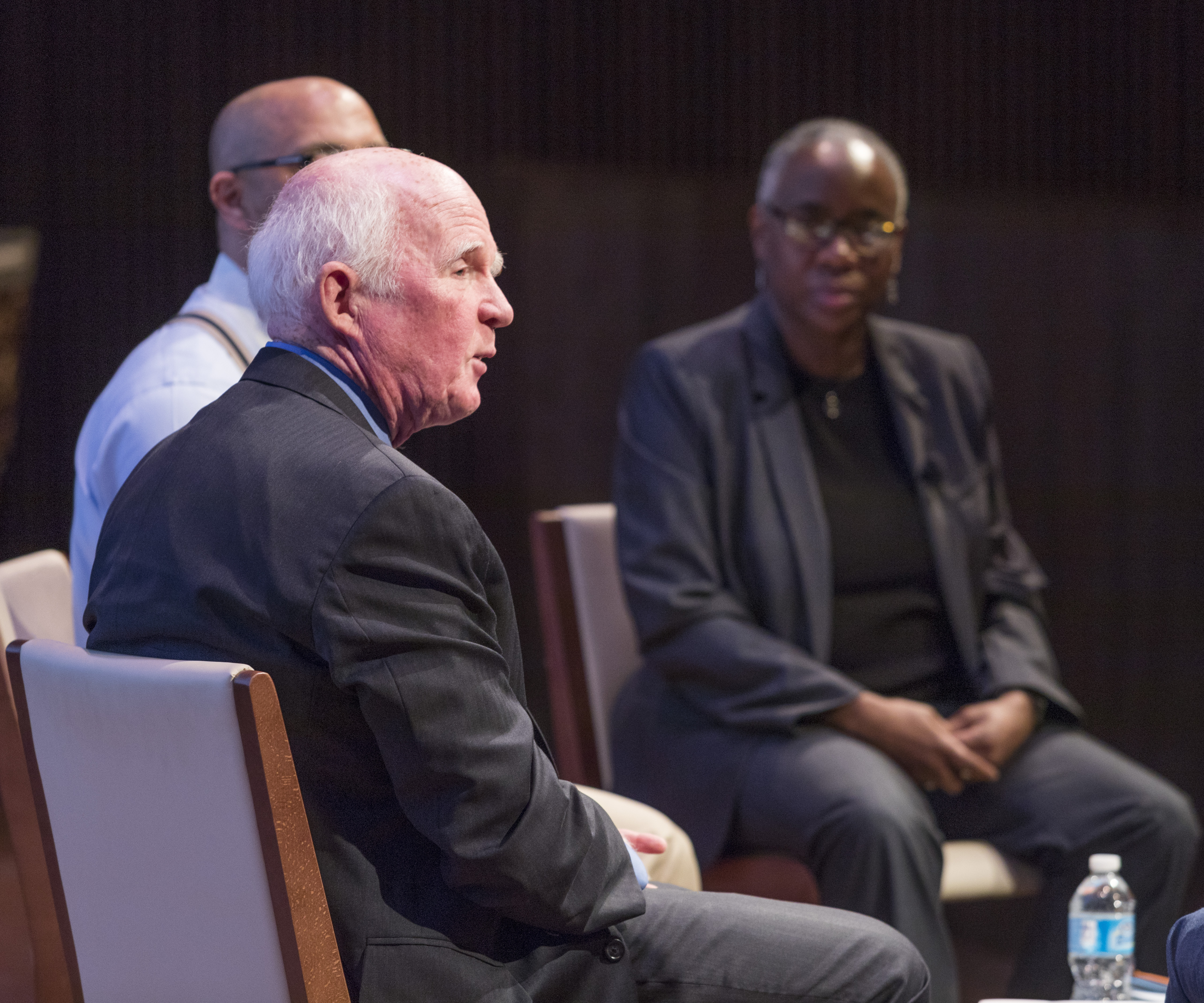
Taylor Branch
“Times have changed, but there’s sort of this historic struggle between those who maintain the status quo – preserve things as they are – and those who are protesting the status quo, who want to change things, move things to a different direction. And so in 1968 we see it around the Vietnam War that sort of brings it ahead, but it’s not just, ‘I don’t want to go over there and fight,’ it’s’ I don’t believe in this war. I don’t believe in American imperialism. I don’t believe the military industrial complex. I don’t believe in a police state. I don’t believe in this sort of untethered capitalism coming out of the 1950s.’ There is no war so to speak, of [today]; we’re not at war with another country in the way that we were in 1968, but do you think the passion is there to make a difference? I think we also shouldn’t just simply measure passion by the number of people who show up on streets and march in the protests. The true measure of passion is how people are choosing organized protests – large protests, halfway to diversity. It wasn’t Kennedy’s assassination, it wasn’t King’s assassination. The vast majority of the 97 percent of white women and the 40,000 student university campuses could care less what they were going through. And I think today’s the same thing. The point is that is that it doesn’t take many people even in 1968 – it wasn’t many people, but it was passionate people who made a difference.”
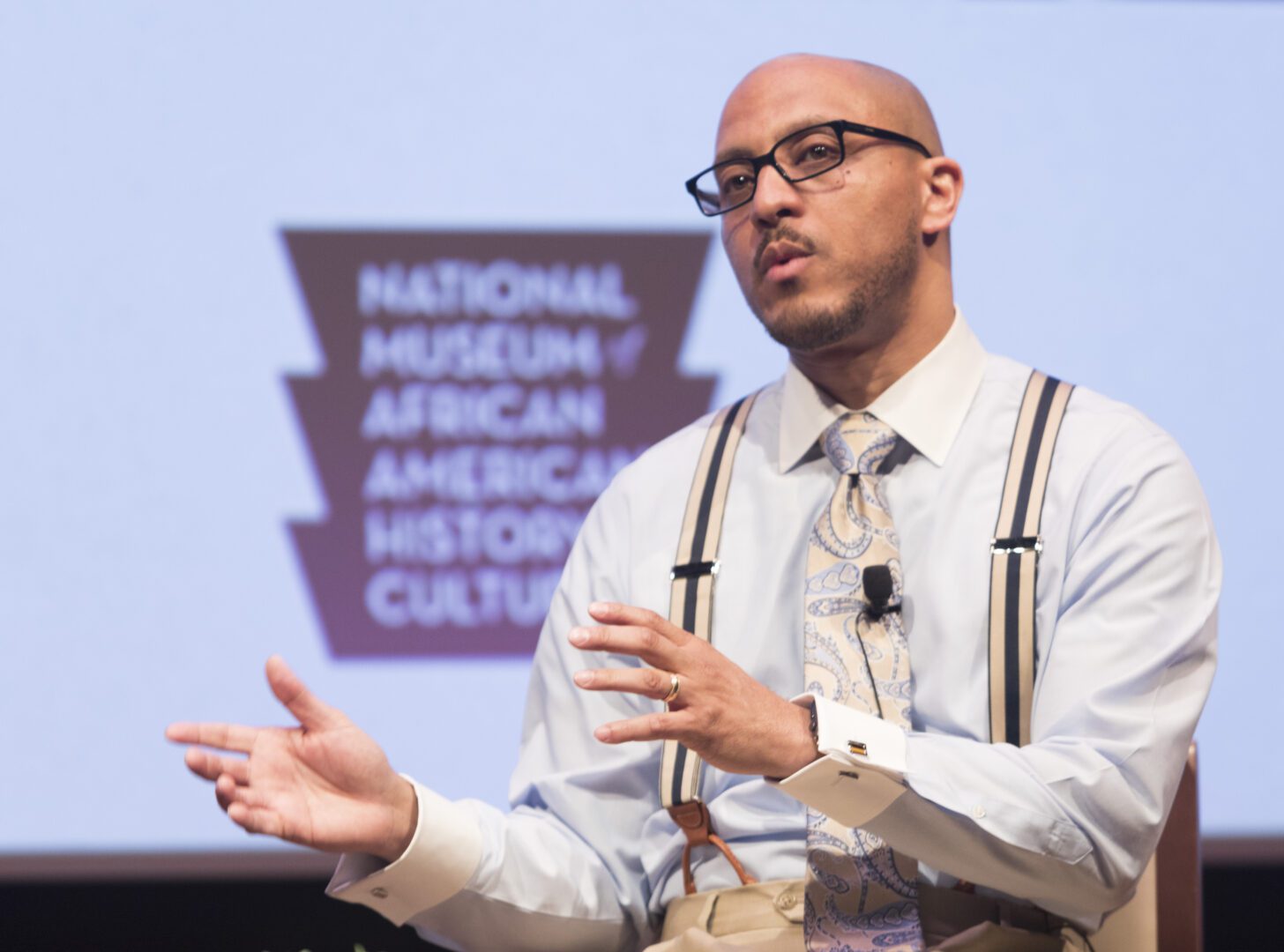
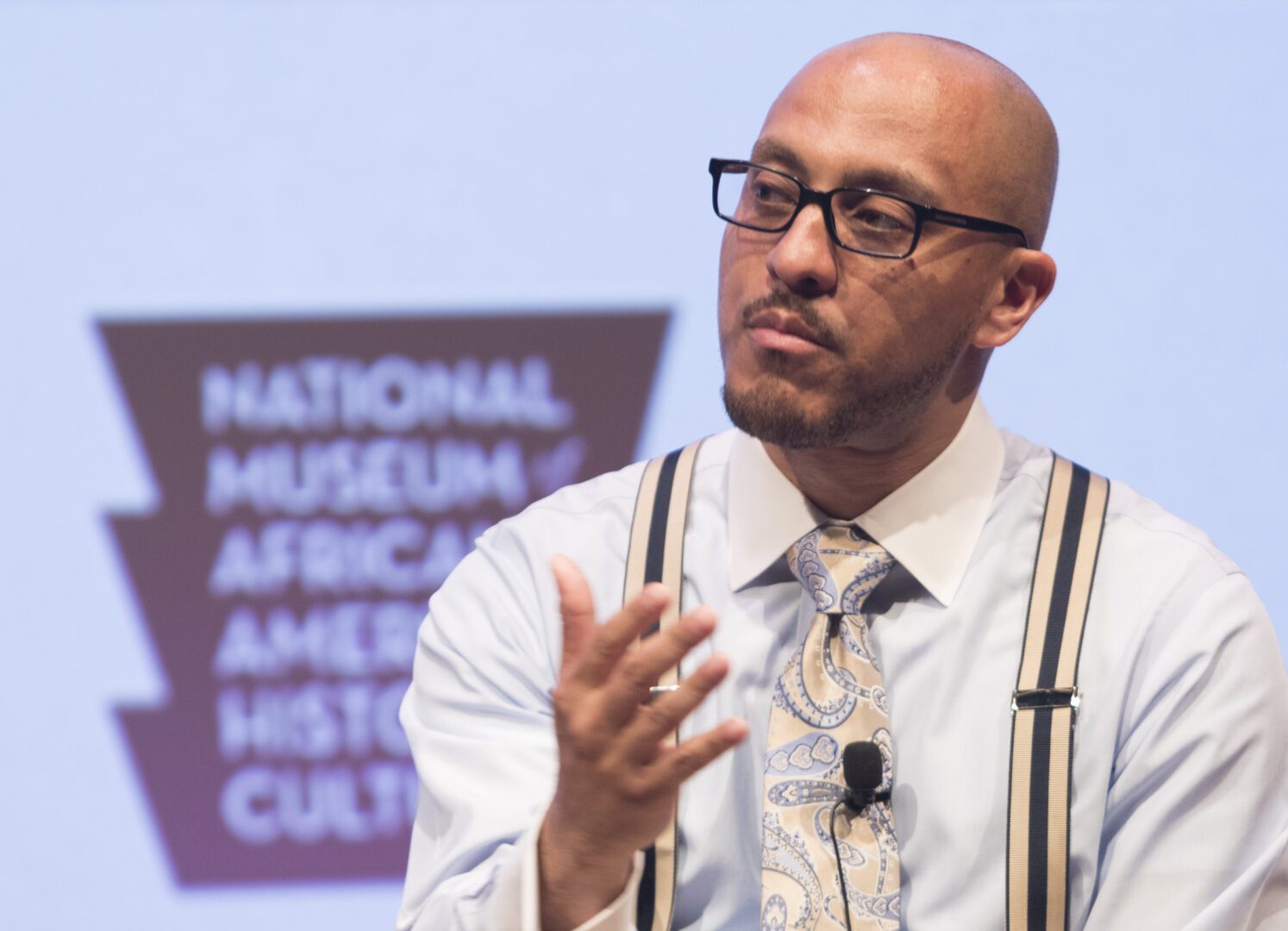
Hassan Jeffries
“The lesson is that you can have your passion, you can have your principles, you can have your democratic activism, you can be in the streets, but you have to think about how that’s going to affect the 97 percent of people who care about football games. And, you are responsible for how that message resonates. That’s one of the things that the people did in the Civil Rights Movement who would stay up all night arguing about how to make their message effective, how to get press coverage. They wanted to make things resonate. So that was a challenge. But I think you need the ones who are organizing 80,000 [people]] 500 port-a potties for the March on Washington. Change the whole perception of the March of Washington, and even before the “I Have a Dream” speech resonated, registered organizers and people who are devoted to those details of making people’s voice heard, they kept getting their food. We have a lot of countdowns, cynicism about the overhead, turnout keeps going down. And you know, that’s because we have a lot of people spewing resentment against the very policy of government, and that has an effect. That government is bad has been the dominant idea in politics for almost 50 years. People run against Washington and it’s hard for people to lift a hole through politics against that environment.”
“Like anybody, I would like to live a long life. Longevity has its place. But I’m not concerned about that now. I just want to do God’s will. And He’s allowed me to go up to the mountain. And I’ve looked over. And I’ve seen the Promised Land. I may not get there with you. But I want you to know tonight, that we, as a people, will get to the promised land!” Dr. Martin Luther King, Jr.
“I have bad news for you, for all of our fellow citizens, and people who love peace all over the world, and that is that Martin Luther King was shot and killed tonight.” Robert F. Kennedy.
“Los Angeles, Thursday, June 6–Senator Robert F. Kennedy, the brother of a murdered President, died at 1:44 A.M. today of an assassin’s shots.” LA Times
The Trailer: