by intern Sakura Buker
Photo credit: Courtesy of WDiplomat
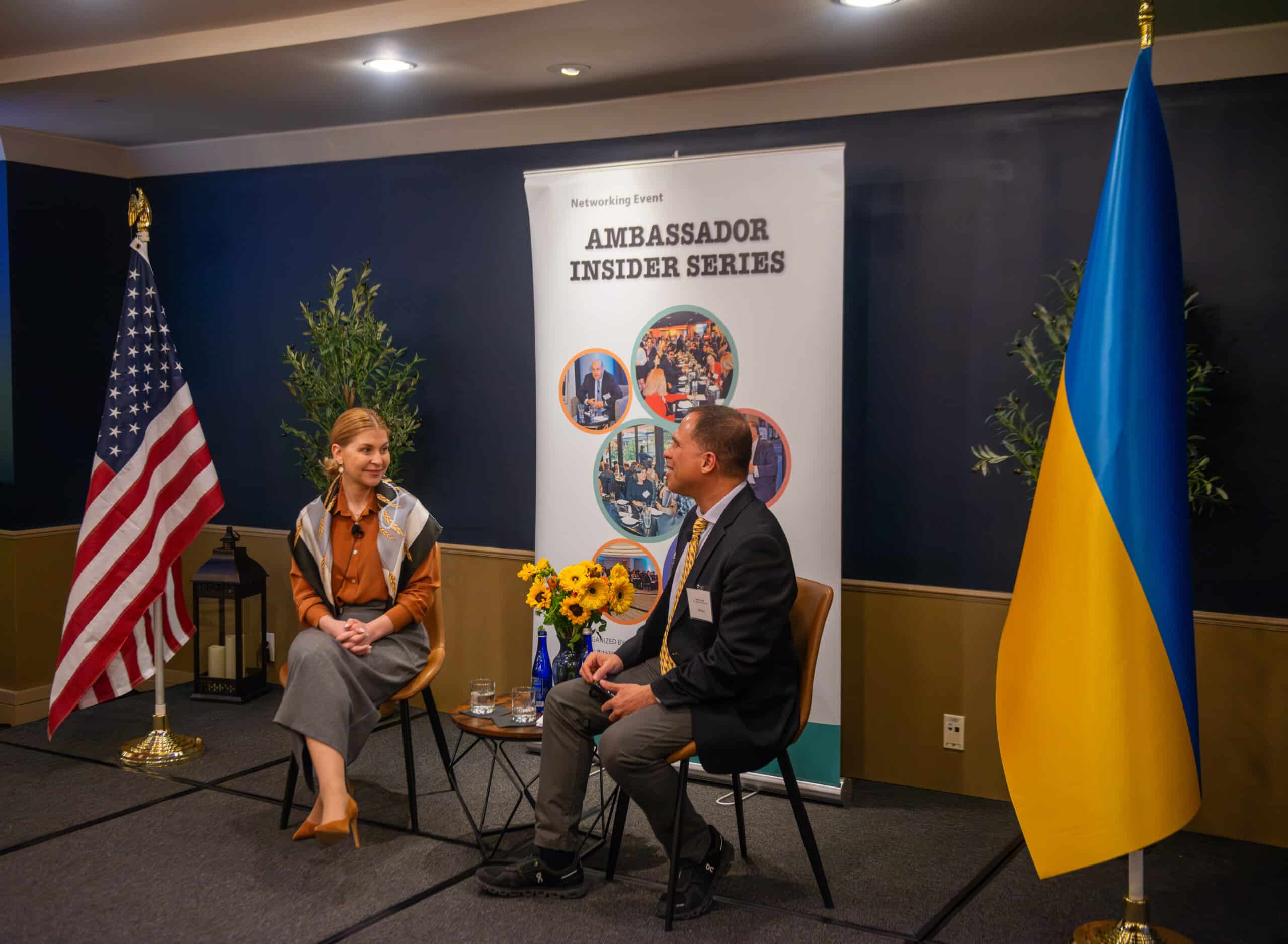
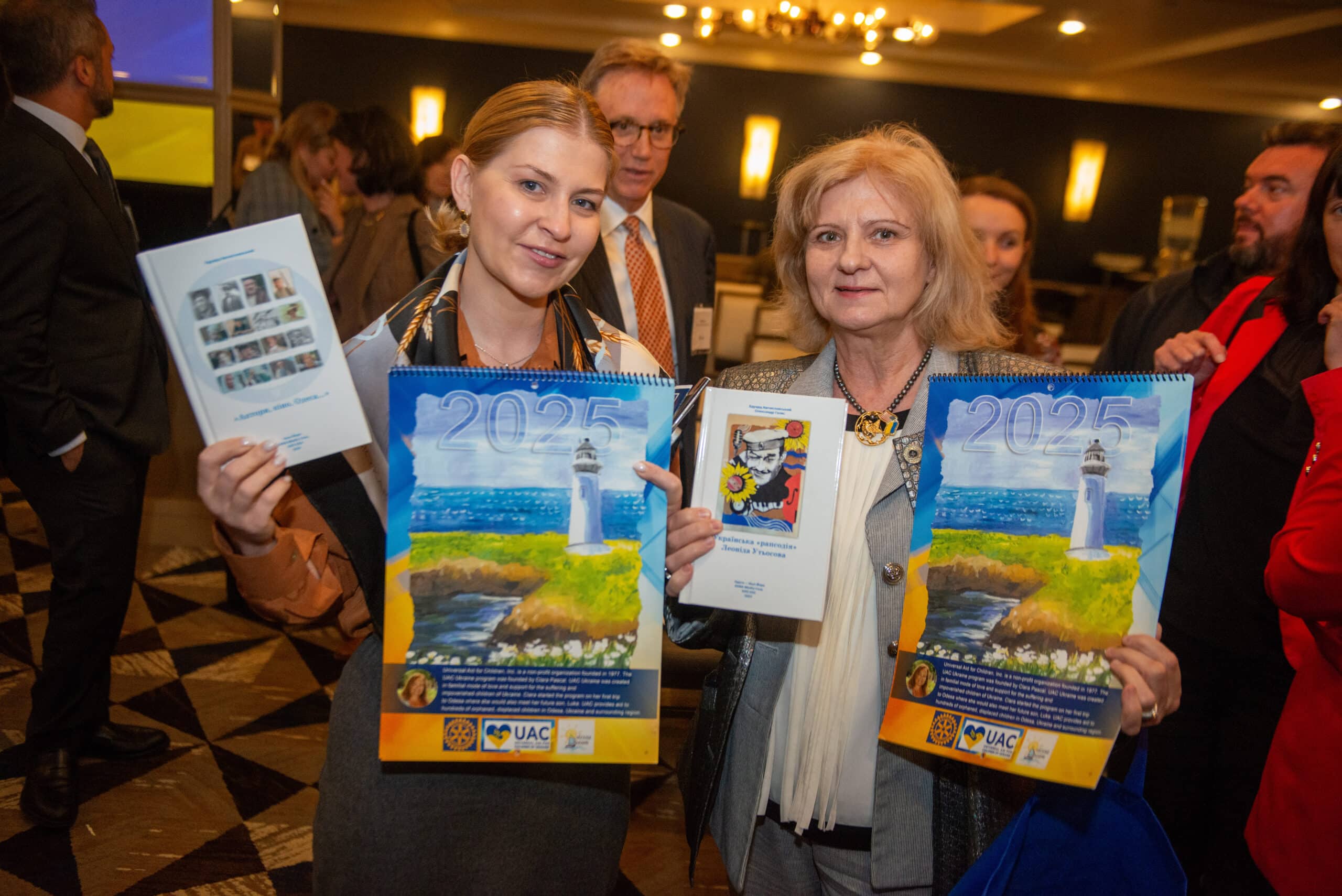
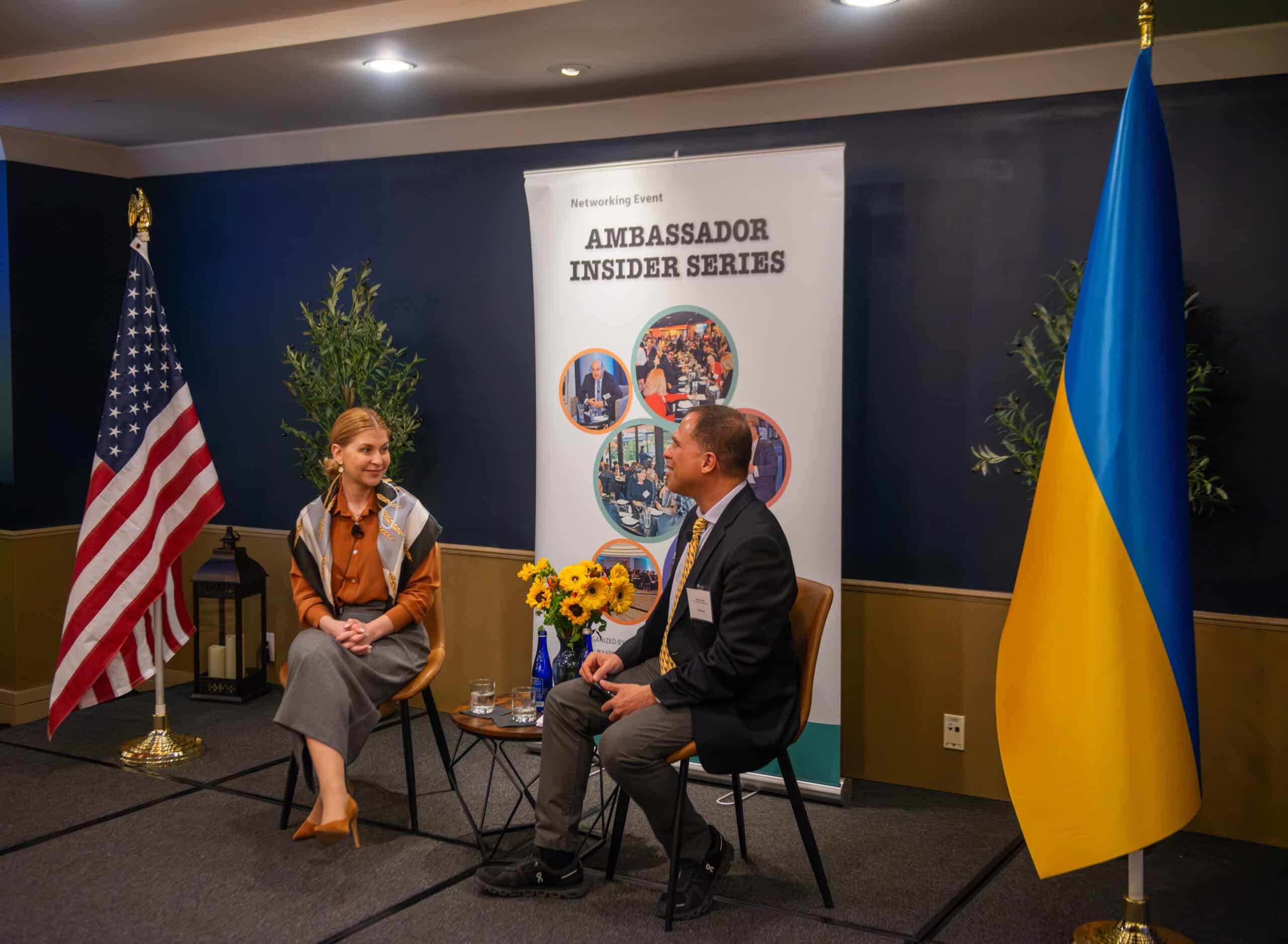
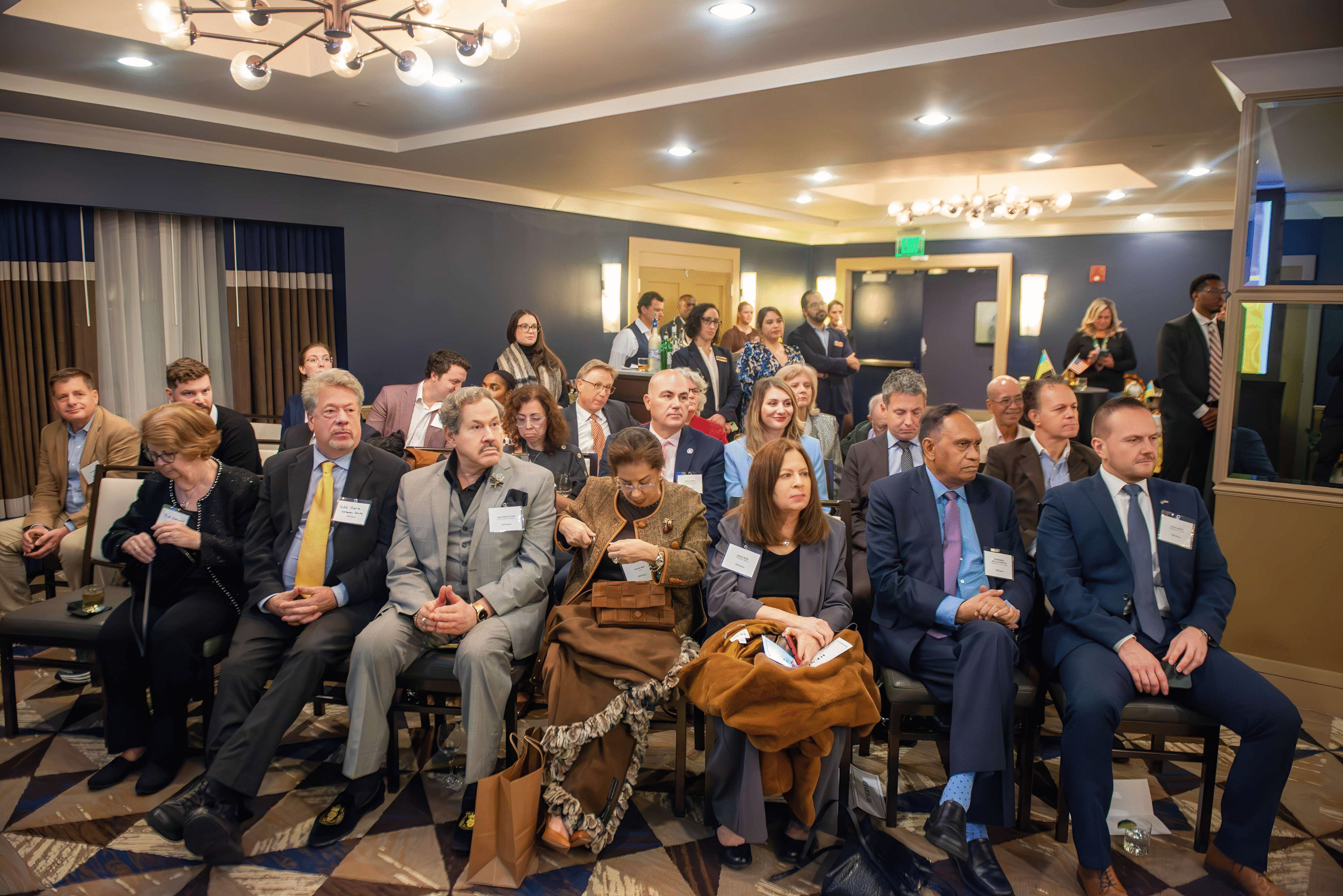
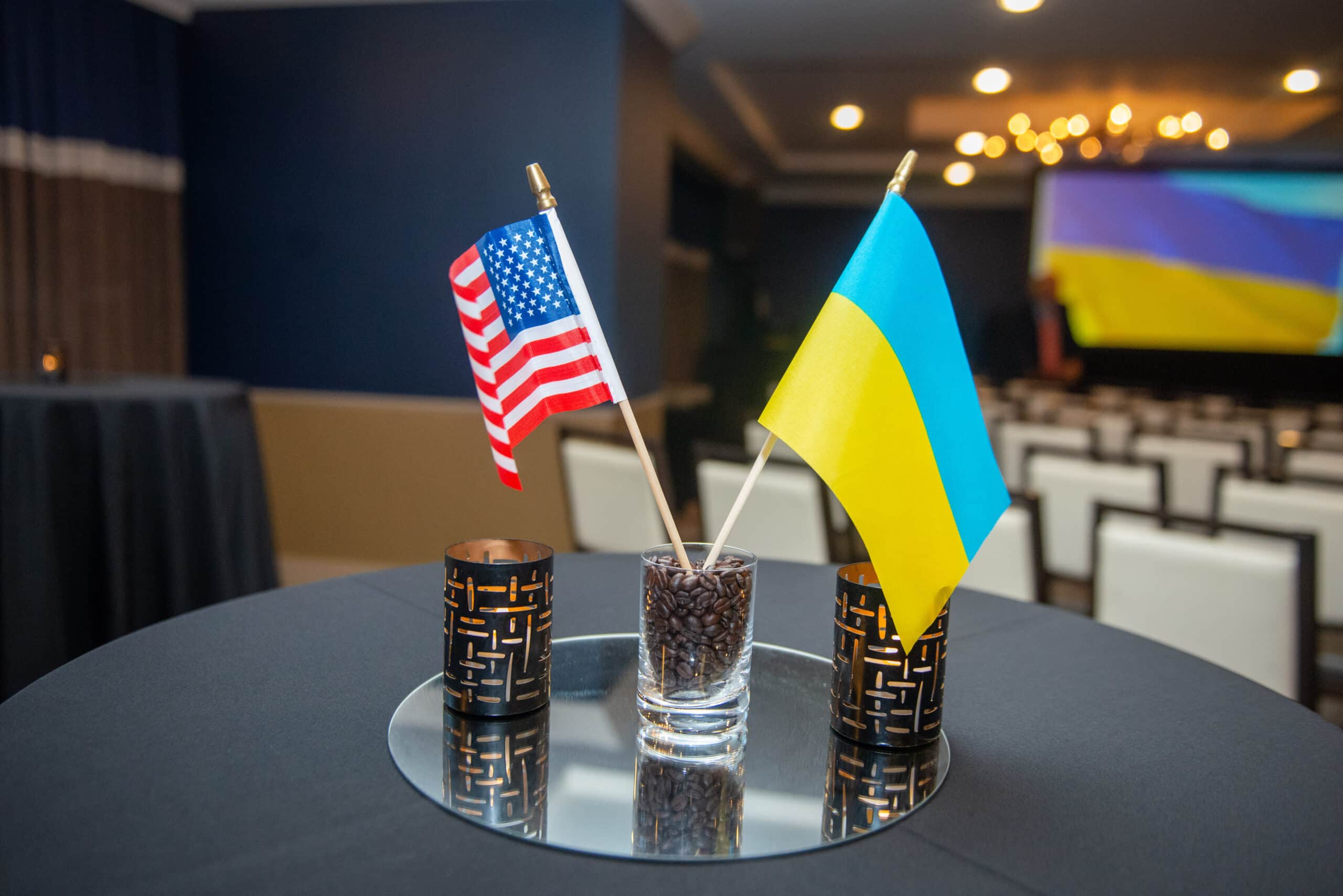
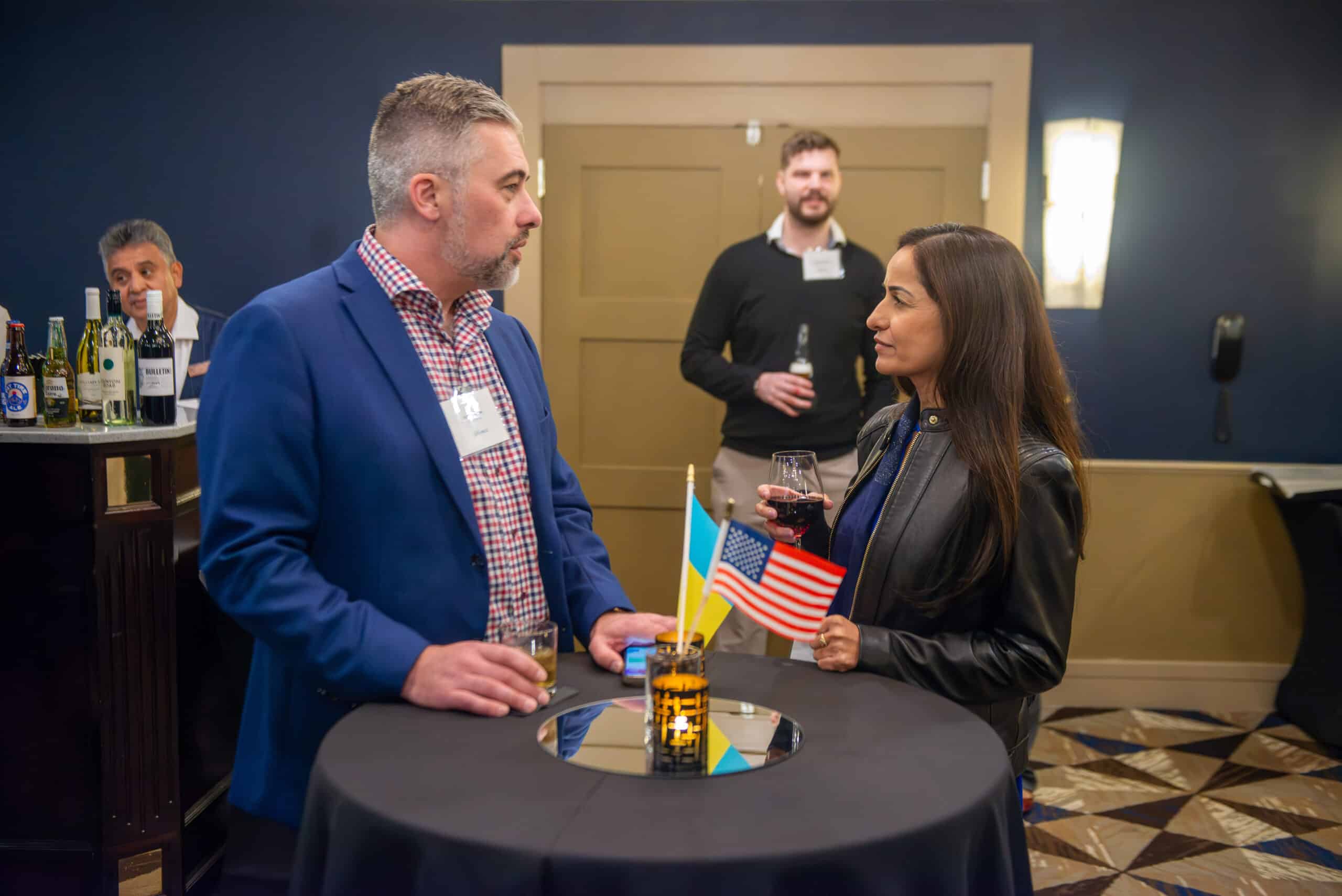
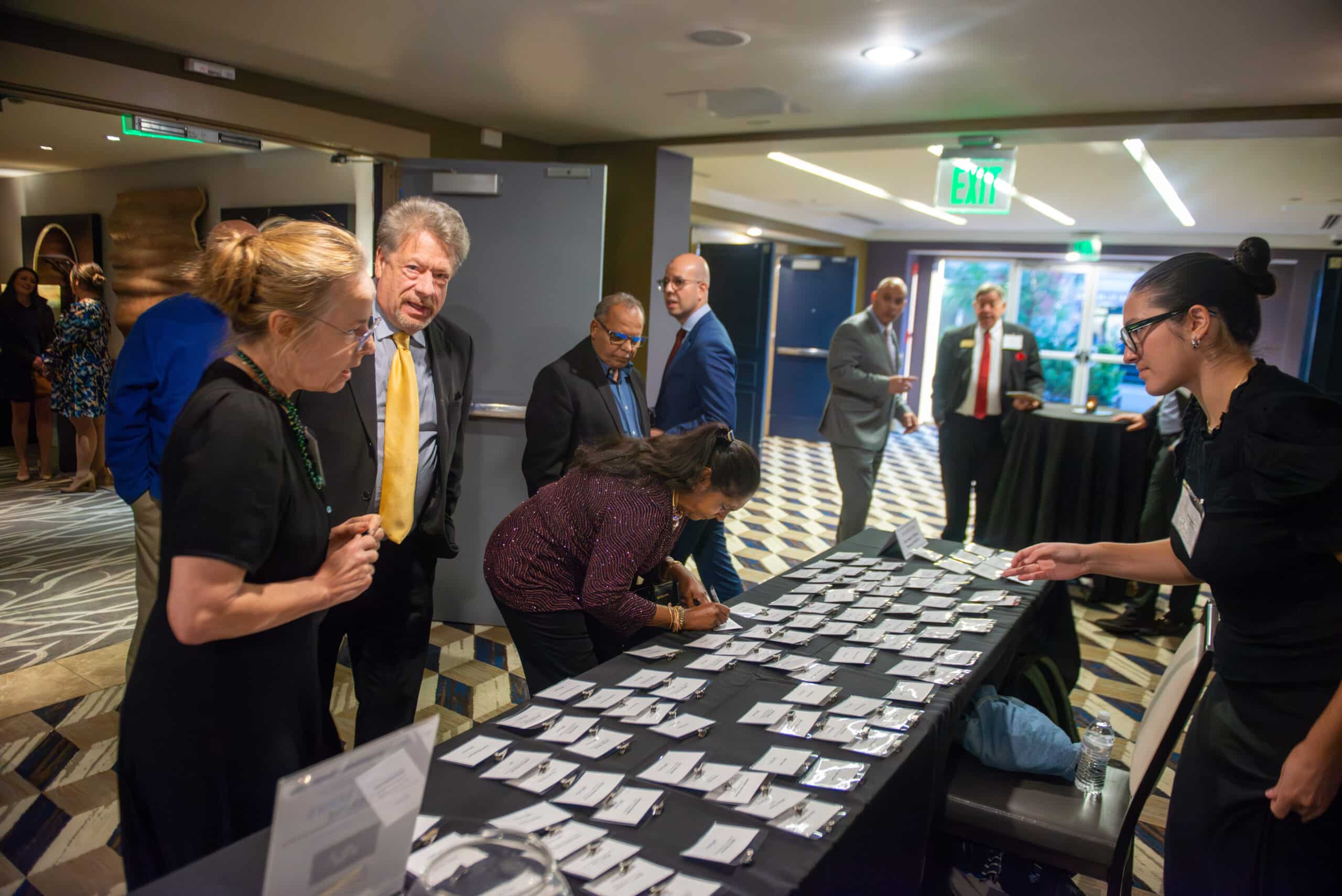
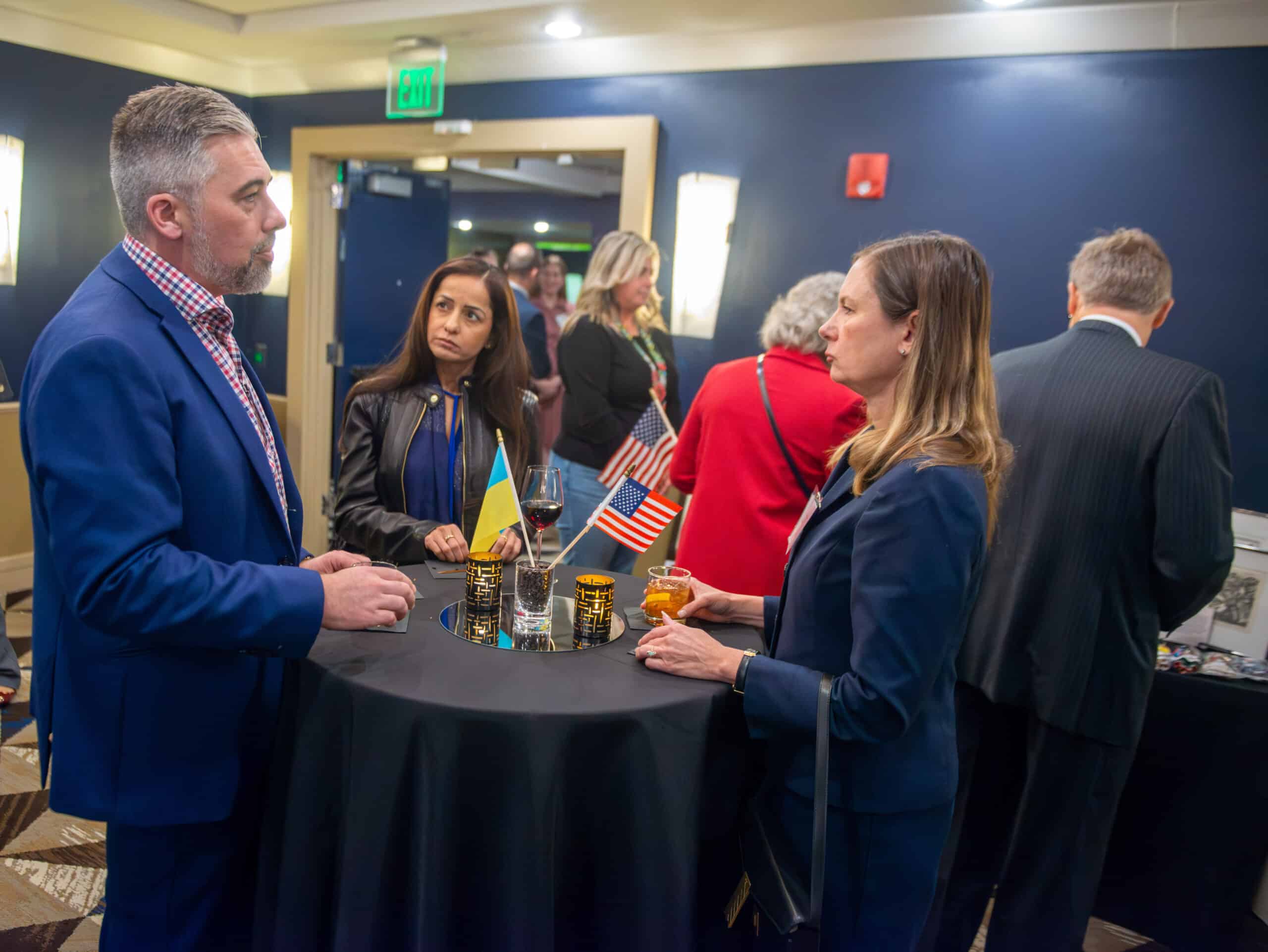
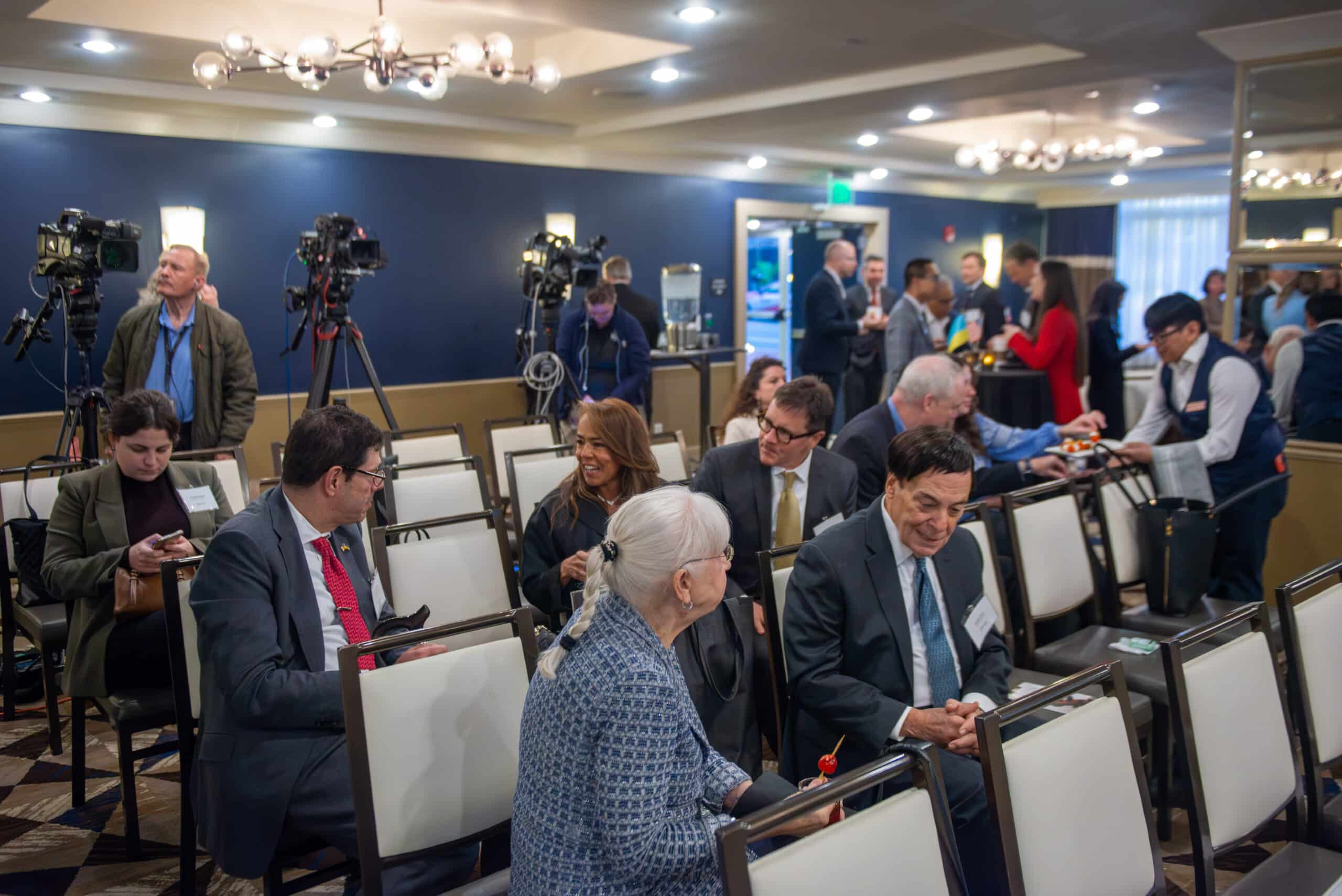
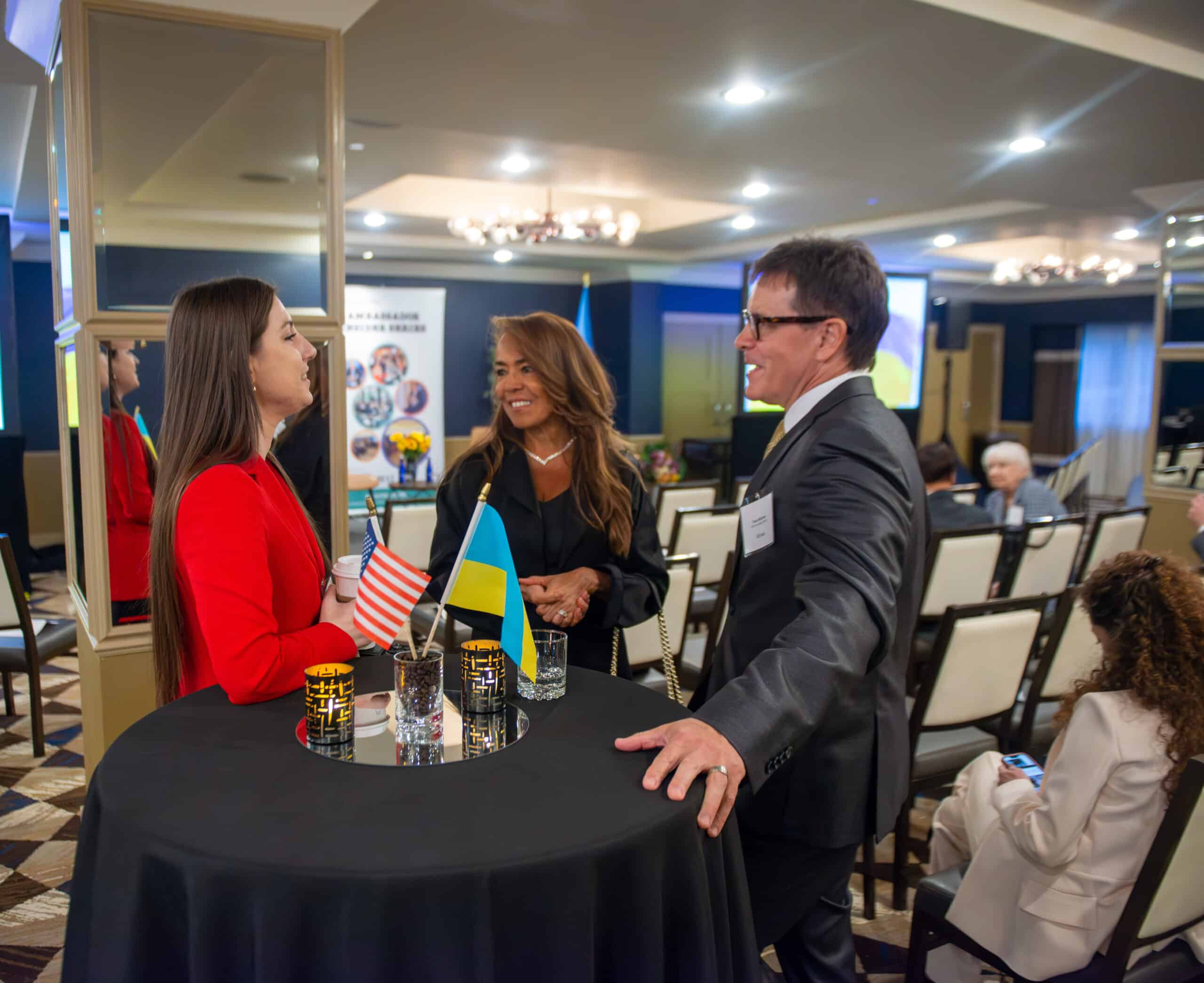
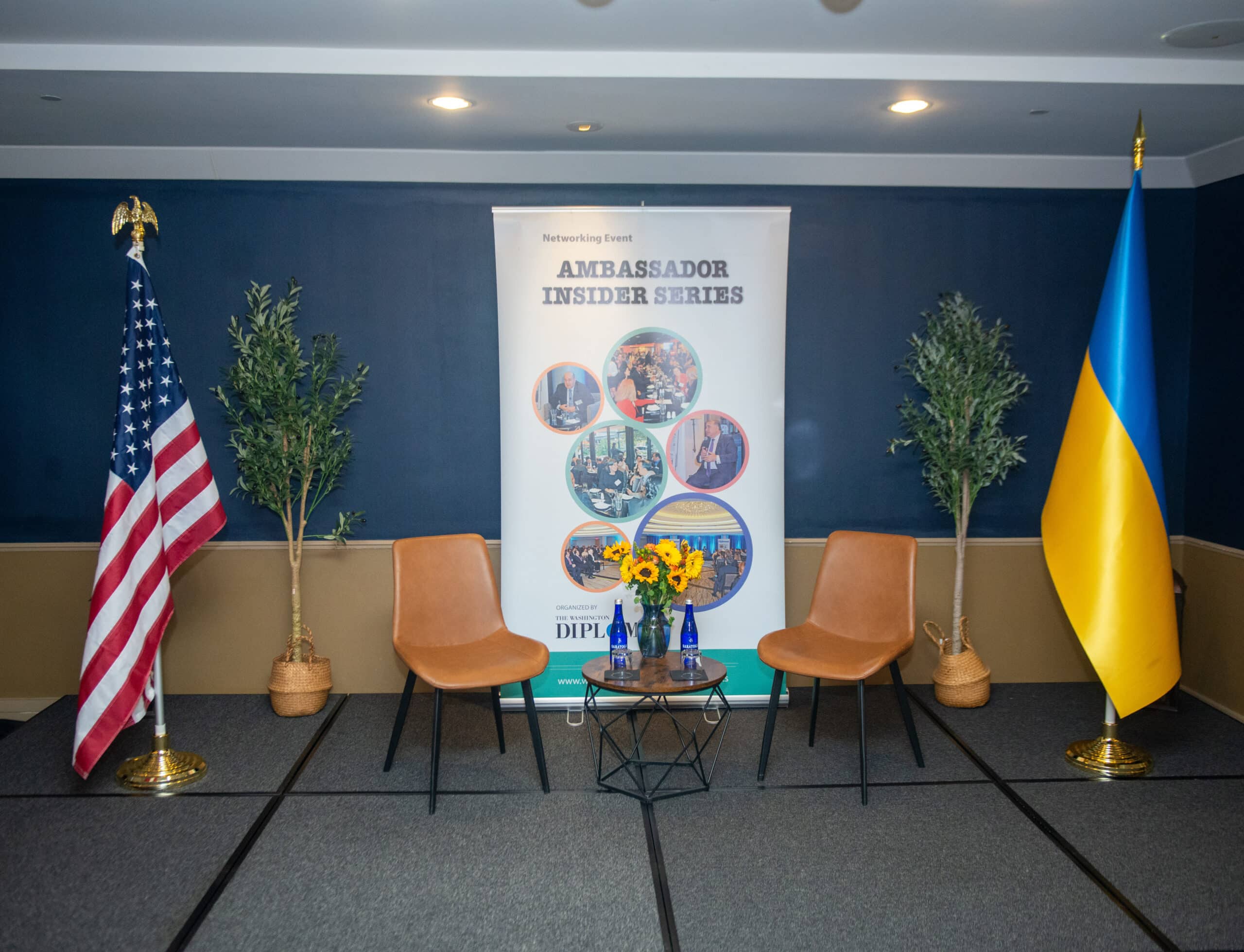
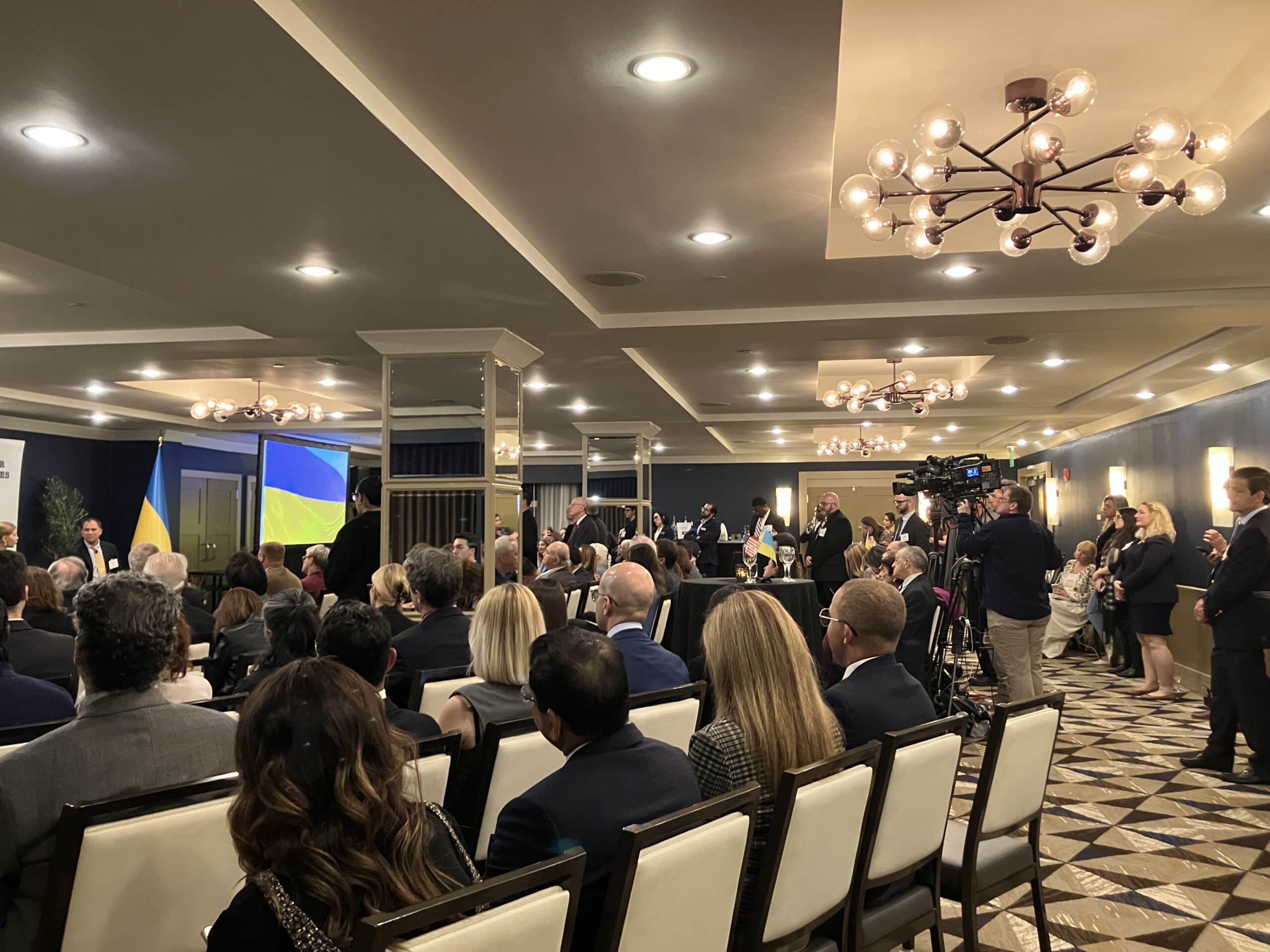
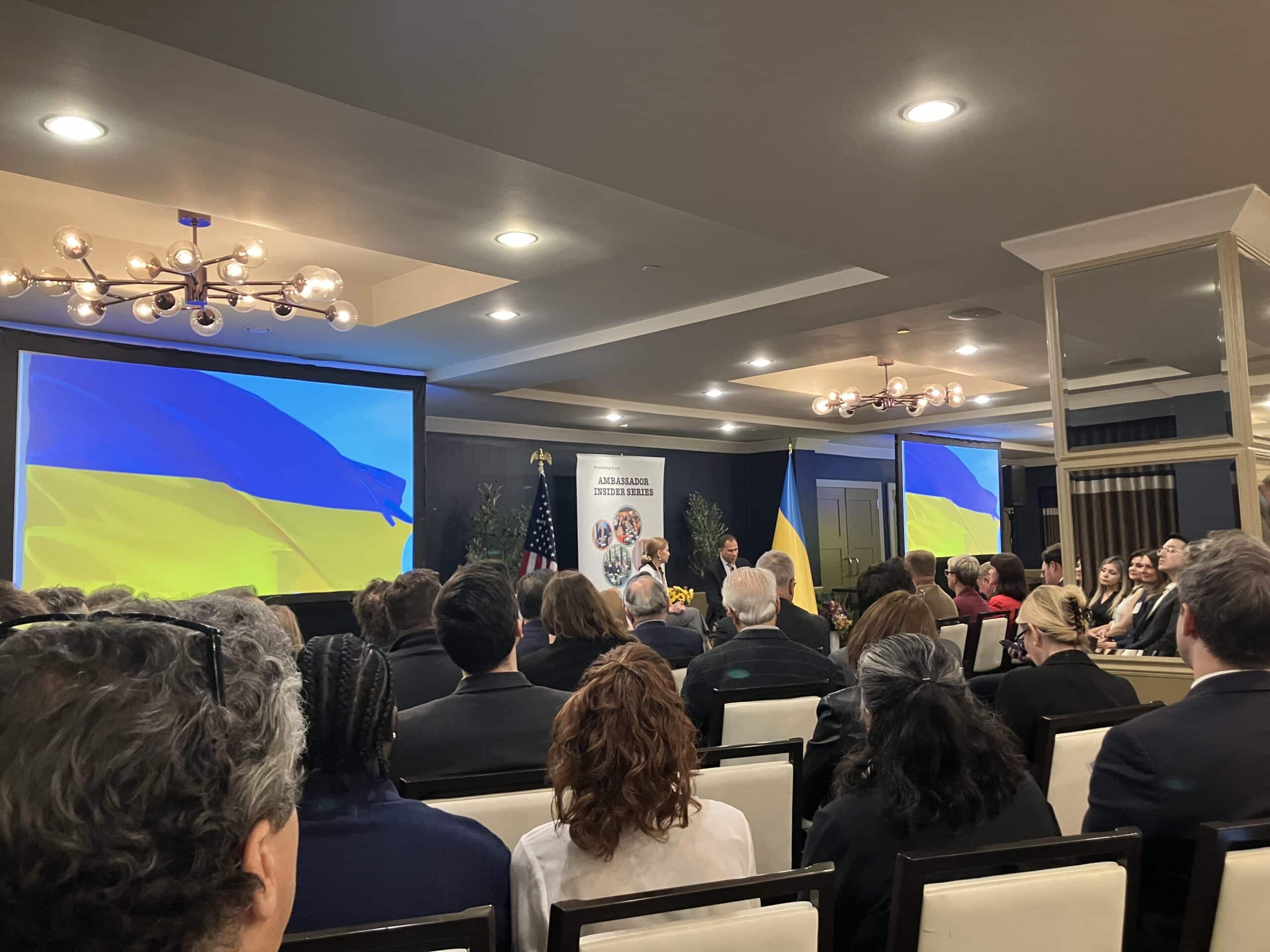
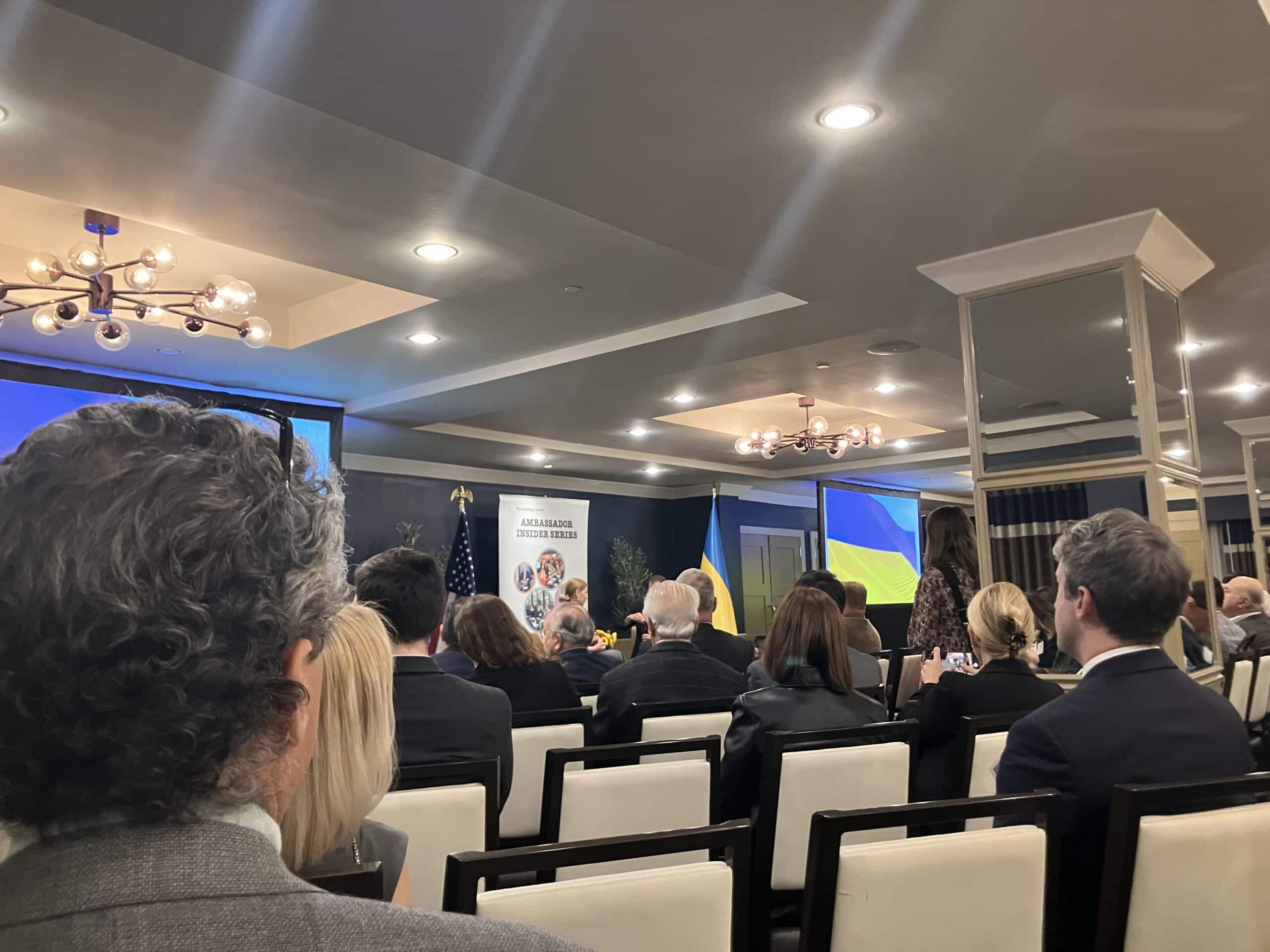
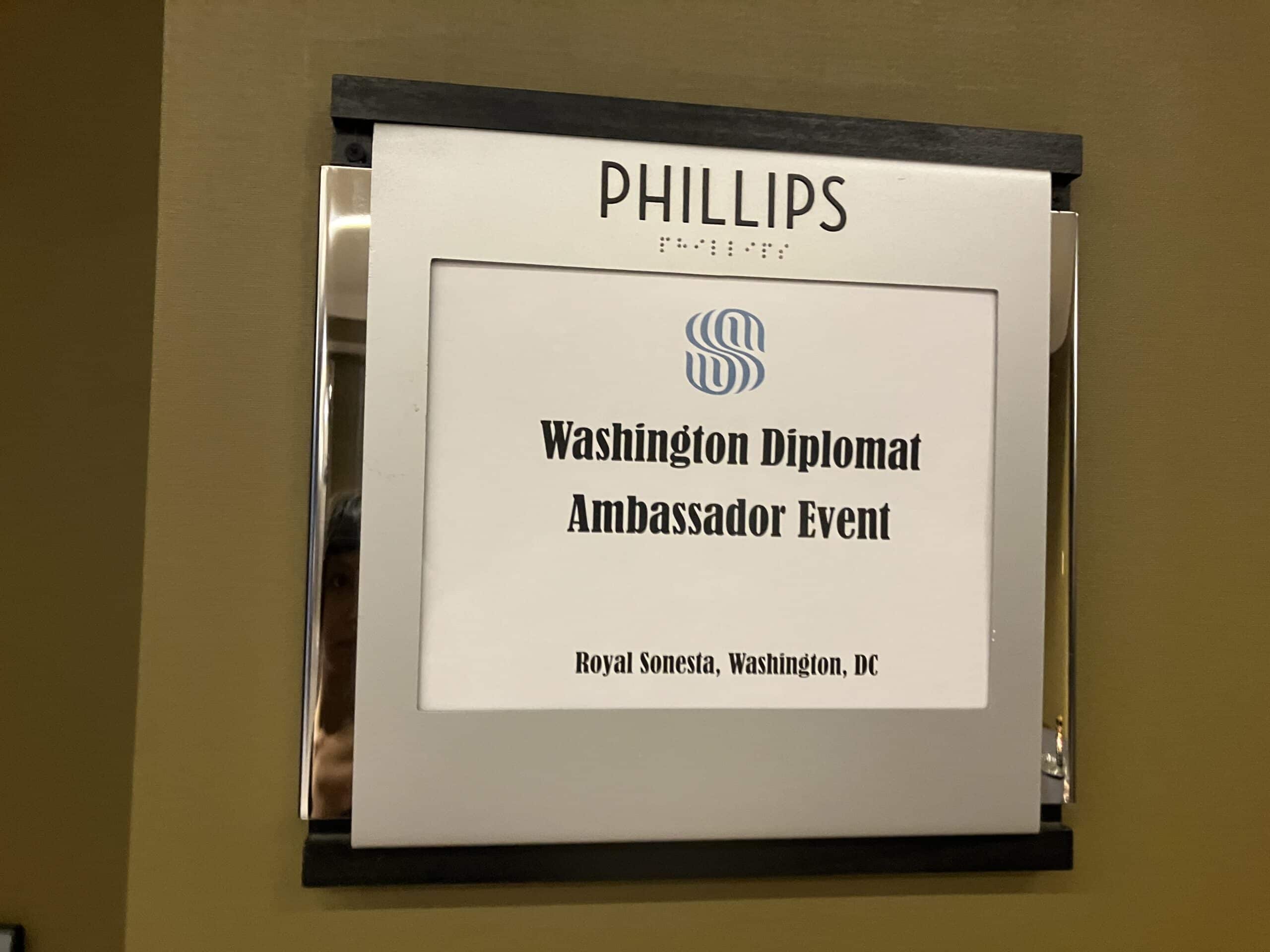
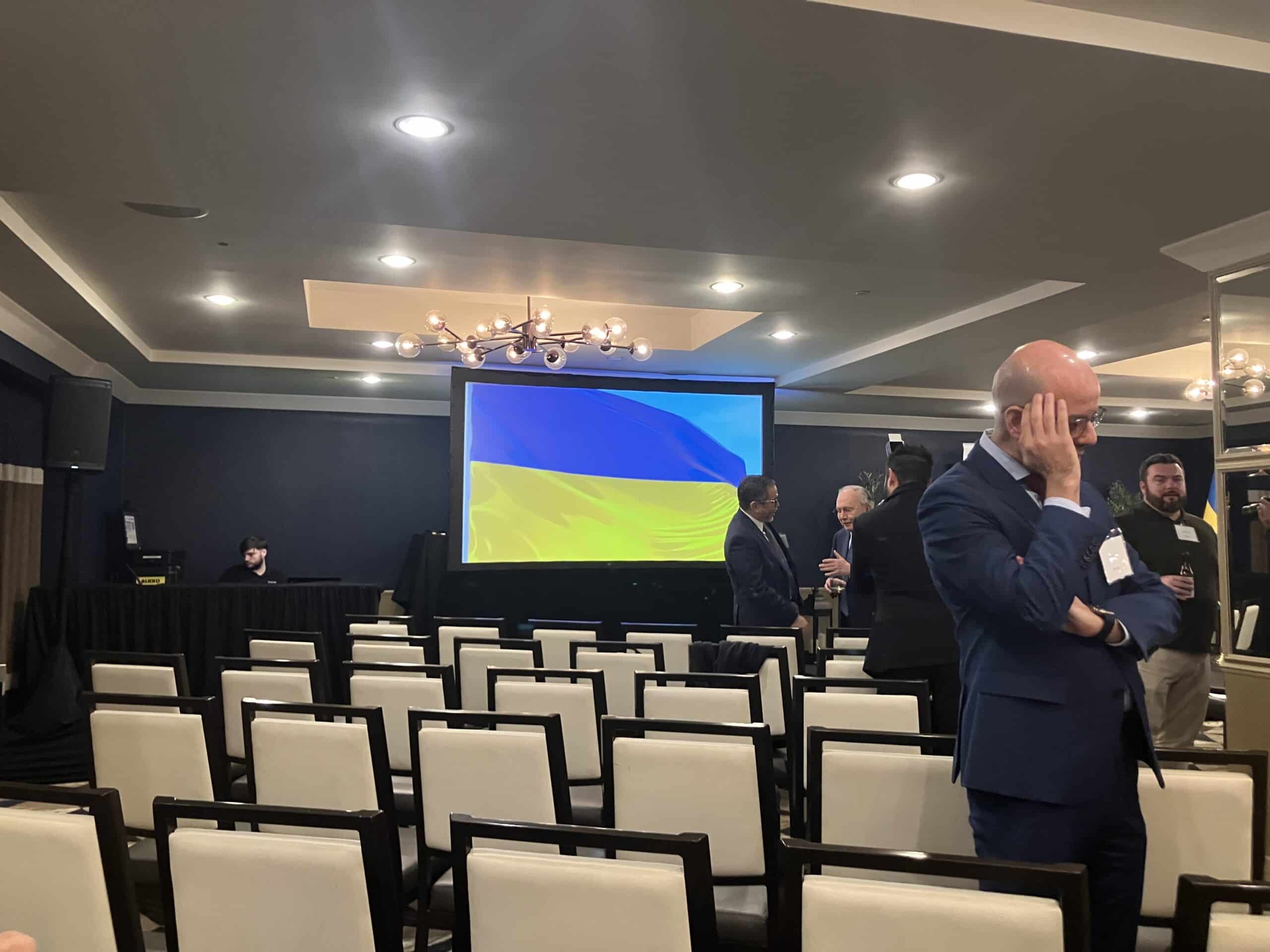
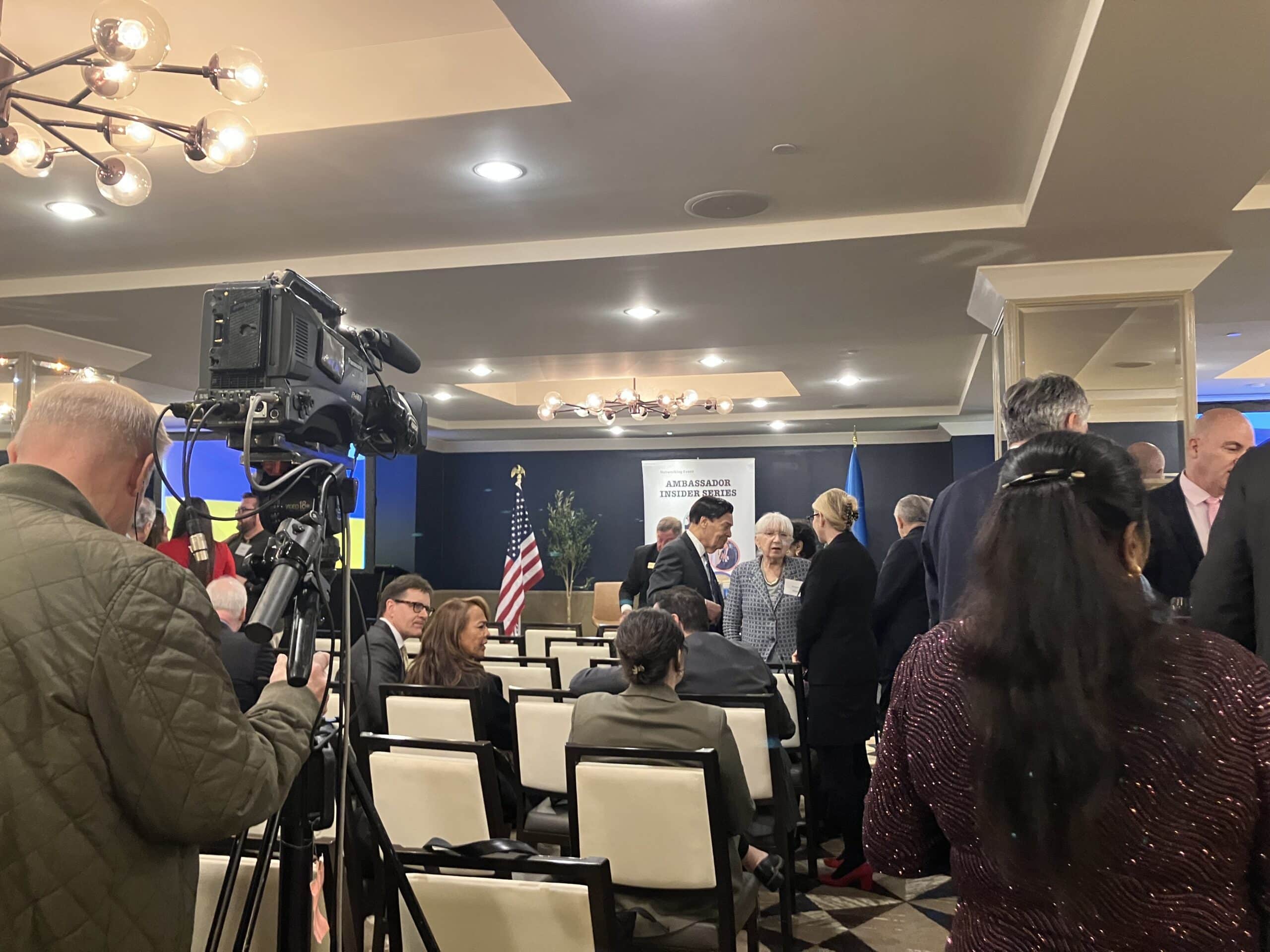
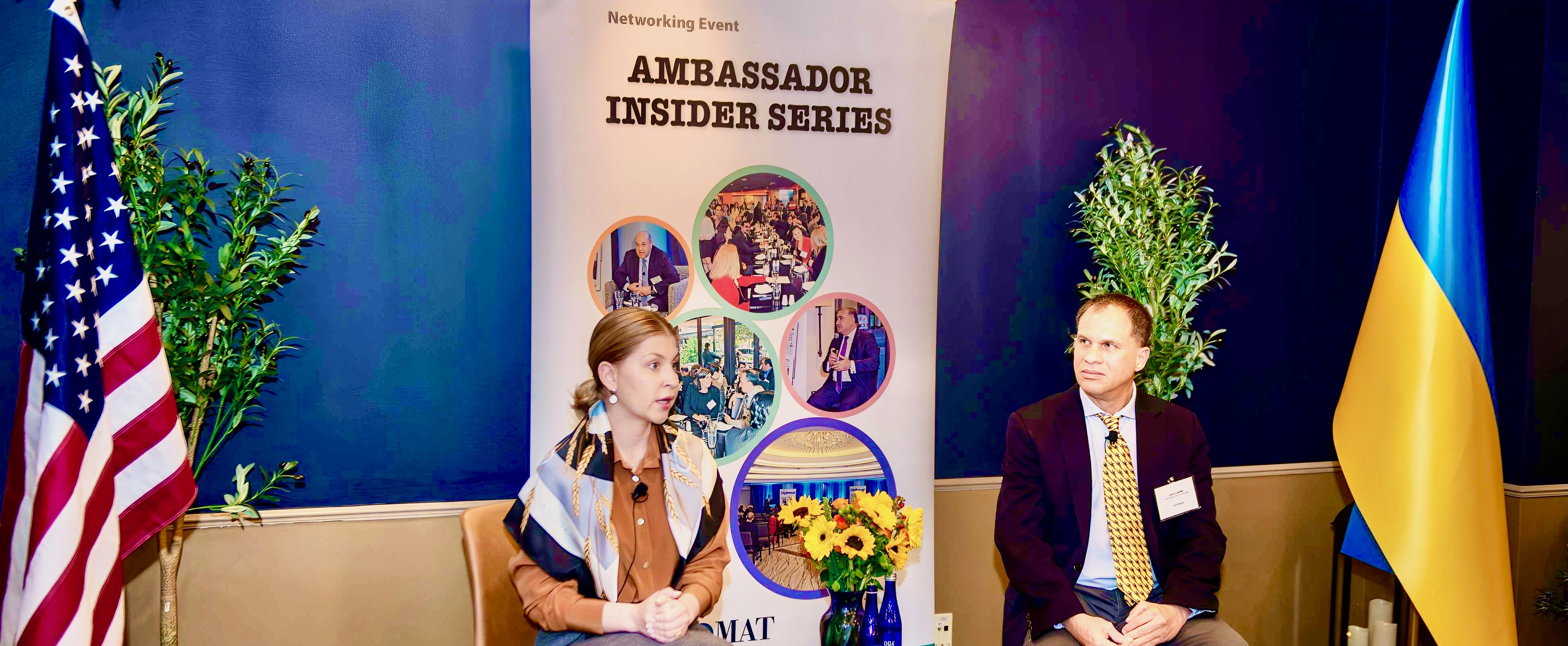
In true diplomat fashion, Washington’s foreign-affairs crowd gathered as The Washington Diplomat welcomed Ukraine’s newly appointed Ambassador to the United States, Olha Stefanishyna, for a spirited conversation and Q&A — the latest in the publication’s storied Ambassador Insider series that spotlights the world’s most influential envoys. The event was hosted by Publisher Victor Shiblie.
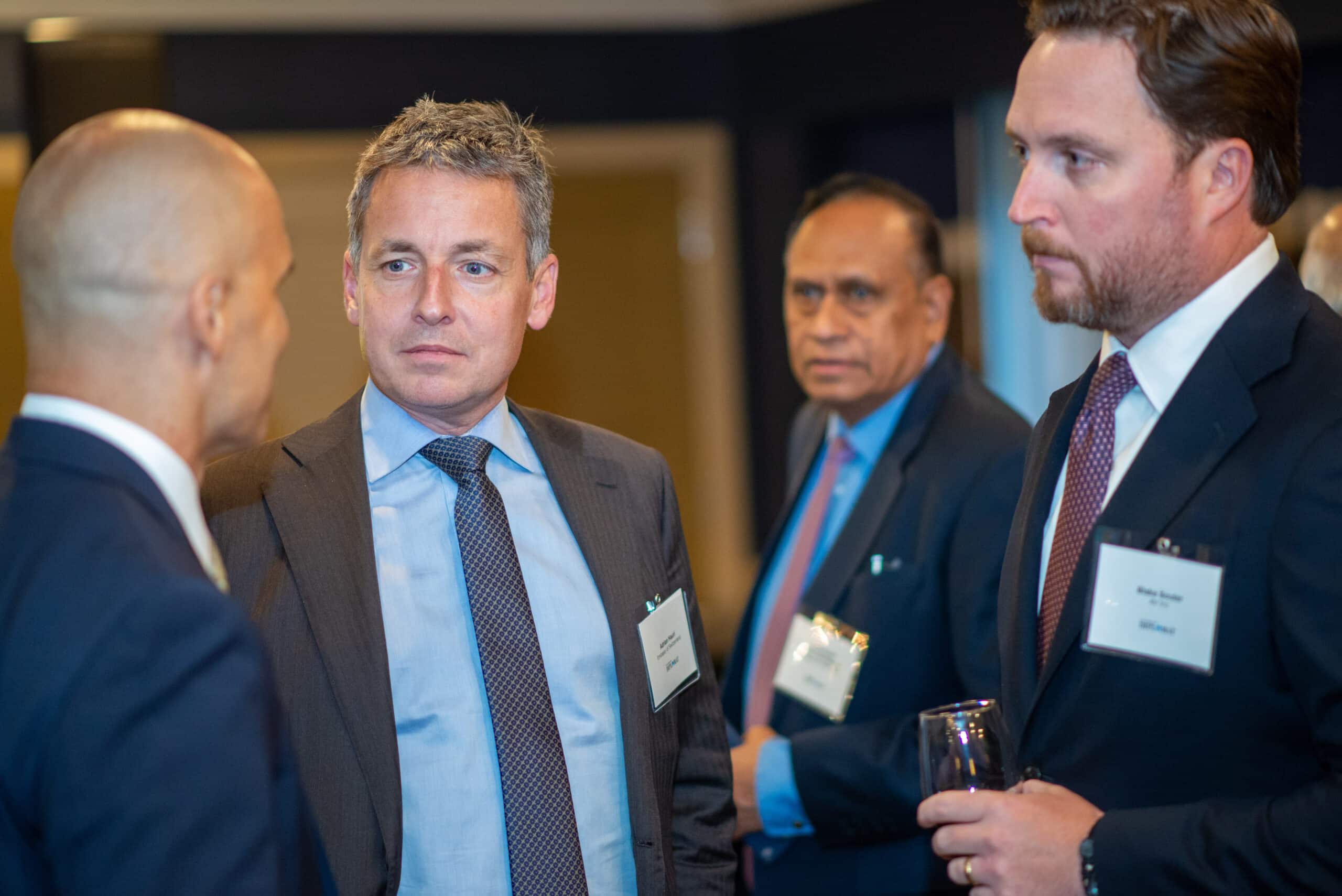
For a decade, The Washington Diplomat has provided Washingtonians an insider look into the pressing diplomatic issues facing DC’s Ambassadors, and the ways in which they navigate the ever-changing political landscape. In addition to Ambassador Stefanishyna, Ambassadors in attendance included Ambassador Dragan Šutanovac of Serbia and Ambassador Vlad Kulminski of Moldova, to name a few.
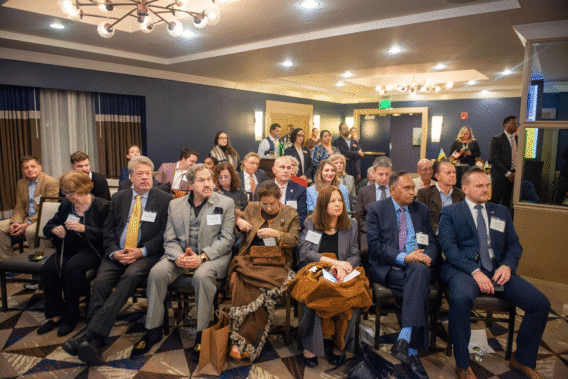
The event carried particular significance, marking exactly ten years since the series launched with Azerbaijan’s Ambassador discussing the country’s ongoing conflict with Armenia. This irony wasn’t lost on attendees that a decade later, the focus had shifted to another former Soviet republic embroiled in conflict, this time, concerning the conflict between Russia and Ukraine.
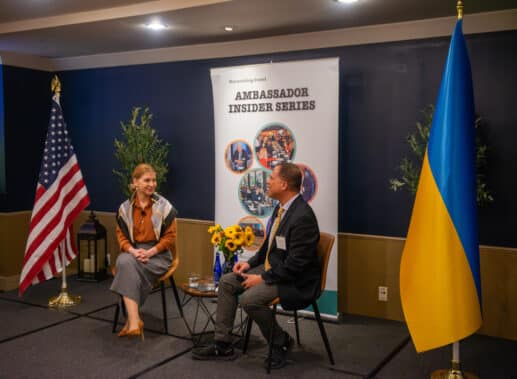
Ambassador Stefanishyna and Larry Luxner
Ambassador Stefanishyna, who took up her post in August after serving as Ukraine’s Deputy Prime Minister for European and Euro-Atlantic integration, brought a true insider’s perspective to the conversation. She was in Ukraine’s Security and Defense Council chambers at 5 a.m on February 24, 2022, when Russian forces advanced, and made the first critical decisions to keep the country operational. Nearly four years into the war, the Ambassador painted a surreal picture of life in Ukraine. She described it as a “five-star war,” with bombs falling overhead while citizens don suits and go to work each morning, an act of survival. That morning when the war began, she evacuated her children and grandparents from Kiev before rushing to join government officials.
Drawing on her experience maintaining unanimous support among all 27 EU member states—no small feat in democratic politics—the Ambassador emphasized that her mandate extends beyond traditional diplomacy. “I’m not a career diplomat,” she acknowledged. “My mandate here is partly diplomatic, partly political.” Her role involves ensuring constant communication between Ukraine and the United States, reading signals properly, and leaving “no second wasted for anything we can do to save people who are dying.”
The conversation’s most pressing question centered on navigating the Trump administration’s fluctuating Ukraine policy. Ambassador Stefanishyna didn’t shy away from the complexity, acknowledging the need to “maneuver” through shifting signals from the president. She emphasized what she sees as a crucial difference from earlier phases of the conflict: both nations are now actively focused on ending the war. “This is the first time that we’re speaking about ending the war,” she noted, stressing that while the dynamics may shift from week to week, the frank dialogue between presidents leaves both leaders with clarity about their ultimate shared goal.