
Photo credit: Caley Presely
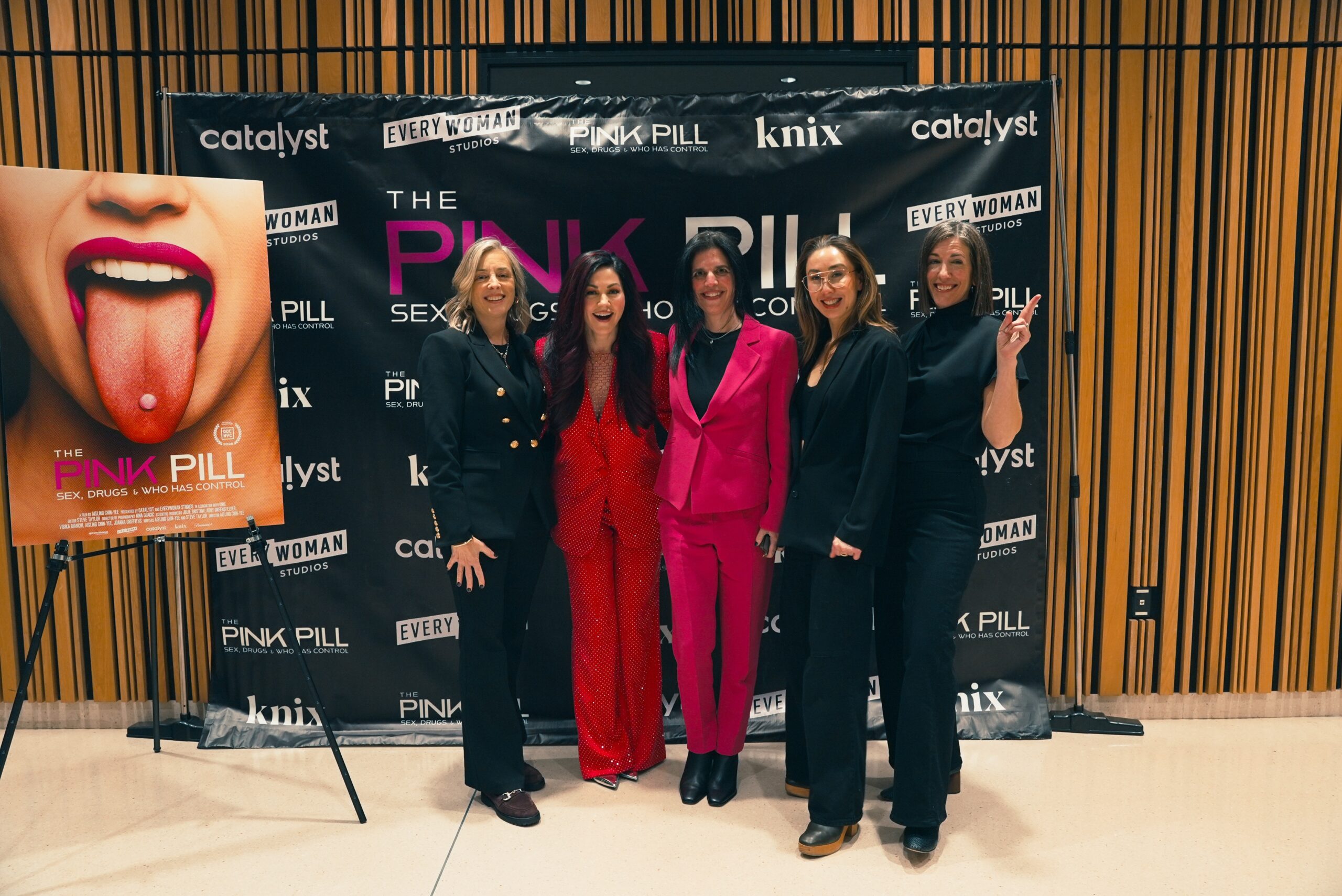
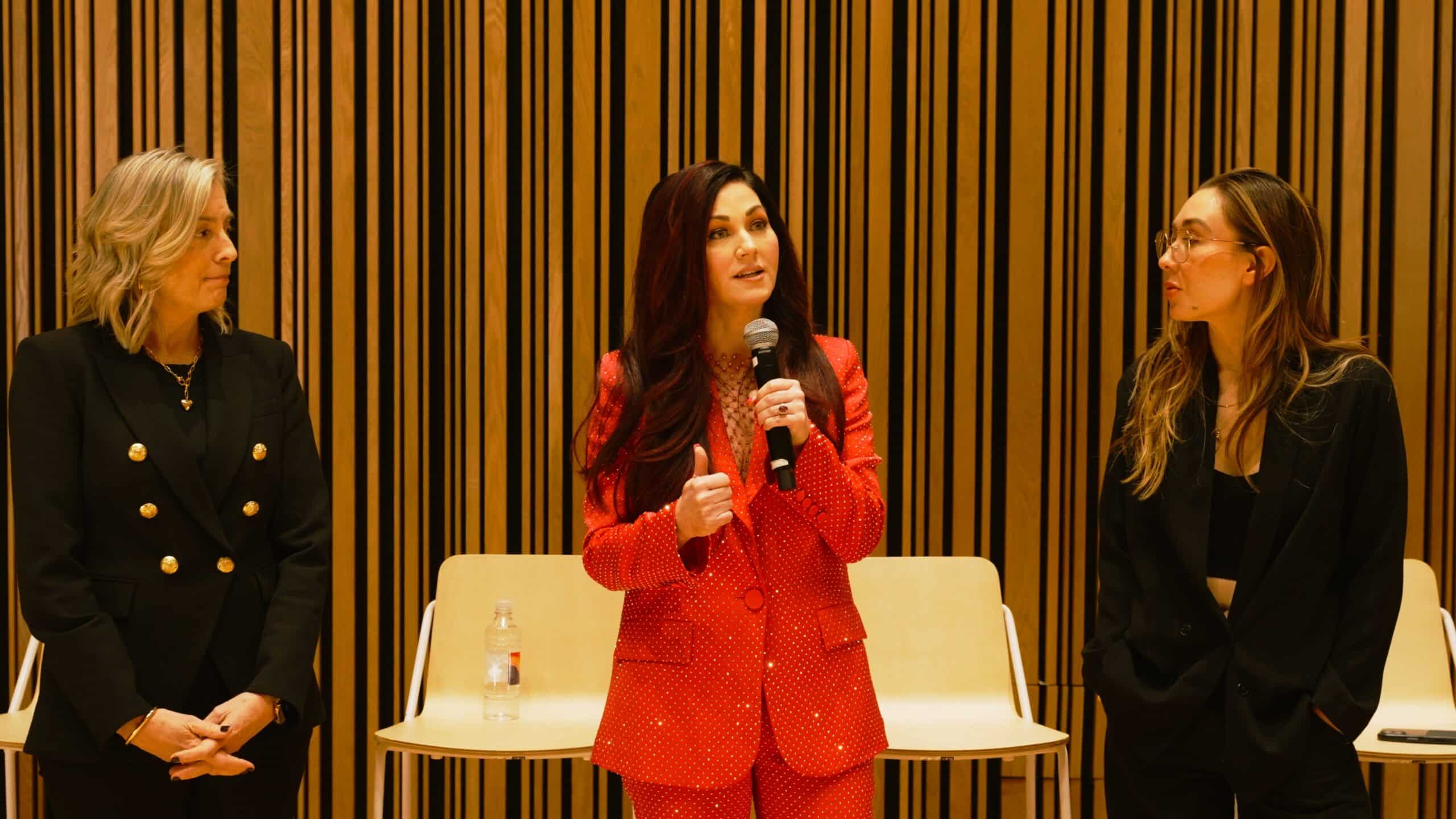
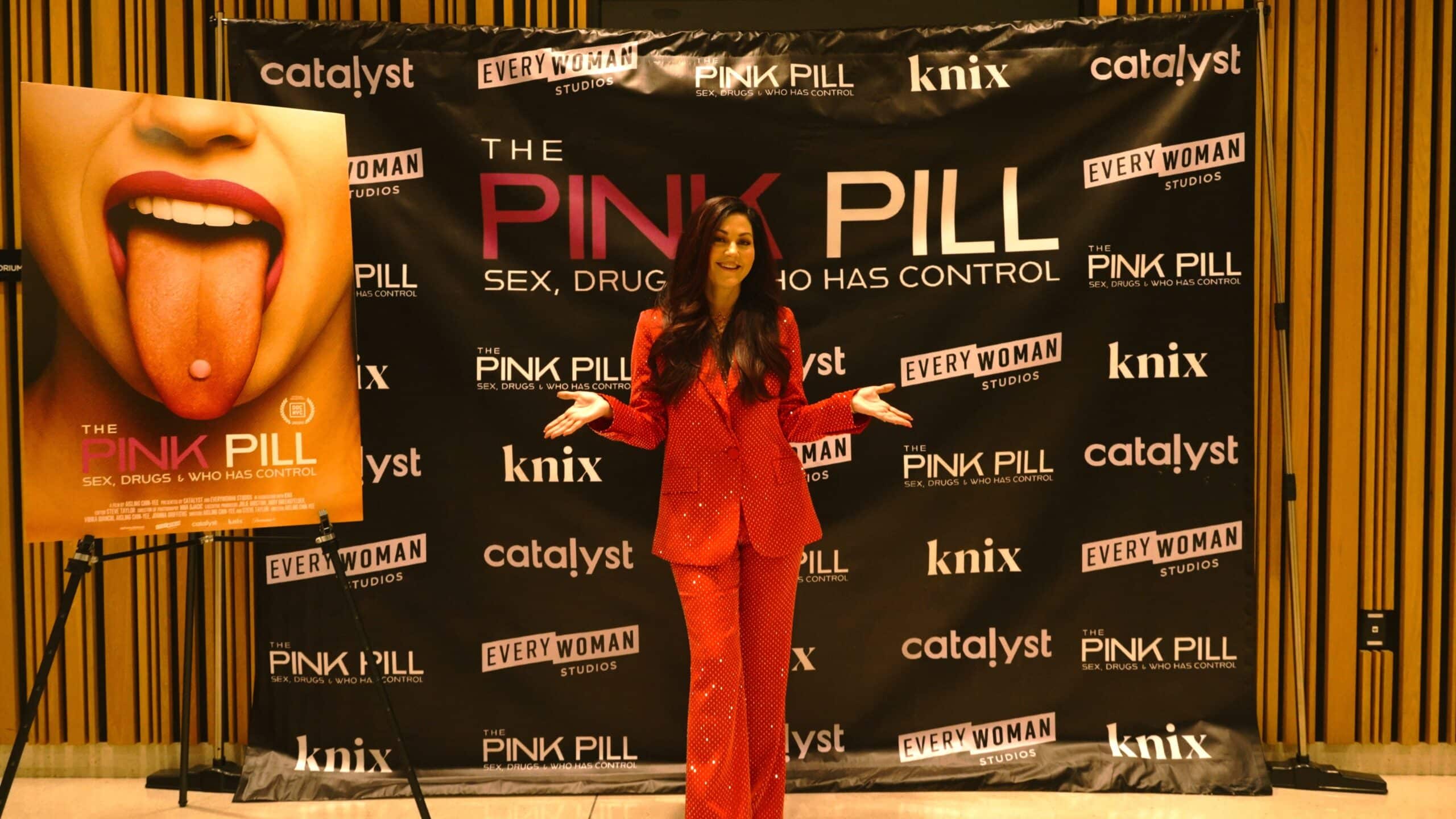
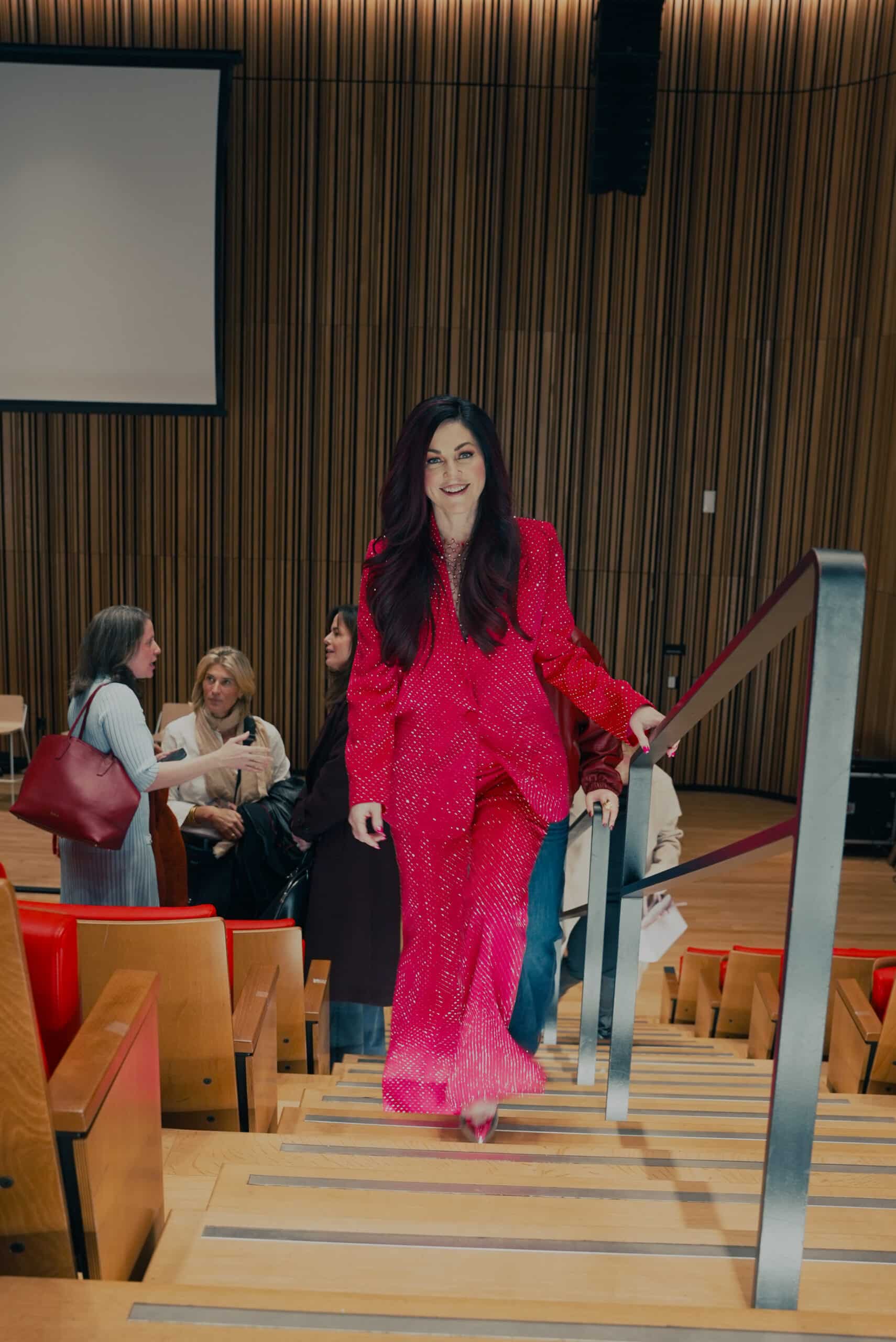
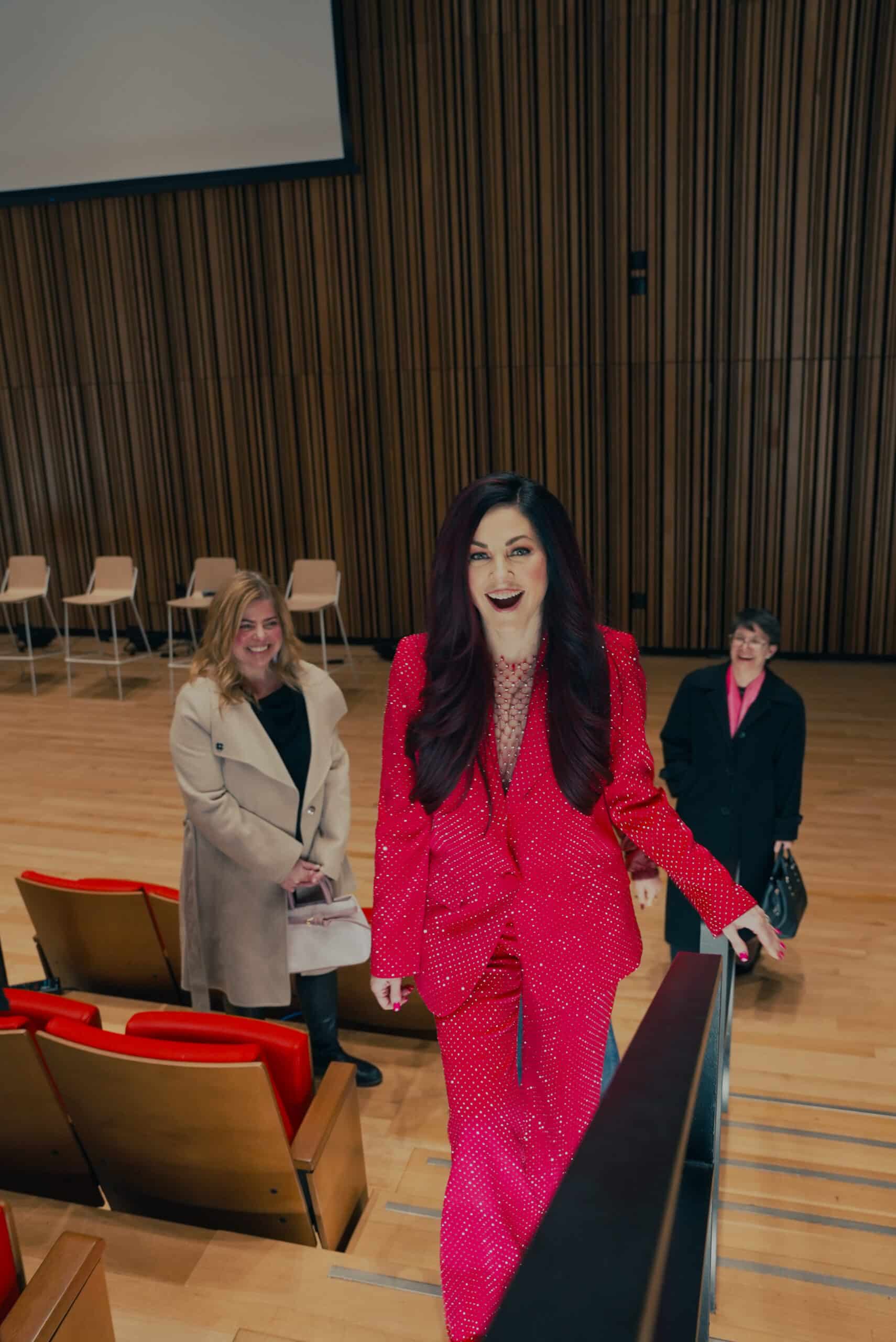
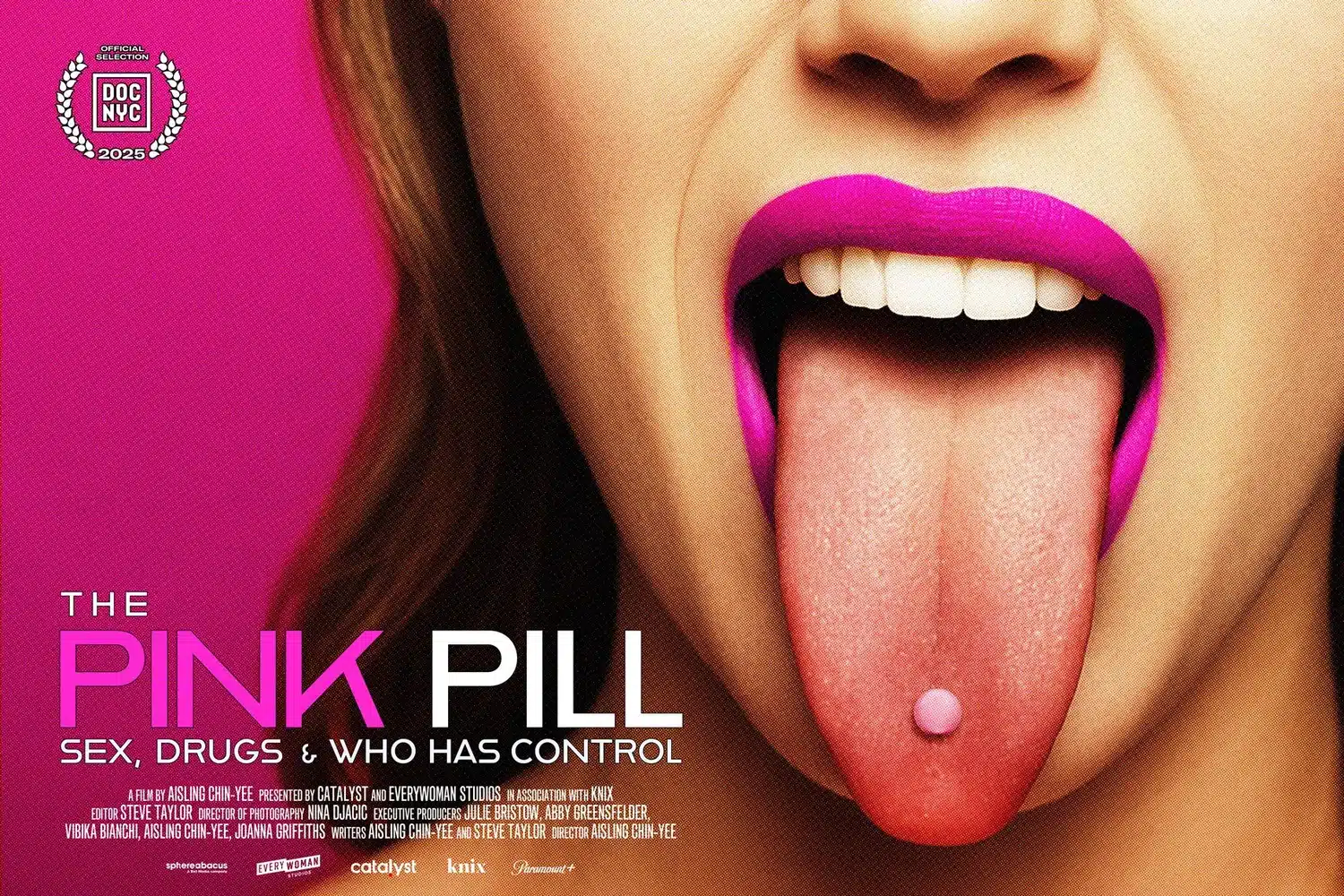
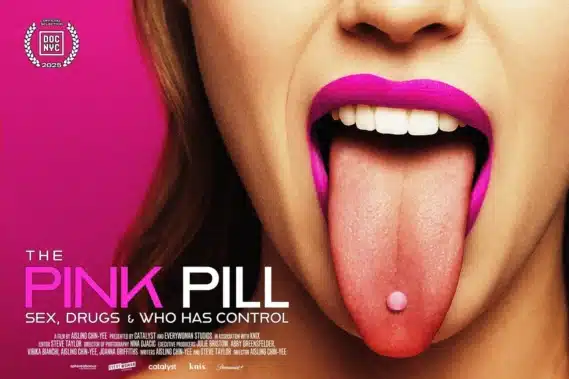
The Pink Pill: Power, Politics, and the Price of Women’s Pleasure‘s private premiere screening in Washington, DC at the Martin Luther King Jr. Memorial Library felt especially apt. Set inside one of the city’s most civic-minded spaces — a hub for public dialogue, culture and ideas — the film lands not simply as entertainment, but as a catalyst for conversation. “The Pink Pill,” is a new doc on the fight to bring the “female Viagra” to market. The Aisling Chin-Yee’s documentary about Cindy Eckert battling to bring to market a pill that boosts a woman’s sexual desire, produced by Julie Bristow of Catalyst and Abby Greensfelder of Everywoman Studios, was followed by a Q&A moderated by Kara Swisher.
In Washington, power is often exercised quietly — through committees, approvals and decisions framed as “process.” The Pink Pill understands this instinctively. What presents itself as a documentary about a medication unfolds instead as a revealing study of who holds authority over women’s bodies and how that authority is wielded behind closed doors.
At the center is a small, pink pill that became a political object the moment it challenged a long-standing imbalance. Male sexual health has long been treated as a quality-of-life issue worth solving. Female sexual health, by contrast, has been met with hesitation, moralizing and endless requests for proof. The film traces the institutional resistance that followed — not with outrage, but with clarity.
Shot with a sleek, modern aesthetic that contrasts sharply with the conservative machinery it interrogates, The Pink Pill moves easily between boardrooms, regulatory corridors and cultural flashpoints. It exposes how decisions framed as scientific neutrality often reflect deeply ingrained biases — and how difficult it can be to disrupt them when tradition and power reinforce one another.
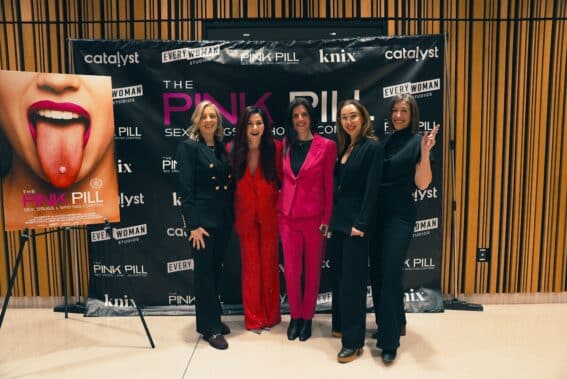
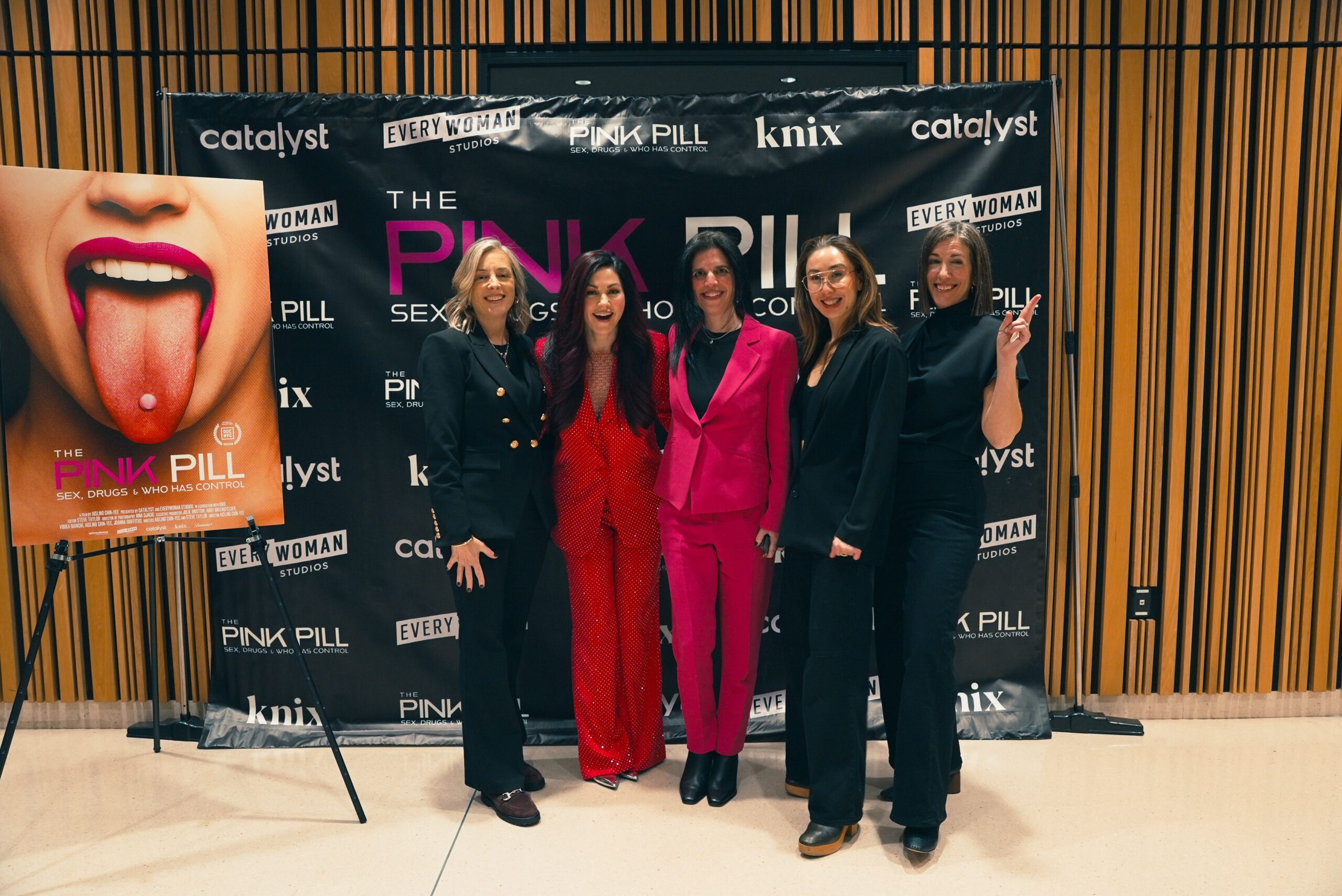
Julie Bristow, Producer, Catalyst Studios; Cindy Eckert, CEO of Sprout Pharmaceuticals and subject of “The Pink Pill;” Jenny Abramson, Rethink Impact (VC backing female entrepreneurs) Aisling Chin-Yee, “The Pink Pill” director; Abby Greensfelder, Producer, Everywoman Studios
This is a story Washington knows well: Innovators collide with gatekeepers; data meets discomfort; progress is slowed not by lack of evidence, but by lack of imagination. The documentary never overstates its case. Instead, it lets the imbalance speak for itself, revealing how women are still required to defend the legitimacy of their own experiences.
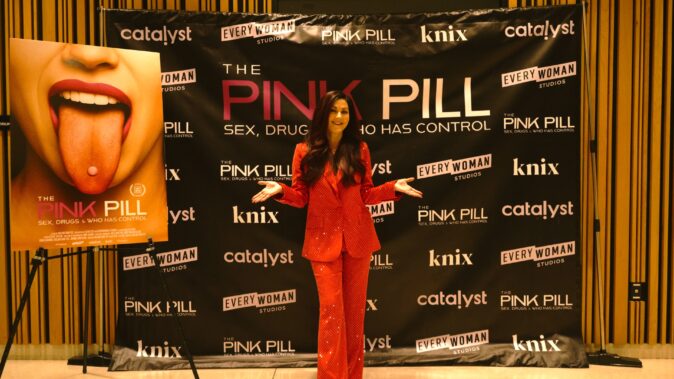
Following the screening, a moderated panel discussion brought the film’s themes squarely into the Beltway context. The conversation explored the intersection of medicine, regulation, culture and power — and how decisions made in institutional rooms ripple into personal lives. Panelists included voices spanning healthcare, policy, media and women’s advocacy, offering multiple vantage points on why women’s health remains one of the most contested arenas in modern medicine.
Guided by a moderator versed in both policy and storytelling, the discussion promised to move beyond the screen — examining not just what The Pink Pill reveals, but what it demands next. In a city that understands influence and consequence, it’s exactly the kind of dialogue that belongs here.
What makes The Pink Pill resonate beyond the screen is its timing. In an era of renewed debate over healthcare access, bodily autonomy,and who gets a seat at the decision-making table, the film feels less like a retrospective and more like a reminder: Policy is personal, even when it pretends not to be.
For Washington audiences, this screening is more than a night at the movies. It’s a chance to engage with the politics embedded in medicine — and the power dynamics still shaping women’s health today.