Photo credit: Courtesy of Universal Pictures
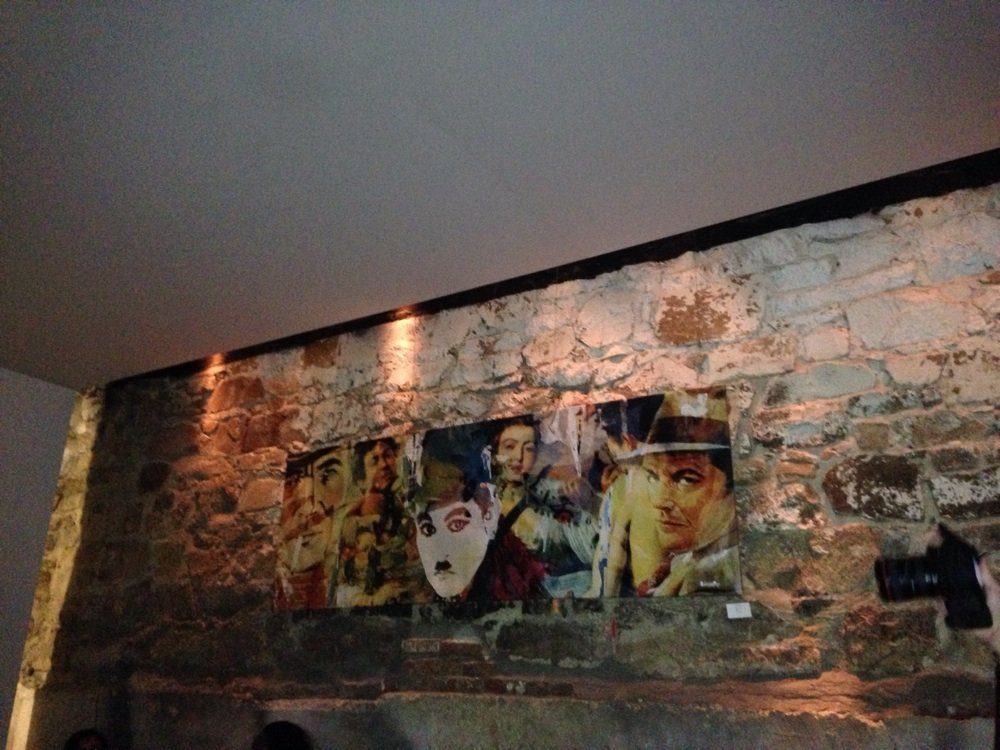
While police security was being served up around the country by Universal Pictures for the weekend release of Straight Outta Compton, it was no where in sight at L2 in Cady’s Alley in Georgetown where D.C. Powerati were hosted by Digi-Cultural Trend Analyst and Lnk Agency founder Lauren deLisa Coleman. Keep in mind though that this is Washington where secrecy is a trademark. It would not be out of character for the FBI or CIA to be lurking around Kafe Leopold adjacent to L2 Lounge doing lattes. Think James Bond.
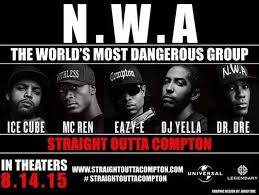
Executive producer Bill Straus discussed the film in a lengthy Q and A by explaining not only insider insight behind the making of the film, but also tips on thought-leadership regarding the applying of and leveraging of Straight Outta Compton’s huge success in outreach and campaigning. “The mash-up of entertainment and public policy worlds in this particular manner is rare and yielded some interesting surprises.” said the organizers.
Straus told Hollywood on the Potomac why he was drawn into this film: “I was the kid in high school in the early 80s in Brooklyn. I was way ahead of people in terms of rap music even in my own school. Me and my group of friends were the guys into that type of music I guess, and the break dancing culture of the early 80s in New York. That stayed with me in college. I was friends with John Singleton and I ended up working on Boyz in the Hood. I always looked for so called urban films. I’ve always been in this space as a producer.”
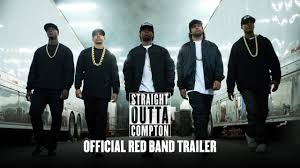
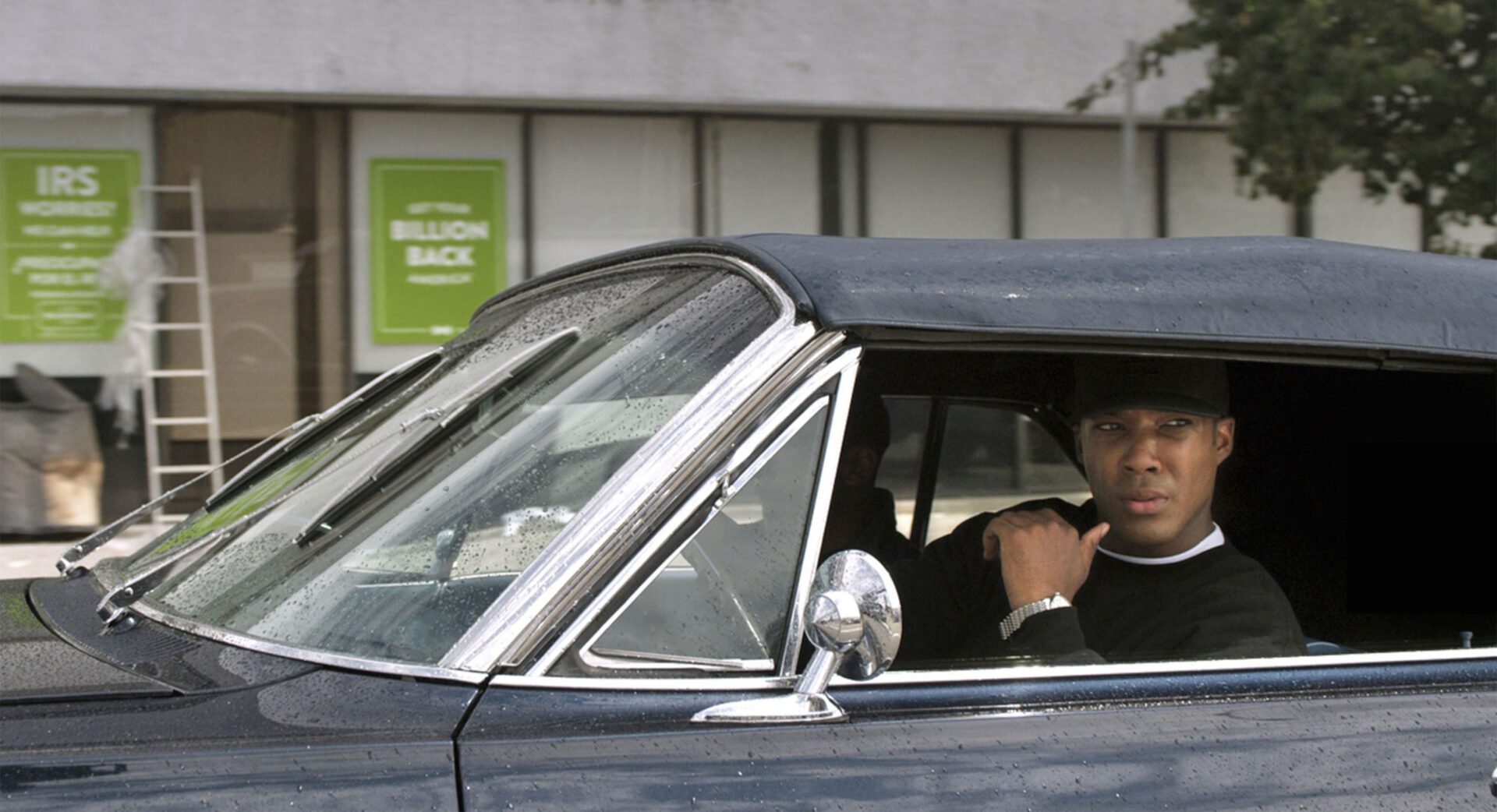
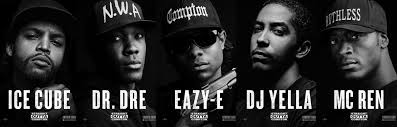
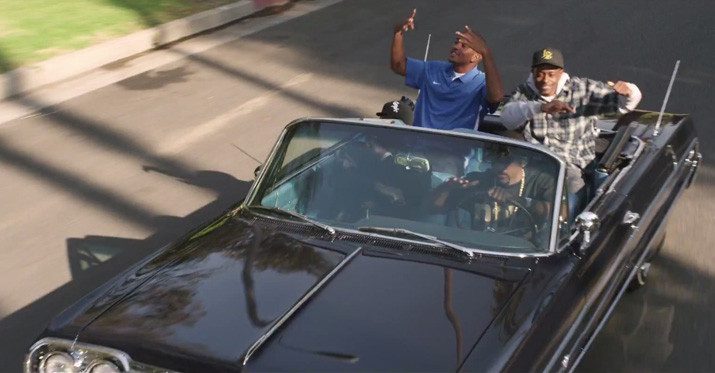
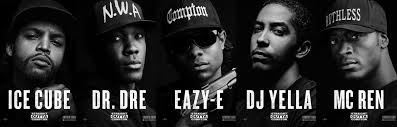
About the film: “In 1988, a groundbreaking new group revolutionizes music and pop culture, changing and influencing hip-hop forever. N.W.A’s first studio album, “Straight Outta Compton,” stirs controversy with its brutally honest depiction of life in Southern Los Angeles. With guidance from veteran manager Jerry Heller, band members Ice Cube (O’Shea Jackson Jr.), Dr. Dre (Corey Hawkins), Eazy-E, DJ Yella and MC Ren navigate their way through the industry, acquiring fame, fortune and a place in history.” Production Notes
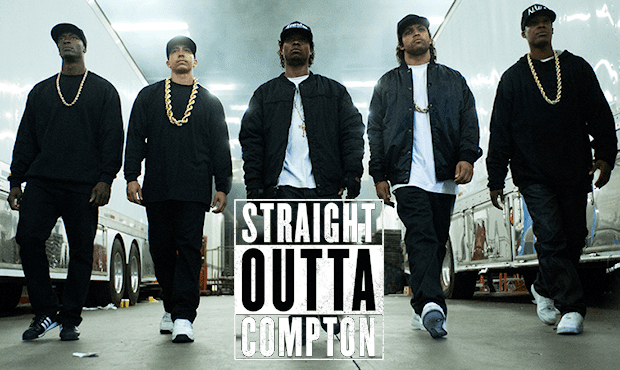
We asked Straus if he thought it was racist to station cops outside of theaters when they don’t for violent films made with white people: “I think there was security at a lot of theaters around the country. The one I went to in Brooklyn had some cops. So maybe, maybe it was racist. I think that’s a tough one. I think some people are seeing it as racist, but I’m not sure. In retrospect, yes it feels racist.” We also asked him why he thought people were so afraid of the rap culture. “I think the word is that they underestimate it, because I think there’s a bigger problem. I’m actually more of an independent sales agent now and that’s a little different animal. People are afraid the films won’t make money internationally. I think that’s something that I’m really hoping that Compton will do. It’s hard to get those films made because people don’t see the worldwide appeal. I think this movie’s going to prove that there’s a lot of world wide appeal.”
The film’s uncanny timing with cultural unrest in Ferguson, Baltimore and other cities did not go unnoticed; nor did the challenge for policy makers. It’s a cinematic Playbook to help the public sector ‘better connect and resonate with today’s tech-savvy, pop culture citizen via innovative strategy, research, and consulting on cultural intelligence.’ The timing of the film was not intentional. Straus had been working on it for over a decade.
“I definitely follow politics, and of course, have followed the variety of events around police encounters with citizens of color,” said Straus. “We are living in very interesting times. I am not sure if policy makers are quite ready for the level of new strategy and communication and really, engagement that is and will be needed. Additional experts from new and innovative areas will be key in helping them to create new methodologies.” He discussed how best to connect people ‘in an era where the noise of images, notifications, videos, and texts are a standard part of everyone’s day.’
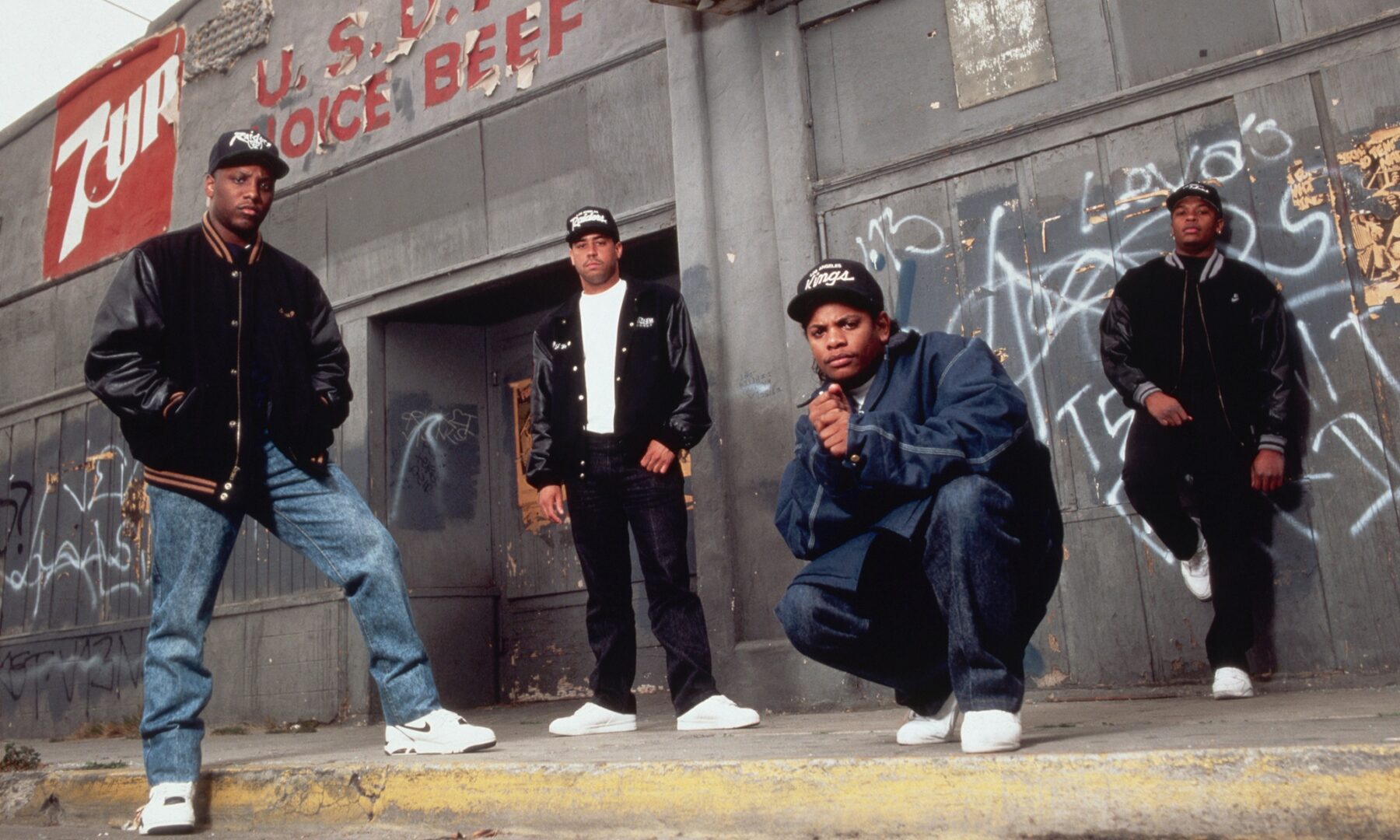
Portrait of members of the rap group, NWA, including DJ Yella, MC Ren, Eazy-E (2nd from right), and Dr. Dre (right), standing in front of an abandoned convenience store. — Image by © CORBIS
Variety calls it “A conventional music-world biopic in outline, but intensely human and personal in its characterizations and attention to detail.” Rolling Stone says: “An amazement, an electrifying piece of hip-hop history that speaks urgently to right now.” Selma director Ava DuVernay claims it as “A classic,” citing “swoon-worthy cinematography,” the “terrific performances” and “fab costumes” among other things. The box office accrued a whopping $56.1 million in its debut weekend.
We asked Straus if he was expecting such a grand slam at the box office. “Honestly, I have a witness that I was. I was having drinks with a friend in, I don’t know, May, he’s like, ‘Oh, it’s going open at like 30 million,’ and I’m like, ‘More’. He’s like, ’40 million,’ and I’m like, ‘More.’ I’m a little bit of a dreamer, that was part of it. The thing that has surprised me more that is that there’s already talk about The Academy Awards. That I didn’t see coming.”
The Trailer: