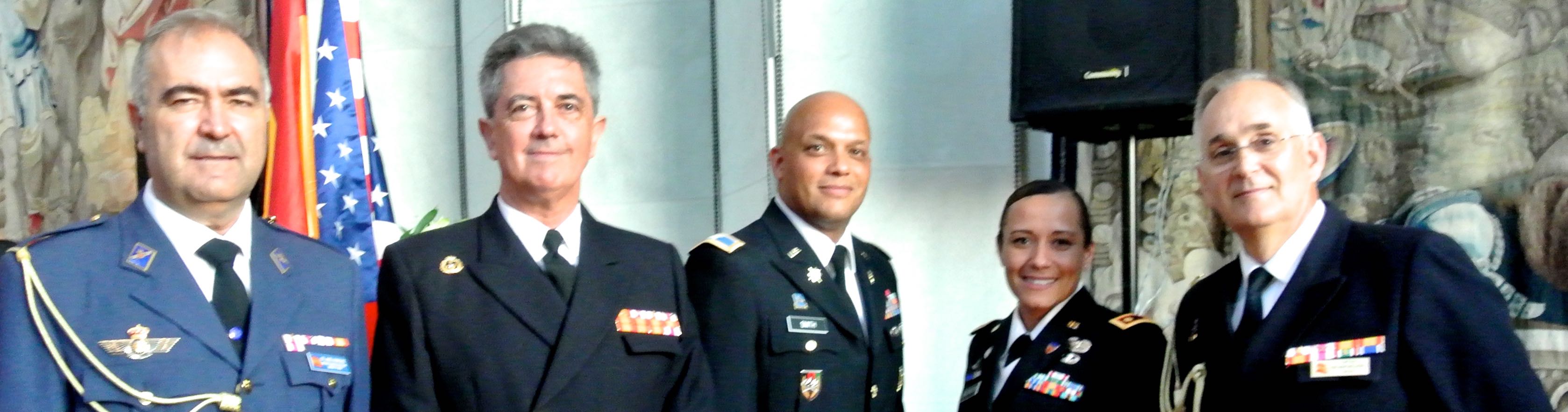
Photo credit: Janet Donovan
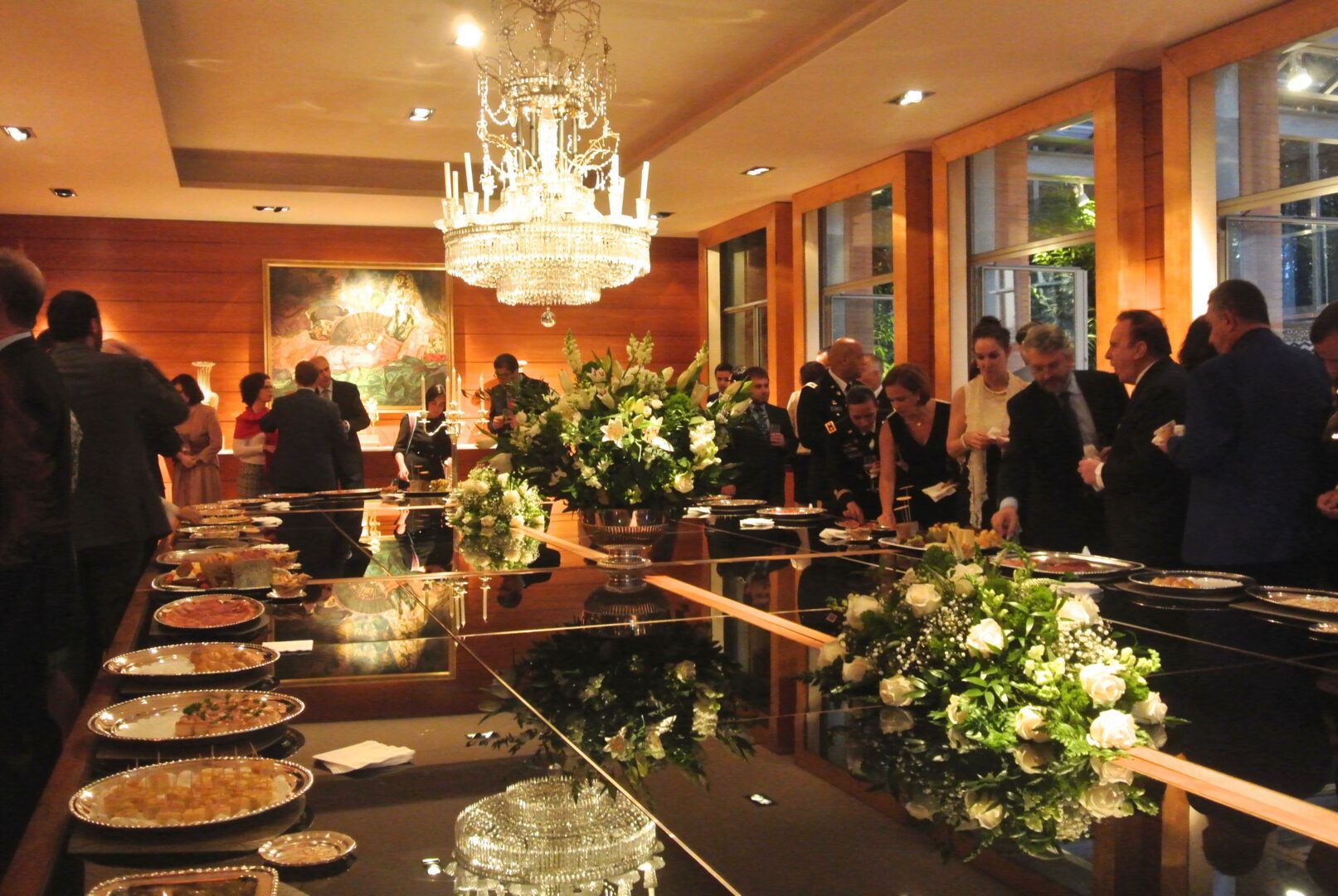
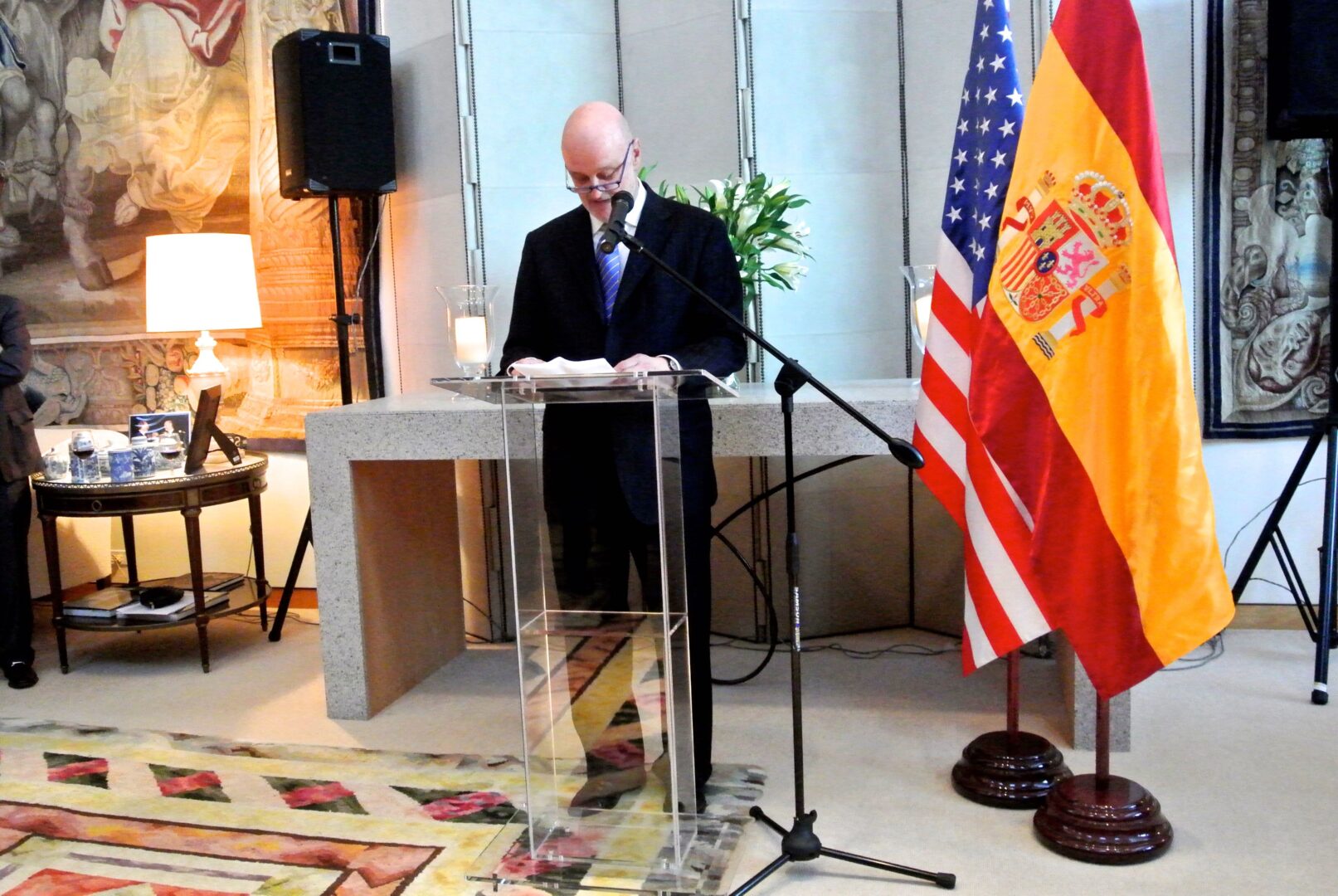
“Beyond the historical facts with all it’s slights and it’s shadows, we celebrate a deed that marked the connection with Spain to what was to become the Americas, a deed that forever changed the way our nation is and the way we look at the world,” Ramón Gil-Casares, The Ambassador of Spain, told guests at his residence on the duel occasions of both Columbus Day and Spanish National Day.
The deed was a reference to Bernarado de Gálvez, a Spanish military leader and colonial administrator whose name is not as familiar in American history as it is in Spain. According to history buffs, Gálvez aided the American Thirteen Colonies in their quest for independence and led Spanish forces against Britain in the Revolutionary War, defeating the British at the Siege of Pensacola (1781) and reconquering Florida for Spain. He spent the last two years of his life as Viceroy of New Spain. The city of Galveston, Texas, was named for him although most of us recognize the town through the musical lens of Glen Campbell’s 1969 country western hit song “Galveston,” the lyrics of which have nothing to do with Gálvez that we know of, but a memorable song.
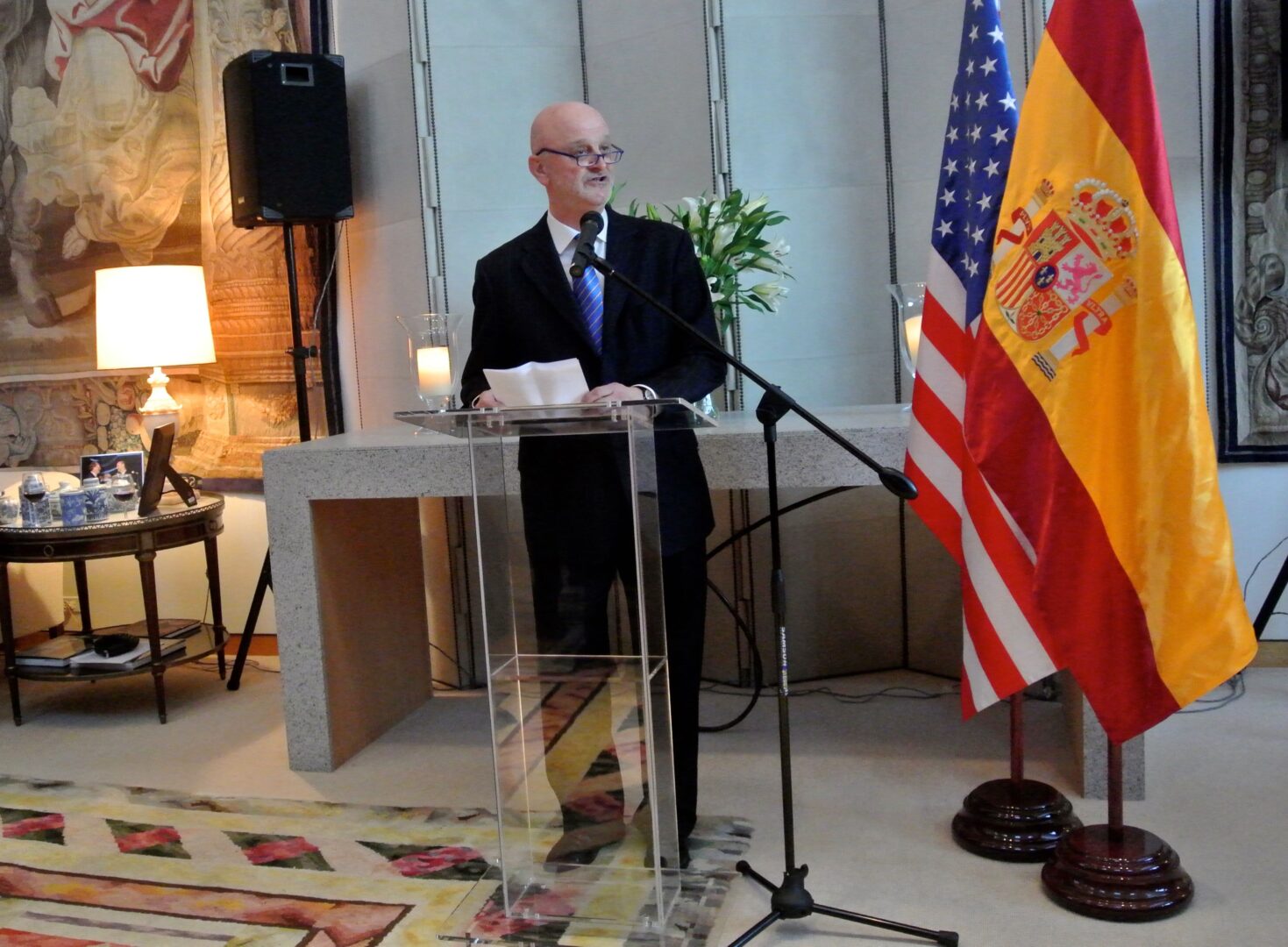
“This past year has been rich in commemorations of that common history that we share. At the very end of 2014, Bernardo de Gálvez was bestowed the honorary citizenship, a rare honor enjoyed by only seven people in the world until now and this is a recognition to Bernardo de Gálvez’s contribution to the independence of this country,” Ambassador Gil-Casares added.
“We celebrate the fact that 523 years ago this year, the Spanish flotilla under the command of Admiral Christopher Columbus and commissioned by the Catholic Majesties Isabella and Ferdinand, reached the coast of what turned out to be an unknown continent for the Europeans of the times.” Now that’s something Americans do know about. Call it grade school History 101: In fourteen hundred ninety-two Columbus sailed the ocean blue. He had three ships and left from Spain; He sailed through sunshine, wind and rain. He sailed by night; he sailed by day; He used the stars to find his way.
This Day in History tells it this way: “On August 3, 1492, Columbus set sail from Palos, Spain, with three small ships, the Santa Maria, the Pinta, and the Nina. On October 12, the expedition reached land, probably Watling Island in the Bahamas. Later that month, Columbus sighted Cuba, which he thought was mainland China, and in December the expedition landed on Hispaniola, which Columbus thought might be Japan. He established a small colony there with 39 of his men. The explorer returned to Spain with gold, spices, and “Indian” captives in March 1493 and was received with the highest honors by the Spanish court. He was the first European to explore the Americas since the Vikings set up colonies in Greenland and Newfoundland in the 10th century.”
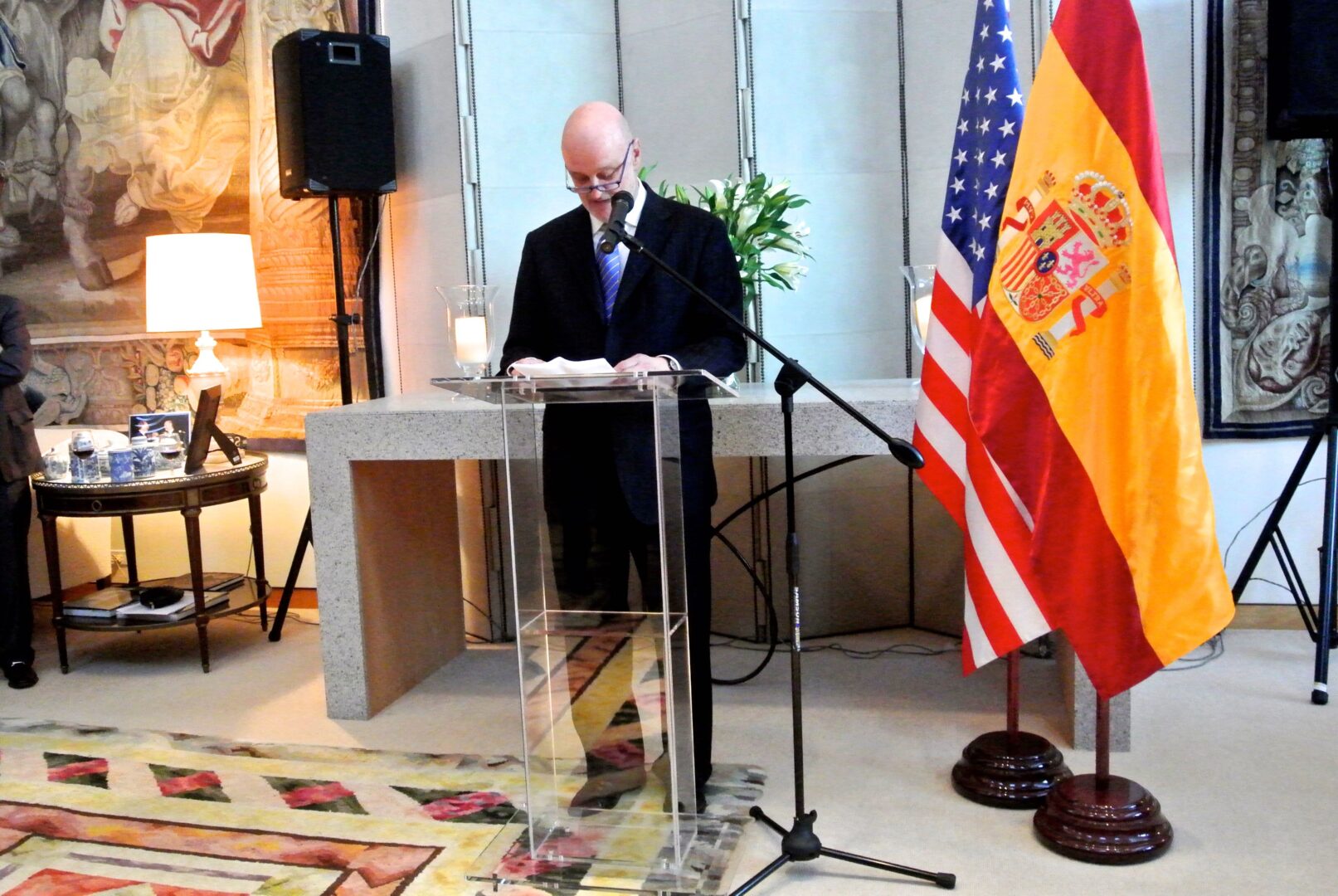
Ambassador Gil-Casares
“Only a couple of weeks ago, the oldest existing city in the mainland United States, Saint Augustine … San Agustin we call it … founded by Pedro Menendez de Aviles…… celebrates its 450th birthday,” Gil-Casares explained. “The occasion was marked by the presence in San Agustin by His Majesty the King, Felipe VI who had stayed together with Her Majesty Queen Letezia, his first official visit to the United States after his proclamation as King of Spain in 2014. This royal visit has been a perfect opportunity to enhance the richness and opportunity of our bilateral relations.”
“Earlier in 2015, Spain and the United States of America agreed on a Third Amendment to the Bilateral Defense Cooperation Agreement,” he noted. “According to this agreement … to this amendment … there will be a permanent deployment in the airbase of Moron de la Frontera of a special purpose Marine Air-Ground Task Force. Our military are fighting shoulder to shoulder with the American US Armed Forces in different scenarios around the world, from Afghanistan to Somalia, from Lebanon to Iraq.”
“Culture is of course an important component of our relations from the 26,000 American college and high school students that are studying in Spain as we speak, ” he concluded, “to the important role of the Spanish language placed today in this country in education, research, and the media. I would like to mention in particular this year the International Festival that the Kennedy Center dedicated to the cultures of Spain and Portugal. The Iberian Suite, as it was called, showcased an impressive selection of artistic activities from music to painting and from dance to astronomy that filled Washington’s cultural arena with warmth and color.”
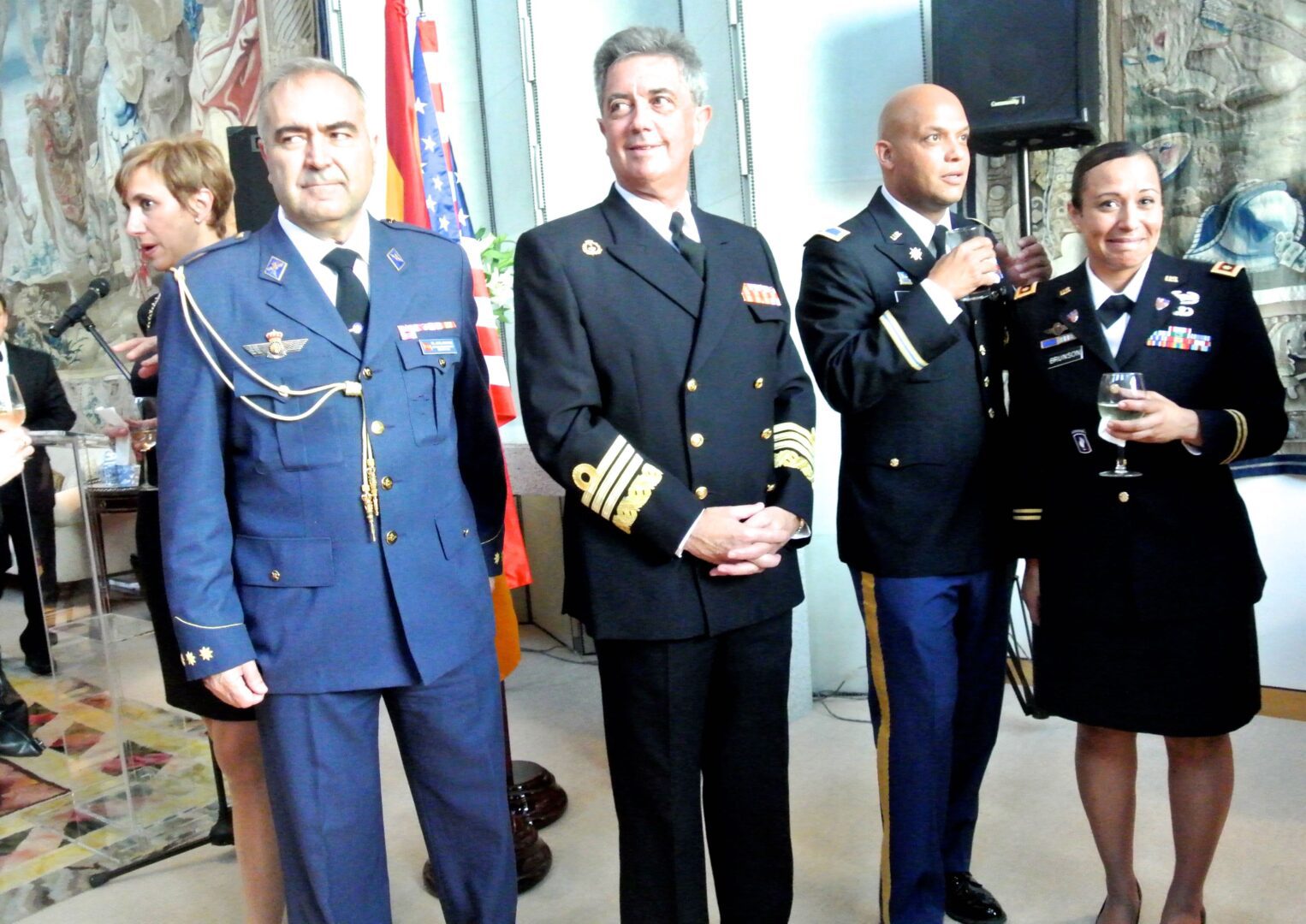
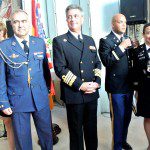
This of course, would explain a guest list that included lots of military brass, protocol officers and current and foreign Ambassadors.
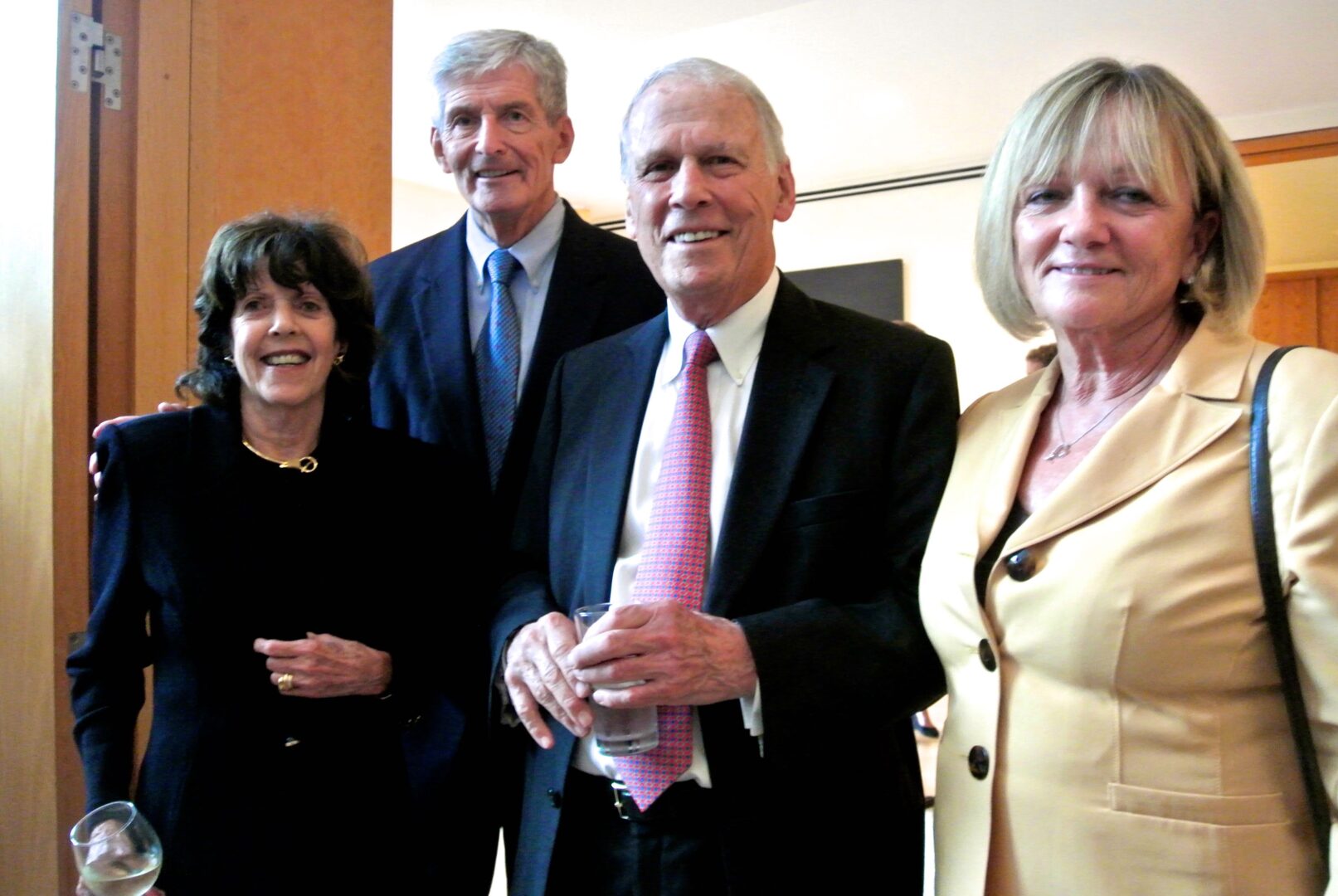
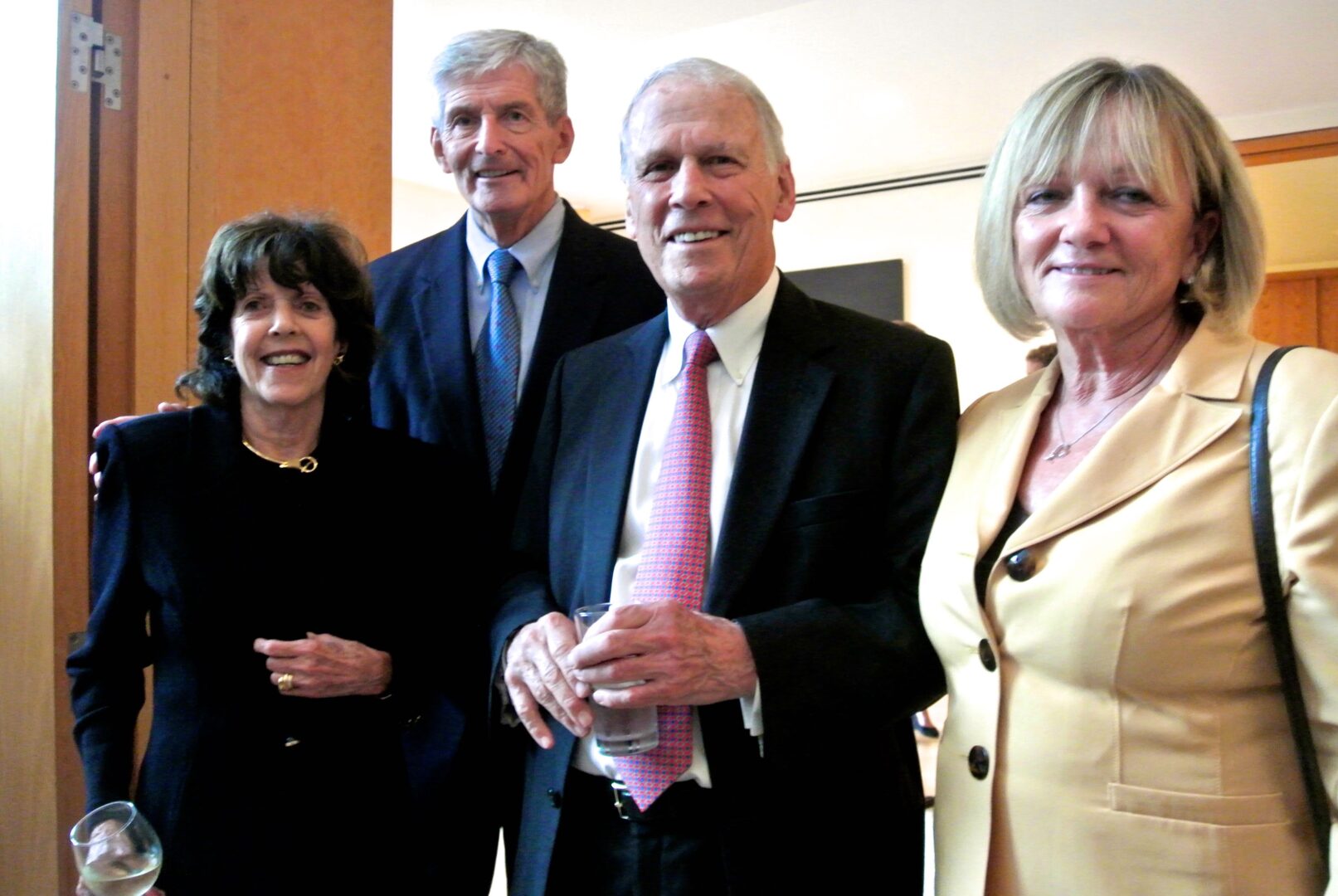
Didi Cutler (left) and former Ambassador Walter Cutler (center)



“The economic-financial relations in a context of speedy recovery of the economy of Spain, which is today one of the fastest growing economies in the Euro area, also allows for optimism, since both bilateral trade and investments have experienced significant growth in 2014 and 2015 with our eyes set on the future success. Of course, political dialogue at the highest level has also been of the agenda this year. I will not elaborate much on it, but apart from the royal visit that I have already mentioned, there has been the recent visit to Spain by the Secretary of Defense and the forthcoming visit to Madrid next month by the Secretary of State, John Kerry.”
“Finally, allow me to mention that only a few days after His Majesty’s visit to the United States, a Spanish friar, Junipero Serra, was canonized in Washington DC by His Holiness, Pope Francis. Junipero, now Saint Junipero, was responsible for the evangelization of California and the establishment of nine missions in that state which are again, a testimony of our common and maybe sacred heritage.”