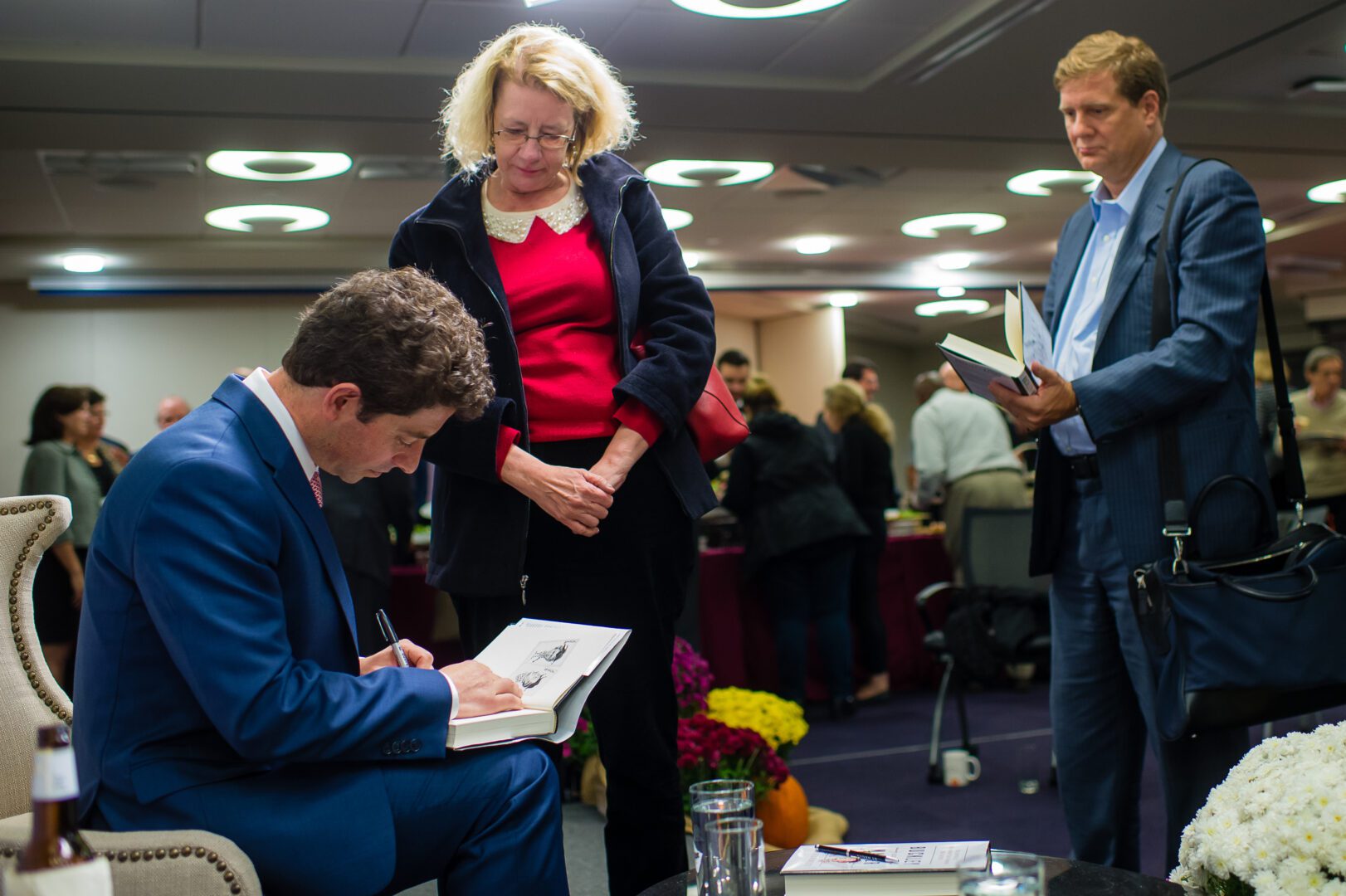

Photo credit: Greg Gibson
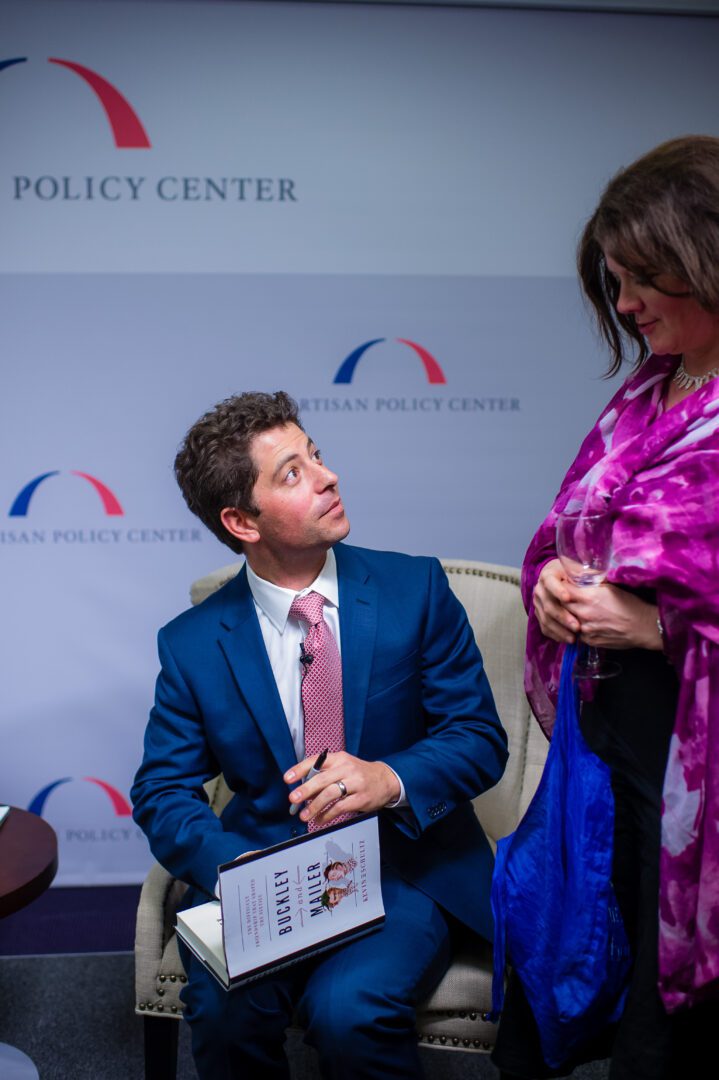
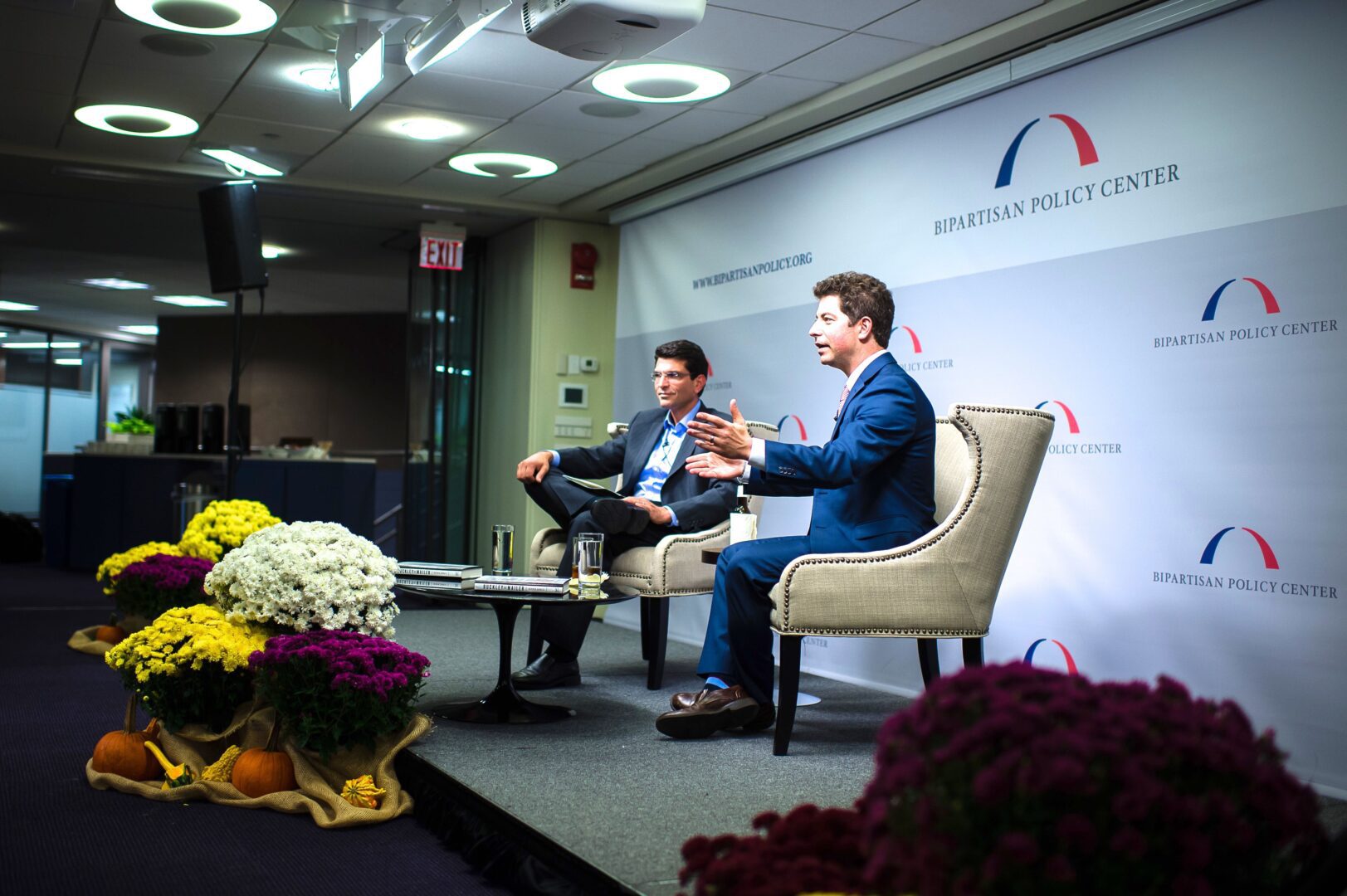
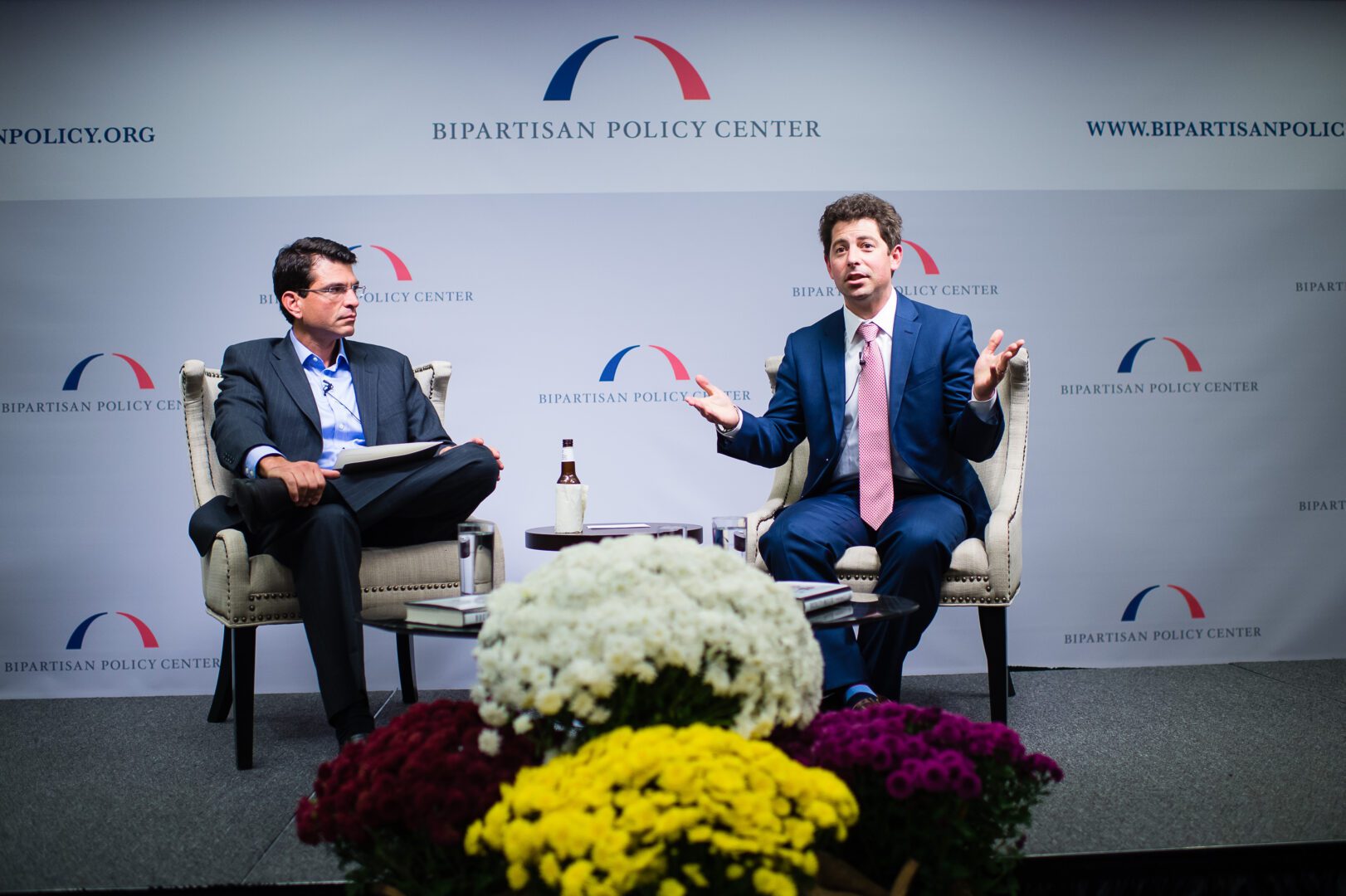
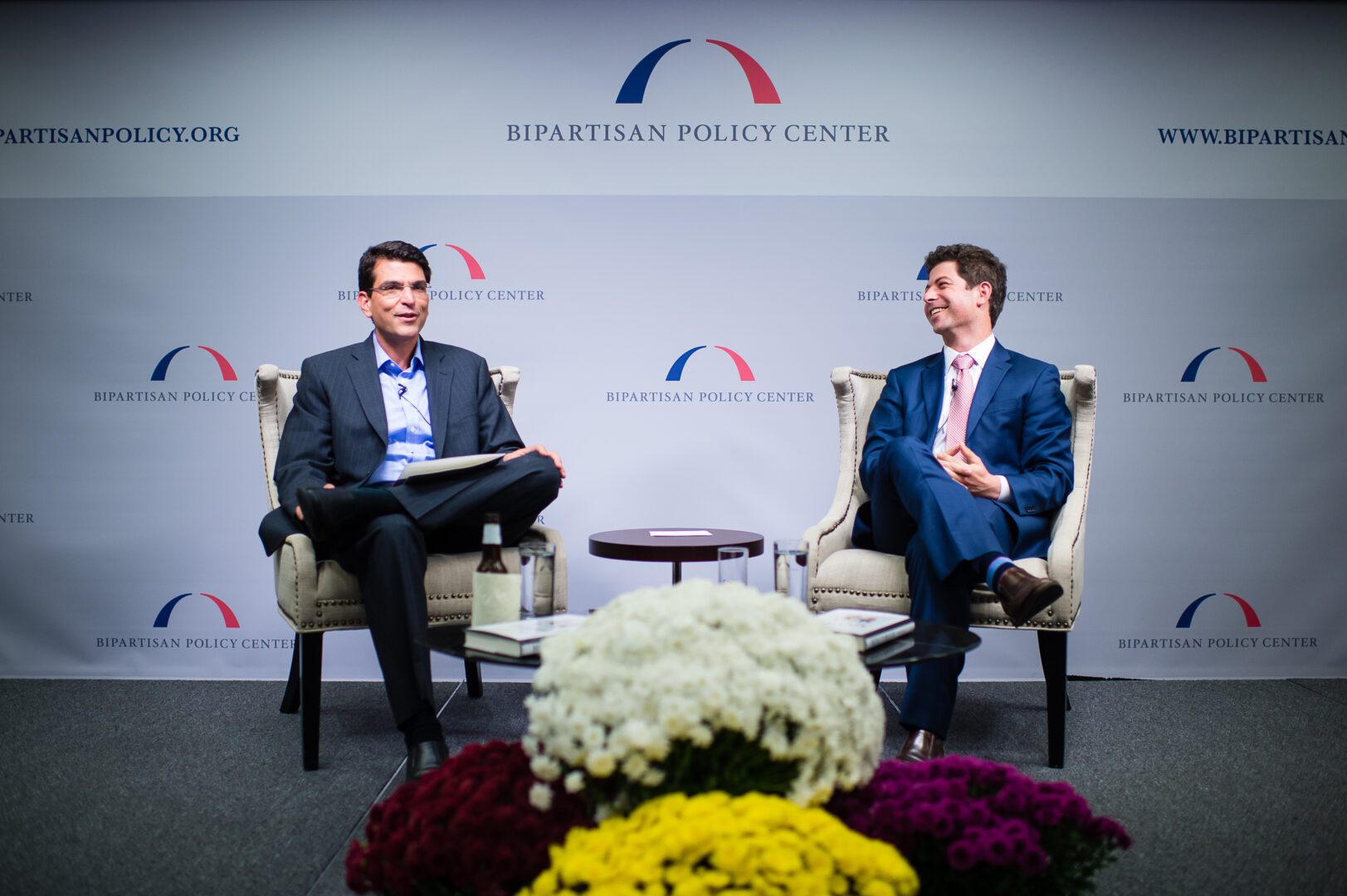
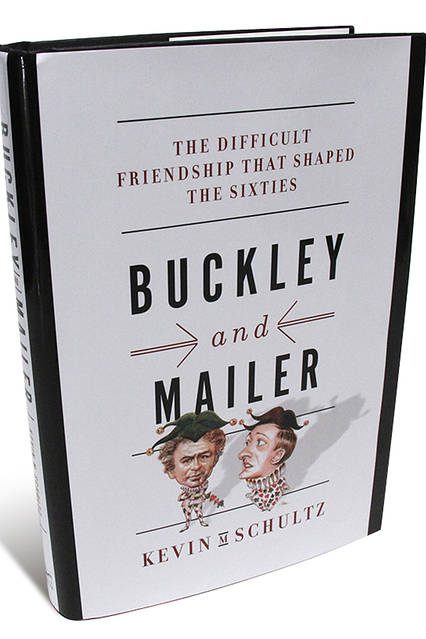
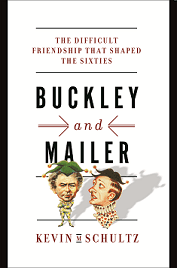
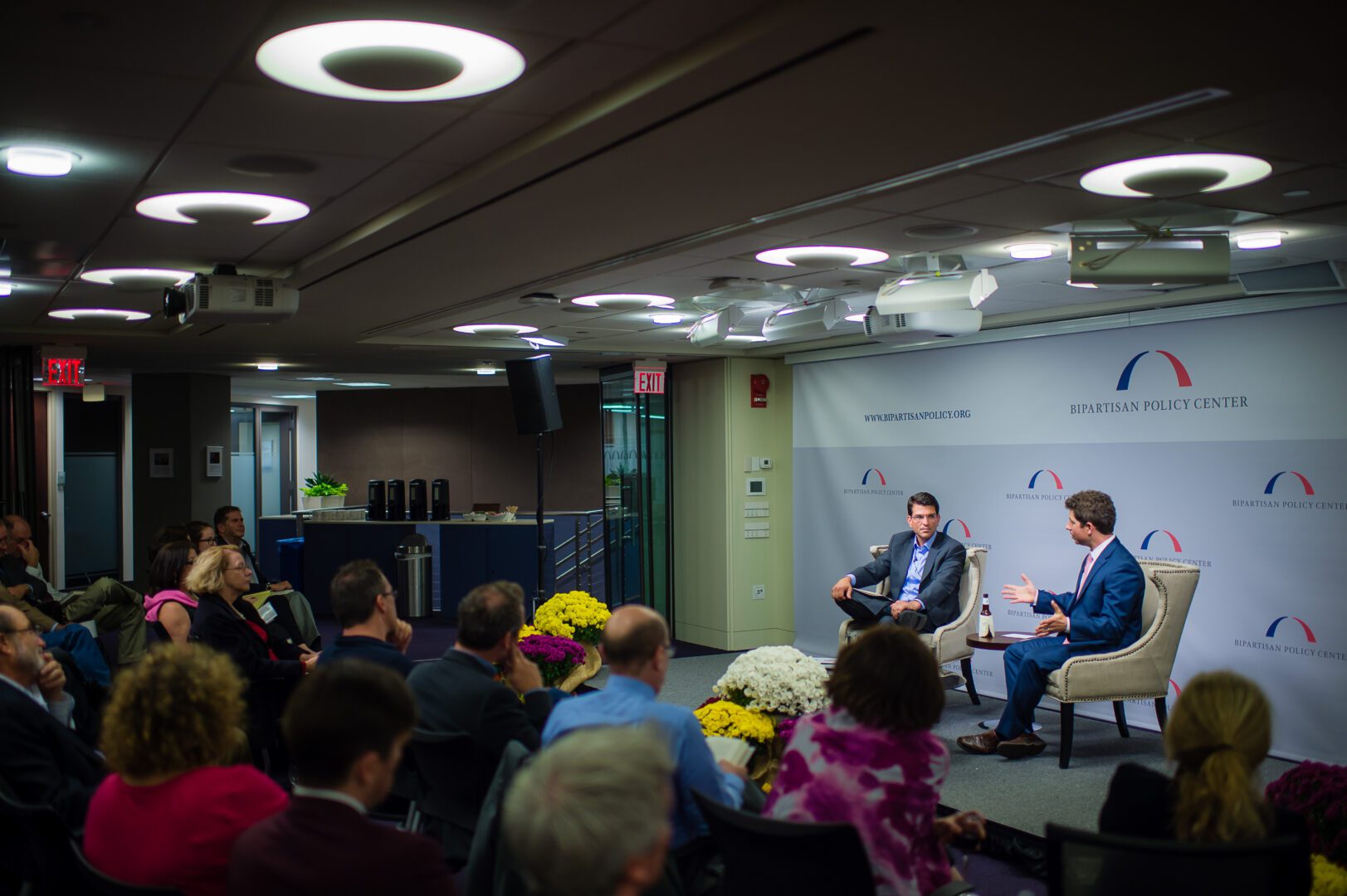
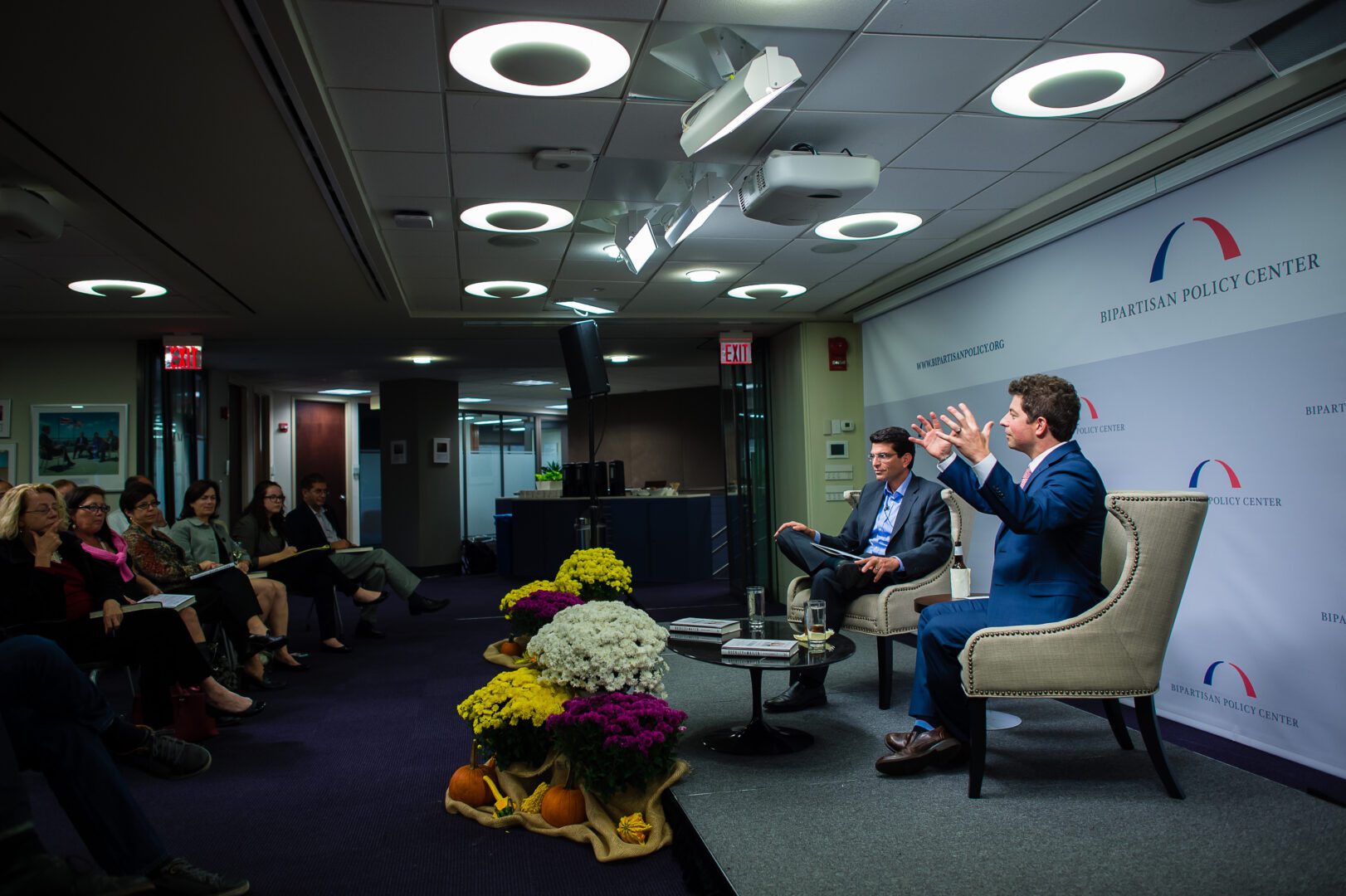
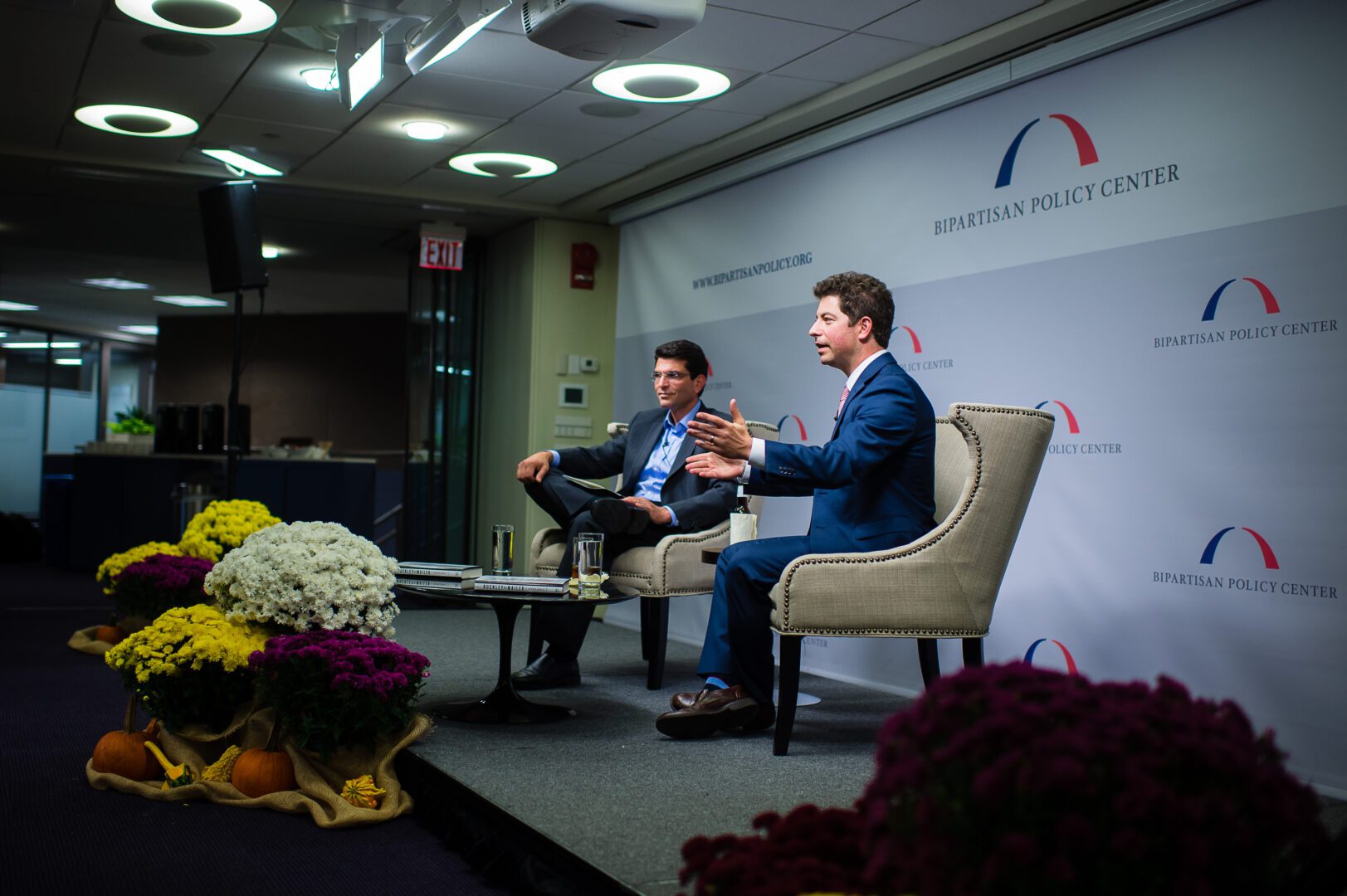
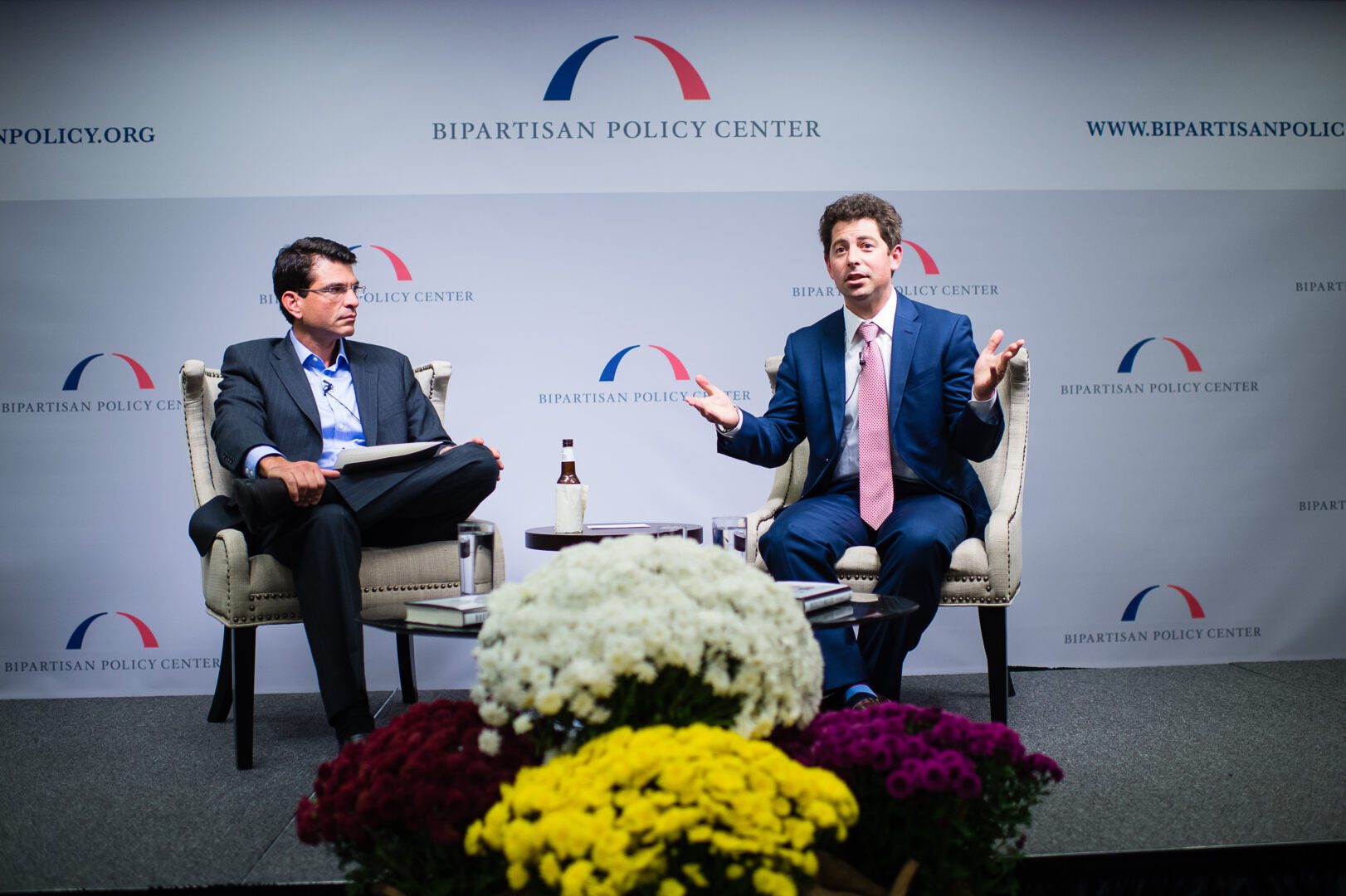
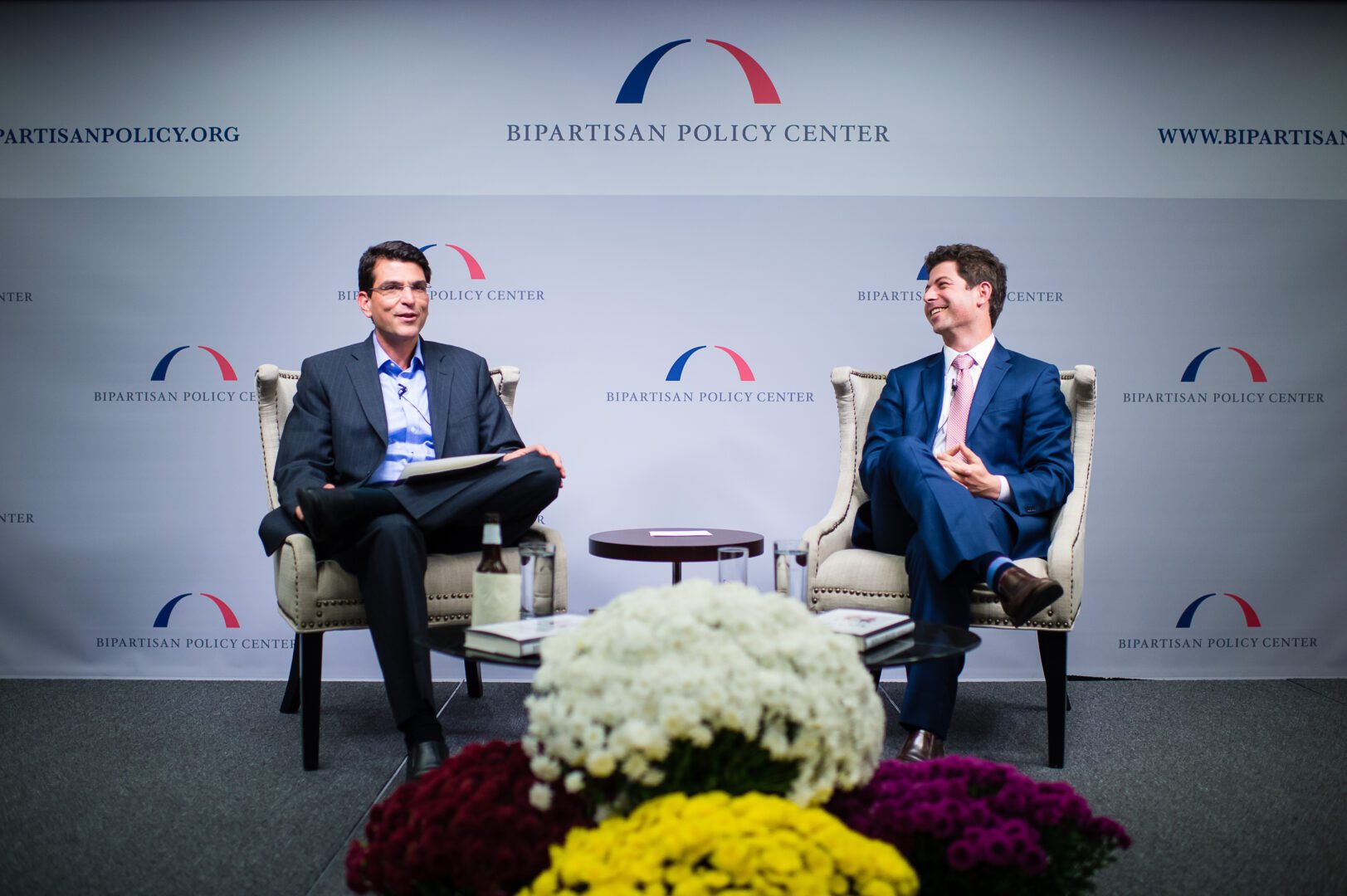
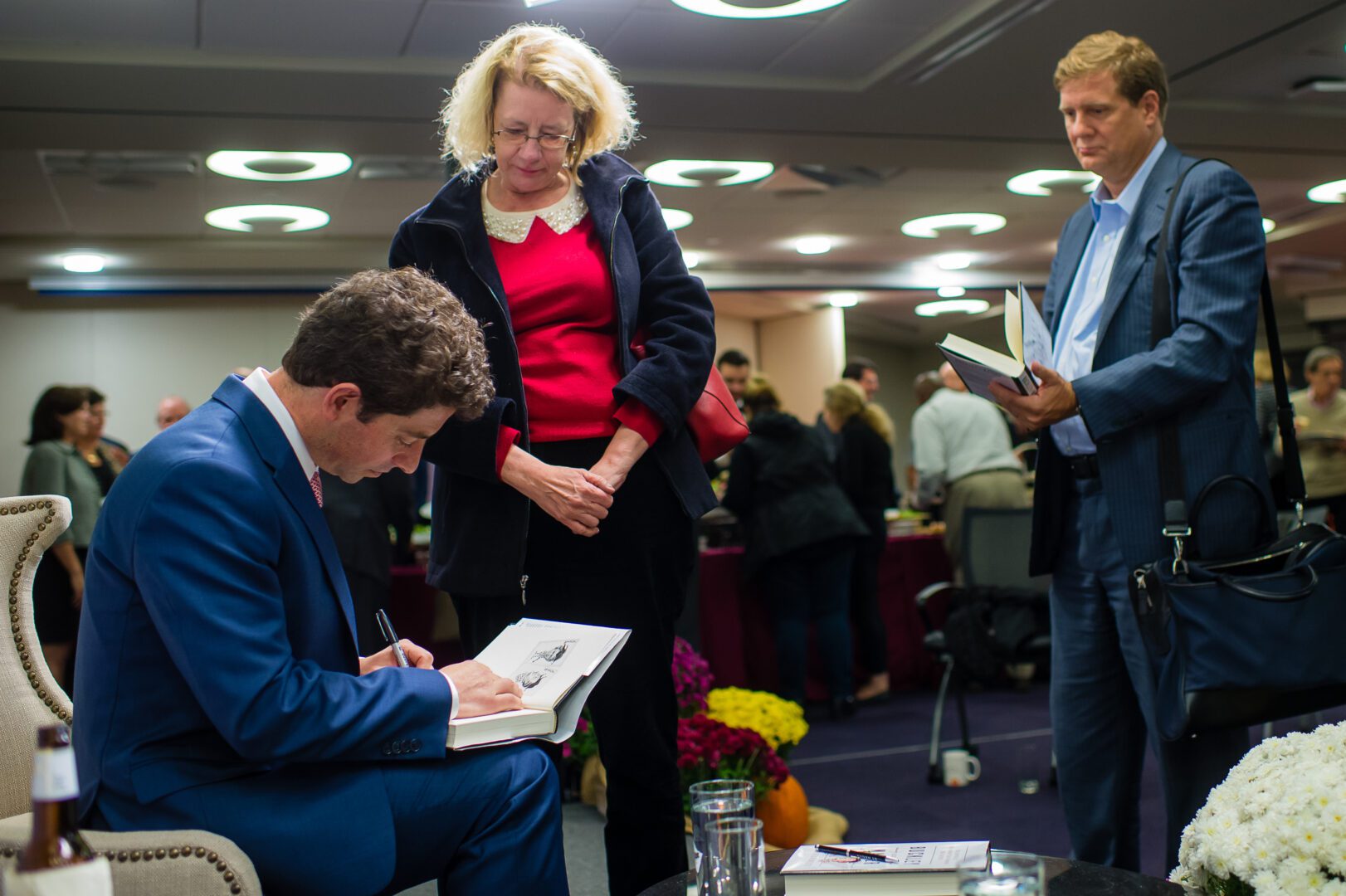
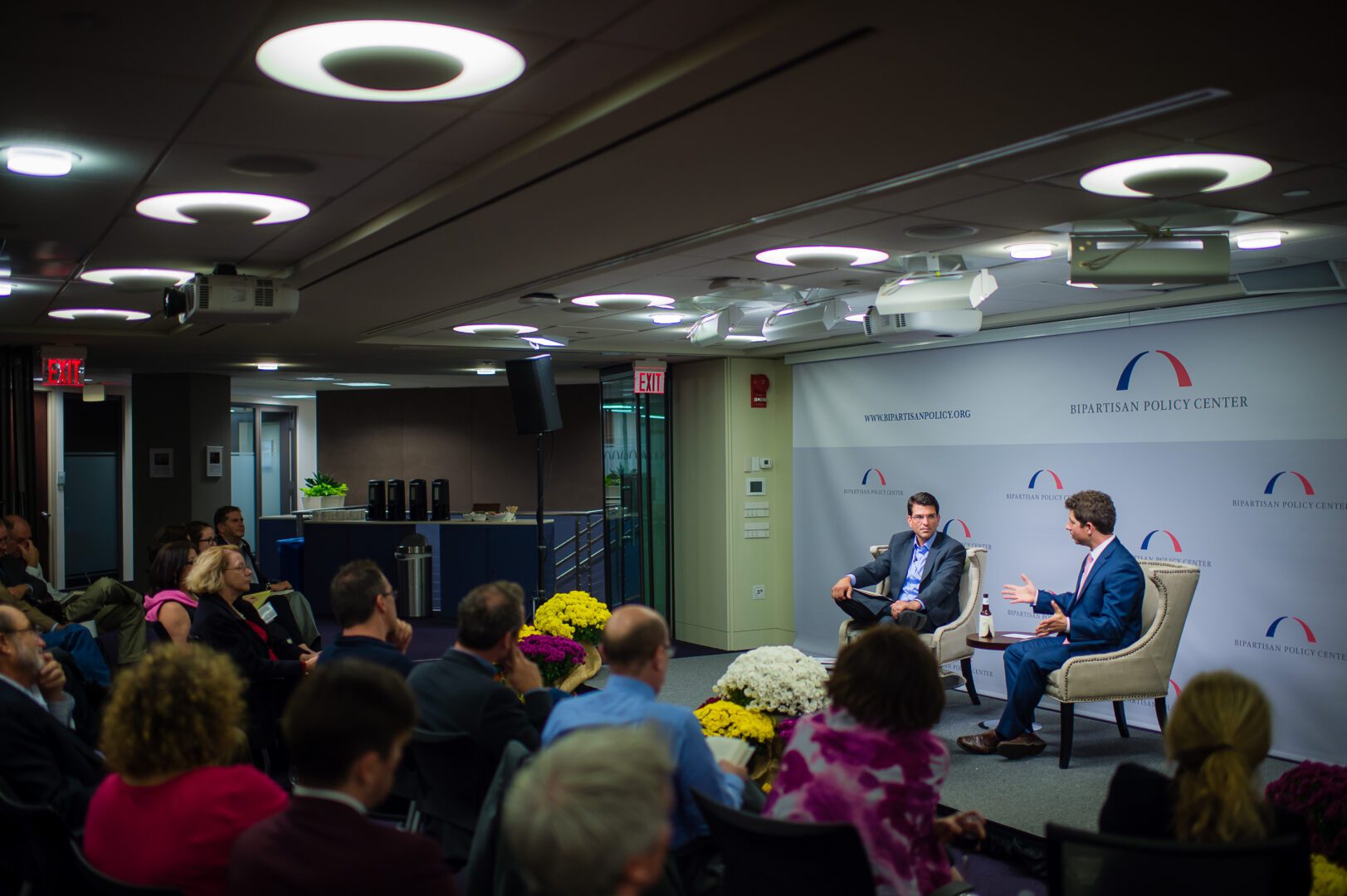
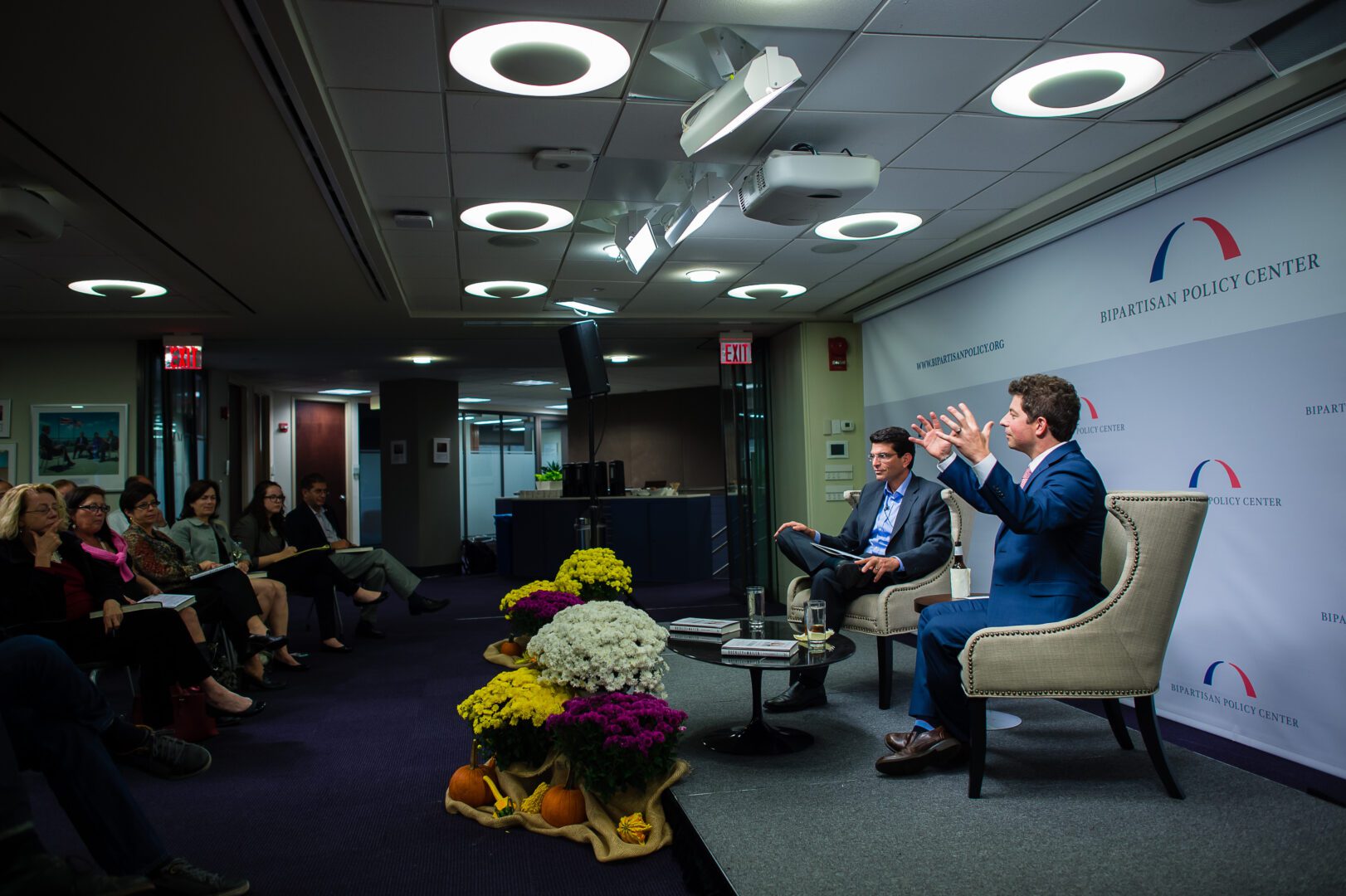
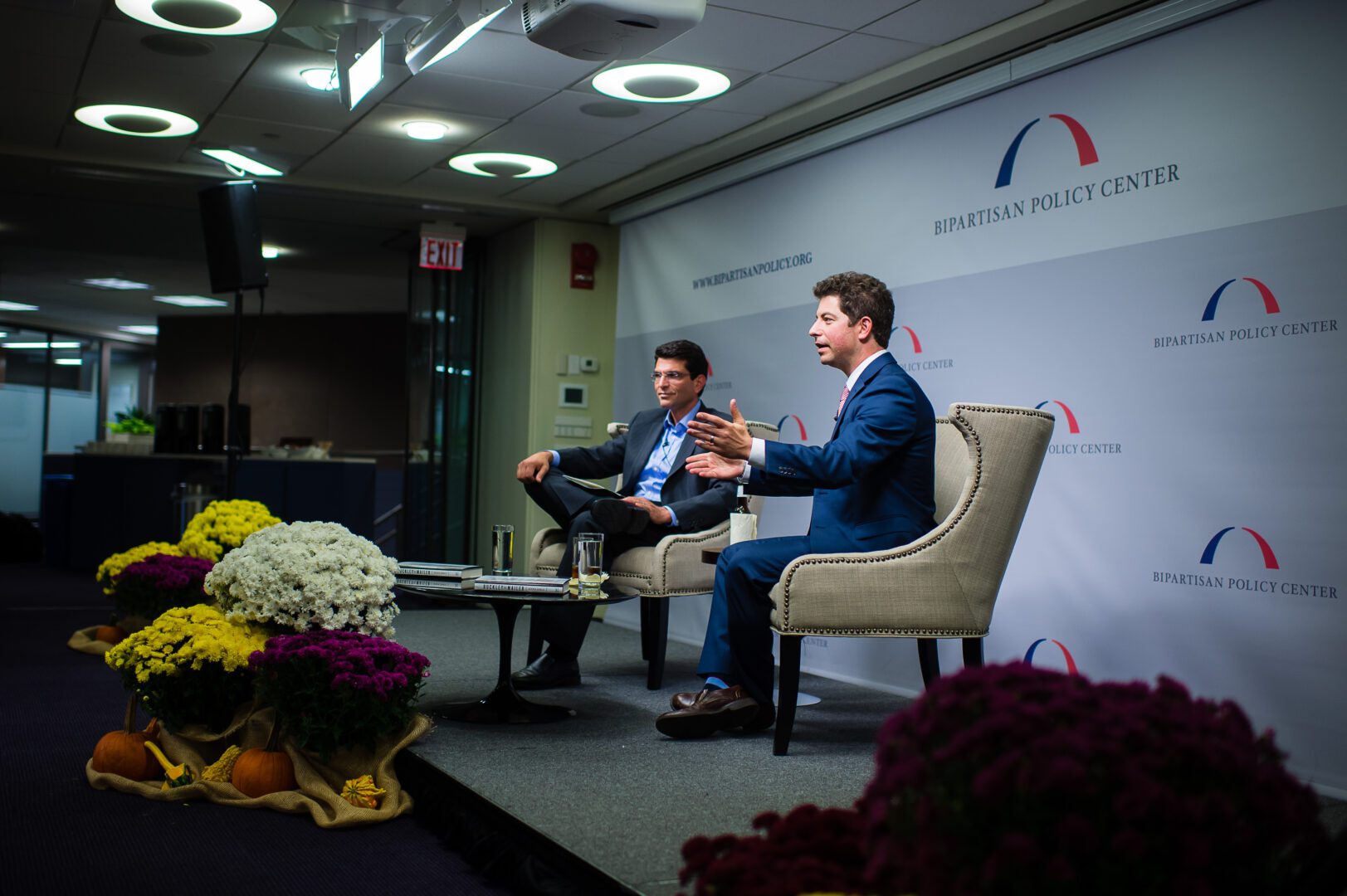
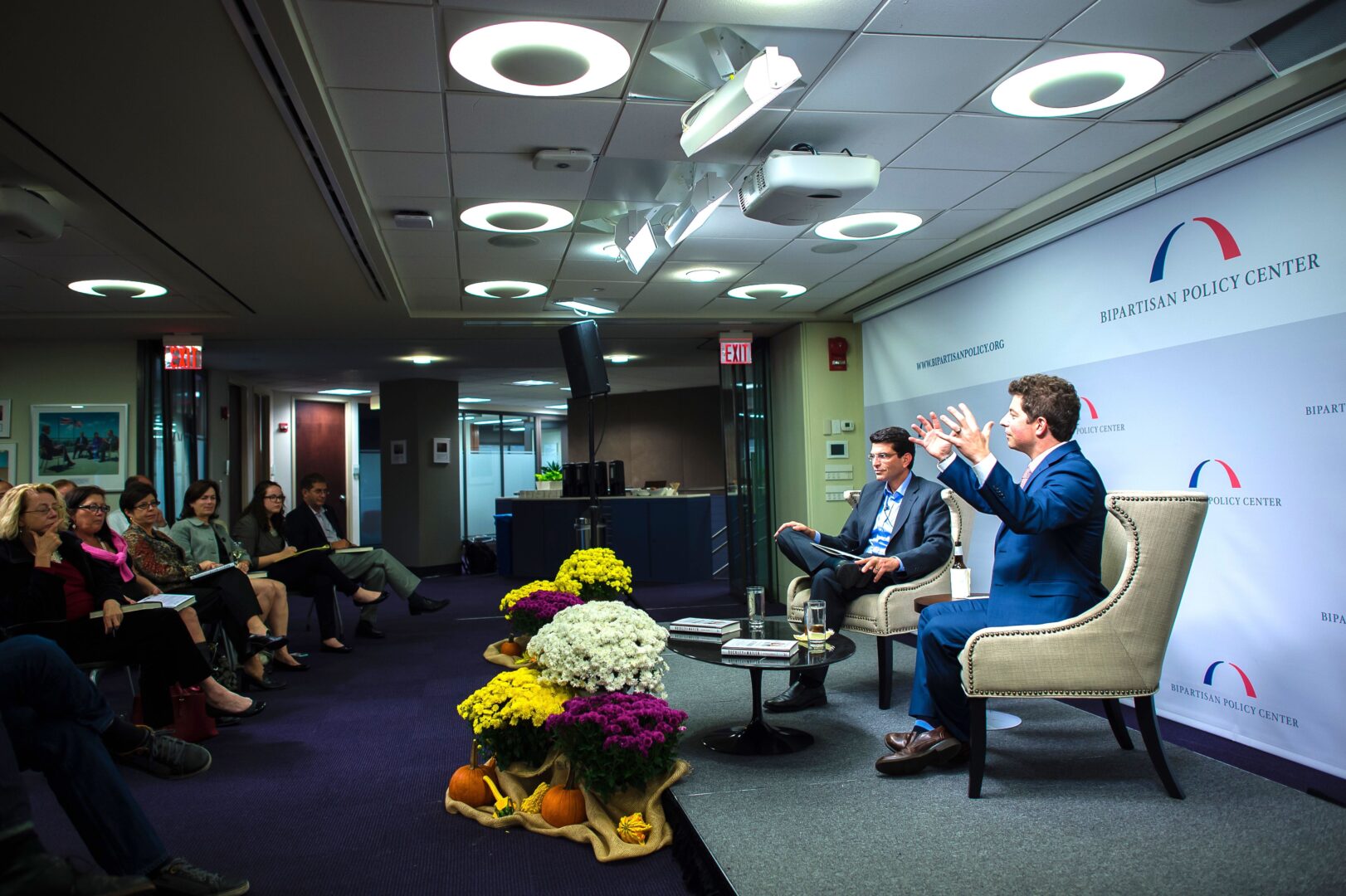
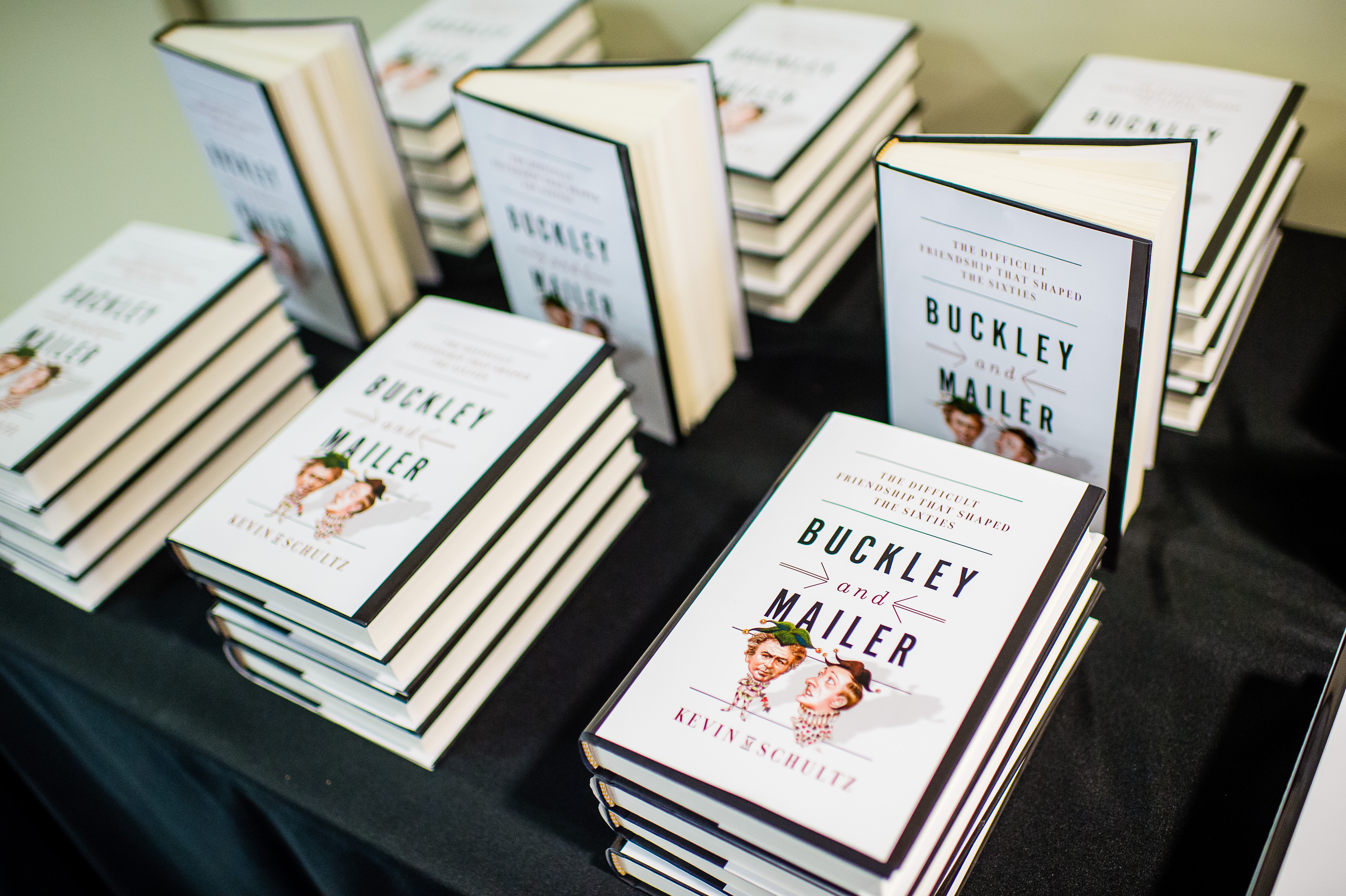
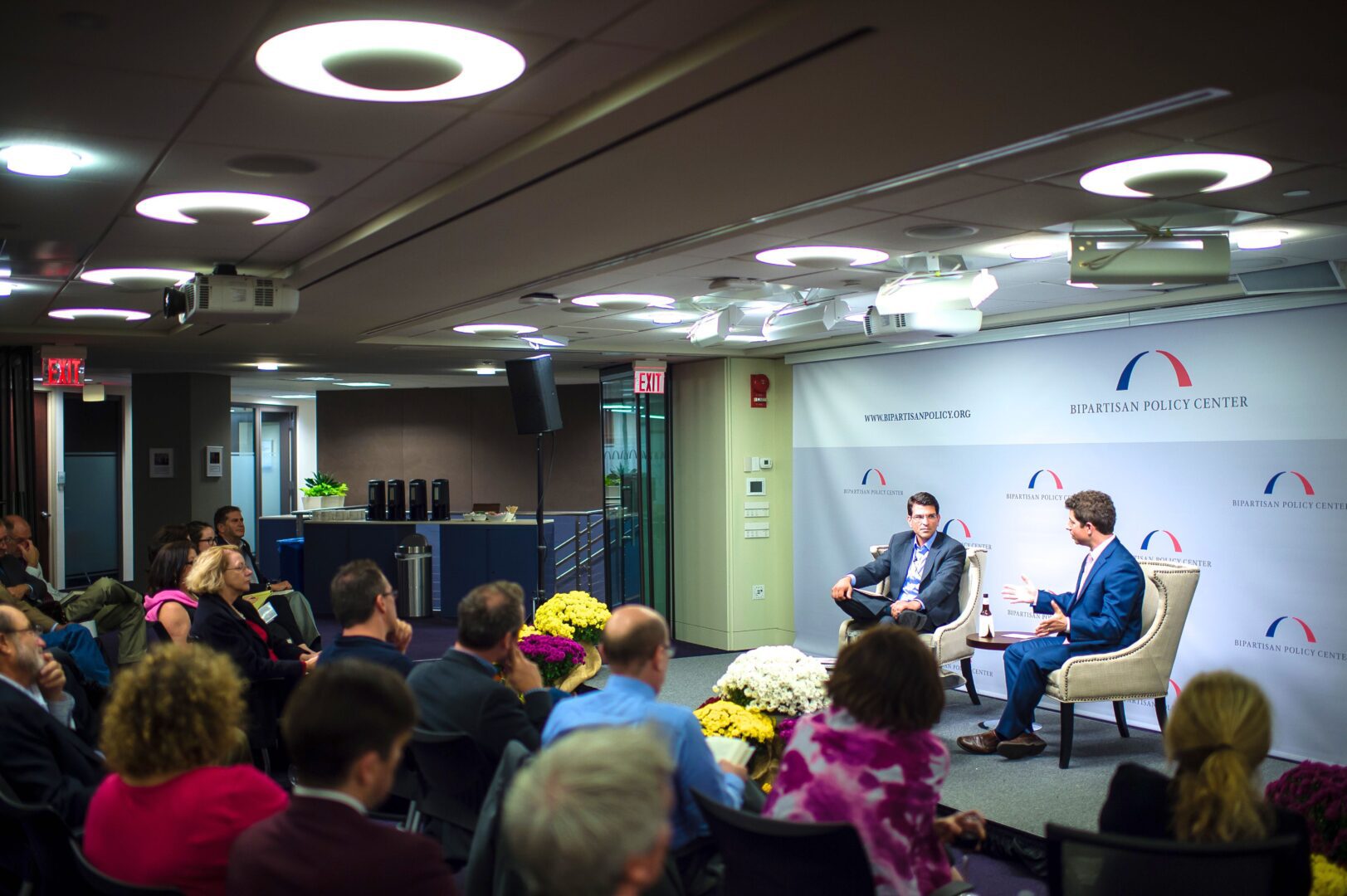
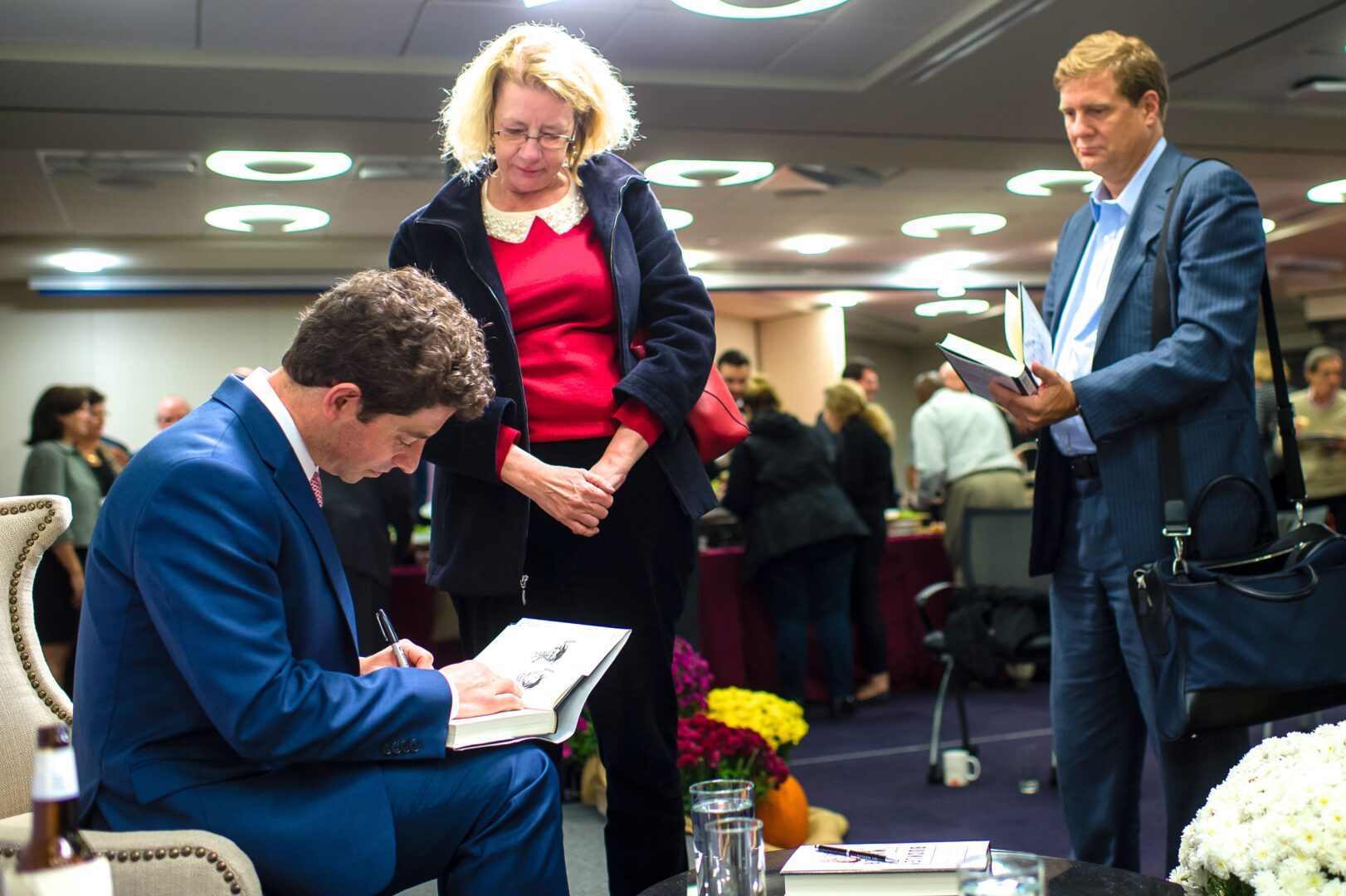
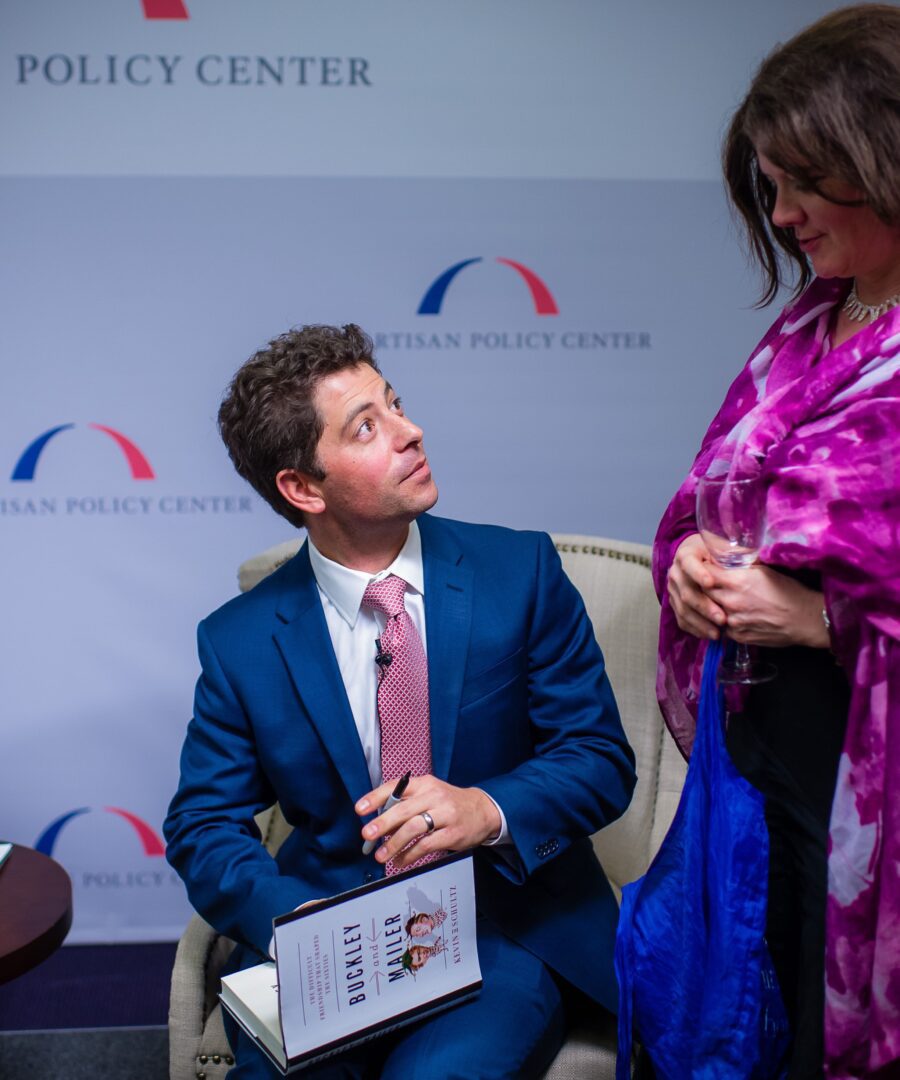
“It’s telling a story about what happens with the left and the right in American life and culture and politics during the pivotal era of the 1960s,” author Kevin Schultz told Hollywood on the Potomac after the launch party hosted by the Bipartisan Policy Center for his book: Buckley and Mailer: The Difficult Friendship that Shaped the Sixties.
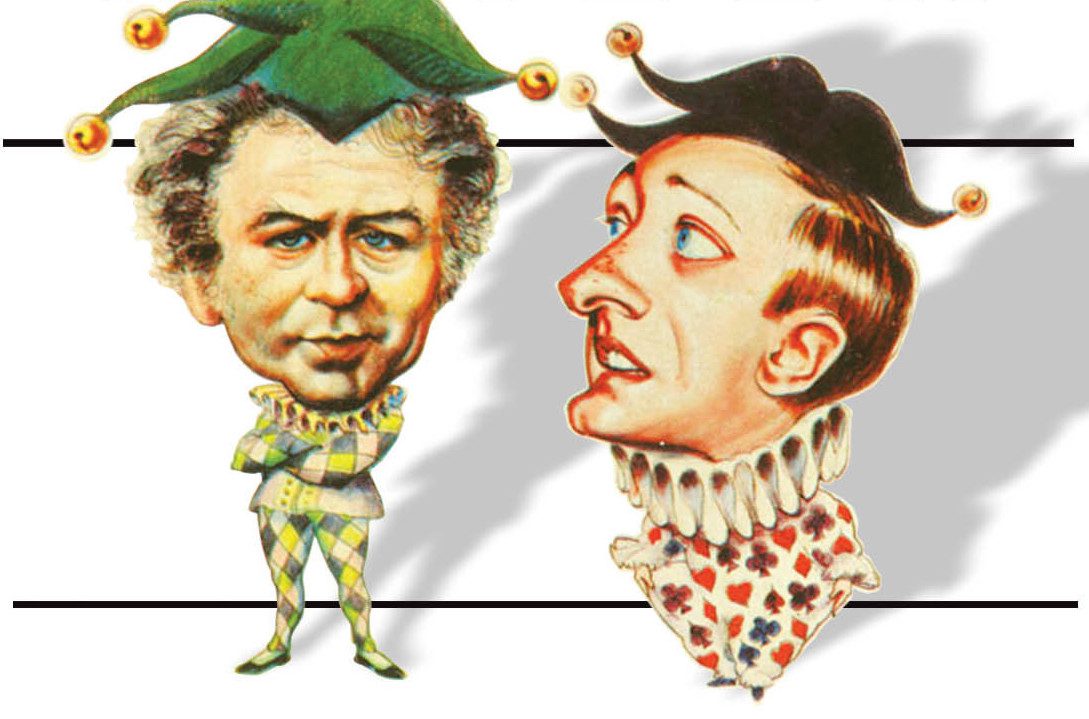
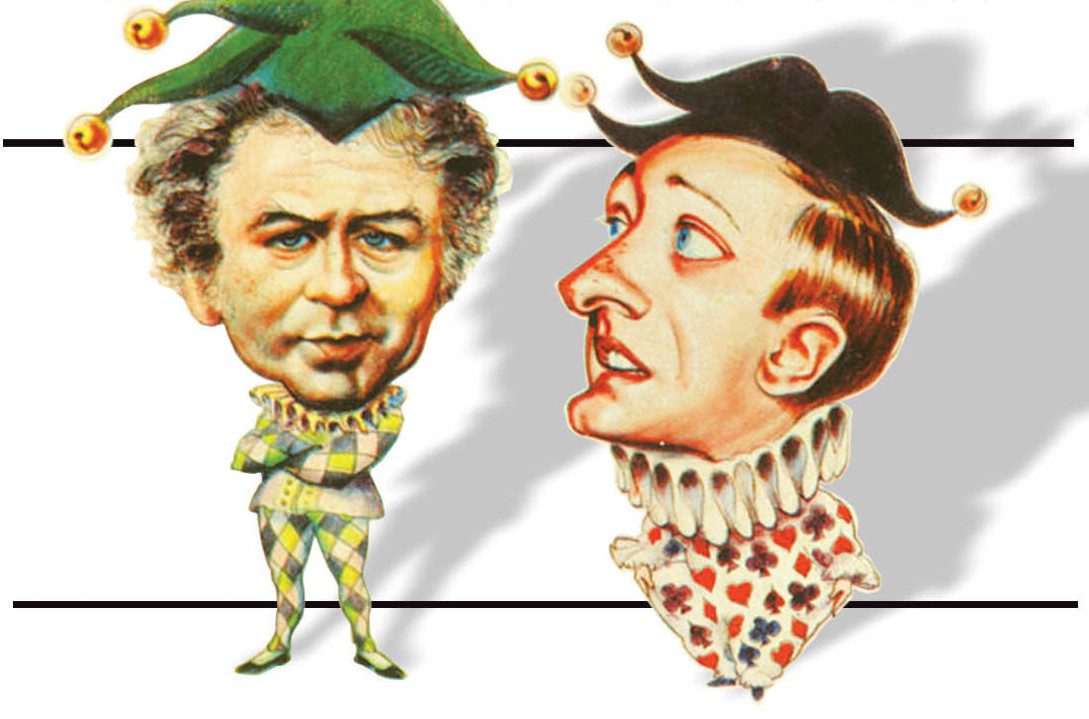 Norman Mailer and William F. Buckley Photo credit: Banes & Noble
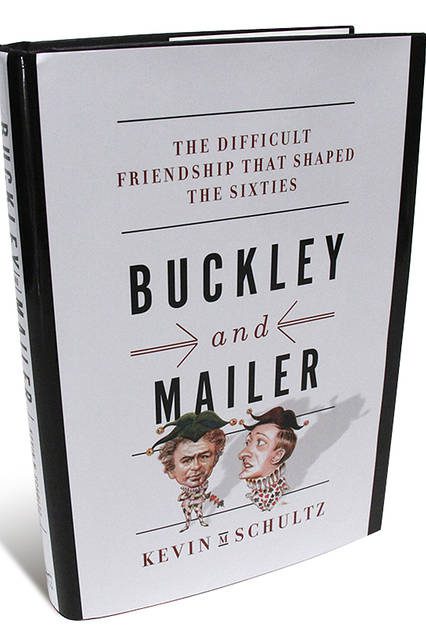
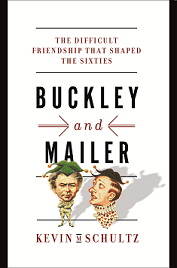
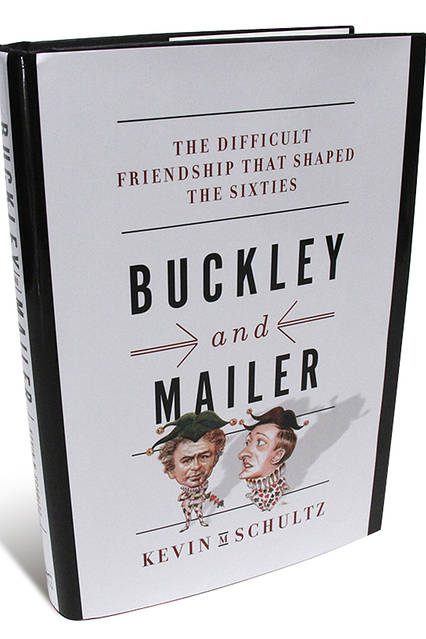
About the book: “William F. Buckley, Jr., and Norman Mailer were the two towering intellectual figures of the 1960s, and they lived remarkably parallel lives. Both became best-selling authors in their twenties (with God and Man at Yale and The Naked and the Dead); both started hugely influential papers (National Review and the Village Voice); both ran for mayor of New York City; both were noted for their exceptional wit and venom; and both became the figurehead of their respective social movements (Buckley on the right, Mailer on the left). Indeed, Buckley and Mailer argued vociferously and publicly about every major issue of their time: civil rights, feminism, the counterculture, Vietnam, the Cold War. But behind the scenes, the two were close friends and trusted confidantes. In Buckley and Mailer, historian Kevin M. Schultz delves into their personal archives to tell the rich story of their friendship, their arguments, and the tumultuous decade they did so much to shape.” Publisher’s notes.
 We were curious, of course, as to why Schultz chose Mailer over Gore Vidal – also a colorful media figure of the time: “As you probably know, both Buckley and Mailer didn’t really like Gore Vidal and didn’t have much interest in writing letters with him or sharing drinks or debating him publicly if they could help it. I thought there was far too much vitriol in all in those relationships and not enough genuine warmth.”
As for Buckley and Mailer: “It was in those tender and warm moments where both really revealed themselves and revealed their hopes for the country. When I was telling the story of the 60s, it just wasn’t a good enough record for Vidal between either of these guys and it was because neither of them really cared for him. For Mailer and Buckley there are a lot of things that grounded their friendship: First was they shared in a lot of ways a similar background, although there were a lot of differences as well. They were both sort of Ivy League educated white men who really felt comfortable speaking on behalf of the country – they had that sort of common foundation. Then also, they both had profound dissatisfaction with American life as it was being lived in the 1950s and early 1960s. They both saw themselves as revolutionaries trying to shake up America. They realized that they were both frustrated with the same things, the same sort of predominate liberalism that dominated American life.”
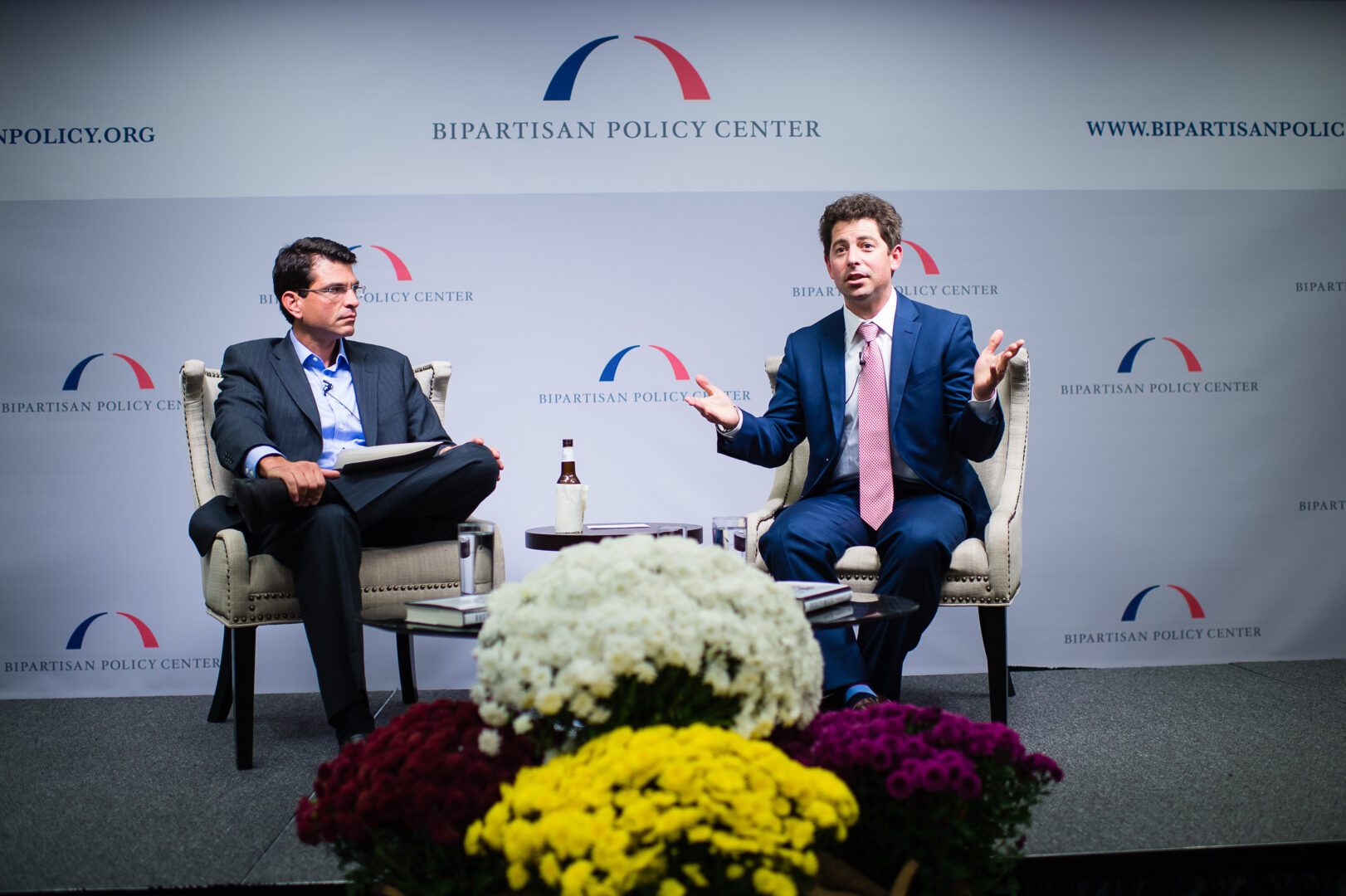
President of Bipartisan Policy Center (BPC) Jason Grumet with Kevin Schultz
“They had common enemies,” he further explained. “but even though they had a common enemy and were pushing in different directions, that actually brought them together. The press brought them together. It was a promoter who wanted them to have a debate on the future of America. Why are young people so angry in 1962? Why are there movements starting on the right? Why are there movements starting on the left? What’s going on with this country that has this fat middle class and is the richest country the world has ever known? Where is this coming from? It was natural that the two would be brought together to debate.”
“What I found so interesting was that their friendship really emerged out of these kinds of debates. In the first debate in Chicago in 1962, the promoter brought them together and he wanted Chicago because he knew there was a Heavy Weight Title Fight between Sunny Liston and Floyd Patterson. Two days before that, he brought together Buckley and Mailer. He sent invitations to all the people he knew were going to be at the fight. He sold out this theater that had 3,500 seats. He wanted them to debate the future. In the course of this debate, the two guys realized that even though they wanted to move the country in different directions, they both really loved America, really loved the country; they just wanted it to go different ways to allow for greater freedom. They thought that they were both articulate examples from the opposite sides and that really bound them together. They were almost the yin to the others’ yang in a lot of ways.”
Knowing they were both sailors, we wanted to know what it would have been like to be sailing with those two? “Oh! So much fun! Both of those guys really loved life. They knew how to live a really fulfilled life in a lot of ways. It would have been a joy, just the thought of going sailing is fun enough; then to imagine yourself with two of the leading and move brilliant interpreters of American life, and then in addition to that you know there would have been cocktails and salty talk and there would have been jokes back and forth between the two. All of their letters are filled with these marvelous, cutting jokes. It would have been a riotous and highly stimulating outing.”
We also wanted to know about the other ‘players’ of the times so we moved on to Truman Capote, a rather amusing personality in his own right. What was the relationship with them? “So Truman Capote both Buckley and Mailer knew and knew him pretty well. Mailer, especially, had a great deal of respect for Capote. The famous story that he always used to tell about was how one night, one afternoon actually, in the late 60s, he and Capote went out to get a drink just to get to know each other because they were sort of young up and coming novelists at the time. They went next door to this bar and it turned out that it was sort of this hard drinking, Irish Catholic, Union working kind of bar. Here’s Truman Capote wearing a cape and he was sort of floating flamboyantly through the place. Mailer immediately thought that they were all going to get killed because here’s this openly homosexual man walking into this really salty working class bar. He said it was like a movie as soon as they walked in – Capote swishing through as it were. All those heads turned at the bar to look at him like some alien had walked into the place. Mailer thought they were going to beat him up, but it turns out they didn’t. They just went back to their drinks and Capote and Mailer just sat in the back and had cocktails. Mailer took a remarkable thing from the story. He said: “How much courage it must take for Truman Capote to live like this in an America that is, before the gay rights movement, where homophobia is so prevalent.”
“He ended up with profound respect for Capote,” Schultz added, “living the kind of life that he was gonna live and that he wanted to live without much concern for what other people thought of him. It was natural that both Mailer and Buckley would be invited to the famous Black and White Ball (hosted by Truman Capote). They were both celebrities and they were both friends of Truman’s; they were both in New York and it was just a natural thing that they would receive that invitation. I really loved that event, it was remarkable. One of the things that it really symbolizes for me is a time when the country, the last one of the last moments, was that it really felt it was a lot of consensus – when there was a lot of, sort of, commonality between the political classes, the business classes and Hollywood. Those were the main constituents at that party.”
“After the ball however, and one of the things that happened at the ball, there was a huge massive fight over Vietnam. After all the tensions about the Civil Rights Movement and after all those fights over the Cold War, it was the Vietnam War that really was the final nail in the coffin – this notion that there was even American consensus. It symbolized the last moment of consensus. It was actually at that event that you know from reading the book, that Buckley and Mailer almost got into their one fist fight. Of course, the subject was over Vietnam. They didn’t actually get in a fight, which might have been more fun for the book, but I think it meant a lot more for their friendship that they didn’t. It would be fun to bring back the Black and White Ball.”
We tossed out the names of some other famous personalities of the times and asked Kevin to react to each name.
Joan Didion: “Joan Didion is one of my favorite people from the 1960s. She, of course, cut her teeth as a writer working for National Review, which a lot of people don’t really know. That’s one of the things that I really liked about William Buckley, was that he respected her as a writer and as a thinker. Even though he didn’t necessarily agree with her politics, he gave her a format to write. Then she would go ahead and write in the way that she writes and he would allow her to have the floor. One of the best articles that I found in National Review by her was a review of Norman Mailer’s book An American Dream. She loved the book. It’s not necessarily an easy read, it’s a challenging book. It’s filled with all sorts of weird sex scenes. There’s a lot of interracial questions and yet Buckley allowed her to be the voice of that book in National Review. I thought that was great.”

James Baldwin: “I fell in love with the cast of characters that surrounded Buckley and Mailer, including James Baldwin. He, of course, is one of the prophetic voices of the Civil Rights Movement and he and Mailer had this long-standing friendship that was competitive in a lot of ways. Fundamentally, though, he thought that neither the American Left or the American Right really understood what the Civil Rights Movement was about, or even what it was demanding. He thought the liberals like Mailer had this overly sexualized interpretation of black people and they were willing generalize to such an extreme that they couldn’t be counted on in terms of the movement. And then conservatives like Buckley, he thought, would hold onto whatever kind of power they had. They were unwilling to recognize the pain and suffering that black people had in America. He thought they were really a [punishers] force. Of course, he has this long-standing relationship with Mailer – he writes this article in response to one of Mailer’s most famous articles called The White Negro and Baldwin responds with The Black Boy Looks At A White Boy. It’s all about Norman Mailer and the liberal problem when it talks about race in the early 1960s. With Buckley, he actually goes down and meets with Buckley. He does this debate at Cambridge University in 1965 which you can find on YouTube. He tries to show Buckley and conservatives across the world what kind of pain and suffering African Americans have gone through in order to achieve the kind of life they’ve been living in the middle 1960s and the success.”
Hollywood on the Potomac rounded up the conversation by asking Schultz to choose what he thought was the best of the 1960s and the worst. “The best is the widespread recognition that the people who are invited to sit at the table where power is discussed needs to look to provide leadership extended beyond white, Ivy League educated men. We need to include women and African Americans and lower class people. We need to include all this broad spectrum. Today, we sort of take for granted what we call Multi-Multiculturalism. That victory from the 1960s, I think, was profoundly important in changing the country’s understanding of itself. One of the worst things from the 60s, I would say, is the breaking up of the common wheel – the destruction of the idea that we were a single nation that could factor the whole. Instead, there is the sense that we’re all these atomized beings with no common purpose, no social purpose, no way to relate to one another. I think we see that on the left with a lot of the individual rights and the cultural freedoms. We see it on the right with those Laissez-faire economics. I think that’s been a very costly price that we had to pay in the aftermath of the 1960s.”
We also asked Schultz to give us his take on the worst and best of both Mailer and Buckley in that order: “I love him as a writer and sometimes he’s a little off the rail but he just had a way of capturing images that is just truly breathtaking to me. Sometimes he doesn’t like to consider himself a writer. Sometimes to look at the power and the talent that Mailer has is just marvelous. The other thing that I like that’s more curious about Mailer is his willingness to push the edge of respectability. He wanted to know why we thought certain things were acceptable and certain things prohibited. He would push the boundaries and push the boundaries and push the boundaries. I love that about him. The downside and worst of him was that sometimes he would push the boundaries so far that he would do real damage. He seemed to be unaware of where those boundaries were and when they were about to break. The most famous example of this is when he gets into a fight with his second wife and pulls out a knife and stabs her. He was trying to live on the existential edge and trying to be himself in the best way that he can and he doesn’t care about the cost to anybody else. He comes just millimeters away from killing his wife.”
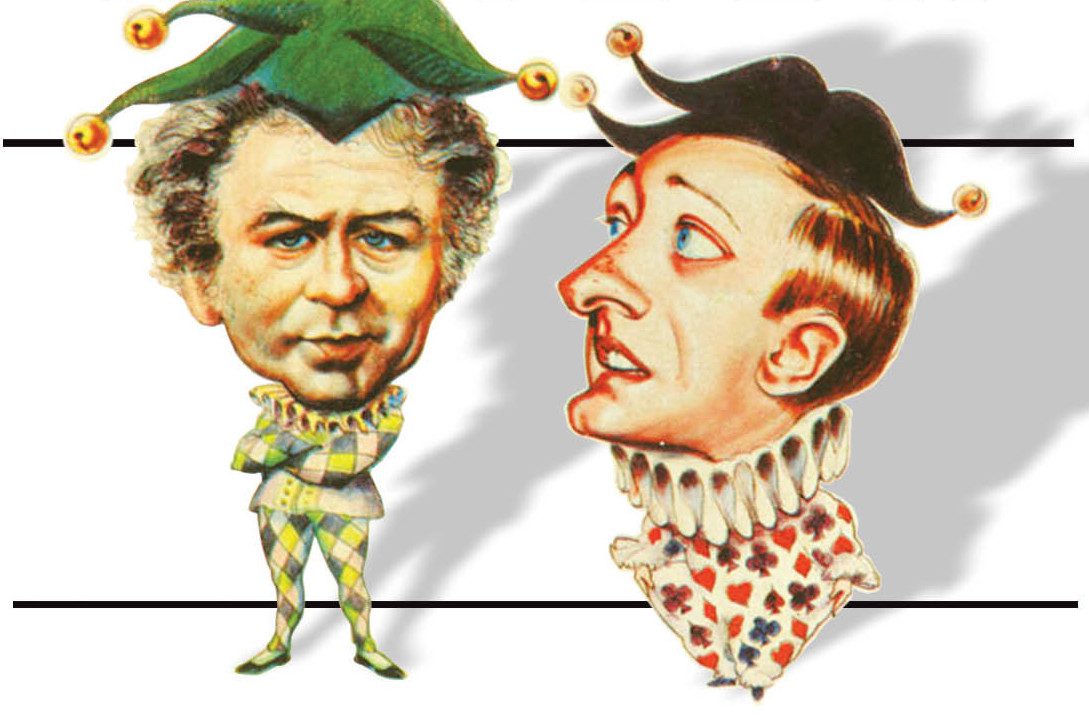 “Yes, they sure were funny.” Schultz
“Let’s see….the best of Buckley is probably his generous spirit when it comes to other people. He would debate people and he would eviscerate them while he was talking politics. But he would always come back with a generous comment and he would always lend a helping hand. He had friends across the political spectrum, left and right. He always was willing to engage with people and looked for the best in them. The worst is that sometimes he was unaware that his conservative politics would align him with real hate mongers in American life. A fine example of this is when he tried to justify the police in Selma after the horrible events from the march from Selma to Montgomery. He thought that the police needed to be defended. He tried to defend them without realizing that by doing it, he was making the conservative movement in America look like it was aligned with the Ku Klux Klan. He never really got that he was pushing so far and justifying things based on principles alone, that he was endangering the very movement that he had created.”
Last question. Who is the Buckley Mailer combination today? “We don’t have anyone is the answer. Some, I think, inferior vehicles might be John Stewart and Bill O’Reilly when they engage. … sort of the secular Jew on the left and the Catholic on the right. Or, I might think about a combination like Brooks and Shields who are on the news hour all the time. Although, I think them much less colorful and much less willing to paint pictures of what a brighter future might look like than either Buckley and Mailer were. I think we haven’t replaced these guys yet.”