
Photo credit: Janet Donovan
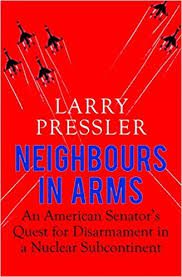
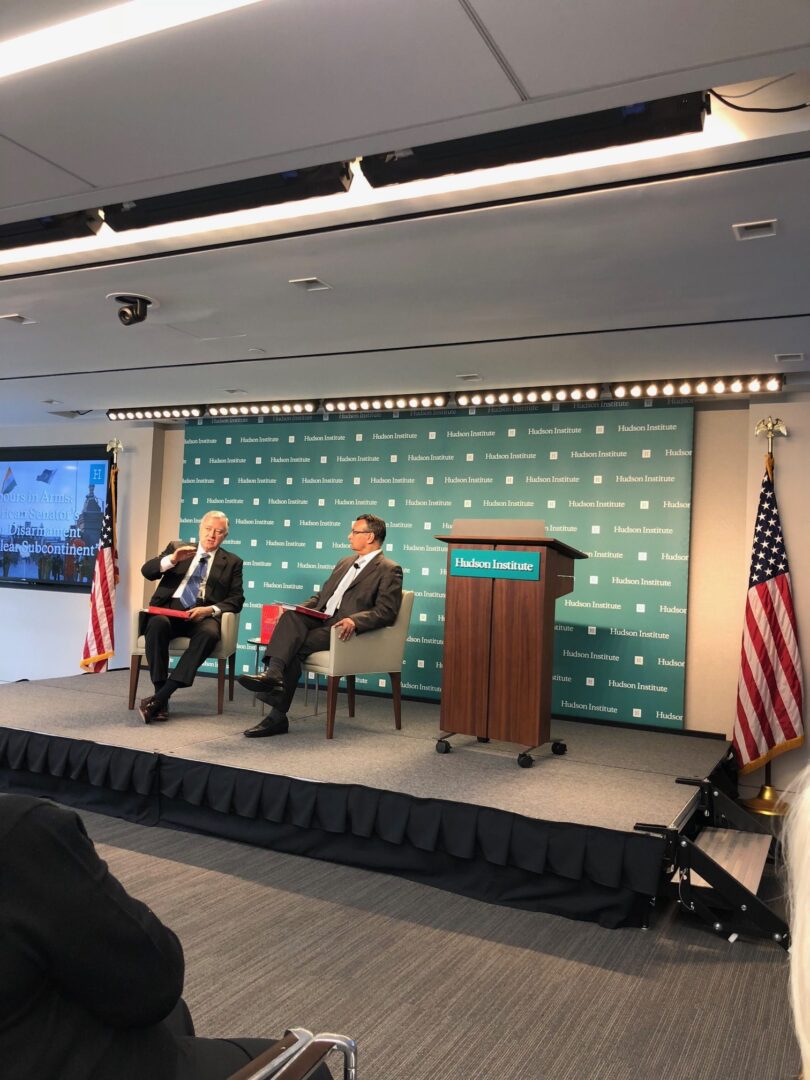
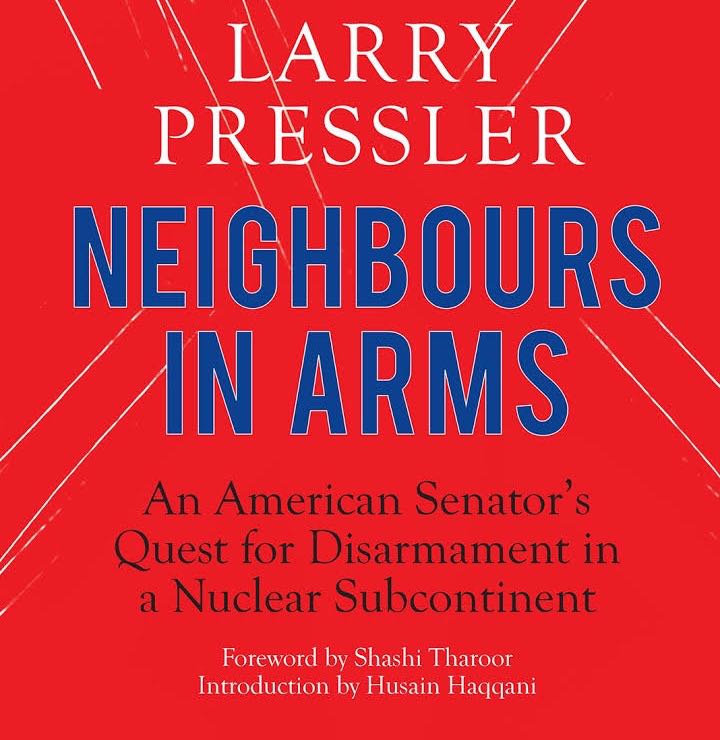
To discuss nuclear security around the world and the lessons learned from U.S. relations with India and Pakistan, Hudson Institute’s South and Central Asia Program held a book launch for Senator Pressler’s Neighbours in Arms. Fresh off a two-week book tour in India, Senator Pressler gave remarks and took part in a discussion moderated by Ambassador Husain Haqqani, former Ambassador of Pakistan to the United States and senior fellow and director for South and Central Asia at Hudson Institute.

Senator Larry Pressler, Harriet Pressler, Ambassador Husain Haqqani
“Senator Pressler, who has served in the US Senate for 18 years, from 1979 to 1997, is known around the world as the author of the Pressler Amendment, which limited foreign countries from using US aid to develop nuclear weapons. As the Pressler Amendment resulted in shutting down US aid to Pakistan in the 1990’s, he was aggressively demonized in Pakistan and several of my countrymen from Pakistan,” said Ambassador Haqqani in his opening remarks. “I have found him to be a heartful American, genuinely concerned about the spread of weapons of mass destruction.”
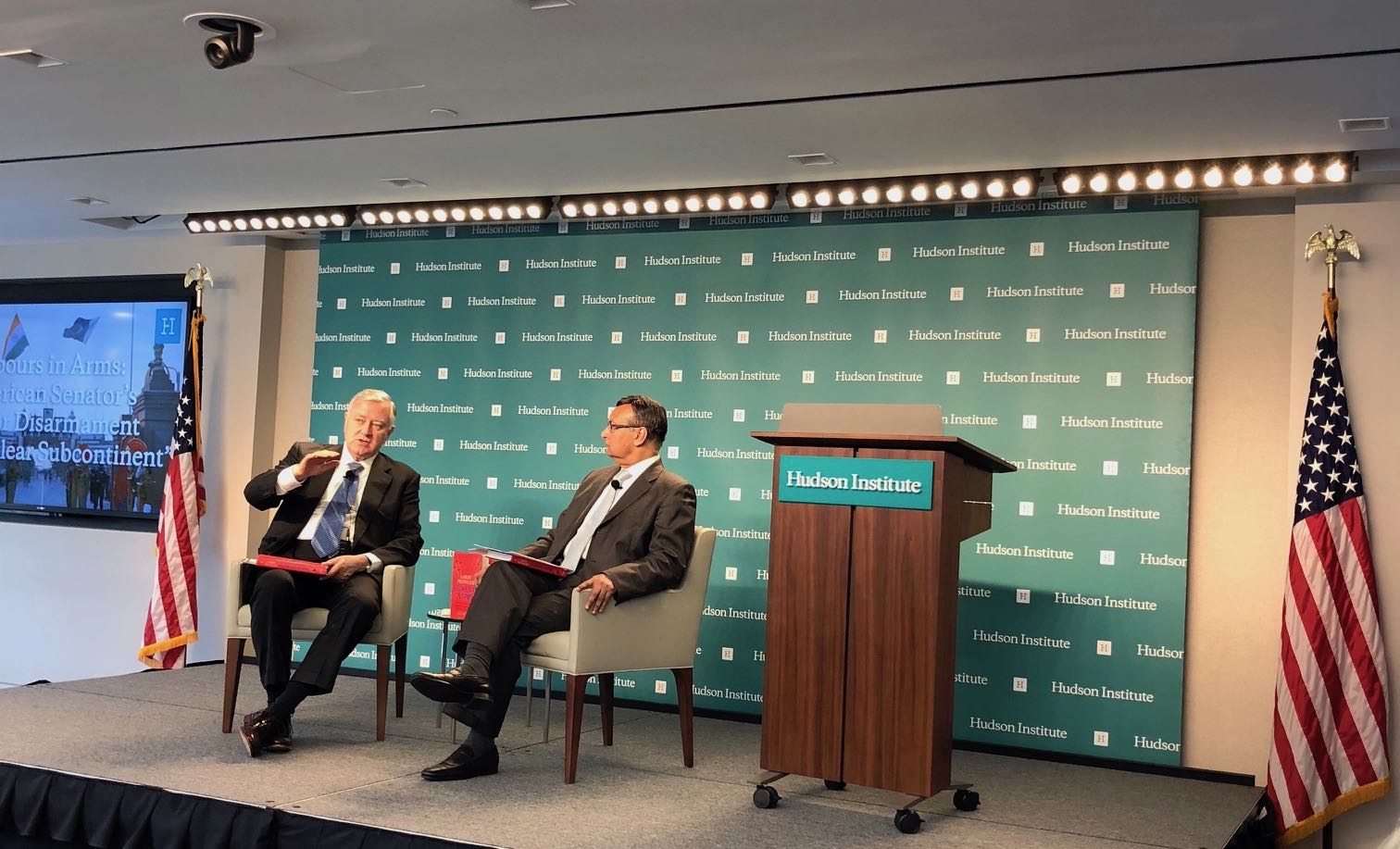
Senator Larry Pressler with Ambassador Haqqani
“Let’s focus on nuclear non-proliferation, which is the subject of your book. You focused on the subcontinent. Of course, Pakistan is not the only nuclear weapons power. Pakistanis would argue, and I think that would be justified, that they were forced to become nuclear because India went nuclear. Both countries, their nuclear programs in some ways benefited from the Atoms for Peace program in the 1950s,” Amb. Haqqani remarked. “It was an American assumption that it would actually give to many countries an option of having a nuclear program, and these two countries, because of their particular situation vis-a-vis one another, ended up following nuclear weapons strategies. Many of your critics in Pakistan point out that there’s a kind of a discriminatory attitude in your criticism of Pakistan when you do not criticize India for having nuclear weapons. When you authored the Pressler Amendment, did you think that you were actually trying to stop nuclear weapons in the subcontinent, or were you only thinking of stopping Pakistan’s nuclear weapons?”
“Well, I do criticize India also sometimes, but I should thank you Mr. Ambassador,” responded Pressler. “You were the Ambassador from Pakistan, and you know Pakistan better than anybody in the world. I admire your courage in essentially changing sides, I suppose we could say. We’re so glad to have you here in Washington, D.C.”
The dialogue in their words: