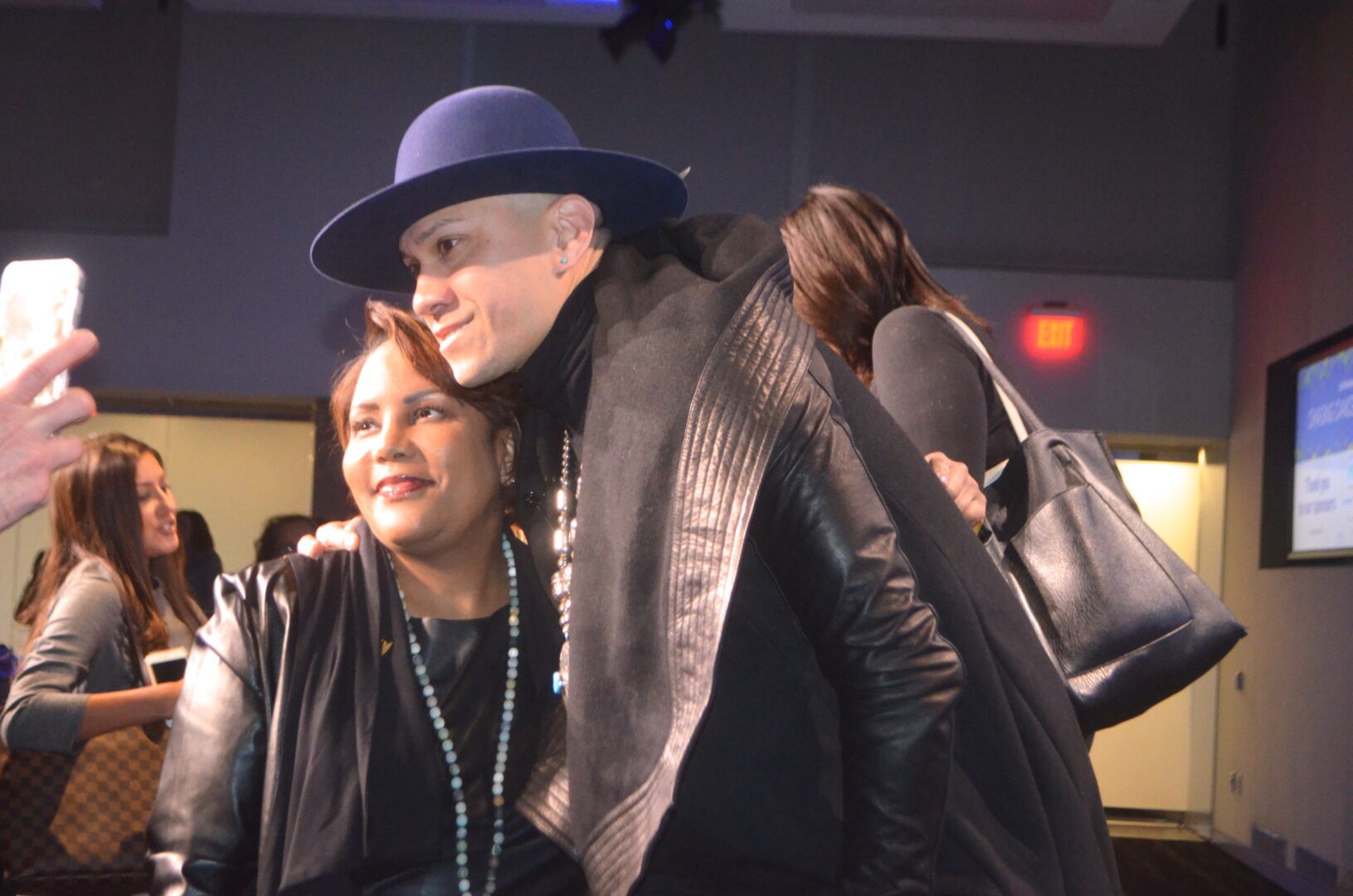

HollywoodOn Productions: Janet Donovan & Brendan Kownacki
Photo credit: Brendan Kownacki
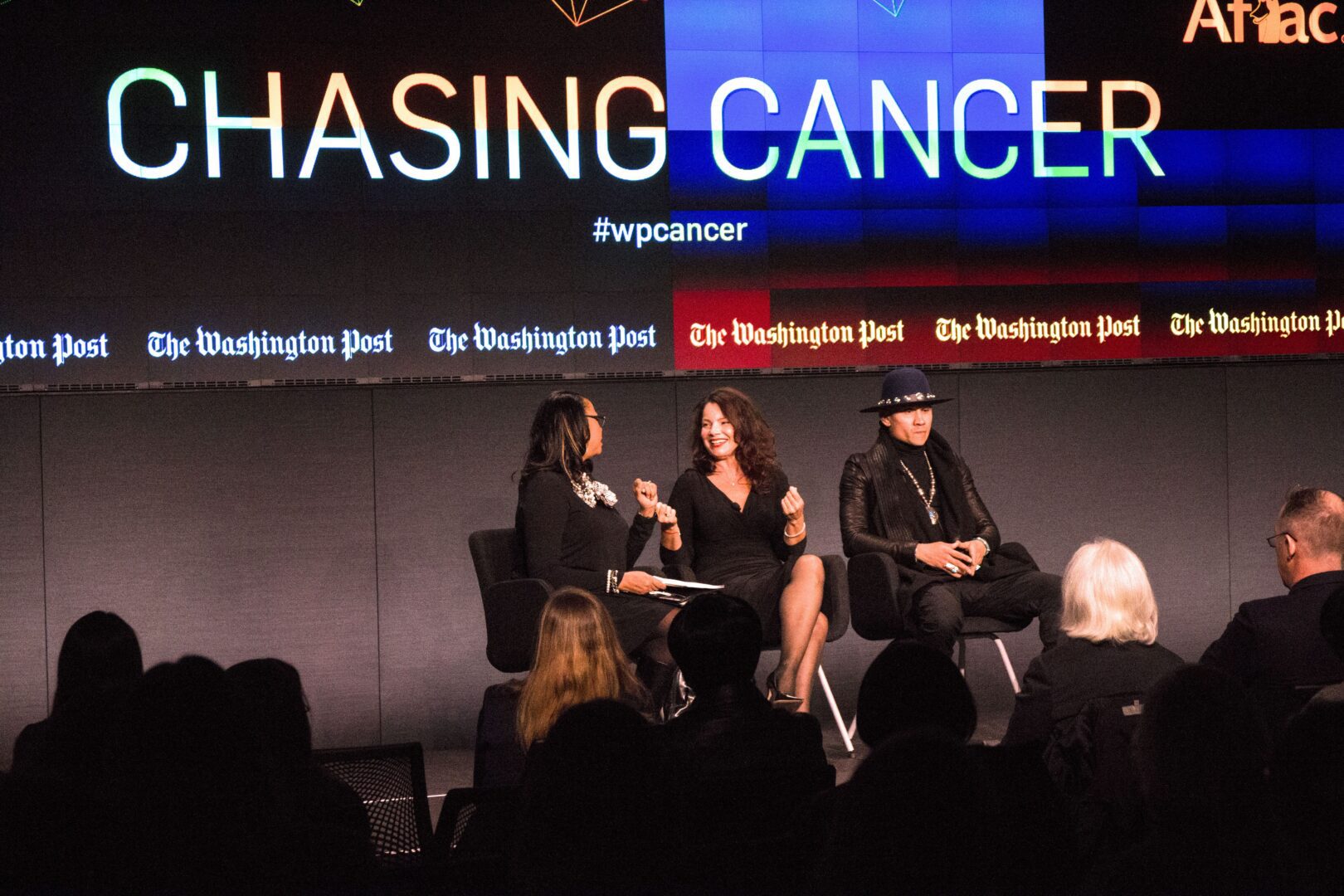
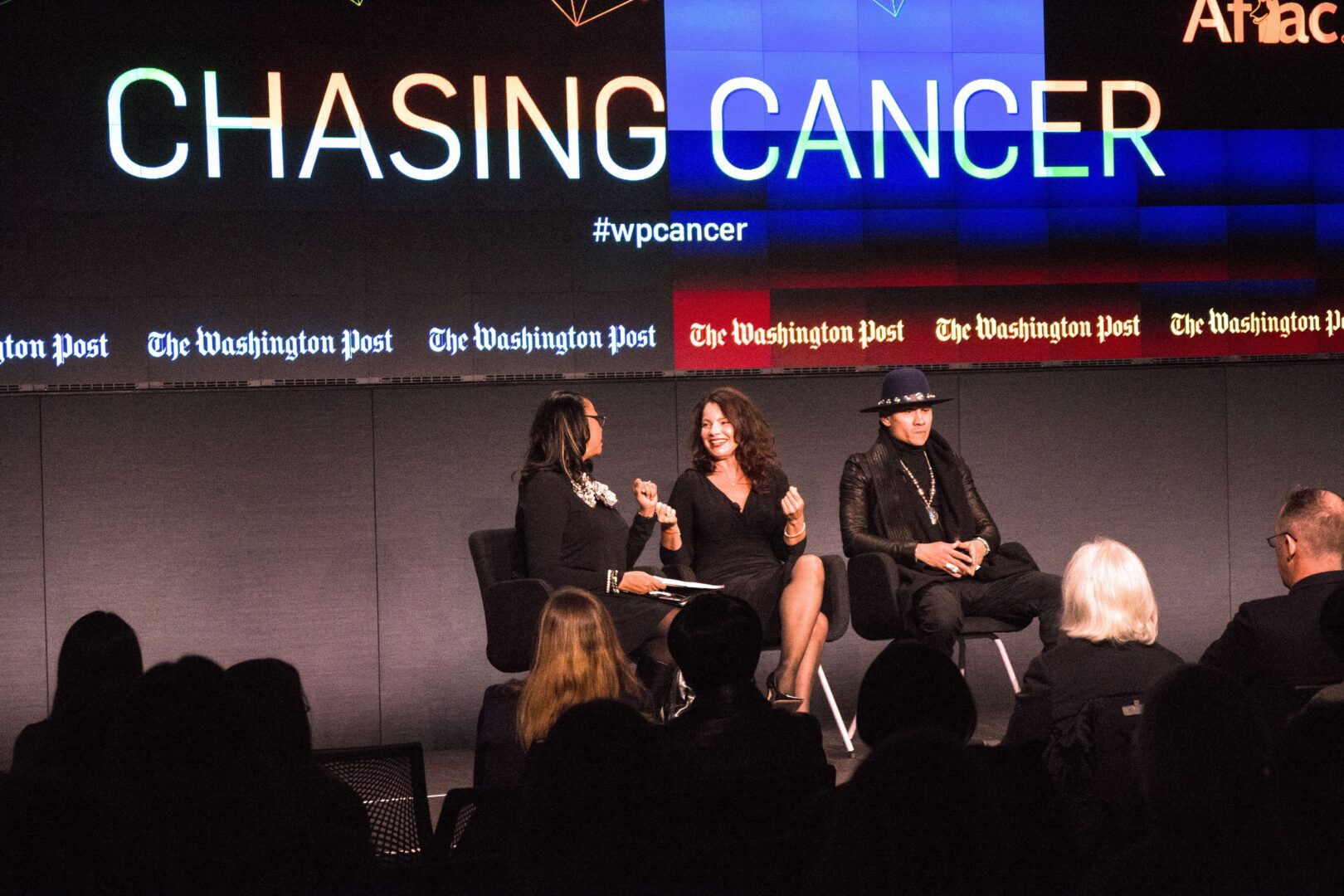
“Intelligent people know me as the money person,” said Washington Post’s “The Color of Money” columnist Michelle Singletary when opening the Chasing Cancer segment with actress Fran Drescher and Black Eyed Peas rapper Taboo at The Washington Post’s headquarters in downtown Washington, DC. “But I have a backstory, a cancer backstory – so many people do. My husband was diagnosed with colon cancer stage two, my father-in-law died from lung cancer several years before and a year before him, my brother died of lung cancer. So I have a deep history with this thing that can tear a family apart or lift it up. Fran Drescher, who founded the Cancer Schmancer movement, brings humor to this topic. And Taboo is now Global Ambassador for the American Cancer Society.”
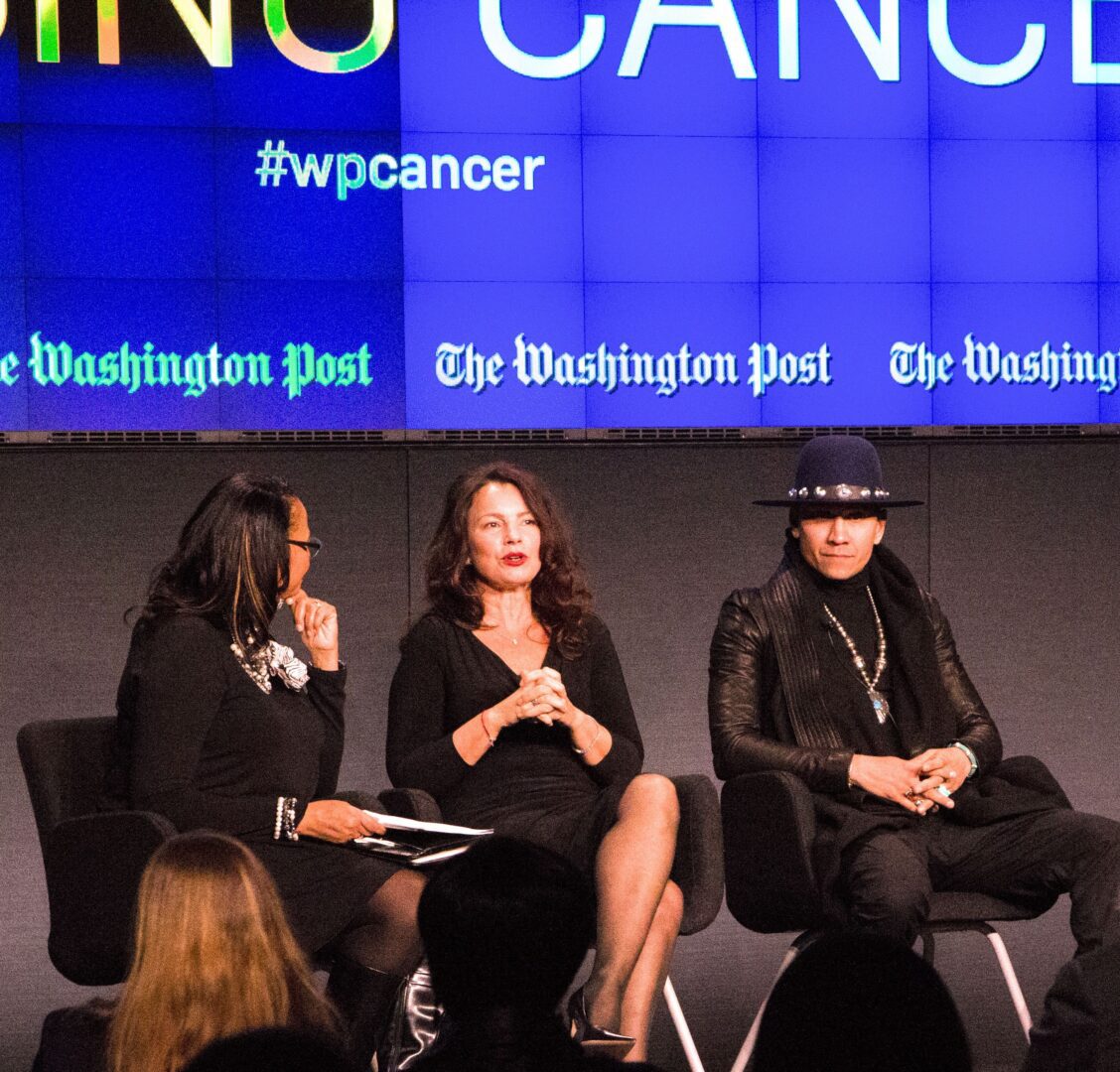
Michelle Singletar, Fran Drescher, Taboo
“You know it’s funny having to go back and re-live those moments, especially when you’re in front of people that want to know your perspective and your experience, it’s kind of like acting. You have to tap into something else, whether your doing a role, whether you’re challenging yourself. Right now I’m challenging myself to go back to that time period because I’ve been on a high, like uplifting spirited vibe and whenever I have to speak on it, it kind of takes me back to that time period just listing to your story. Excuse me if I get into like my own zone,” said Taboo.
“What if today they say that I’m not going to survive this? I took that darkness and created a song to fight it. Now I’m a survivor. I’ve been cancer free for two years. I’ve join the American Cancer Society family and it’s been a blessing. I’m right there in the trenches with you. What better person than a survivor? The gift that I’ve given is motivation, inspiration, hope and movement. You’ve got to get up, get excited about living, and chart that for life. I am one of you. You are one of me. We’re all in this fight together,” he added.
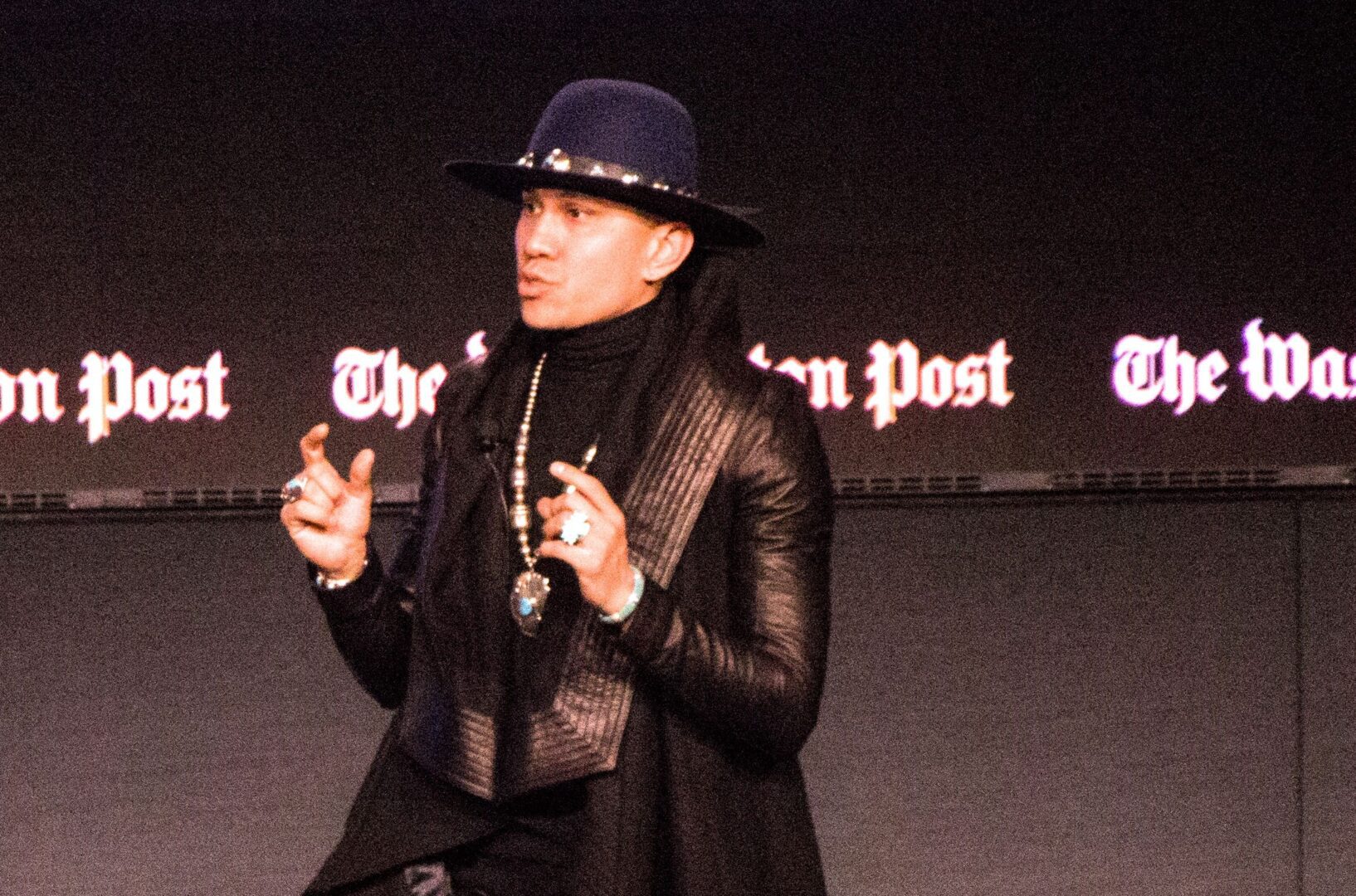
Taboo
“I wanted to heal first before I told anyone. I didn’t want this to be a tweet. I didn’t want this to be an Instagram. I didn’t want this to be just a little impulsive reaction to what I was going through. I knew that I wanted to find a bigger purpose. As a father, I don’t want to just leave a catalogue of music. I want to leave a legacy of how I helped, how I was of service. Why just focus on selling records and videos and all that stuff, when I could channel that energy and help millions of people that are going through the same fight that I went through, that you went through, that will allow people to say, ‘You know what? There is hope. There is inspiration. We’re not going to curl up in a ball. We’re going to stand up and we’re going to fight. We’re going to be warriors in this. We do have hope, we have inspiration.’ That’s why I’m fighting the fight against cancer.”
Photo credit: Janet Donovan
“The power of the people is stronger than people in power. When you empower the people, you’re able to have people come together for causes that speak to you, a calling. Cancer was my calling. I’m going to activate and be involved in callings that make sense to my life. That’s why I chose to be the person that stands up, stands up for what they believe, stand up for millions of people that are going through the same fight. I keep on stressing that. This is the fight, ladies and gentlemen, that millions of people, families go through. If I could help in that fight and be the person that is up there swinging in the trenches, like, ‘Let’s go.’ We’re warriors. We could do this. We need that messaging of hope.”
Video courtesy of American Cancer Society:
“It took me two years and eight doctors to get a proper diagnosis with uterine cancer,” said Drescher. “I kept slipping through the cracks. By the grace of God, I was still in stage one because I was lucky that cancer happens to be very slow growing and my persistence to keep trying to recognize what was really wrong. A lot of people want to sweep it under the rug and make believe that it didn’t happen. I happen to have been a victim of a violent crime. I was raped at gunpoint about a decade earlier, which I think might have been part of the trauma that contributed to my uterine cancer. But I didn’t want to tell anybody, so my sister told my parents, I couldn’t even call them. I went into a lot of therapy and learned that you have to share to heal. It can be an opportunity for you to have a more purposeful life. Sometimes the best gifts come in the ugliest packages.”
“There’s a lot of money in sickness,” she added before cranking out a list of toxins that stream through our lives on a daily basis. “The home is more toxic than living across the street from an oil refinery. And the amalgam of toxins that are carcinogenic that create a cocktail in the home is most likely putting an undue stress on our immune system. So we always say at Cancer Schmancer, err on the side of caution. There’s no downside to detoxing your life and I can appreciate that your friend thought she was doing everything right. I thought I was doing everything right too. There’s always kind of like a trifecta for why the body actually cannot take anymore. I think there’s a global effort to dumb down the citizens and to shut them up and to put them on this pipeline of big business, industrial farming, and products that are not serving us well. And if we can empower people to realize that they have the power to turn this around, to stop this trajectory that’s not serving them well not serving anyone well. And if you see it as kind of a conspiracy, just to serve big business capitalism that doesn’t really…it’s becoming a cannibal. They don’t care about what’s in the way of making money. Whether it be natural resources or human life. They don’t care. We have to care. We’re the consumers. Stop making them rich and force them through consumerism to change irresponsible manufacturing. Once you start asking yourself those questions, you can effectively reduce your and your families risk of getting sick. And not only cancer but a whole host of autoimmune problems and things that they’re now connecting with inflammation including migraines and asthma and arthritis.”
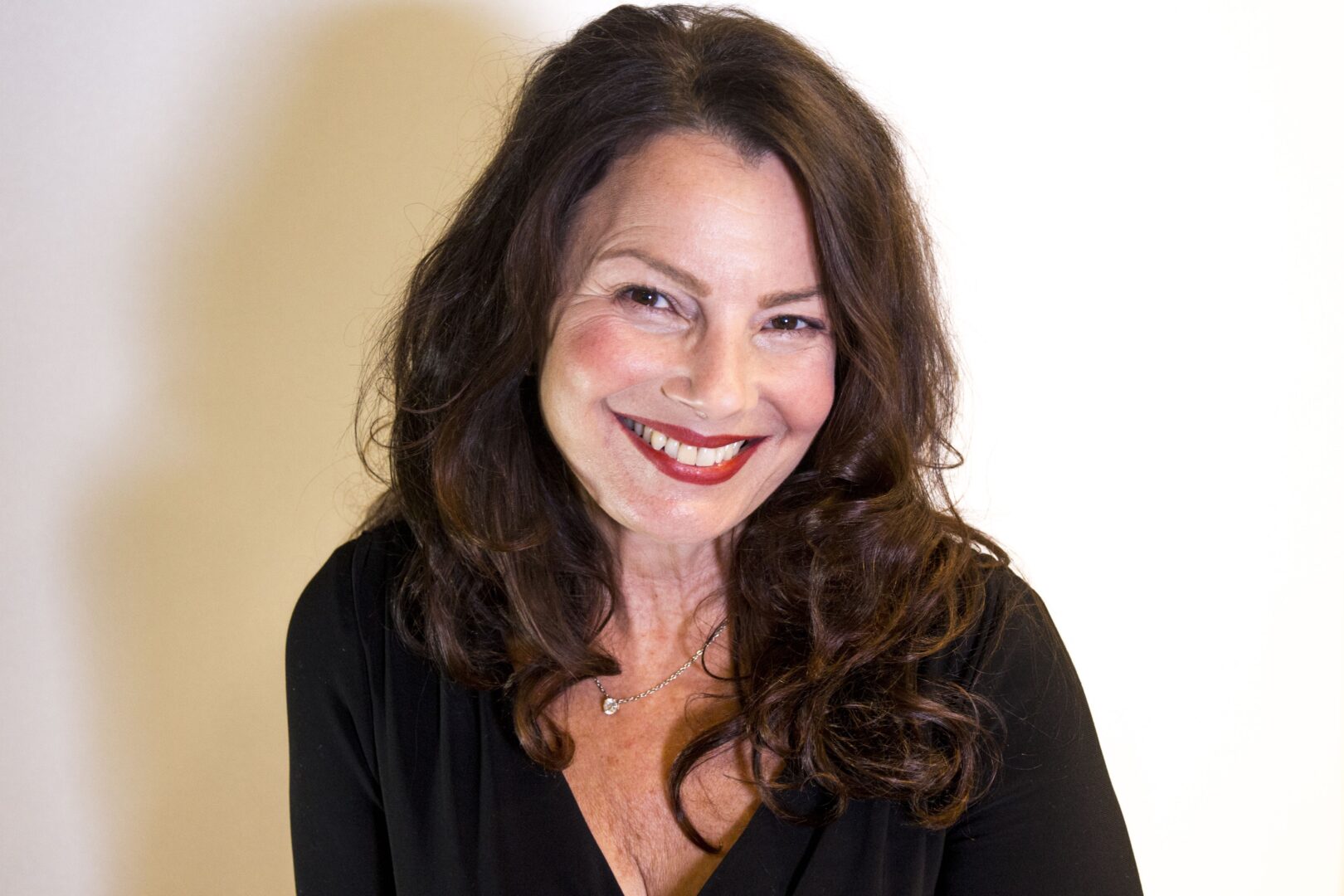
Fran Drescher
“I just want address what Jimmy here was saying about reaching those that are more marginalized. We have our Fran Vans that go into low-income neighborhoods like ice cream trucks, giving women mammograms. We are concerned about lifestyles specifically. I would rather have organic rice and beans six days a week and then maybe an organic chicken or a piece of meat one day a week than eat all the crap that’s available to people at the 7-11 or whatever.”
One on one with Fran Drescher: