
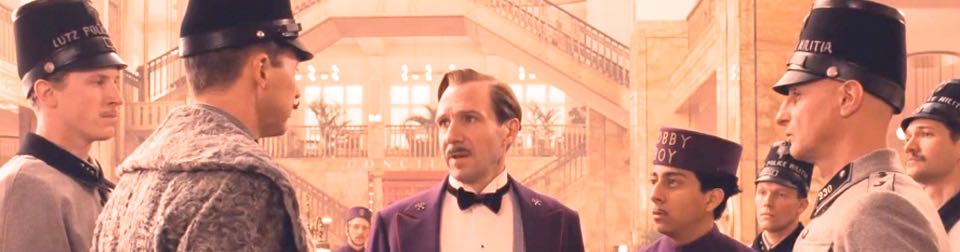
Photo credit: Janet Donovan
“I think one of the things I can tell you is what I do because it’s probably not very familiar to all of you. I work on the business side of the movie industry in a small company called Indian Paintbrush. We produce and finance movies independently and we’re such a small company that I get to see, I think, a lot of things that people don’t see if they’re in a bigger company,” said Peter McPartlin, guest of the MPAA‘s “Evening With” series hosted by MPAA CEO Chris Dodd. “Evening With” is an event series that brings leaders from the entertainment community to DC to discuss their work, their passions and their experiences in the creative industries.
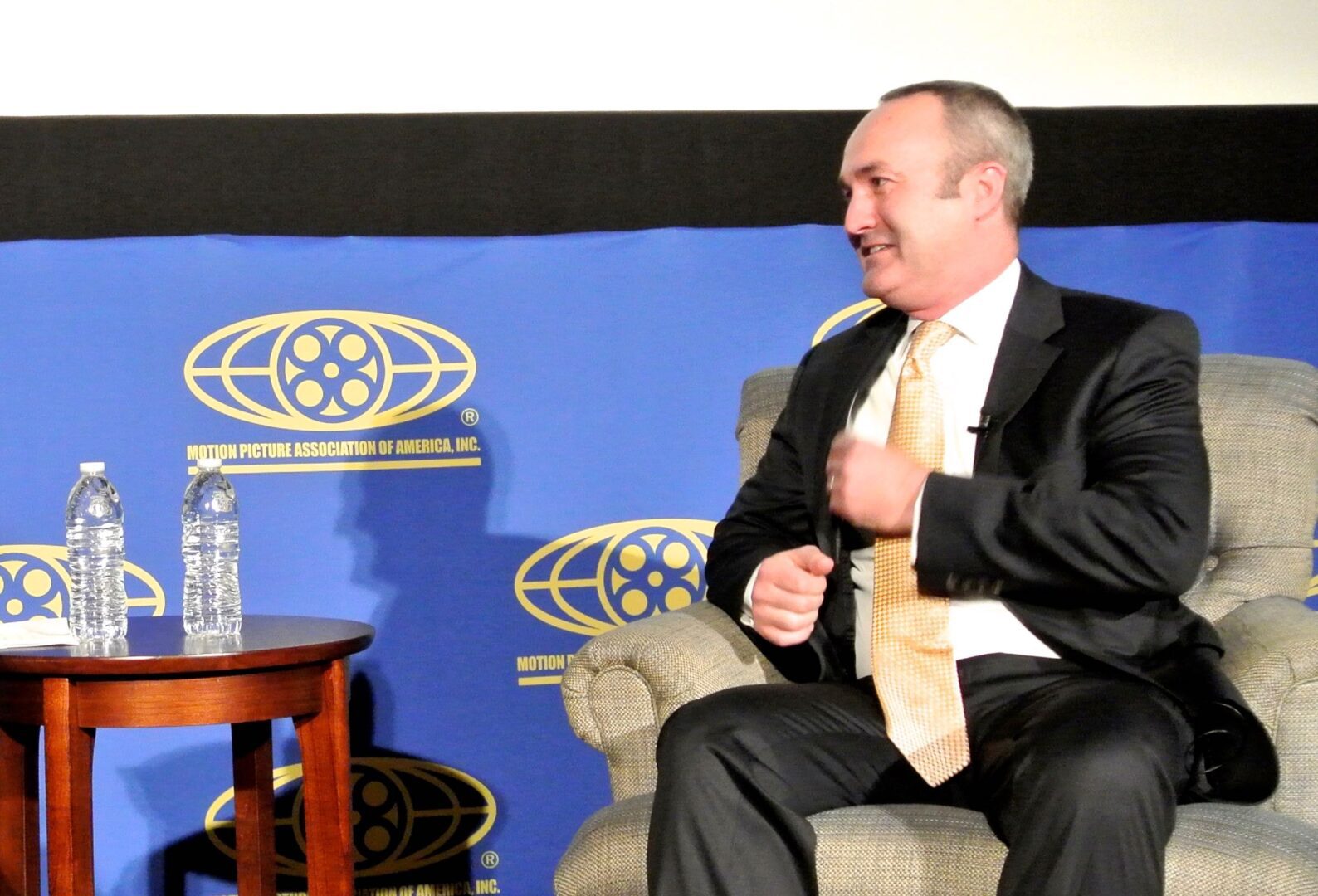
Peter McPartlin
“I get to see a pretty wide range of issues and topics and conflicts and problems. I always like to say I try to help make the trains run on time, and that’s basically what I do. Problems arise. You try to avoid them at the beginning when they arise, try to solve them when they come along. It’s a very interesting business from the business side of it because it’s art, first and foremost. You have something that’s an incredible medium and something America in particular has excelled at, but at the same time it’s a business and a lot of what my job comes down to is sitting between those two and dealing with a director, a writer, a producer who wants you to say yes to everything. You have insurance companies and financiers and banks and insurance companies and insurance companies (meant to be repetitive.) That’s basically in a nutshell what I do.”
McPartlin offered behind-the-scenes insights into motion picture production, financing and distribution – from the legal issues to the production obstacles. He has worked on dozens of feature films including Wes Anderson’s The Grand Budapest Hotel and Moonrise Kingdom, Ben Affleck’s Gone Baby Gone, Jason Reitman’s Labor Day, Everybody’s Fine starring Robert DeNiro, Terminator 3, the animated feature Gnomeo & Juliet and the Academy Award Winning films No Country For Old Men and The Queen.

“What I found so interesting about Peter is that I’ve discovered it’s rather rare … I say that respectfully, Peter … to find people who are really good understanding the commercial aspects of this and also the deep appreciation, the juxtaposition of art and commerce. That is hard in any artistic endeavor whether you’re running a theater or involved in production of film or whatever else it may be, having that great sense about both of those parts of that equation, and so I’m curious how you do that. How does that happen?” asked Chris Dodd. So McPartlin walked us through the process and explained how film comes to the big screen.
“At the beginning, you had an idea,” he said. “Sometimes it’s a pitch. Sometimes it’s a book. Sometimes it’s a foreign film that you want to remake. You go off and you make a deal for that book or that pitch or that remake rights, and then it starts with a writer. And so from my perspective, we made deals to acquire these rights and hire the writers and the creative people guide them along and at the beginning it’s usually very nice and it’s very pleasant and everything’s moving along very easily because you make a writer deal, which is not the most difficult part of our business, and everyone goes off and starts doing that.“
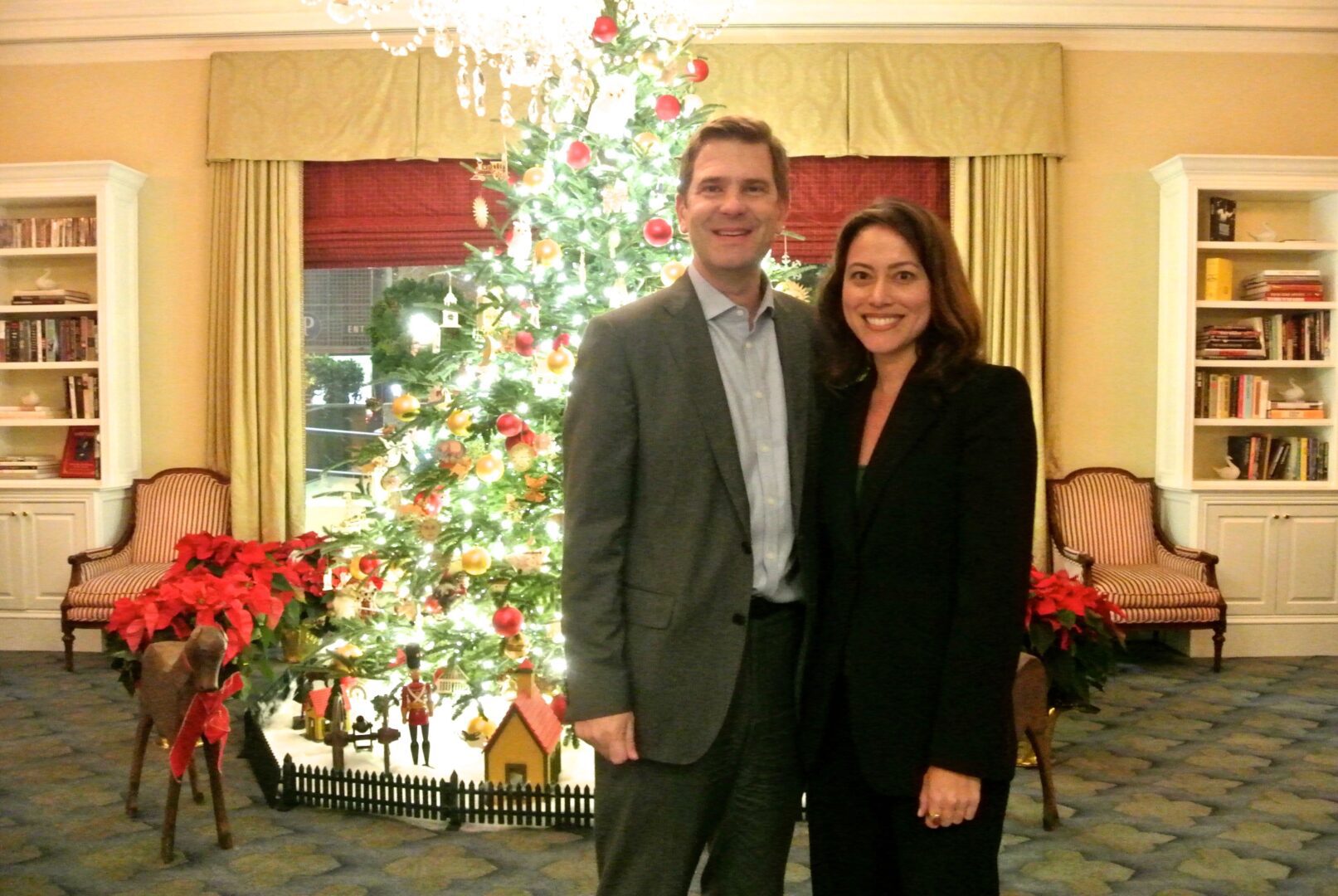
Guests Todd Flournoy and Anna Soellner
“One of the things that happened at some point in my career – I won’t say when – but it was a very unique problem we had with a script. The script was pitched to our creative people and everyone loved it. It was great, moved along, and they were getting ready to get a director, get some actors, and start to package the movie together and they were pitching to an agent. You go to agents and you get ideas from them for who should be in the movie or should direct it, that kind of thing. When the agent said, ‘God, that sounds an awful lot like 1950s movie’ and people I worked with went ‘Gasp!’ They went ‘Hold that thought’ and we went back and dug up this movie that was semi-popular, not that popular, and we basically wound up scrapping the project because it was too close, and to get far enough away from it from a copyright perspective would have required too much work and would have gutted the whole concept of the movie.
It points out to you, it’s this weird business we live in. There’s no place you can go to and say, oh is that idea too much like this, or is that idea too much like this? You just think an idea sounds fresh and you go with it and you never know what’s going to come along. That was one of those things that really hit me over the head and I said, wow, this is, it’s an art and you can’t go to the patent office to find out if the script you’re developing is too much like something else. It is an interesting business to be in, so that’s kind of the easy part, the development process.”

Christmas at the MPAA




Come on in:
Examples of the trials and tribulations of movie-making that are fit to print: