Photo credit: O Street Museum
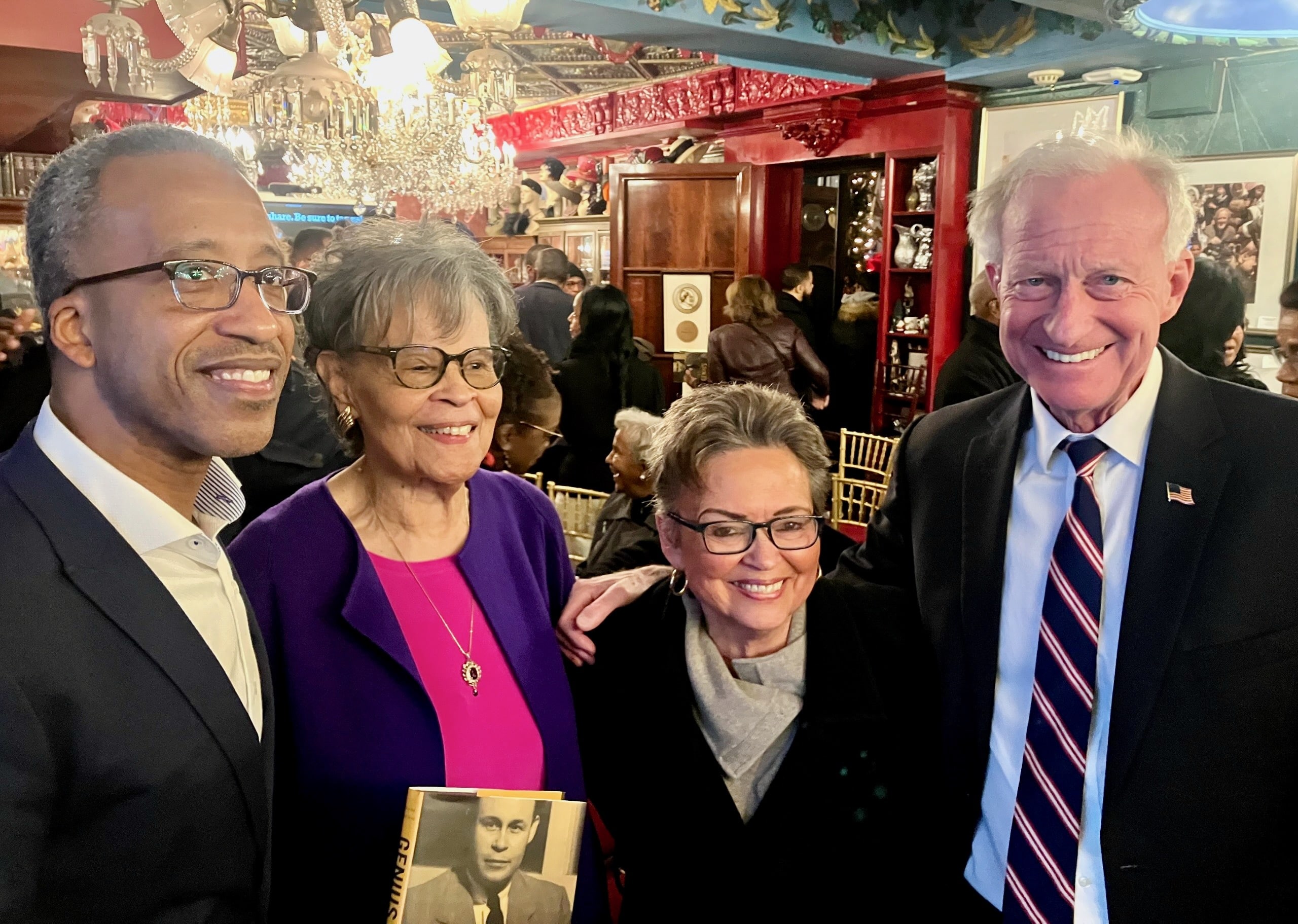
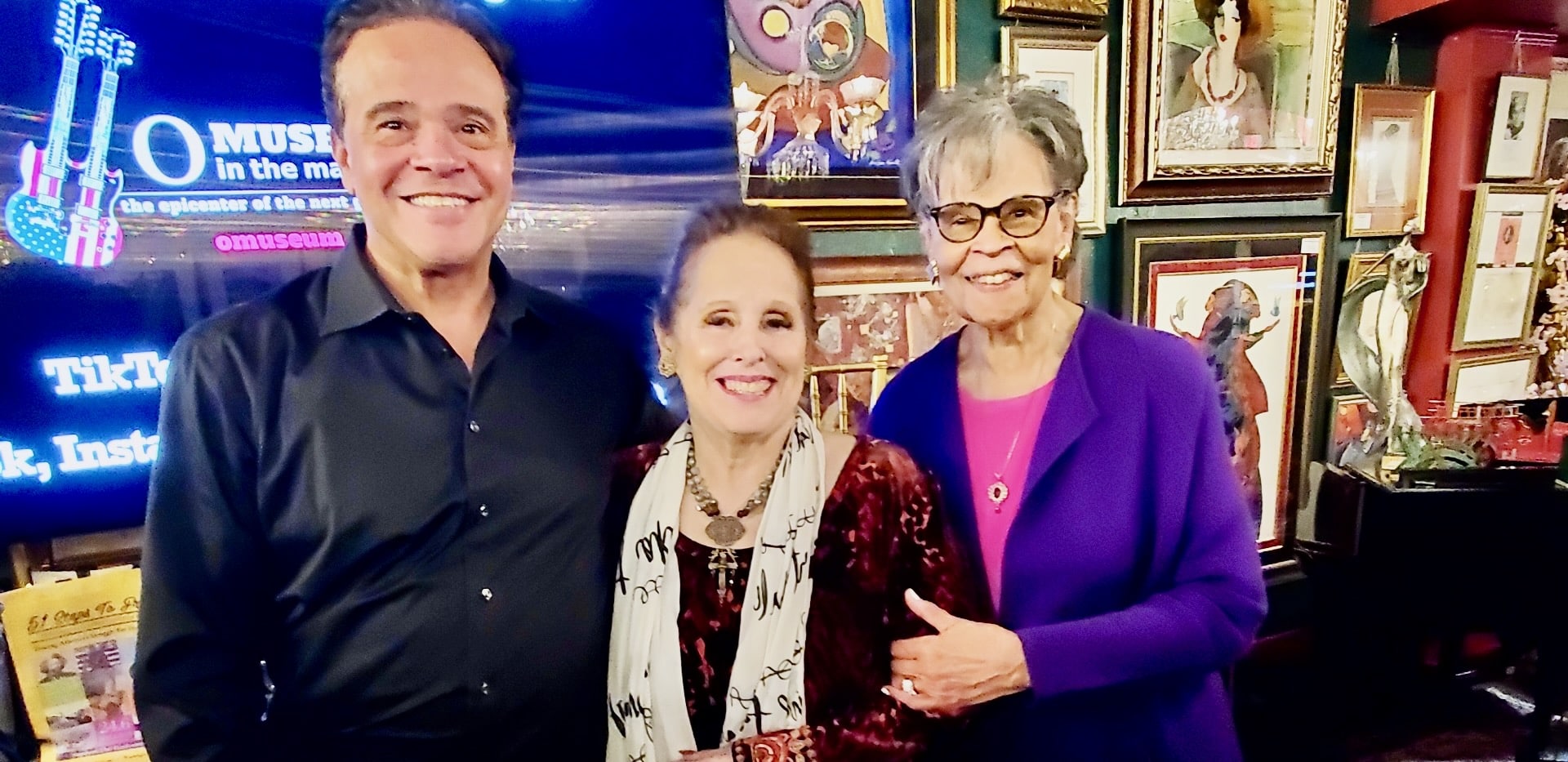
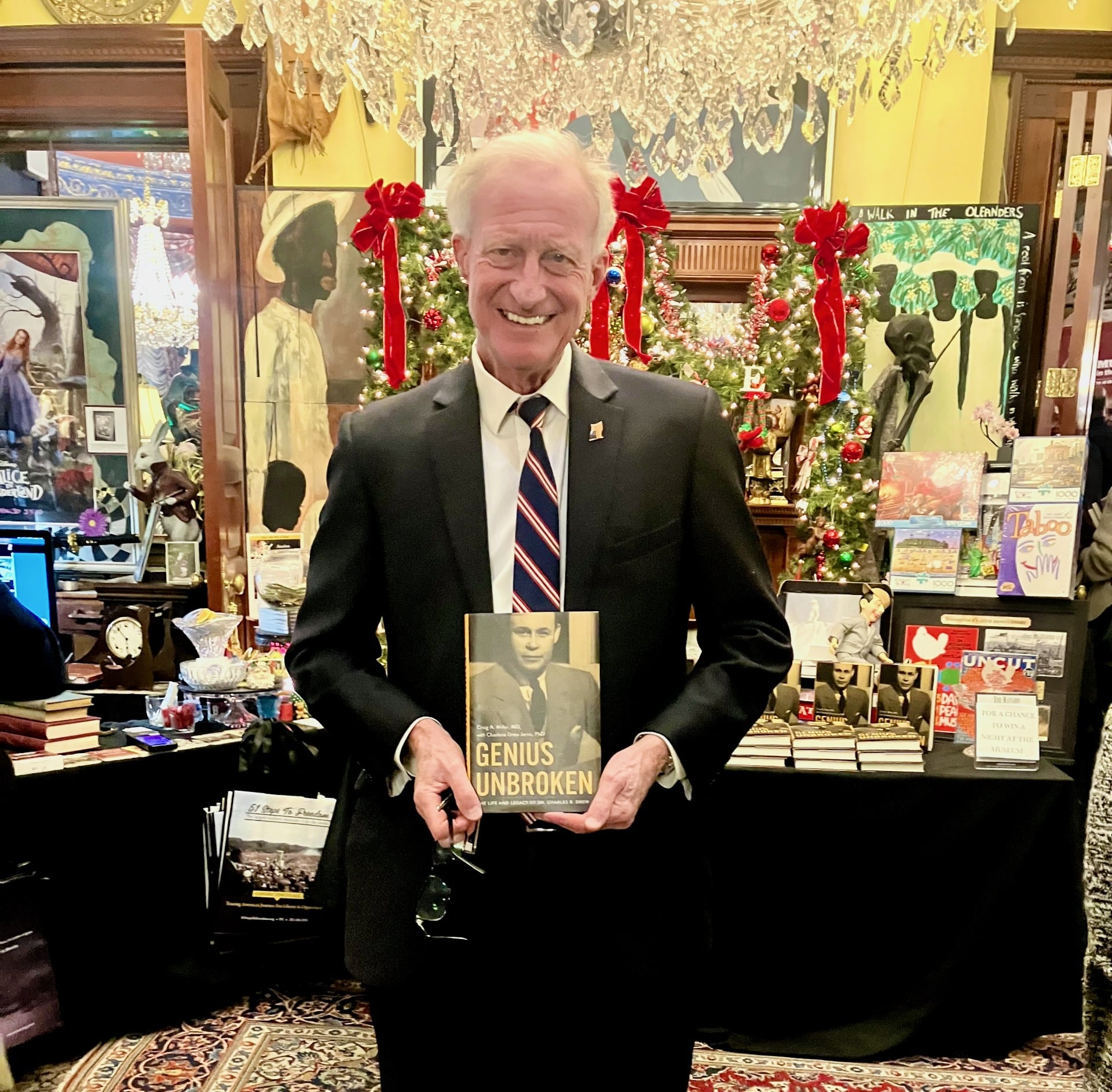
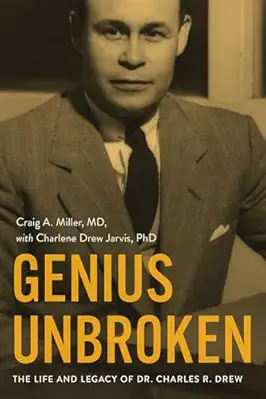
There are moments in conversation when history stops being abstract and suddenly becomes personal—when a scientific breakthrough becomes a childhood memory, when a global war narrows to a half-block walk on the campus of Howard University. Speaking with Dr. Charlene Drew Jarvis, that moment arrives quickly at a book launch hosted by HH Leonard at The O Museum in the Mansion. The book – Genius Unbroken: The Life and Legacy of Dr. Charles R. Drew – was authored by Craig A. Miller with Dr. Jarvis.
She spoke about her father, Dr. Charles Drew and the quiet revolution that changed medicine forever.
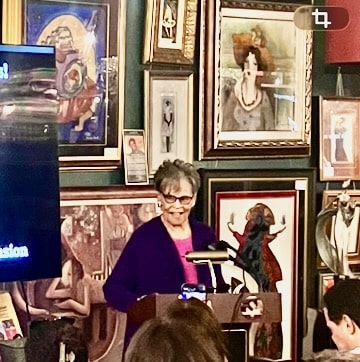
Dr. Charlene Drew Jarvis
Dr. Jarvis later sat down with Hollywood on the Potomac for a personal conversation about her Dad. Here is a recap of that conversation.
“I’m fascinated, absolutely fascinated,” I told her. “What was it like growing up with a dad that not only was world renowned, but in a very kind of strange, if I might say, occupation for a dad to have – blood plasma. What was that like?”
Dr. Jarvis paused, then gently brought the conversation back to where it all began—not with accolades or legacy, but with loss. “Well, thanks. I’m really glad to talk to you about my dad,” she said. “It’s been an experience recently with the book coming out that I get to go back. And some of it’s a little bit painful because I was only eight years old when my dad died.”
They lived on the Howard University’s campus, just steps from Freedmen’s Hospital where Dr. Drew served as a surgeon and later chief of surgery.
To his daughter, he wasn’t yet a legend.
“I didn’t recognize him to be a surgeon of great note. I recognized him to be a doctor who went to the hospital every morning and took care of sick patients.”
Patients, she recalled, often couldn’t pay. Instead, they brought gratitude.
“They would bring to our home a cake or some other kind of nicety to repay my dad for what he had done to support them.”
Only later did she understand the magnitude of his work: Pioneering the storage and preservation of blood plasma—a discovery that would save countless lives during World War II and beyond.
“What I learned was that what he had done was to permit plasma to be used instead of whole blood and that plasma could be packaged and it could be sent to the battlefield and it could be delivered to soldiers who were injured.”
She explained it simply, the way a child might first grasp it.
“You certainly could not take blood from people on the battlefield. You certainly couldn’t lie one person one next to the other and have a transfusion.”
Plasma changed everything. It could be separated, dried, stored, shipped, and reconstituted with water. It didn’t require refrigeration. It didn’t poison soldiers with potassium buildup. It traveled where blood could not.
“That was really the extraordinary contribution that my dad made to saving lives during the war, but also in simply saving lives here in our own country.”
And yet, the science wasn’t the only battle he fought.
“The important thing about the work of my dad as well was during the war, he continued to say there is no reason to segregate the blood or the blood plasma of any soldier by race, that our blood is all the same.”
The military resisted.
“They were deeply involved in believing that it was dangerous to have blood between people of different races, but of course it was not.”
Her father’s response was characteristically direct.
“And besides that, it’s stupid. We need the blood. We need the blood on the battlefield.”
The consequences were real. In El Alamein, British soldiers had plasma. German soldiers did not.
“The British had blood plasma. Germans did not have blood plasma, and so their soldiers survived, and the Germans did not because of the availability of the blood plasma.”
Despite the magnitude of the discovery, Dr. Drew’s name never achieved the cultural shorthand of other medical pioneers.
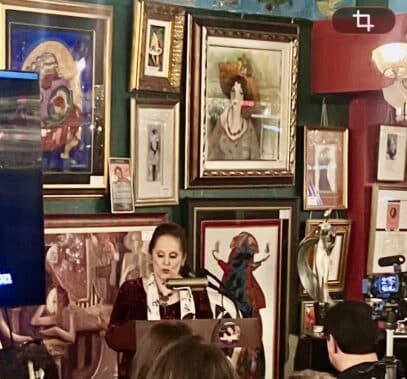
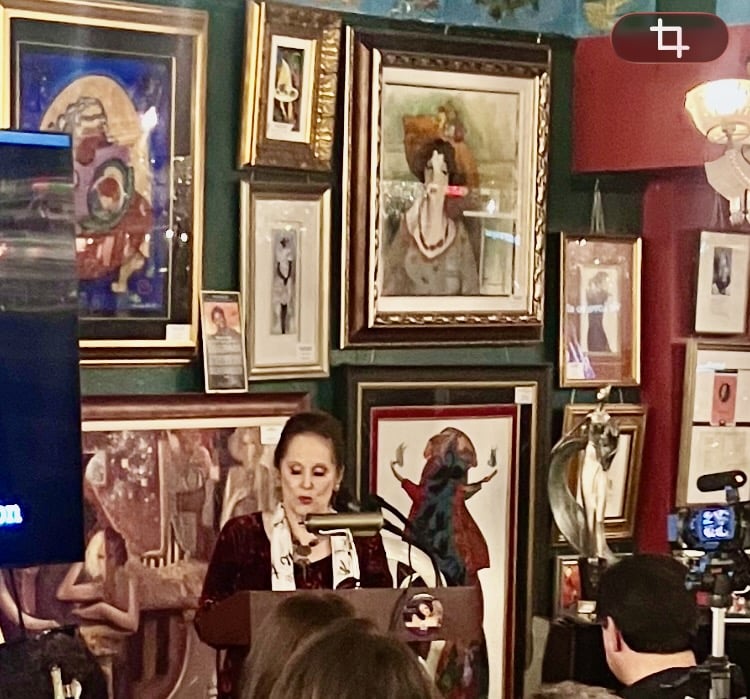
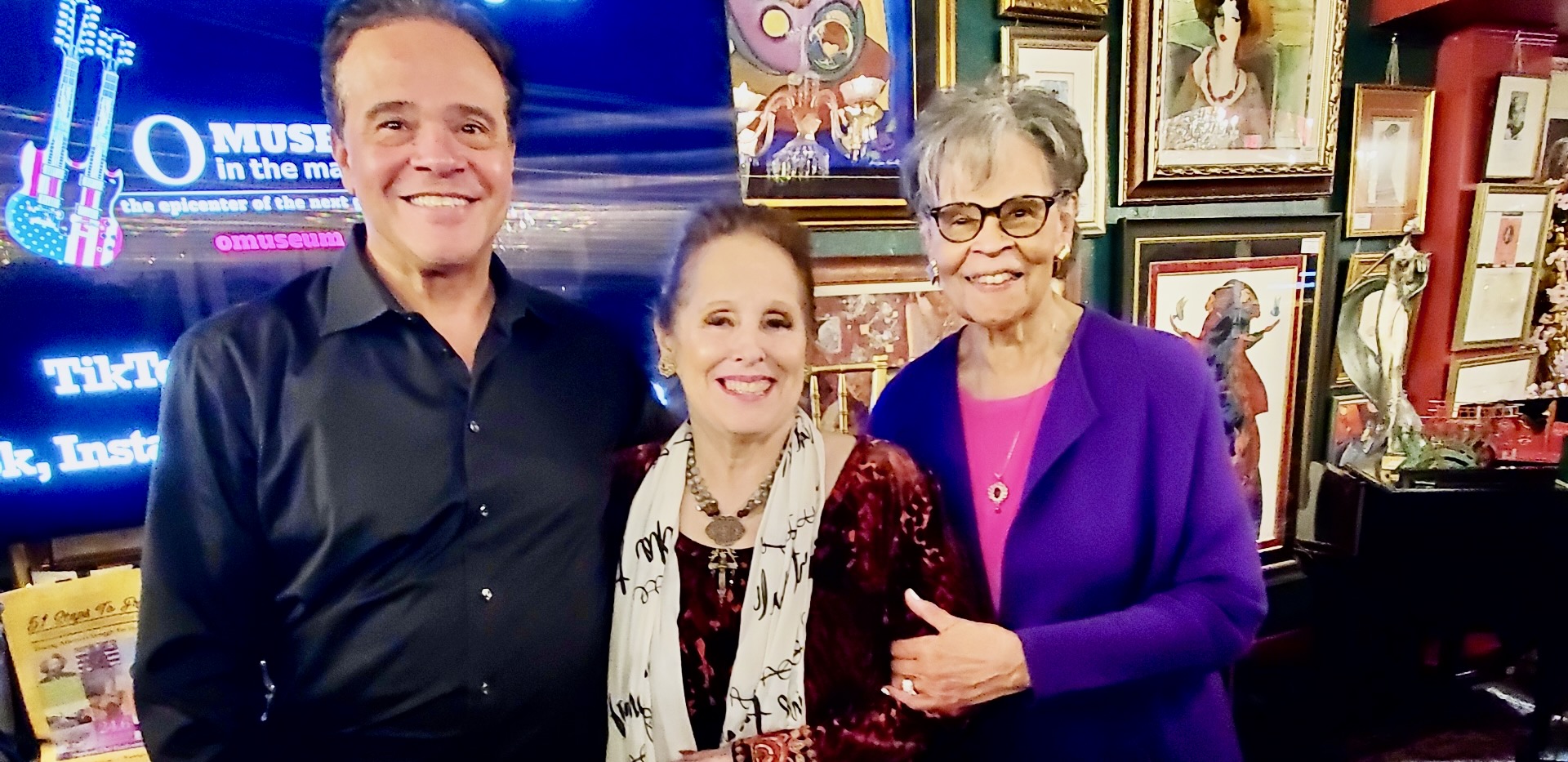
HH Leonards, Founder of O Museum in the Mansion, talked about accomplishments of both Dr. Drew & Charlene Jarvis
“It’s a scientific discovery of great merit, which was not attributed to somebody who identified as African American is no surprise in our country.”
Then came the detail that still landed like a blow.
Dr. Drew died at 45 in a car accident while driving through the segregated South with his students—traveling overnight because “there were no hotels that were available to people of color.”
“My father fell asleep at the wheel of a car.”
There has long been speculation about whether he was denied lifesaving treatment.
“The point of fact is that he was grievously injured and he probably could not have been saved. Still, segregation shaped the outcome—and the legacy.”
“So we can talk about many ways in which the policies of the country contributed to his loss… but it isn’t something that our family concentrates on.”
What they do concentrate on is who he was.
“He was a man of extraordinary intellect. He was a man of extraordinary athletic prowess. He was an extraordinary teacher of medicine.” And a mentor with a message.
“‘Excellence of performance will overcome any artificial barriers created by men.’” That sentence—delivered to his students, to his children—becomes the throughline of the conversation. Dr. Jarvis carried it into her own life: A PhD in neuropsychology work at NIH, public service on the D.C. Council. Her siblings forged their own paths in medicine, law, and education, each shaped by expectations that were both inspiring and daunting. “Everybody has a special contribution, so you can’t measure yourself against anyone else.”
As the conversation turned to modern medicine and artificial intelligence, Dr. Jarvis is clear-eyed and optimistic. “I think it’s revolutionized medicine. I think it’s revolutionized practice.” She agrees that AI can see what human eyes miss. “AI is seeing what we’re not seeing with our eyes.”
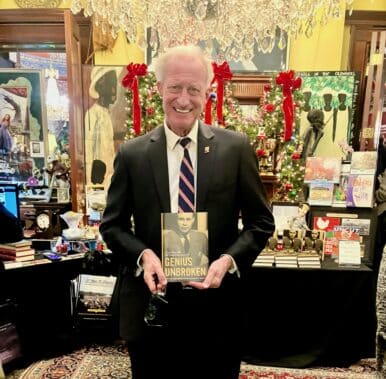
T.H. Jack Evans
In the end, the story circles back to legacy—not just scientific, but moral.
Dr. Drew didn’t only save lives, he challenged institutions. He fought segregation within the American Medical Association. He trained Black surgeons when doors were closed. “What you’re doing is you are preventing doctors,” he told them. And he left behind a standard. “‘Your excellence of performance will overcome any barrier that you are receiving from the external world.’”
In a world still wrestling with access, equity and recognition, Dr. Charles Drew’s blood still flows through modern medicine—quietly, invisibly, indispensably.
And thanks to his daughter, the story does too.