by contributor Tamara Buchwald
Photo credit: Getty Images
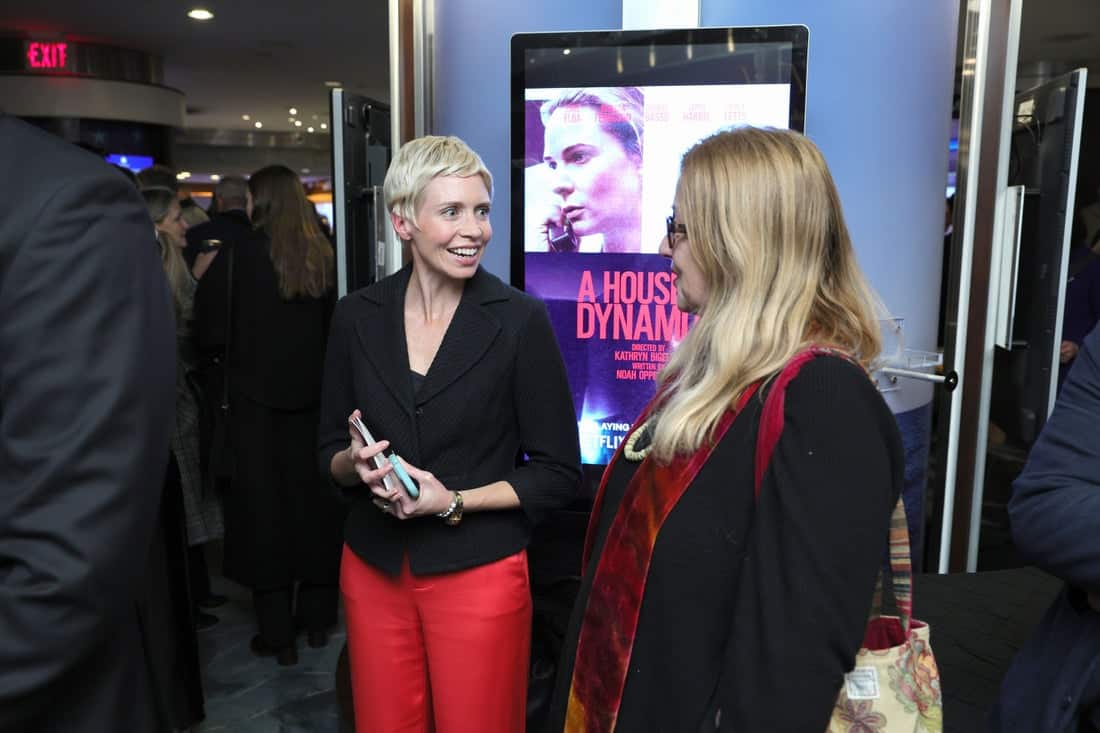
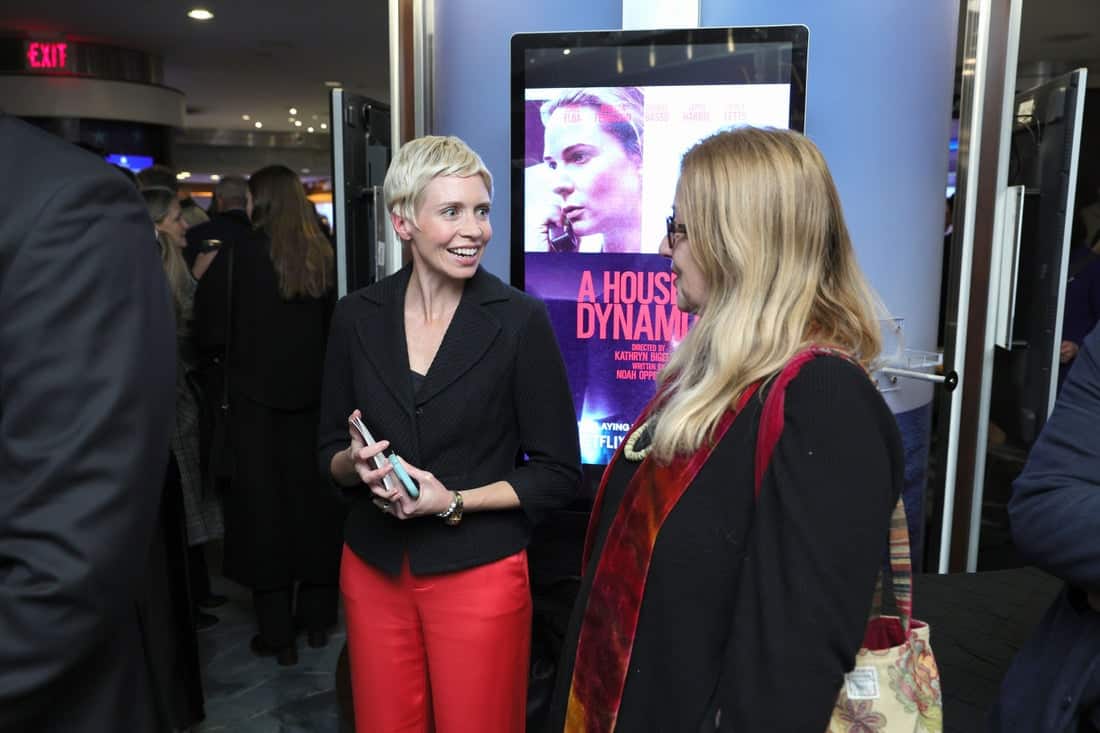
On warm fall evening, an eager full house gathered at the Navy Memorial Theater for the recently released highly anticipated political thriller from Oscar-winning director Kathryn Bigelow and screenwriter/producer Noah Oppenheim. Guests arrived to the Navy Memorial Theater which is probably one of the most elegant historic venues in D.C. to screen the film. The Navy Memorial Theatre brings gravitas — its location and décor deepen the film’s political edge. The guests were offered deluxe snacks and drinks that set the tone – artisanal popcorn, drinks and a huge variety of chocolate to indulge the anticipation of the film. The crowd mingled and talked about the buzz surrounding the Bigelow’s film before taking their seats. This once again was a reminder how the social ritual of experiencing movies in theaters is irreplaceable and so much more fulfilling that watching movies in a solitary environment.
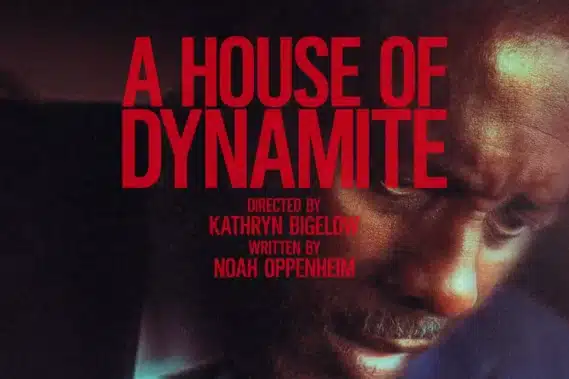
Photo credit: Creative Commons
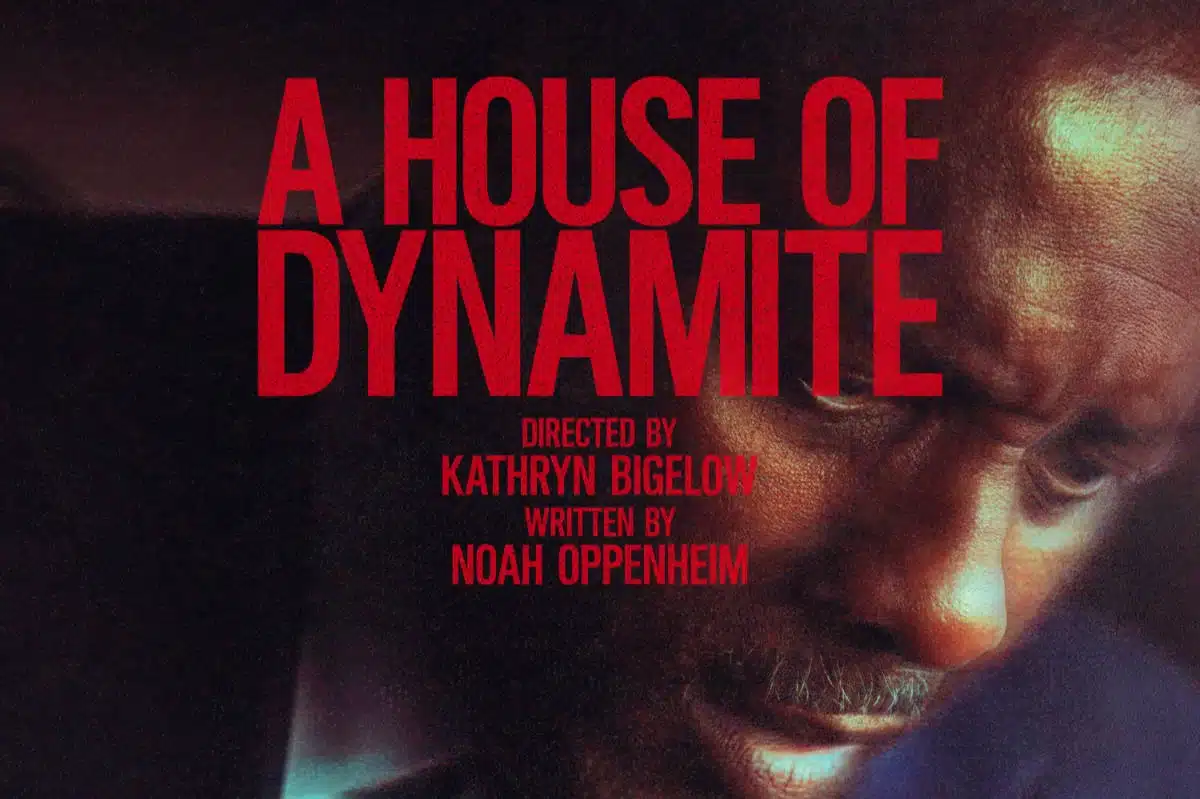
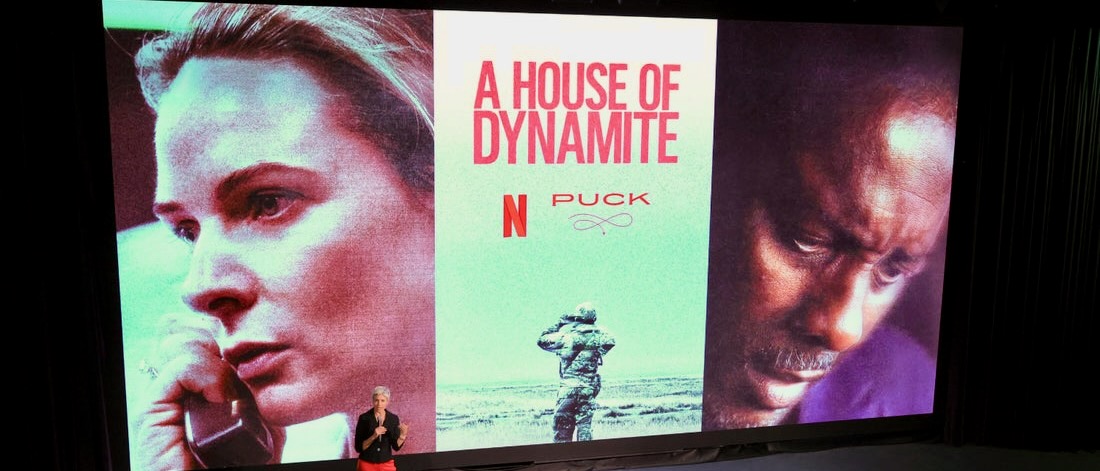
The theater was filled to capacity. The lights dimmed and one could hear a pin drop. Netfilx’s A HOUSE OF DYNAMITE appeared in scarlet against a black screen and the journey began. The movie delivers a tense and gripping narrative as the U.S. government—portrayed through a strong ensemble cast—races to confront the imminent danger of a lone missile strike. The ticking clock thriller set in and around D.C. infused with real-world anxiety, feels especially urgent and came across as an absolute possibility in these uncertain times. The level of detail in the film felt very realistic. The film not only entertained for every moment of the 112 minutes but was also very thought provoking which was evident when the entire audience sat in reflective silence.

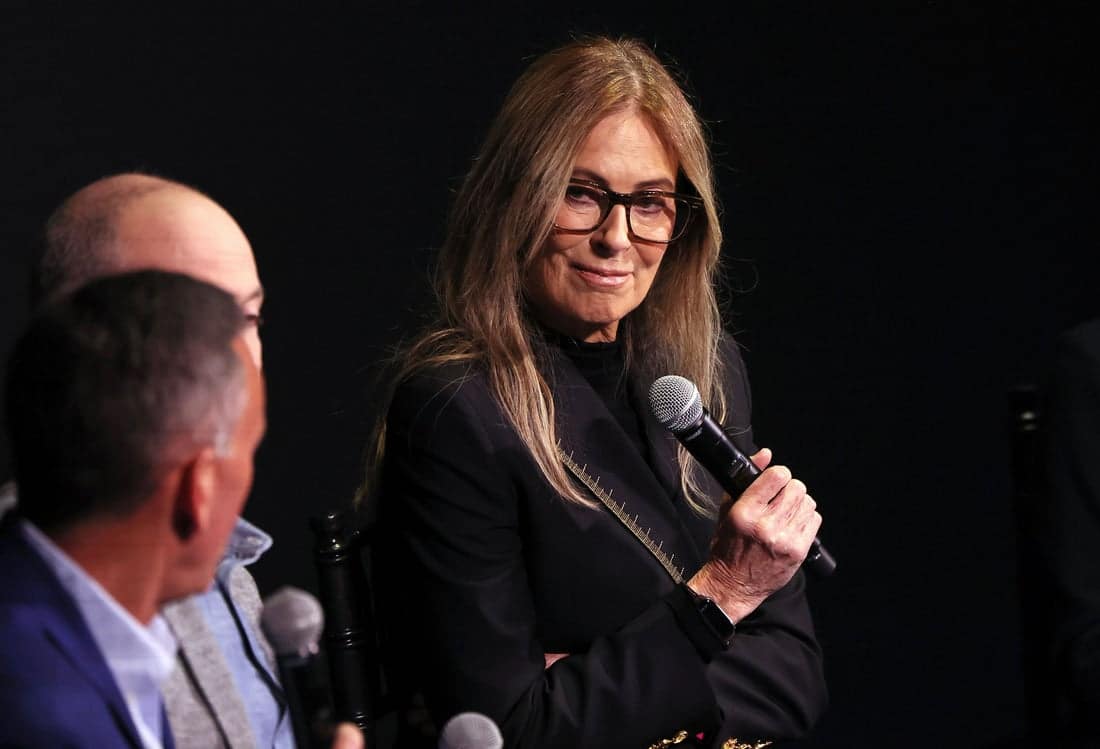
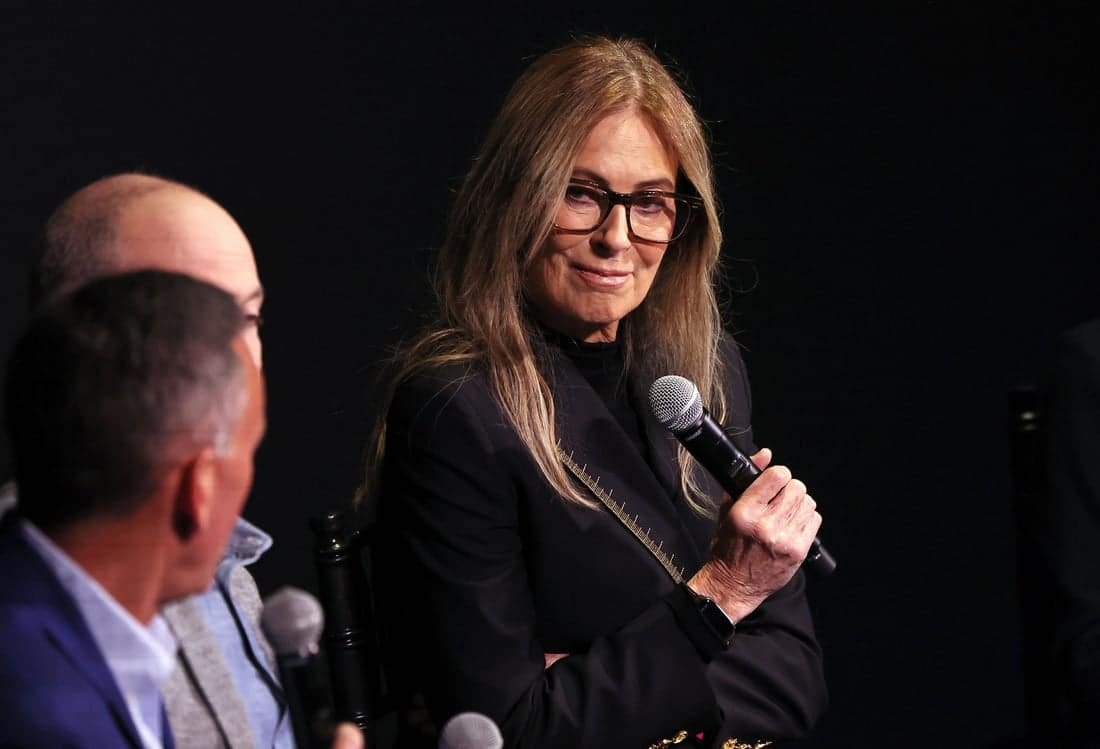
After the film, Kathryn Bigelow appeared alongside Noah Oppenheim and Lieutenant General Daniel Lewis Karbler, who last served as the commander of the United States Army Space and Missile Defense Command from 2019 to 2024. Leigh Ann Caldwell, dressed in red and black perfectly coordinating with the film graphics, interviewed all three on stage. Leigh Ann inquired as to what the thought process in coming up with this idea for the film. Kathryn responded, “I came from an era that we had to hide under our desks when I was going to school in case of an atomic event and that stays with you….it is imprinted so I was kind of cold war fascinated….I then came up with this idea of what would happen if a missile was launched towards the United States, what is the protocol what happens in the halls of power. What is the procedure ” – Noah continued explaining the goal of the film: “For both Kathryn and I the desire was to invite a conversation like she said, about the fact that this threat exists in the background of our lives and we don’t talk about it and it used to be a center piece of presidential campaigns—who do you want with their finger on the button and it used to be an element in our popular culture that artists went back to again and again and that sort of stopped at the end of the cold war.”
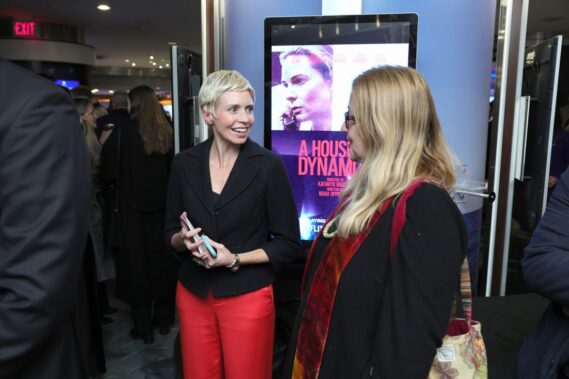
Leigh Ann Caldwell and Kathryn Bigelow
When asked about the ending of the film, Noah responded “What is the story you are trying to tell? If a single domino were to fall this massive machinery that you all just saw kicks into motion and ultimately results in one man or woman as the case may be having minutes to decide the fate of mankind with zero accountability no obligation to take.” Kathryn continued “That it was really important to avoid the “Hollywood” ending—the easy one that everything gets wrapped up, that’s fine, I can go on with my life,” we live in this really combustable environment…is that the world we want to live in—the film ends on a question rather than an answer.” Noah continued of their common interest. “One of the things that has made Kathryn such a legendary filmmaker is her commitment to realism and authenticity and she and I share a journalistic sensibility in terms on how we approach building the story. Let’s call people who have had these jobs. It is about building it from the ground up with those people who have been in the room. One of the things is to pay tribute to those like Dan who have devoted their lives on keeping us safe.” The Q & A was informative and provided deep insight of the filmmakers.

Kathryn Bigelow
Following the Q & A, the event segued into a reception hosted by the Netflix and Puck. The atmosphere was alive with conversation of the thought provoking film we all just experienced. The menu included a cruditė platters, mini hamburgers and French fries, chicken skewers and Maryland-style crab-cakes — a nod to D.C. region flavor. The ambiance was relaxed yet upscale high-top cocktail tables, and a subtle nod to military décor (in keeping with the Navy Memorial setting). Attendees included local media, film-industry folks, influencers, and D.C. tastemakers. Conversations flowed from the film’s implications to future streaming strategies, the role of theatrical screenings for Netflix originals, and how Washington audiences respond differently to such material.
For one evening, cinema, cuisine and conversation fused seamlessly. The screening of A House of Dynamite at the Navy Memorial Theatre was more than a viewing—it was an event: a full house of engaged viewers, a director, a writer and an expert in dialogue, and a reception where ideas and hors d’oeuvres mingled. The takeaway? When done right, streaming-first films still shine in a theatrical and social context—and Washington, D.C. proved a perfect stage for such an outing=a perfect night out.