by contributor Enid Doggett
Photo credit: Enid Doggett
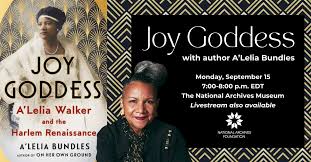
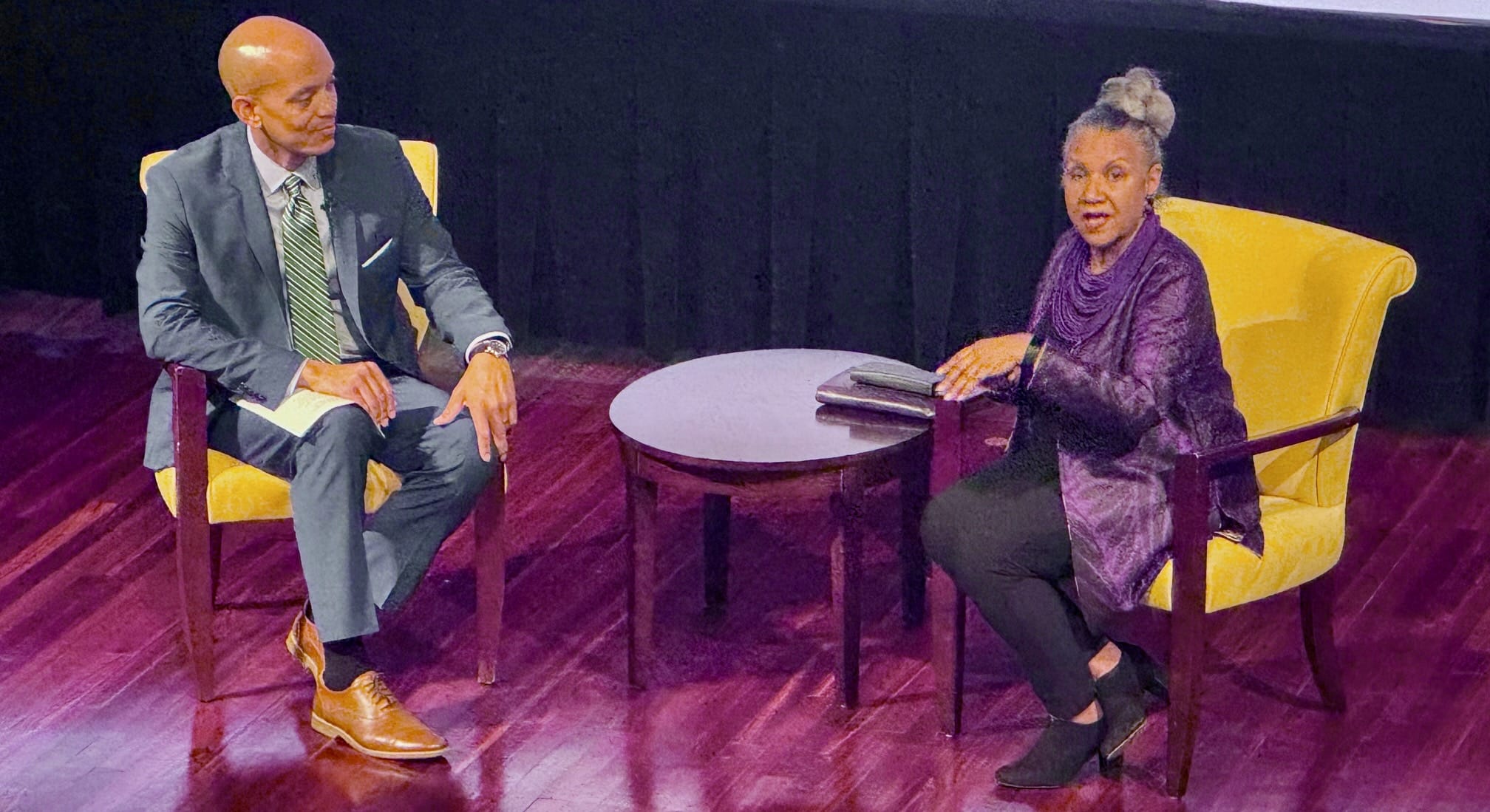
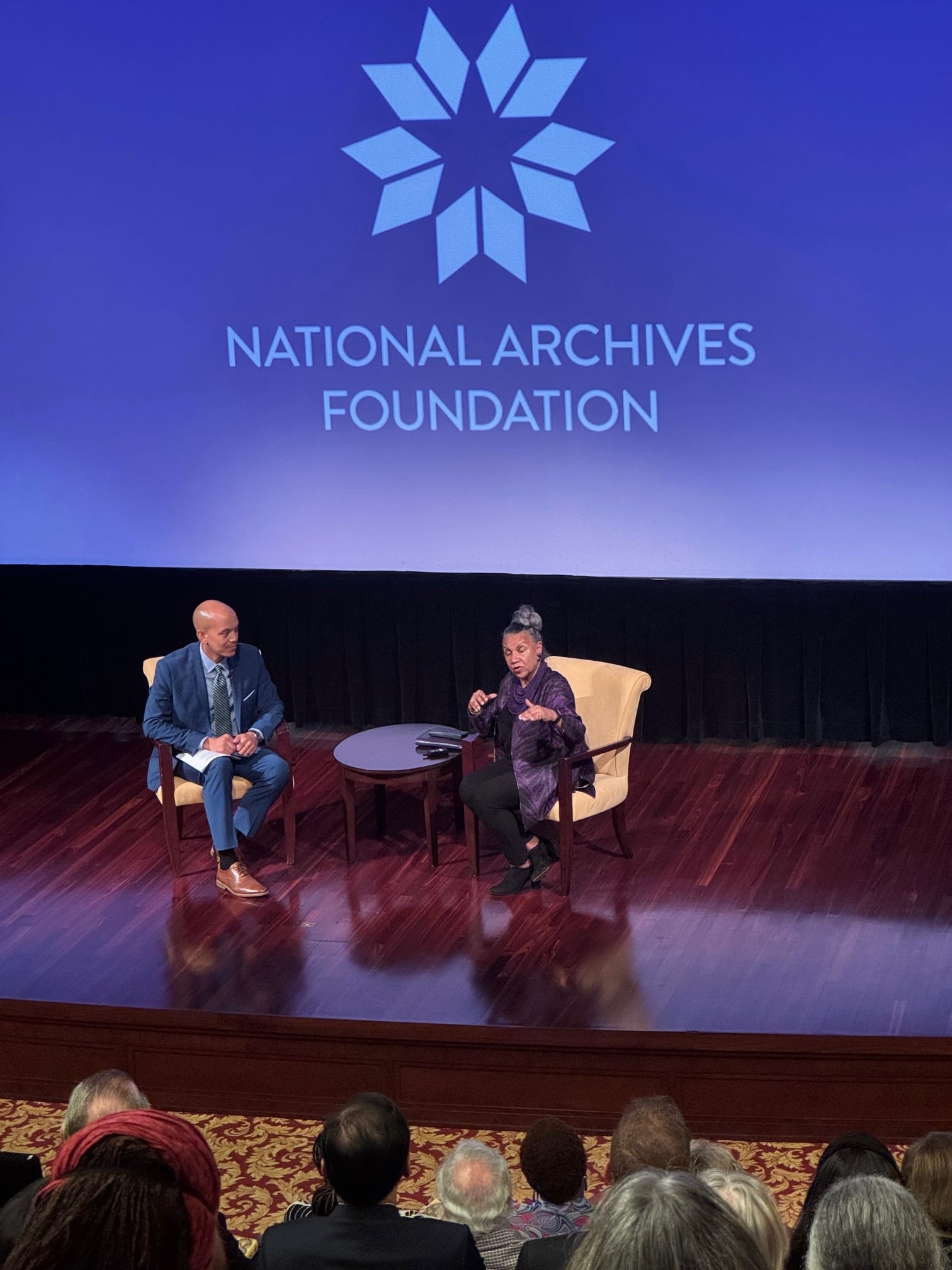
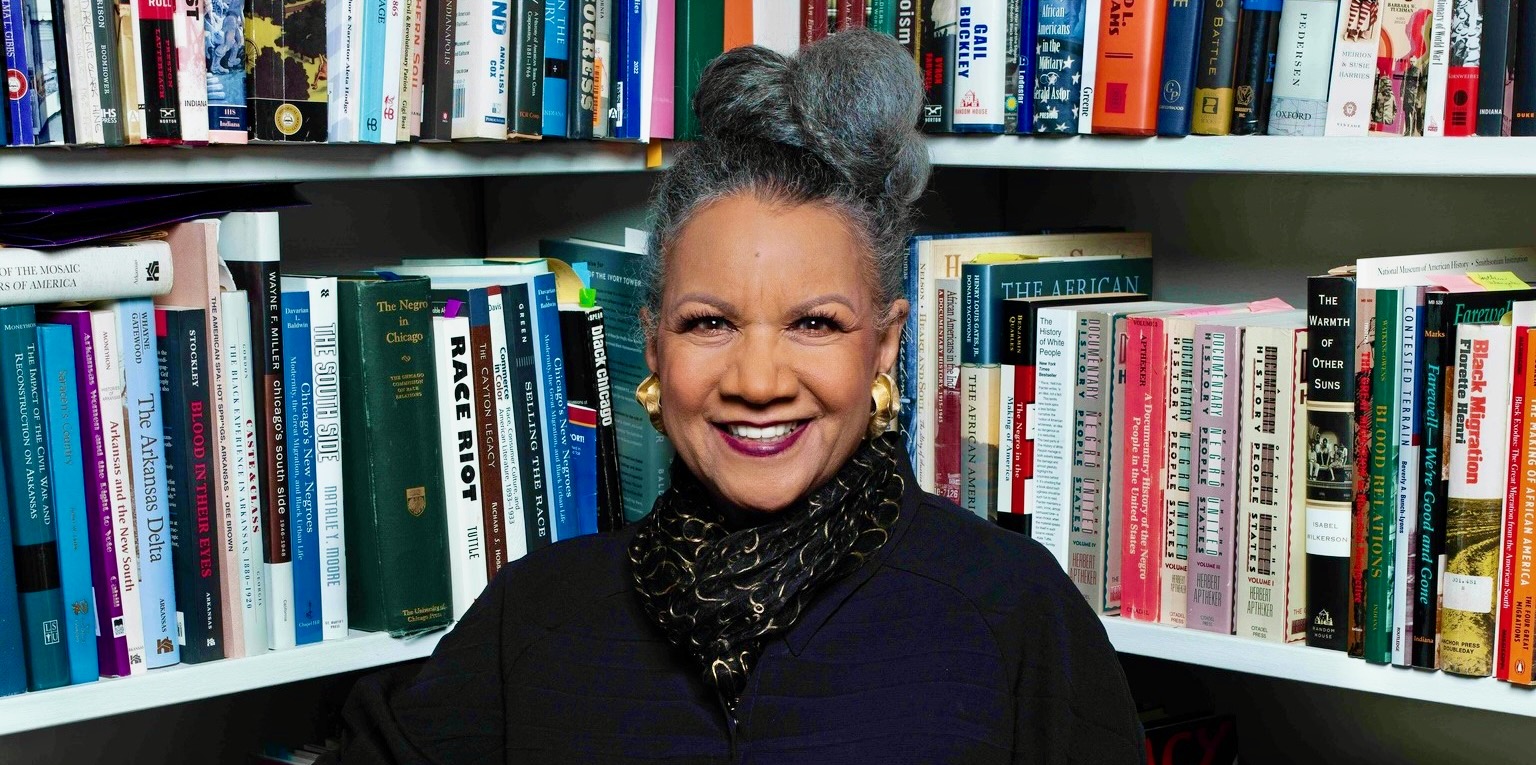
Author and journalist A’lelia Bundles recently joined PBS News anchor Geoff Bennett at the National Archives to discuss her new book, Joy Goddess: A’lelia Walker and the Harlem Renaissance Salon. The event carried special resonance as Bundles is a member of the board of the National Archives, as well as a former ABC News producer and award-winning journalist.
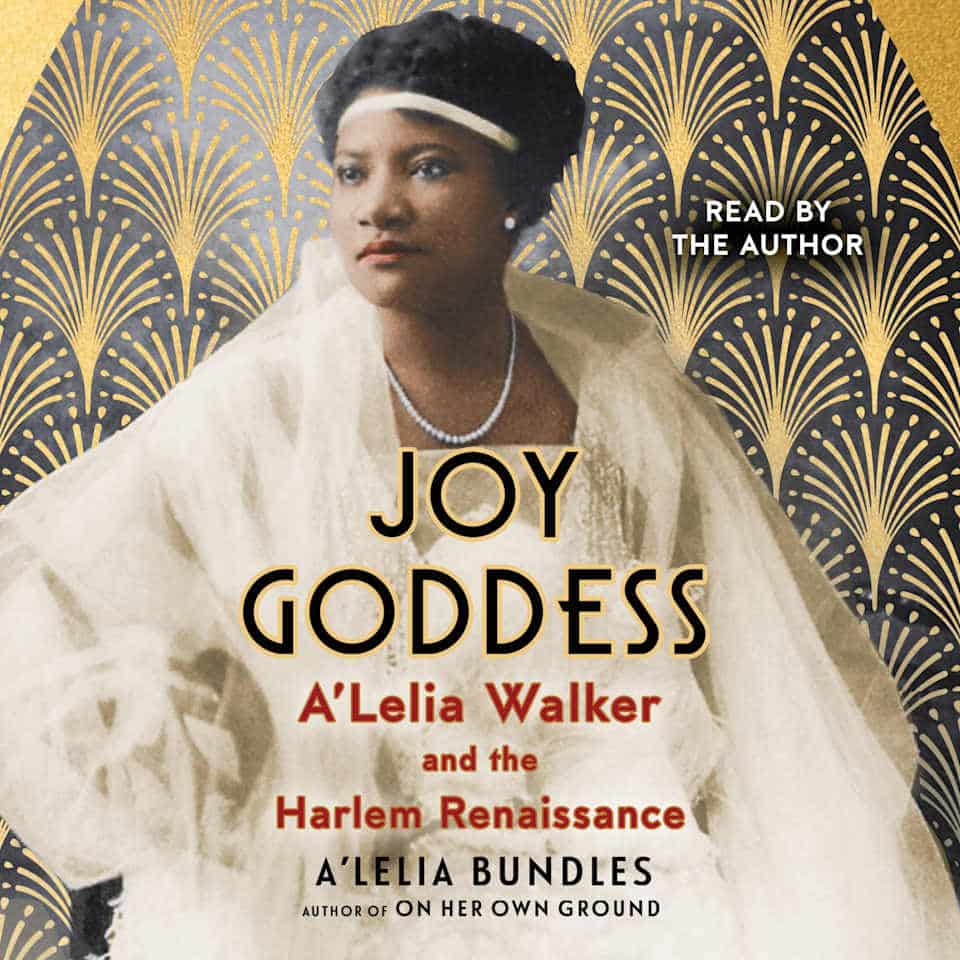
In Joy Goddess, Bundles brings to life the story of her great-grandmother A’lelia Walker, daughter of entrepreneur and philanthropist Madame C. J. Walker. Walker became known for her glittering salons and gatherings that drew leading figures of the Harlem Renaissance. Luminaries such as Langston Hughes, Zora Neale Hurston, and W. E. B. Du Bois found inspiration and community at these events, which Bundles described as more than parties—they were cultural incubators that helped fuel an artistic and intellectual flowering in the early 20th century.
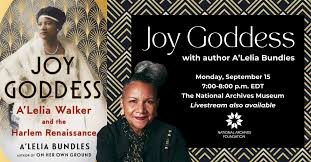
The book also explores the complexities of Walker’s personal life, including her relationship with her mother, Madame C. J. Walker. While Madame Walker achieved historic prominence as a pioneering businesswoman and one of the first self-made female millionaires in America, her daughter wrestled with the challenge of carving out her own identity. Bundles reflected on how A’lelia sought independence and self-expression under the shadow of her mother’s towering legacy.
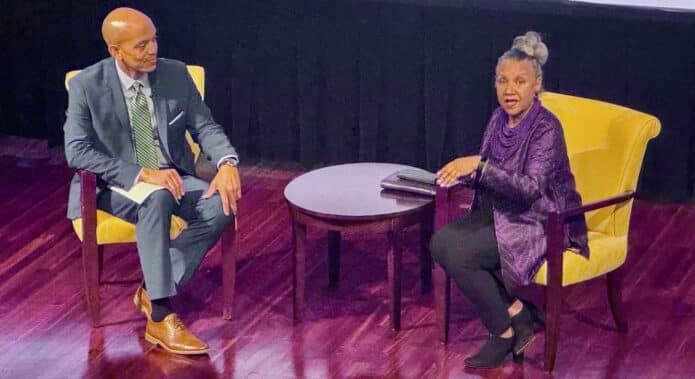
Geoff Bennett with A’lelia Bundles
During the conversation, Bundles stressed the importance of the Black Press in shaping the narrative of her great-grandmother’s time and preserving its significance today. Newspapers such as the Chicago Defender and the Pittsburgh Courier documented Harlem’s vibrant cultural life while amplifying the voices of individuals often overlooked in mainstream outlets.
Bundles also spoke of A’lelia Walker’s travels across the United States and abroad, which exposed her to new ideas and artistic movements. These experiences informed her vision for creating spaces where creativity, politics, and community converged. Her search to “find her own way,” Bundles noted, “is a central theme of Joy Goddess.”
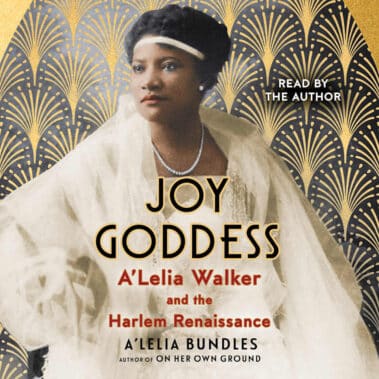
Through her research Bundles said she came to see her great-grandmother as a truly magnetic woman—one of the original influencers, a social impresario whose presence lit up every room she entered. “She had an extraordinary gift for bringing people together—whether they were friends from downtown or uptown, from Europe or Africa, from the arts or from business. She created spaces where all these worlds could meet,” said Bundles.