
by columnist Donna Shor
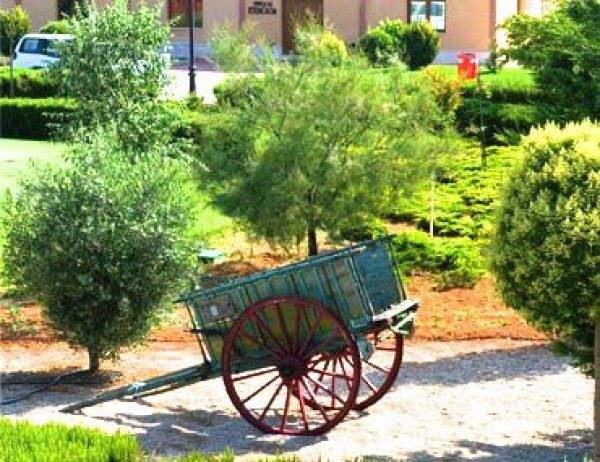
José Luis Navarro came to Washington last week bringing with him wines from La Mancha, the breeze-swept Spanish plain where Cervantes’ Don Quixote tilted at windmills.
The bottles, from the Finca La Estacada winery, were featured at the latest of Taberna del Alabardero restaurant’s wine dinners, pleasing a roomful of ardent wine lovers. They reflected the great advances wines the La Mancha region have made over recent decades.
Their change in quality was part of a global picture, accompanying the intense interest in wine that spread internationally, spearheaded by the US public’s increased consumption in tandem with its developing wine knowledge..
These manchego wines illustrate the global thrust toward improvement, both by vintners striving to produce―and consumers seeking―better and better wines: “A rising tide lifts all the boats.”
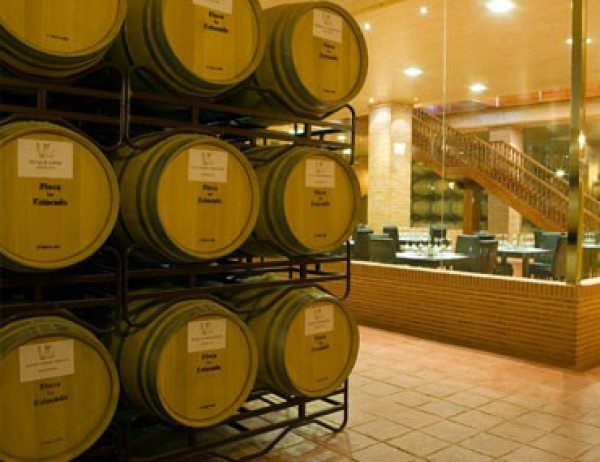
Nowhere has that been more true than in La Mancha production. Improved vinification methods including speeding up the region’s traditional late harvesting, more painstaking handling of the grapes, and modernization of the equipment have changed what once were the coarse wines made throughout La Mancha to sought-after, price-worthy bottles.
Diners pleased by the examples served at the dinner were even happier when they heard the prices. Some Finca La Estacada wines selling for as little as $20 have been crowned with a score as high as 90 by Robert Parker; many of the balanced and enjoyable wines produced at the finca sell for as little as $10 in the U.S.
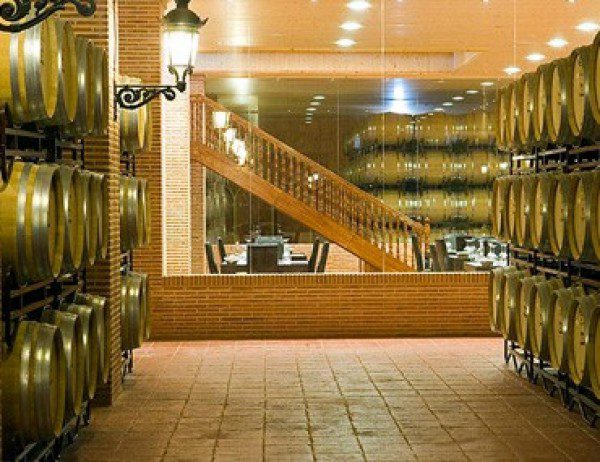
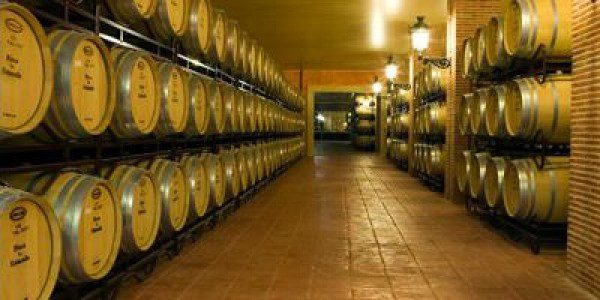
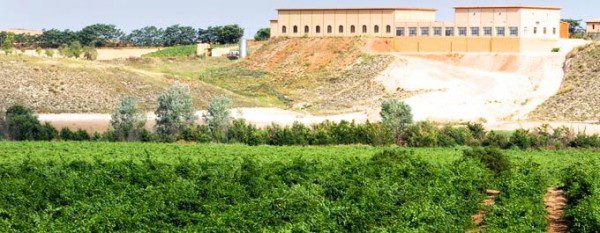
Such results underscore the philosophy of La Estacada’s owners, the Cantarero Rodríguez family, who committed to creating an estate that would produce quality wines at a reasonable price. They also created a hotel-spa at the winery offering the ultimate in relaxation (if the wines haven’t done it for you). The winery, hotel, spa and restaurant amid their vineyards is less than an hour from Madrid. Wine tastings add to the total wine experience; even the beauty products in guest’s bathrooms are grape-based.
As for the Taberna dinner, here is what was served on the dishes and in the goblets. A shot of watermelon gazpacho led, followed by tapas of delicate sweetbread and mushroom canapés, then crisp-fried cubes based on bacalao―the salt codfish so favored in Spain― were accompanied by a fresh and aromatic Finca La Estacada White 2011 from the Uclés district.
Salad of marinated tuna, peas and shrimp was enhanced by the Viñanza Verdejo 2011 de Castilla , greenish-tinged straw in color, with a small orchard of white fruit detected in the aroma and in the mouth, with a long, declared finish. An unexpectedly power-packed glass.
Foie, Lentijas y Mejillones, delicate slices of liver with lentils and mussels made a perfect if unexpected ménage a trois, shown off well by a cherry-hued Finca La Estacada 2008, smoothed out by 12 months of oak barrel ageing.
Eighteen months was the period the next, Finca La Estacada 2007, languished in barrel.
It was time well-spent, resulting in a dark-hued wine with strong echoes of blackberries and plums, in the aroma and on the palate. It accompanied a “partridge stew” lasagna resting on a base of smoked hummus, with a crisp bacon garnish.
Baby goat, roasted Segovia-style (a classic dish that is almost a ritual in this part of Castile) married to perfection a Finca La Estacada Secua 2008. The wine, a velvety, award-winning cabernet blend, was dark-cherry hued and smoothed by long barrel-aging, with faint, Bordeaux-styled overtones of tobacco and cedar.
Finally, the sixth course, a peach “ragout” crowning a crème brule with cookie-studded ice-cream and a madeleine on the side, was paired with a creamy Secua Dulce 2011
just-right dessert wine.
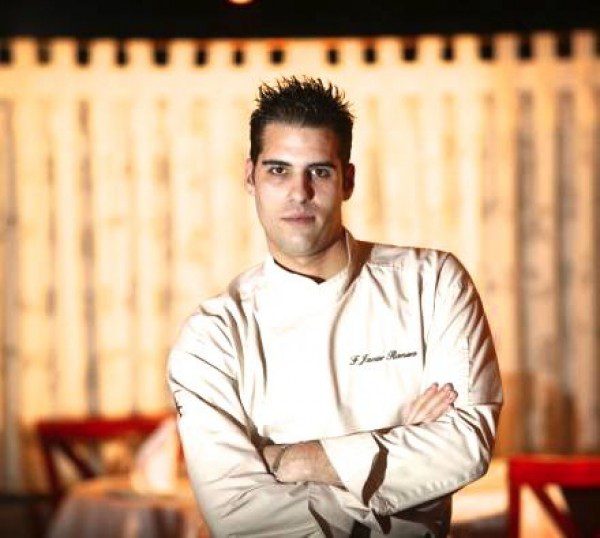
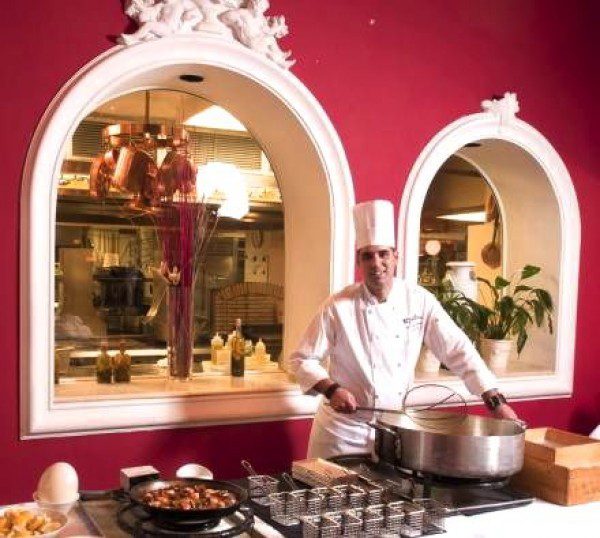
Chef Javier Romero took his well-deserved bows, the wines were shepherded by Gustavo Iniesta, Taberna’s sommelier, and commented by José Luis Navarro. The evening’s co-hosts were Bernie Williams from Capital Hill’s well-stocked “Chat” liquor shop, and Aziz Shafi, the “Tannic Tongue” wine-broker known for ferreting out special wine values.
These good regional bottles proved that enjoyable, price-worthy wines from La Mancha are not “An Impossible Dream.”