by intern Sakura Buker
Photo credit: Sakura Buker
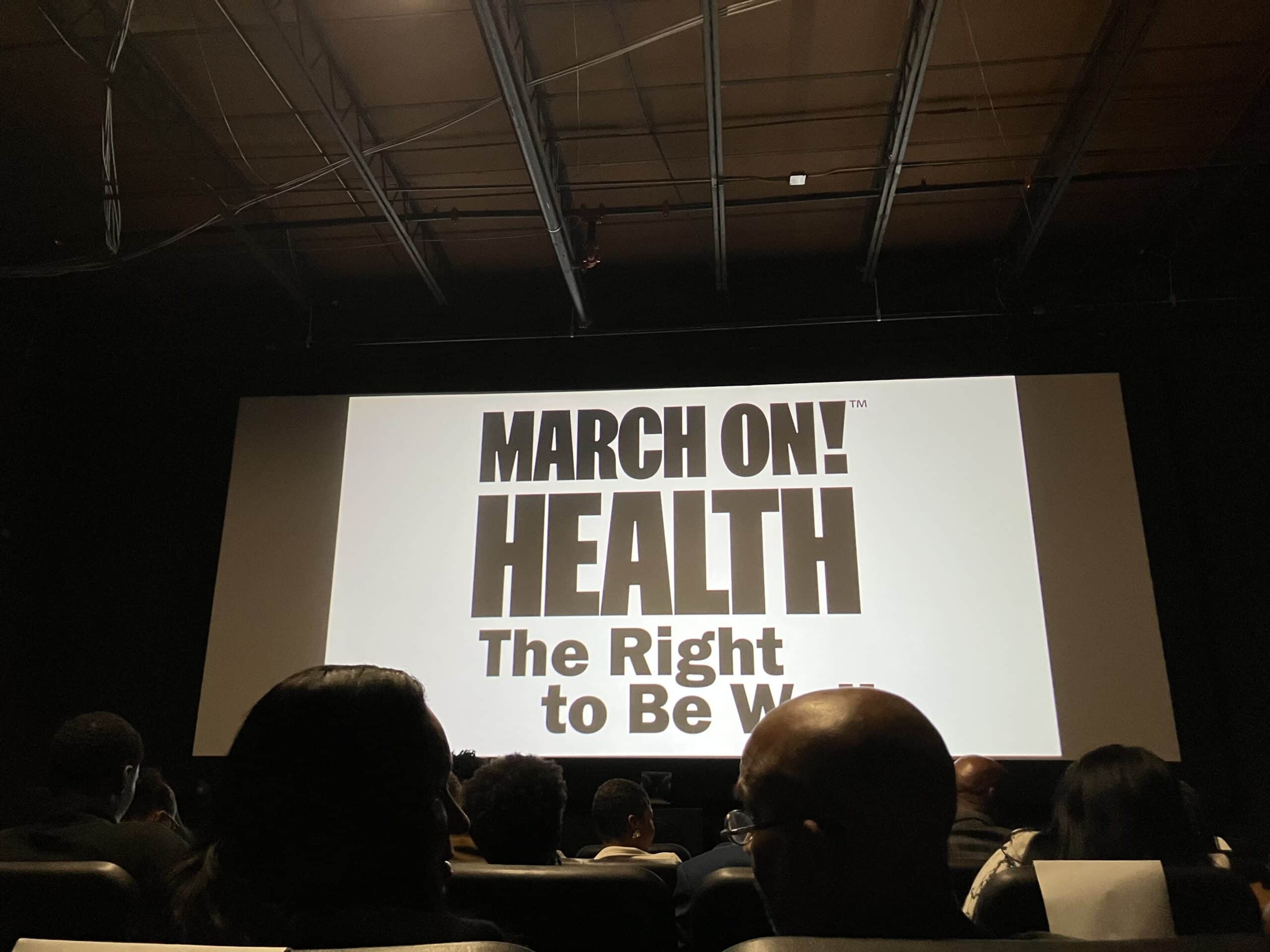
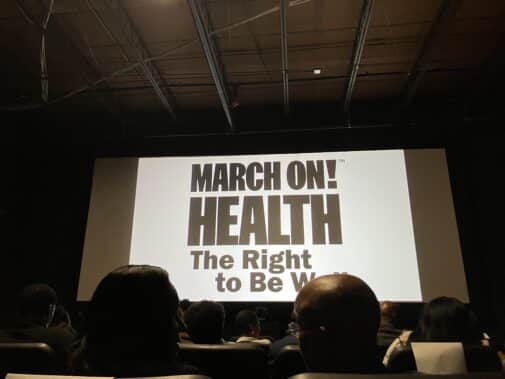
The March On! Festival celebrated for highlighting social justice issues through screenings, live performances and panels, continued for a week as D.C. creatives and change makers came together to discuss the pressing issues affecting marginalized voices and inspire grassroots community action. The theme of this year’s festival, March On! Health: The Right to be Well, focused on health and wellness as a human right.
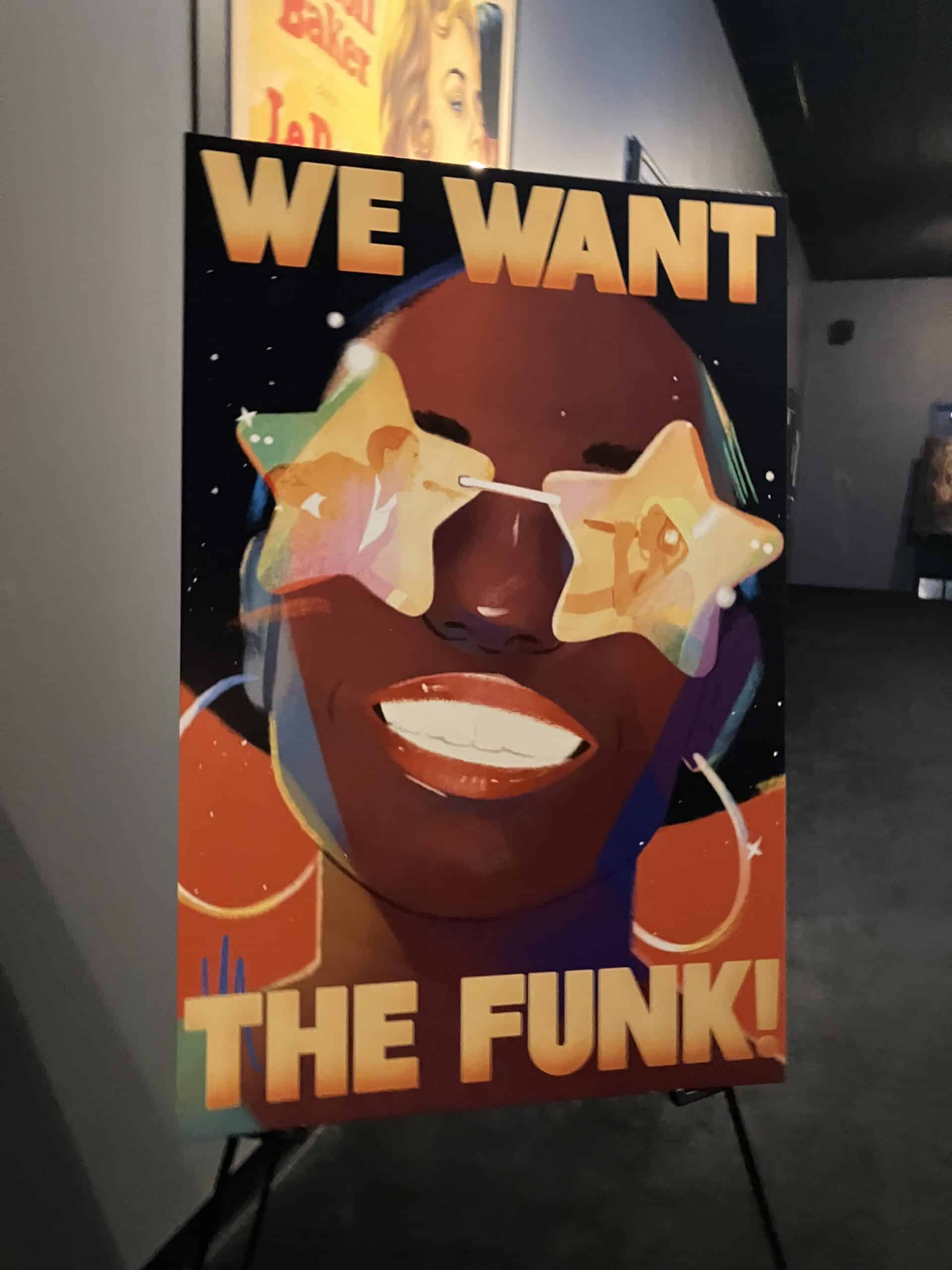
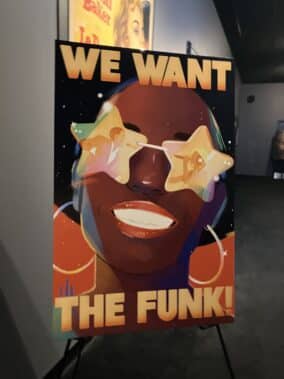
The Festival featured an especially electric screening of director Stanley Nelson’s documentary, We Want the Funk! at Angelika Pop-Up at Union Market. Within the right to wellness is a right to joy and expression and that is exactly what Nelson argues in his star-studded funk music documentary.
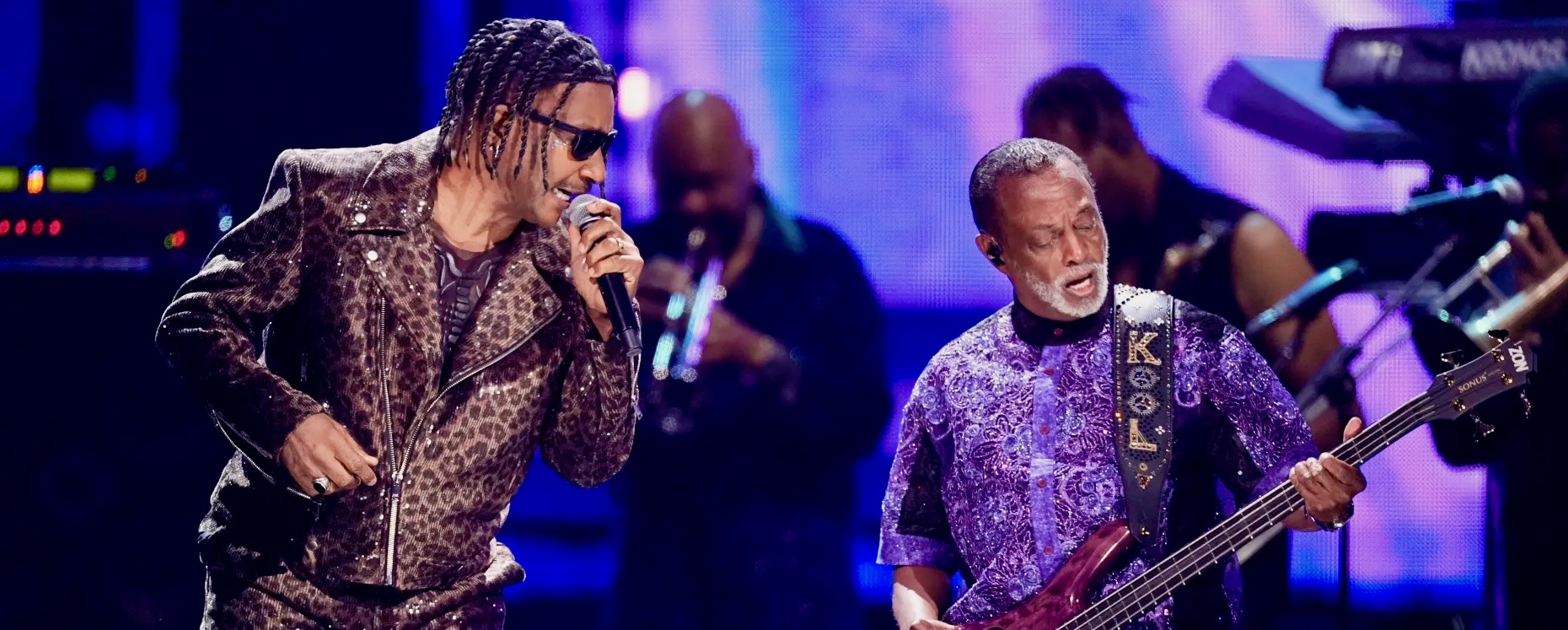
We Want the Funk! is eighty minutes of joyful funk music history, examining the roots of the genre–from James Brown to De La Soul–and its invaluable place in the black community. Featuring interviews from George Clinton of Parliament-Funkadelic, Robert “Kool” Bell of Kool & the Gang, and David Byrne of the Talking Heads, to name a few, We Want the Funk! brings the audience on a groove-filled exploration of the music that informed, and was informed by, the social and political movements of the later twentieth century. Screened at Angelika Pop-Up, guests enjoyed popcorn, refreshments, music, and a Q&A with director Stanley Nelson after the film.
Often thought of as a simple dance genre, Nelson asserts that funk is inherently political, an expression of black experience and thought in music form. The documentary weaves archival footage, performance clips, and candid interviews to confirm that funk is a vehicle for social commentary and resistance. Tracing funk’s evolution from its origins in New Orleans jazz and blues through its transformation into a revolutionary sound, We Want the Funk! confirms that funk challenged musical conventions and social norms.
James Brown’s “I’m Black and I’m Proud” is presented as a direct example of this notion, drawing from the wellspring of black pride sentiment that grew in popularity in the late 1960s, early 70s. Particularly compelling is the documentary’s focus on afrofuturism, the expression black identity and freedom through a “sci-fi”, futuristic lens. Nelson showcases George Clinton of Parliament-Funkadelic’s raucous stage shows, space-age costumes, and mothership as representation of a new way to imagine Black identity and freedom. Clinton and his band created funky alternate realities where Black people could be anything they wanted to be, turning concert stages into spaceships that transported audiences beyond the confines of 1970s America and into worlds where funk ruled everything. For Nelson, funk music is an expression of life.
As the festival continued throughout the week with additional screenings and panel discussions, We Want the Funk! serves as a crucial reminder that the fight for social justice has always been accompanied by its own soundtrack. Nelson’s documentary proves that sometimes the most revolutionary act is simply demanding the right to dance, to create, and to be fully, authentically human.
The March On! Festival ran through the weekend, with remaining events focusing on healthcare access, mental health advocacy and community-led wellness initiatives across the D.C. metro area.
The Trailer: