
Photo credit: Courtesy of “Rare”
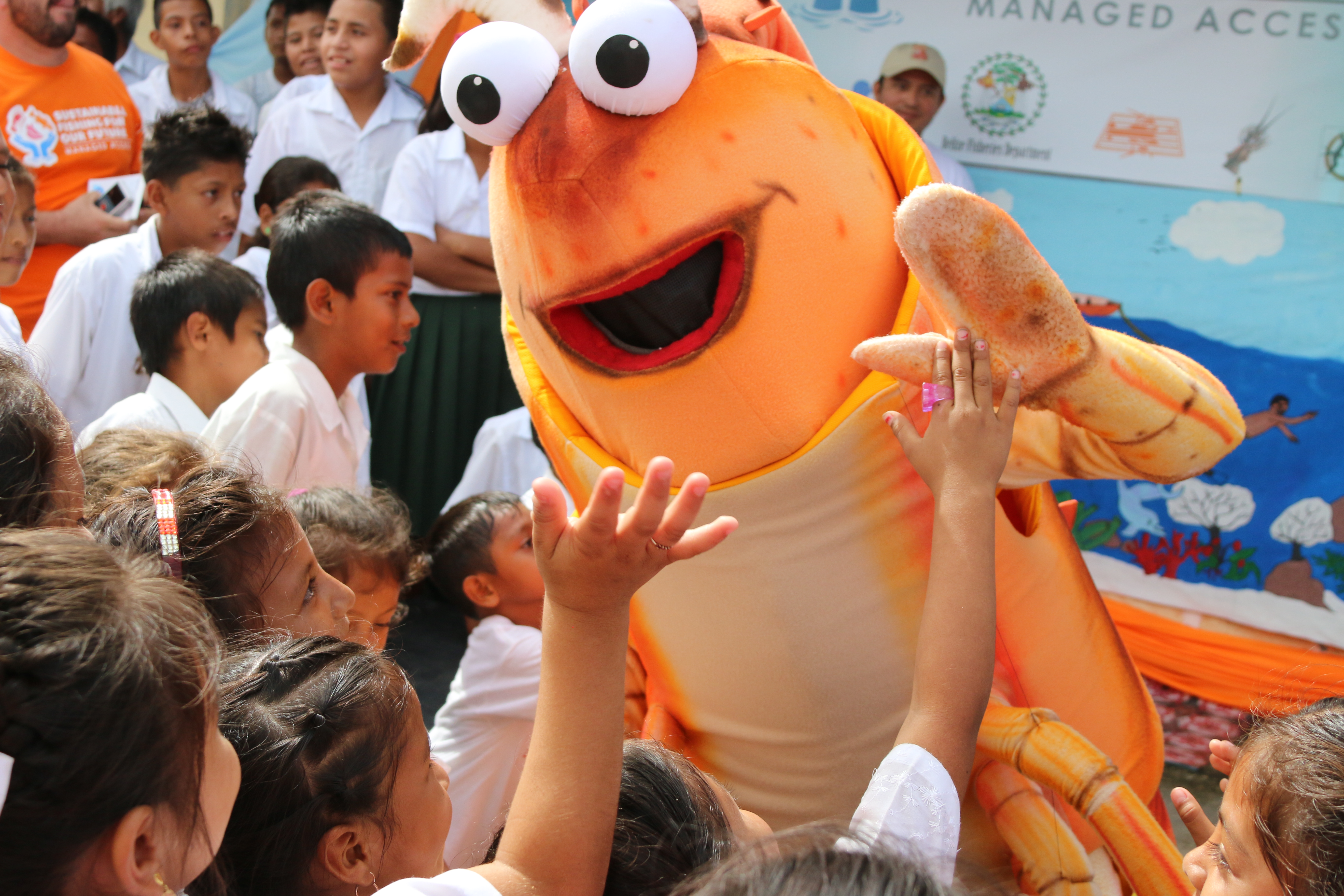
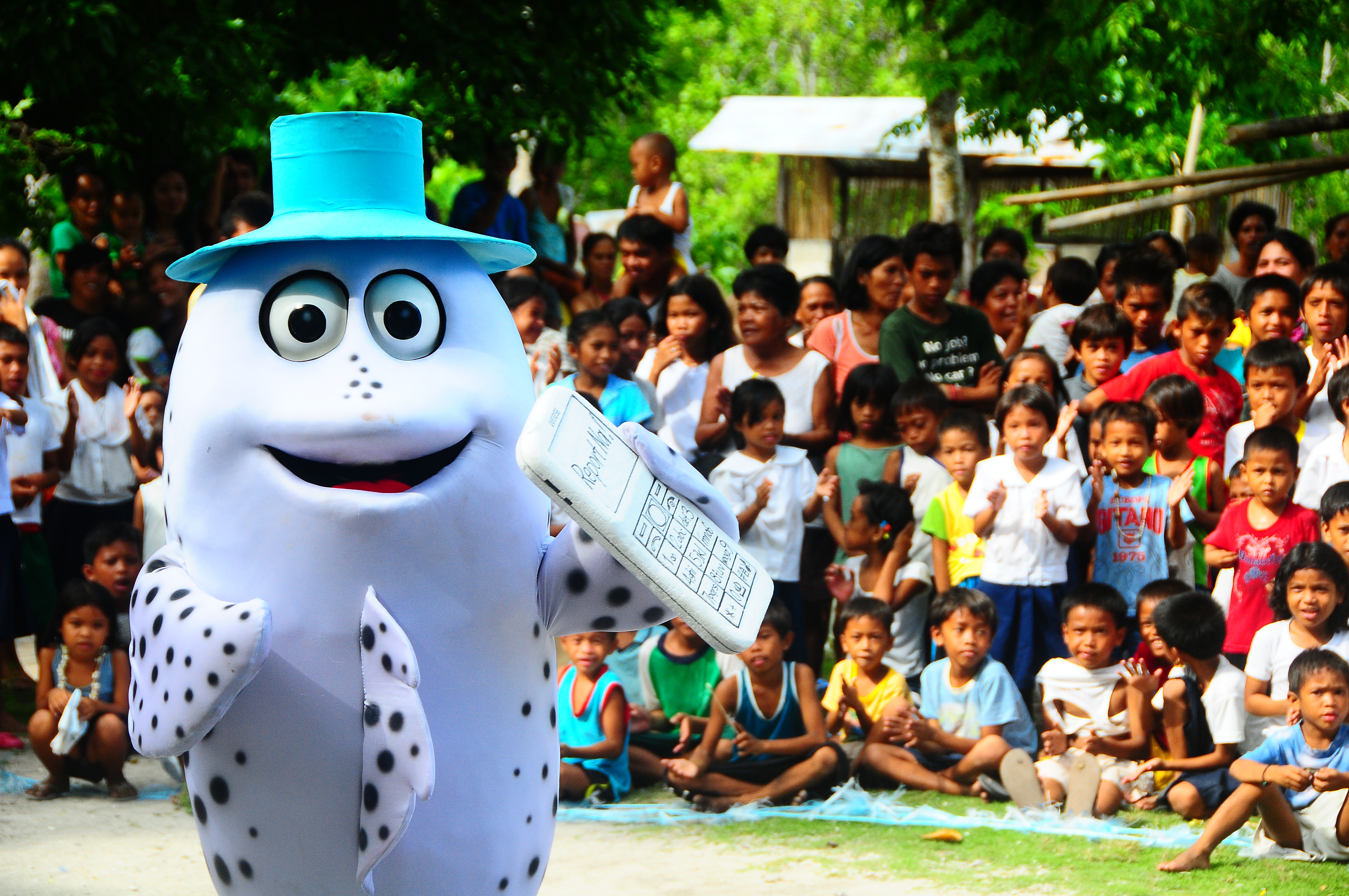
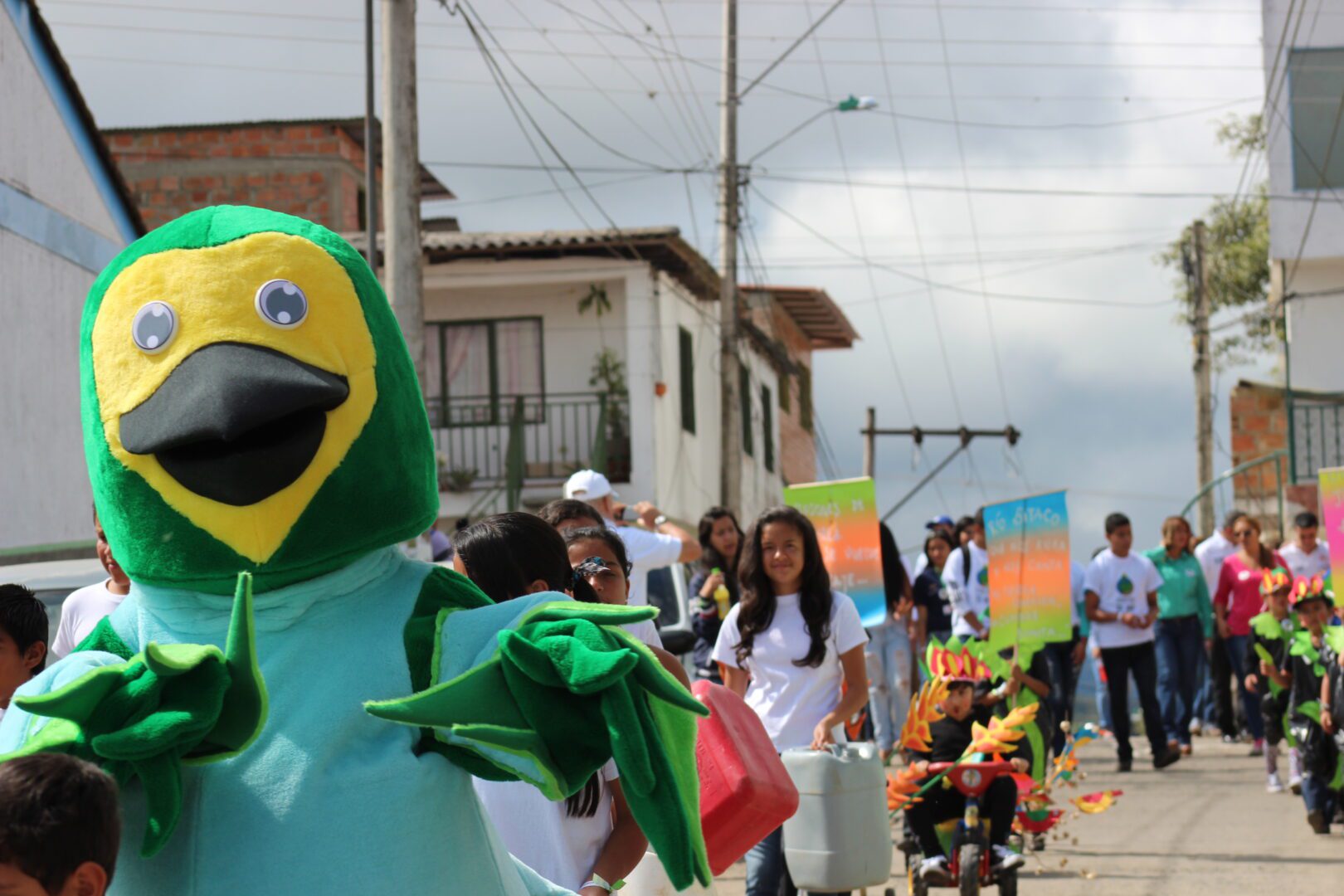
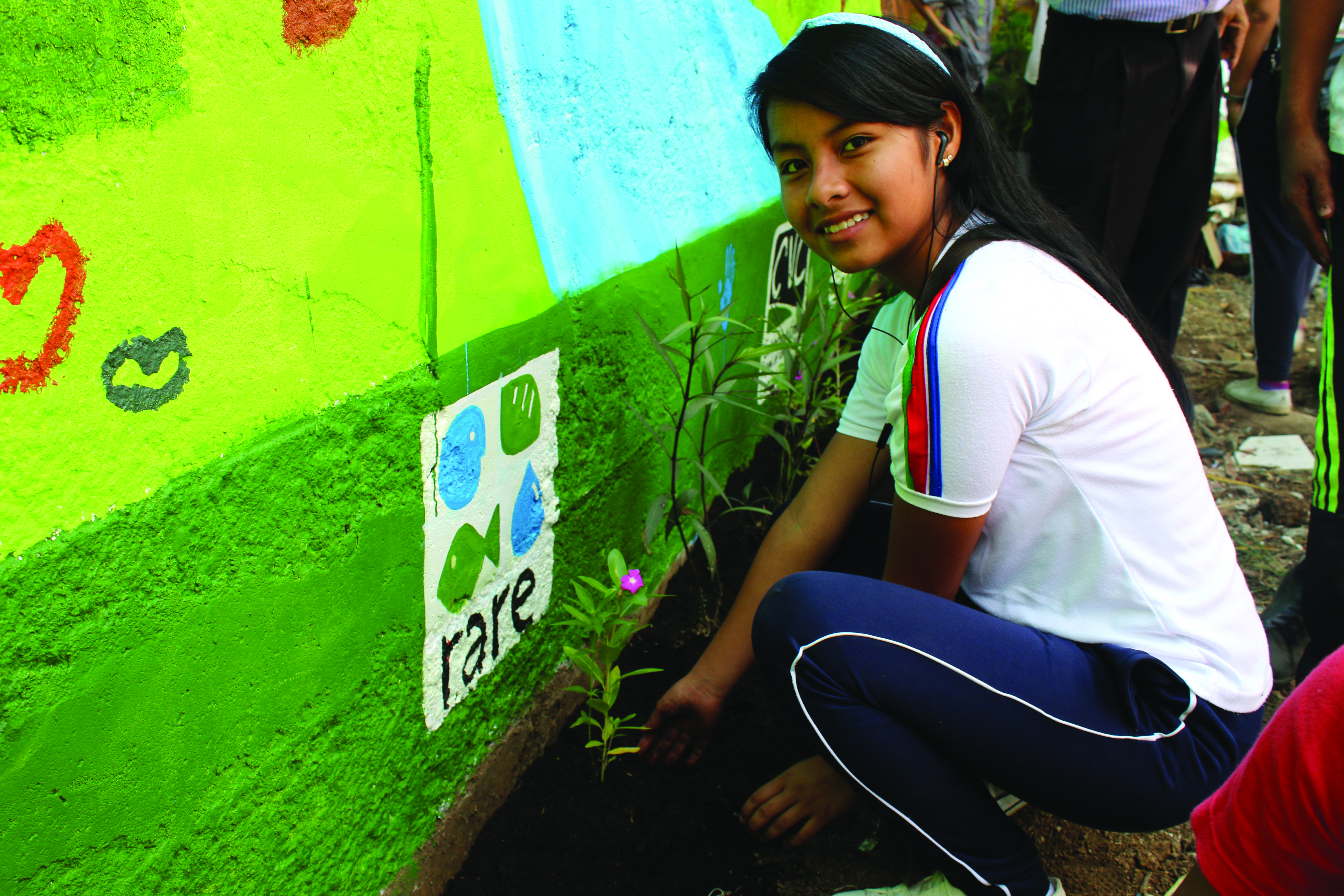
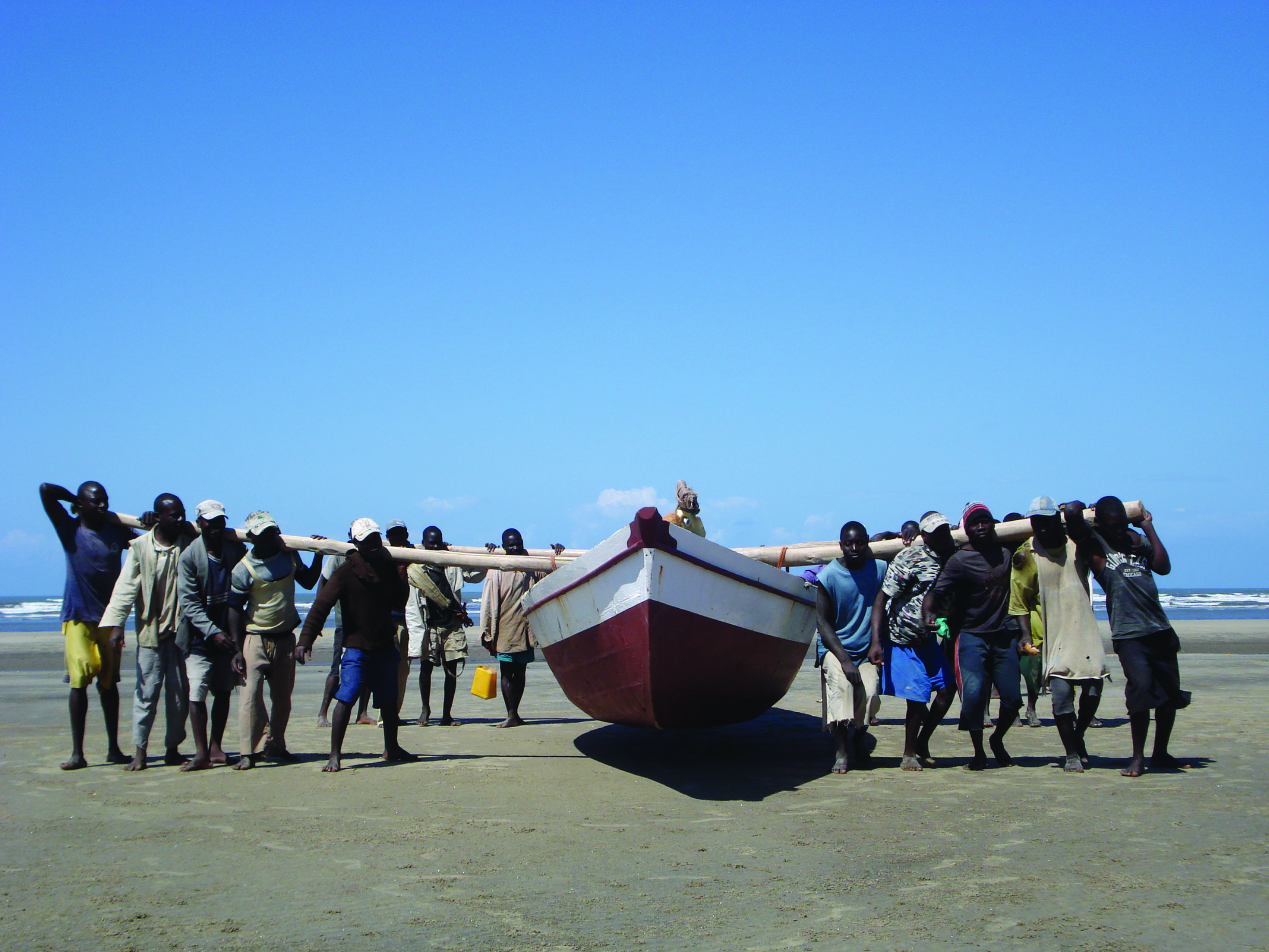
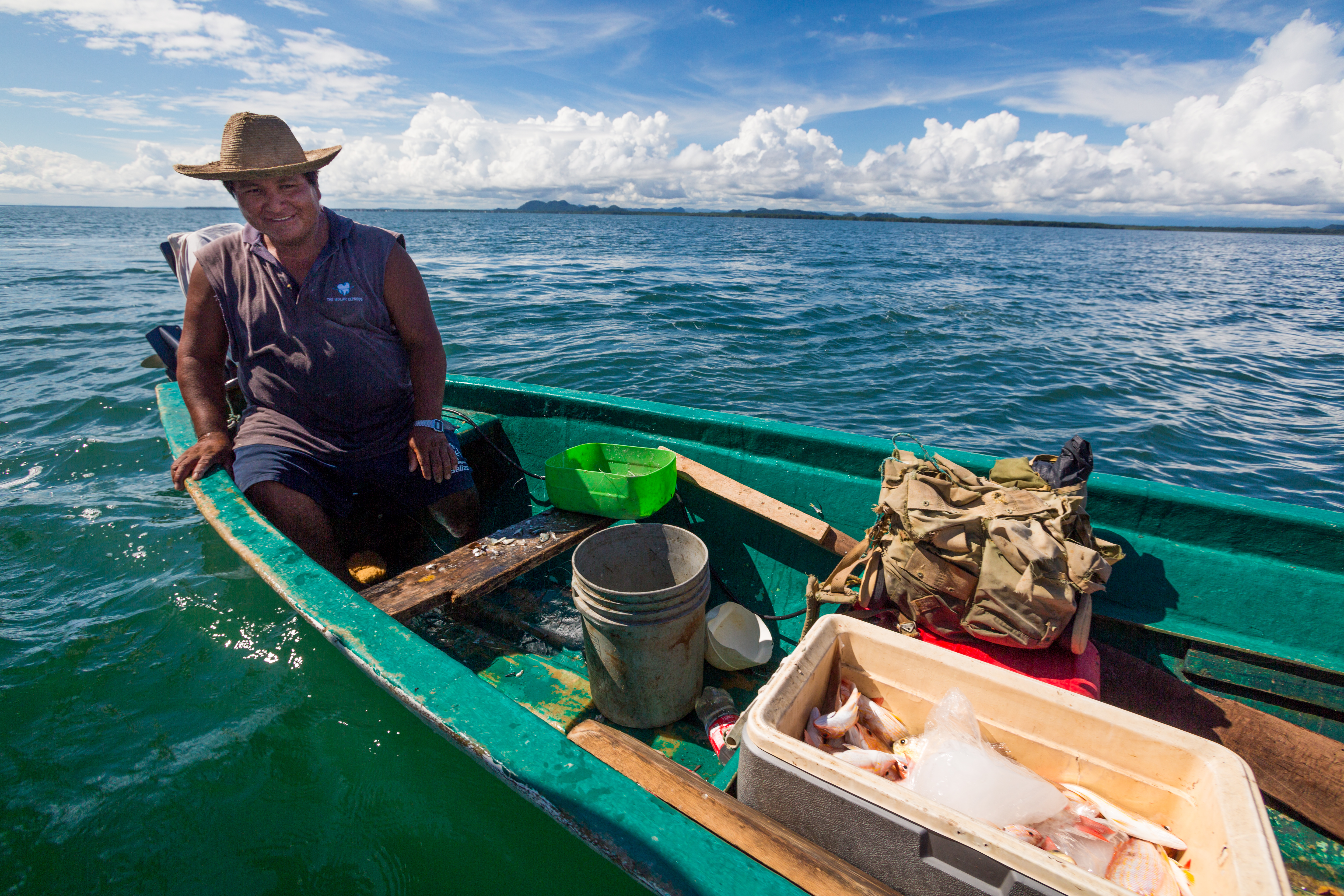
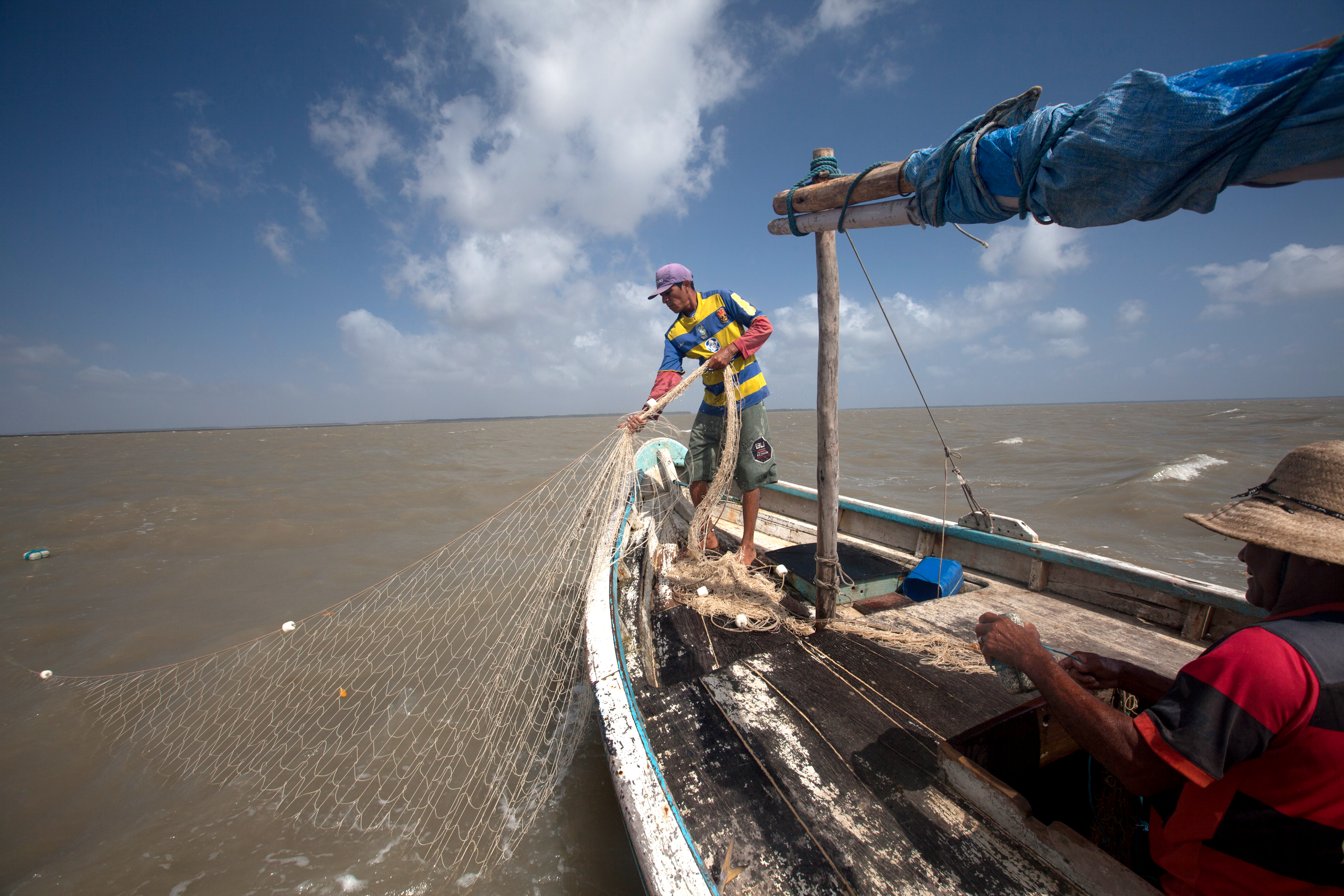
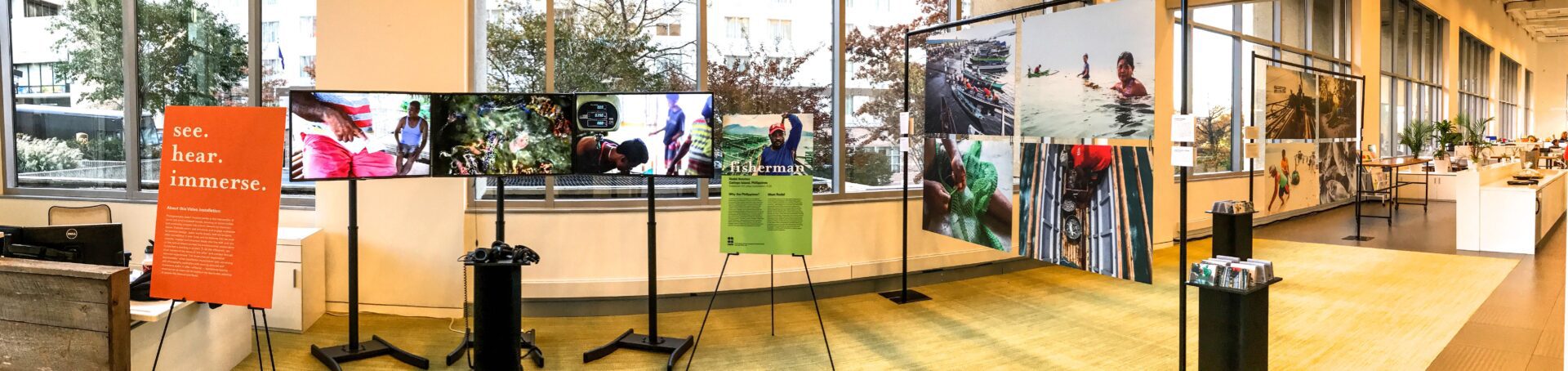
“I am a conservation photographer, but I rarely photograph the plants and animals and landscapes people think of when they think of the environmental movement. My focus has always been on the people and the local communities, both because it’s right but also because it’s also practical,” photojournalist Jason Houston told Hollywood on the Potomac. Houston was the honored guest at his installation at Rare headquarters in Arlington, Virginia depicting daily life in two very different but like-minded communities in the Philippines and Colombia. Houston was commissioned by Rare to use photography and video to tell the immersive story of pioneering farmers and fishers who are introducing sustainable resource management practices to support both their families as well as the resources of the land and sea.
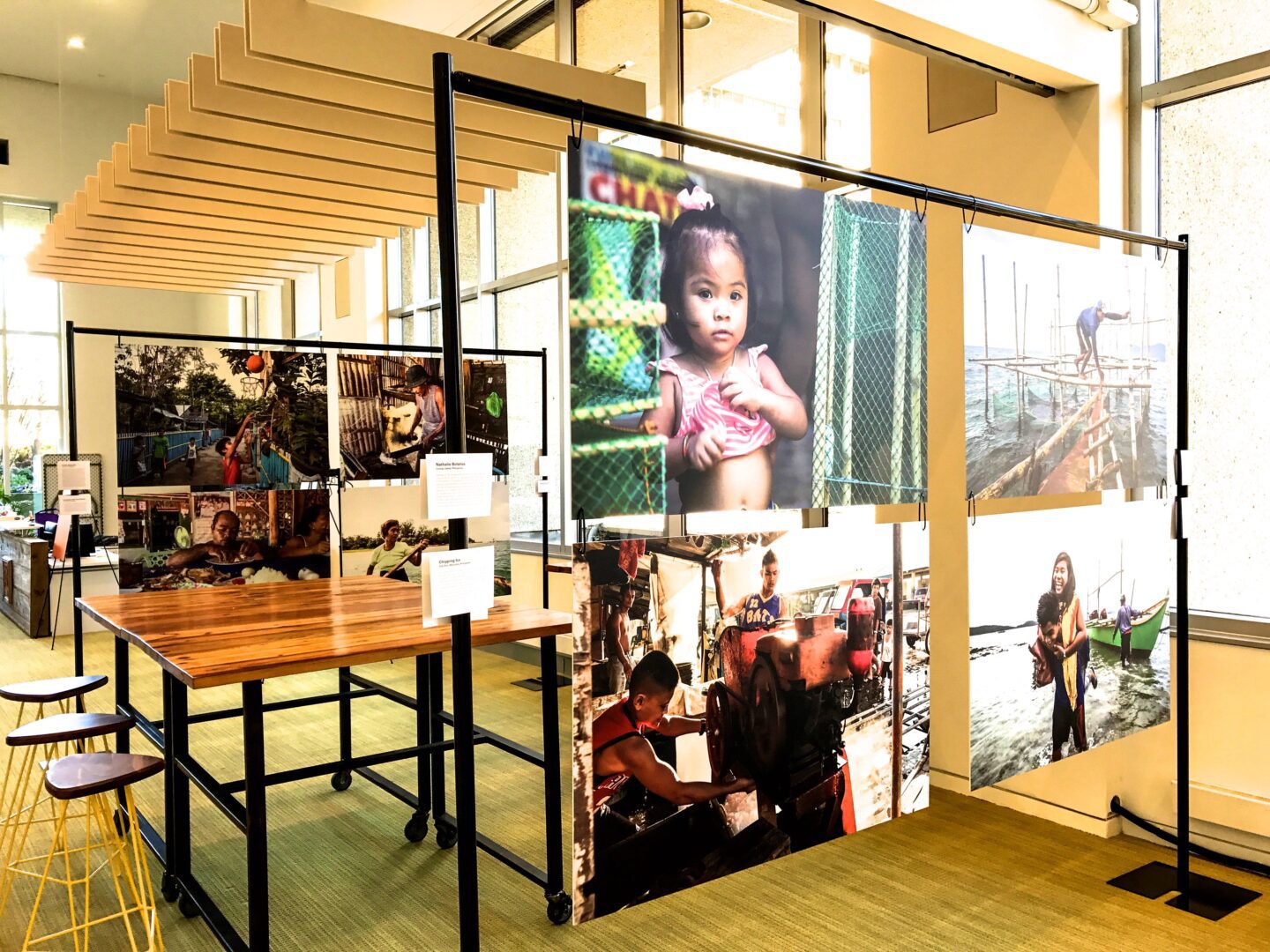
“I started working with Rare over 10 years ago,” he told us about his original collaboration with Rare. “I’ve done 15, 16 different site visits around the world visiting their locations and photographing their work. The original introduction was a phone call from Brett Jenks who’s the CEO. I was photo editor at a magazine and doing mostly editorial work as a photographer. Brett had called with some story ideas he had and we hit it off. About 6 months later I went down to Nicaragua and photographed one of the projects that we had talked about. In September, I went to the Philippines. This was a different project for us. What we’ve been doing increasingly in the last several projects is focusing on really just bringing to life the people and the places where Rare works.”
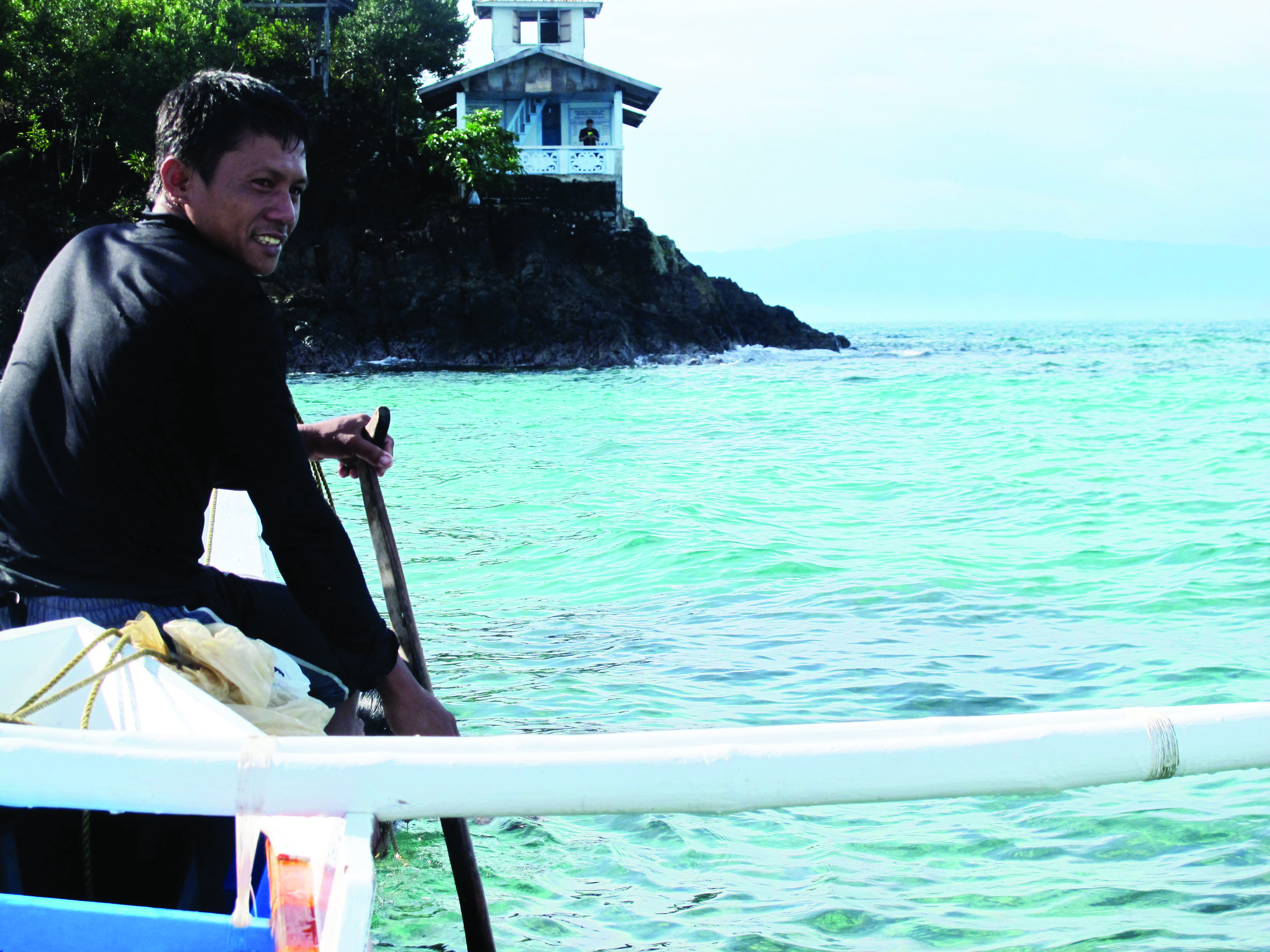
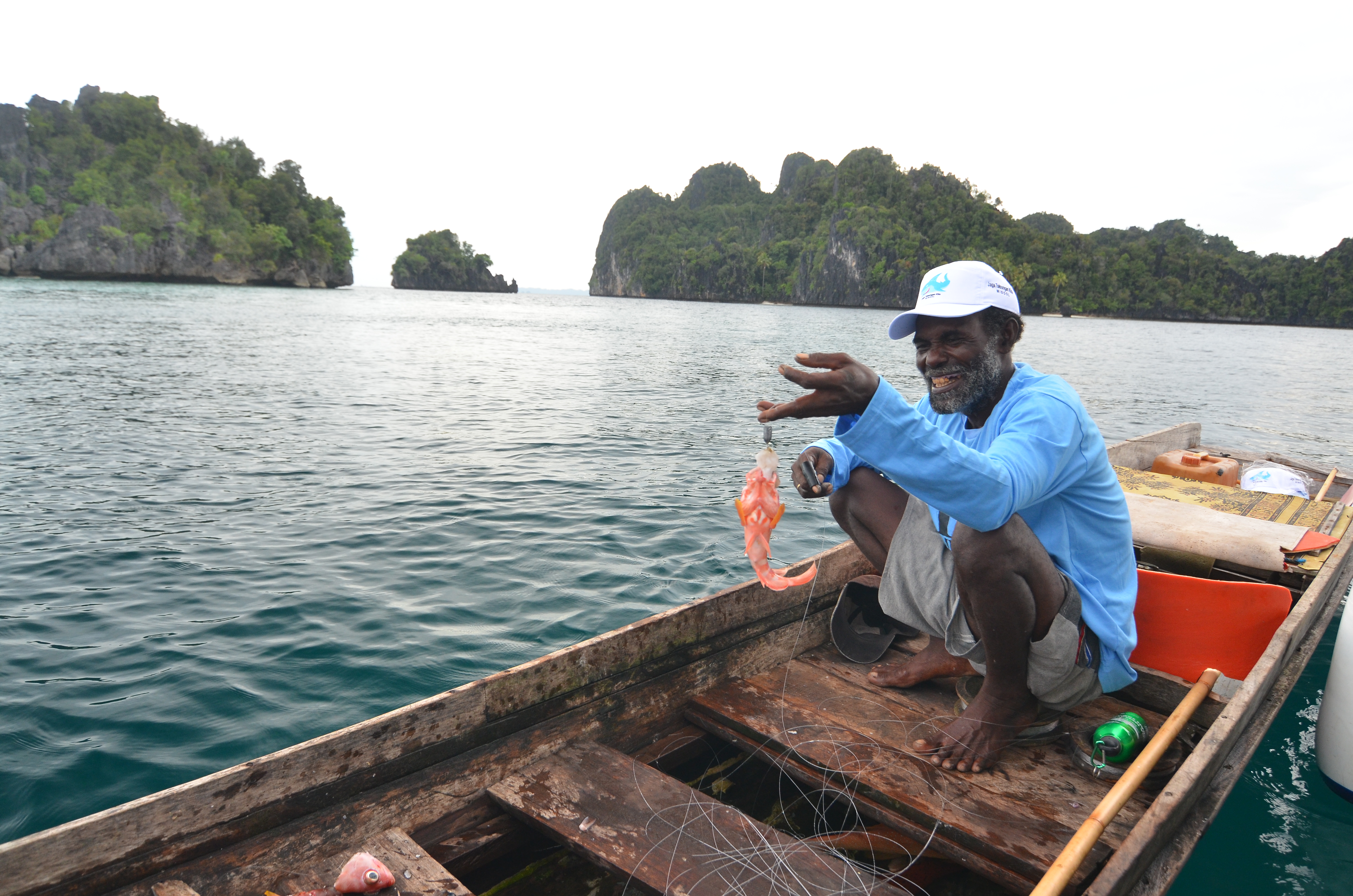
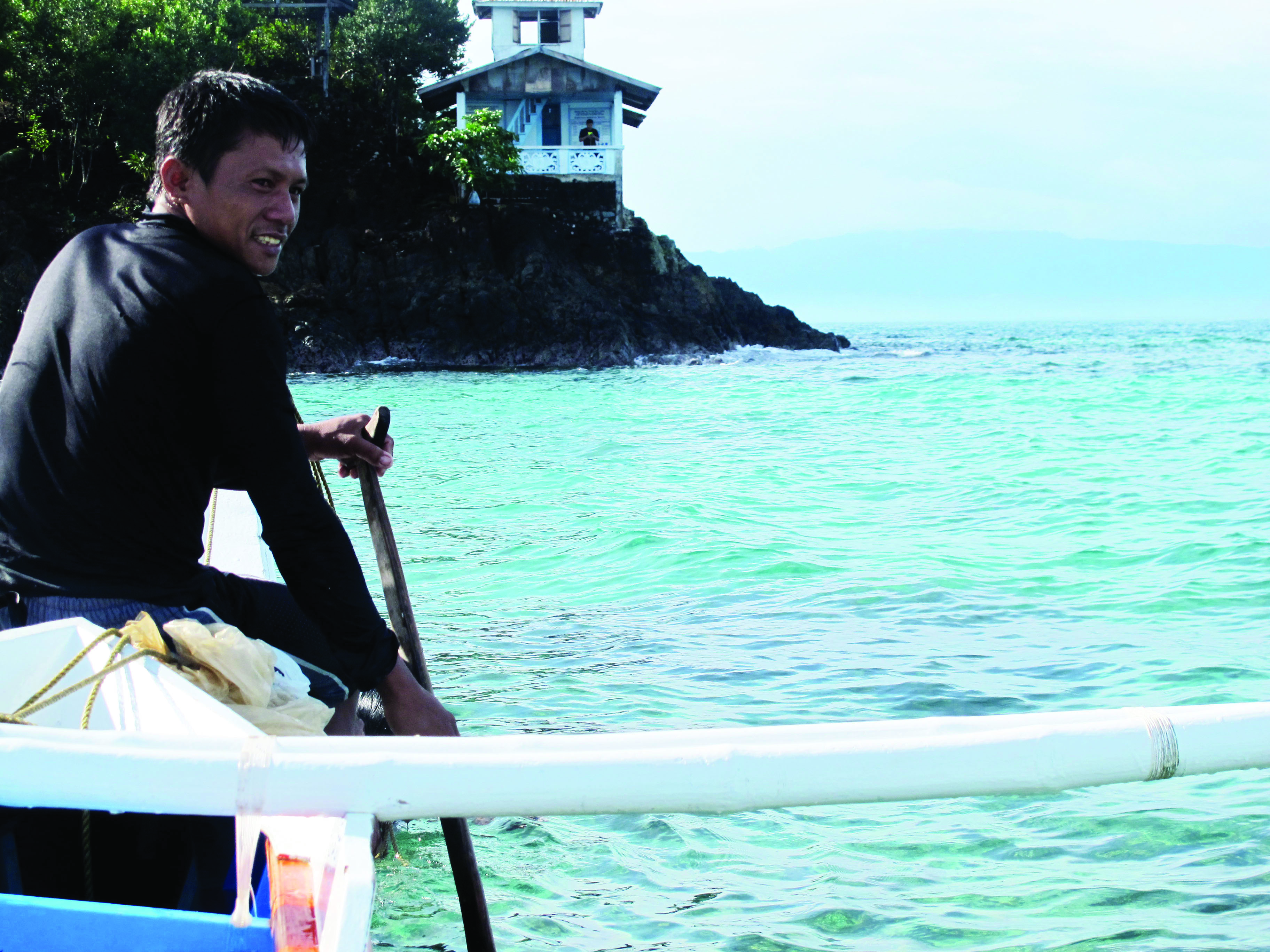
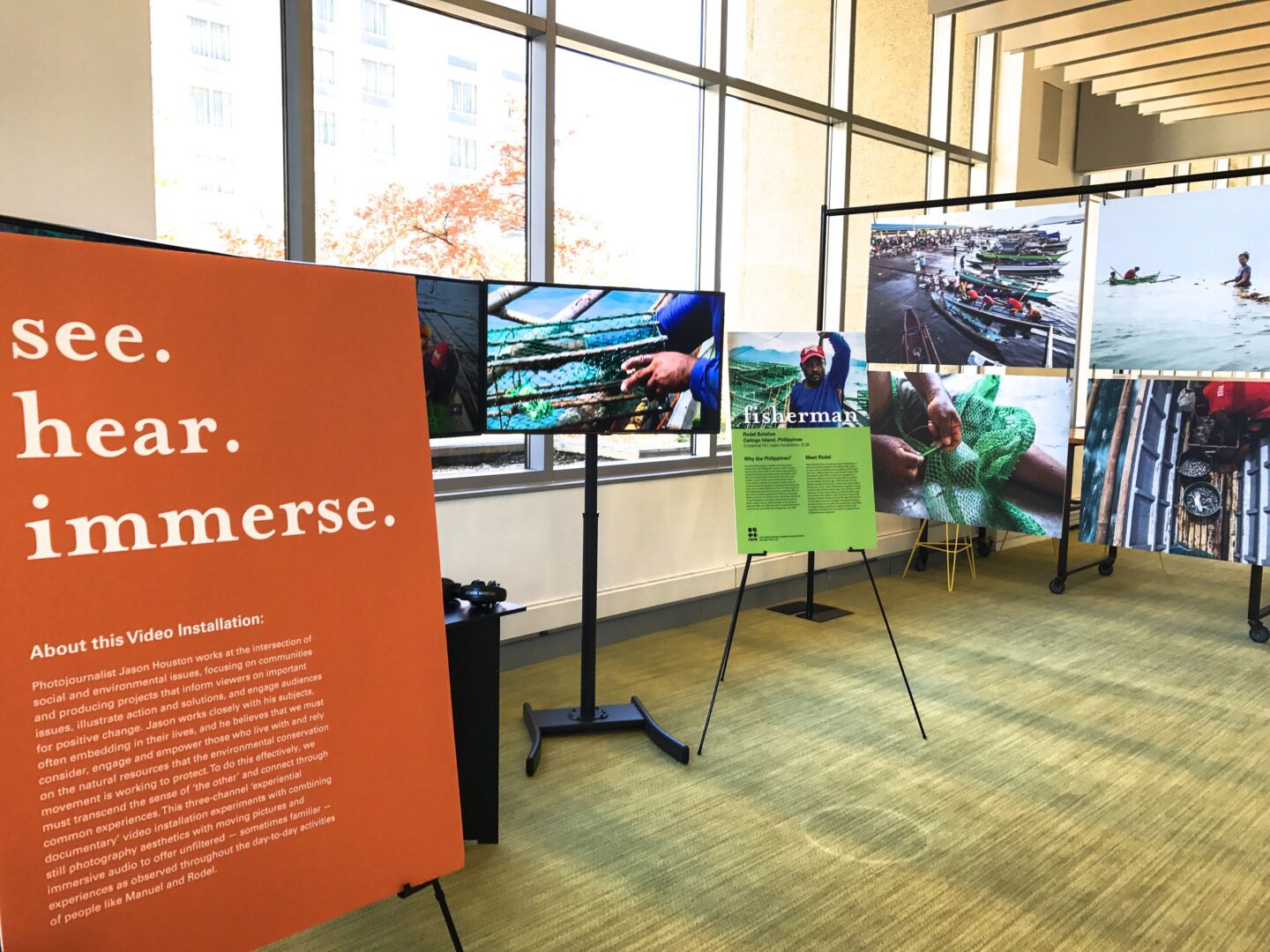
Houston’s Rare photo, video and audio installation tells the personal stories of Don Manuel Vicente Restrepo, a farmer in El Rincon, Colombia and Rodel Bolanos, a fisherman on the island of Caringo in the Philippines. Through these visual and audio experiences, guests witnessed some of the ways these men and the communities in which they live, have made small, yet powerful changes in their daily processes and practices to be more in sync with nature and the natural resources around them. The installation highlights the inextricable link between these men’s everyday work, lives and nature, and how Rare’s programs are working with their communities to influence positive, sustainable behavior change.
“If you think about fisheries, you’ve got some fish in the ocean and you can take them all right now and make it till tomorrow, then figure out what to do tomorrow; or you can take some of those [fish] and leave the rest to reproduce and have a long sustainable future of being able to take fish from the ocean. You can only do that if you’ve got the resources to do that. You can only do that if you can afford to not take everything, and you have economic alternatives,” Houston explained. As to whether the fishermen found that intrusive, he responded: “I think it’s less of a resistance to following the rules and it’s more circumstantial. Sometimes it is desperation. Sometimes people are living at the margins and they don’t really have choices, so they need a resource or a boost to get to a point where they can make decisions, they might take a longer view. It’s also sometimes just education. Sometimes they just don’t understand the biology. They just don’t understand the dynamics. It’s a combination, and it’s case-by-case what the most important barriers are to that behavioral change. In a lot of cases, it’s a welcome change, especially when it’s well understood.”

Houston, a Senior Fellow with the International League of Conservation Photographers, has documented communities, culture and how we live on the planet traveling to more than 17 countries across the globe for 20 years. For nearly 40 years, Rare has empowered communities in over 50 countries by training local leaders to inspire behavior change for increased adoption of sustainable practices, a greater sense of ownership and heightened pride in community resources. “It’s interesting,” he noted. “One of the challenges with my job is I travel all over the world to these faraway places and make photographs, and I spend a very intense, short, intimate time with the subjects. I work really hard to be able to bring some of that work back to them, and I do that in a couple ways: One is while I’m in a community, while I’m actually making the photographs, I work really hard to process and get those images available so that they can see them as work in process for a couple reasons. One is just to share, but that way I can get feedback from them. Does it seem authentic? Is there something I’m missing? Are they feeling that I’m representing them fairly? Did I miss the point on something? “
“I had an experience in Colombia where I made this photograph and it was these old pots and the afternoon sunlight was coming in and they were gorgeous. I made a photograph that looked like a painting, beautiful light, texture, burnt pots from cooking over an open fire and all of that. I was showing the family that I was staying with the photos that night, and they were horrified. I was totally confused and I asked them why they felt so uncomfortable with this photograph. It was because it represented a period in their life where they were poor. Because of a lot of the programs, this was a watershed in Colombia, and the programs were about getting downstream water users funding upstream conservation so that the water quality is more regular and higher quality. They had benefited a lot from these programs and their economic situation was improving. They had gone from struggling day-to-day to becoming leaders in their family and hiring their neighbors to work with them. It doesn’t mean that I don’t use that photograph, but that photograph means so much more now. It’s informed by this transformation what they went through and is not just an aesthetically pretty photograph.”
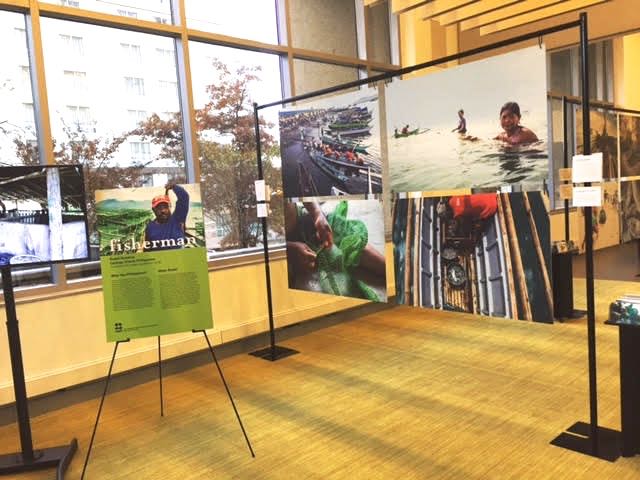


“I had the opportunity to live with the families we documented. Seeing and understanding their daily lives, we know the need for good conservation work in these areas — and perhaps most importantly — the need for “Rare’s” unique community-based approach. In order to be effective at protecting forests or fish, we must first recognize, engage and even empower the local communities we live with and rely on those resources,” said Houston. He talked about his experience with the Rodel family and the installation at “Rare” headquarters. “It’s a little tiny island of a thousand people, 200 families, an hour-and-a-half off the cost of the mainland, off the grid. It’s about as different a place as you can have to Arlington. What we’re trying to do is bring that experience of just what daily life is like, just to show …… not focusing on the dramatic issues or the pinnacle events or the highlight events of the day ……. that people are actually not all that different. The audience here can see Rodel and his family. They can see Rodel and his family go through their daily life. They can say, ‘Well, that’s actually just a lot like when I interact with my daughter,’ or watch them eat dinner. It feels almost plain and it feels unexciting, but the effect is that people care. You’re just getting people to see themselves, to see we’re all kind of in this together, and to get them to care about this far, far away place. Those small communities make up half of the world’s catch, and they make up 90% of the world’s fishermen. You give the community the knowledge, you give them some of the resources, you get them started, and the programs are designed to be self-sufficient.”
“Traditional photo journalism does a good job of telling the story and informing people and photographs also do a good job of bringing these places to life; but what we really wanted to do is tap into that even more emotional connection for the audience with the community here. This video is designed as a non-narrative, so it’s not like a traditional documentary where you have someone standing there talking to you. It’s also running on 3 screens, so it’s a 3-channel video. Each screen is run a little bit like a slideshow, so aesthetically the visuals are designed like a slideshow. It’s neat. It’s got audio associated with it, so you put on headphones and you stand in the middle of these 3 screens. They’re cycling through various scenes from their day, and the audio’s kind of carrying you around to see what’s there. It’s an interesting pairing, and we’re sort of experimenting with what works best to connect people emotionally to these places and the people who live there.”