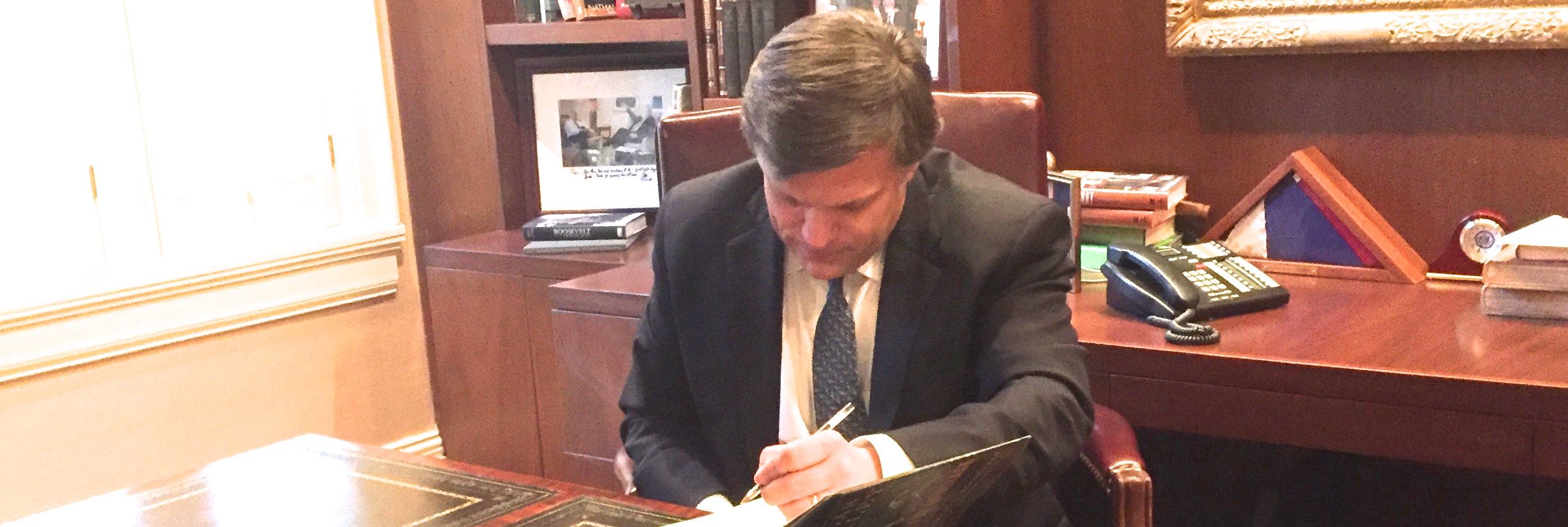
Photo credit: Janet Donovan
“Lady Bird was really crucial for getting rid of billboards for beautification,” author Douglas Brinkley told Hollywood on the Potomac. “Lyndon Johnson created a whole designation called Wilderness; road-less areas across the United States; and they both fought for clean air, water, and established new national parks. But nobody did more for conservation than Franklin Roosevelt. Between 1933 and 1945 he took unemployed men and formed a tree army, the Civilian Conservation Core, and they planted over three billion trees all across America.”
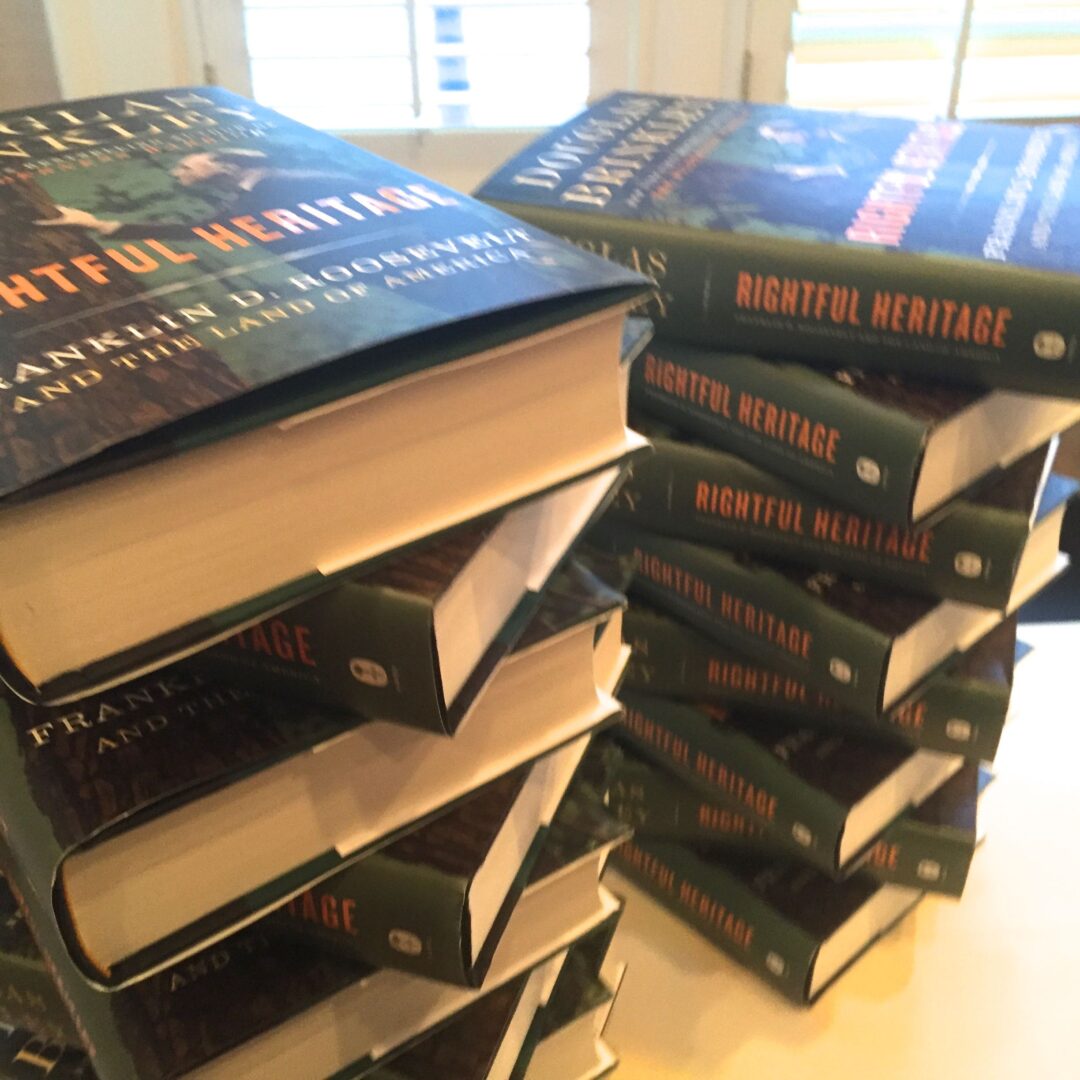
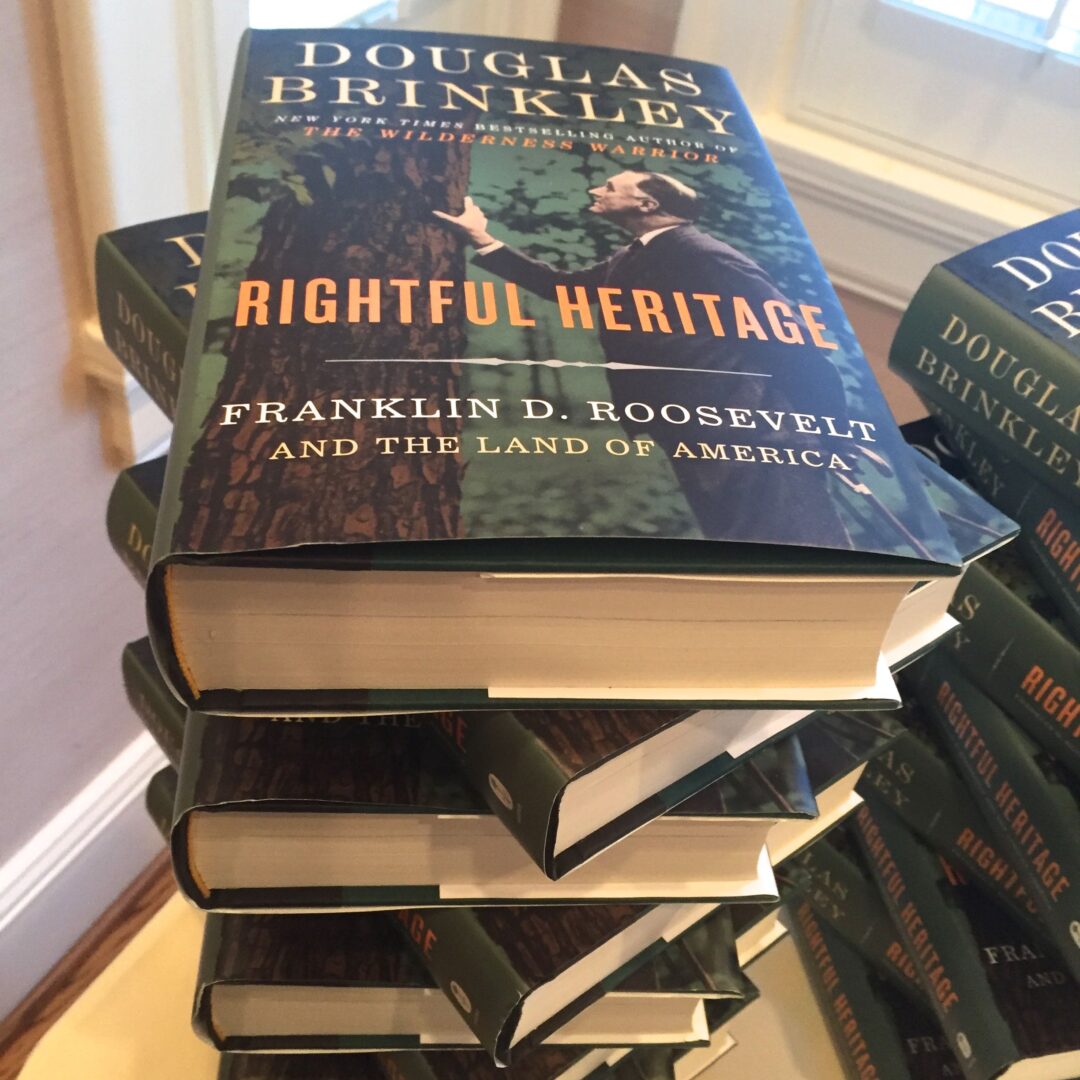
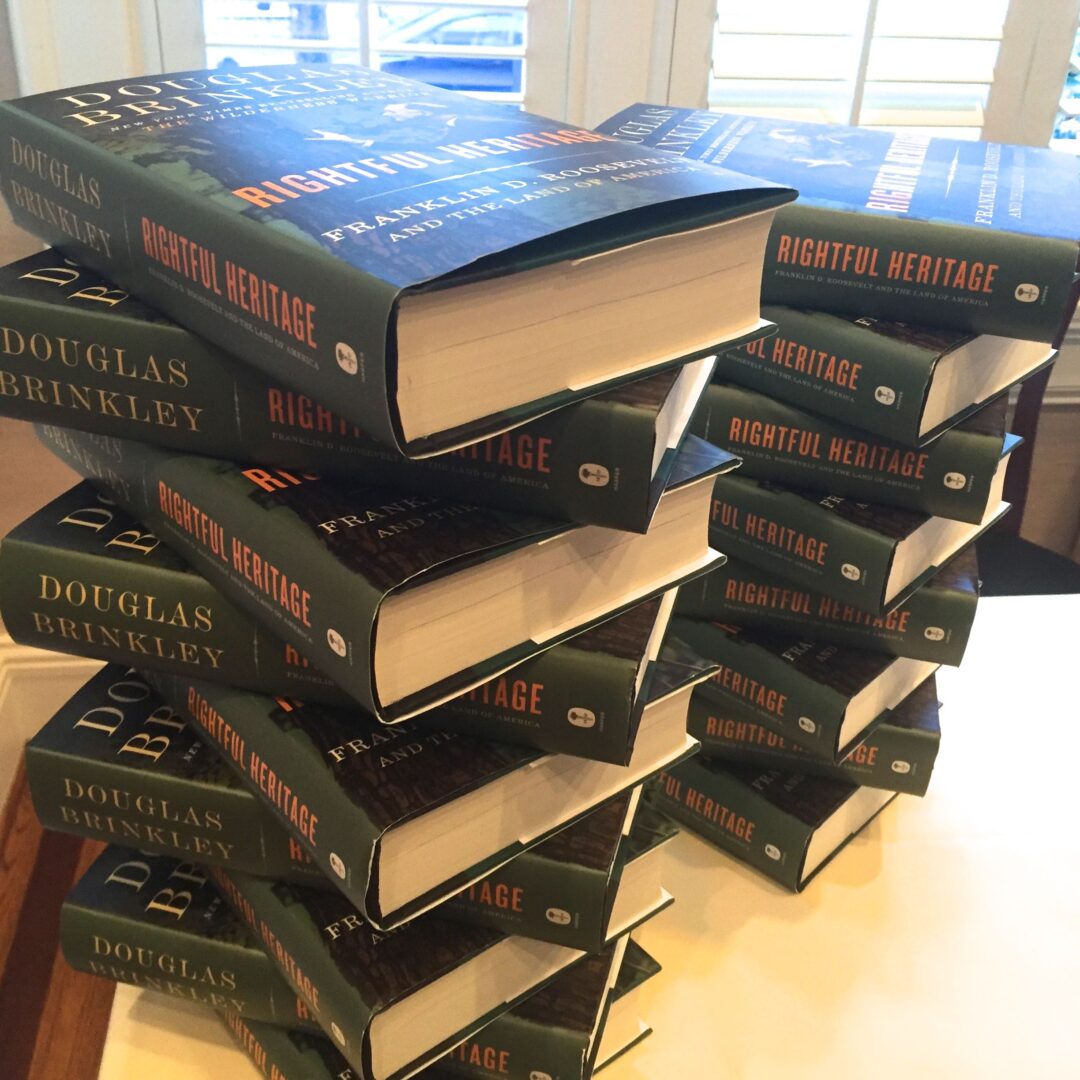
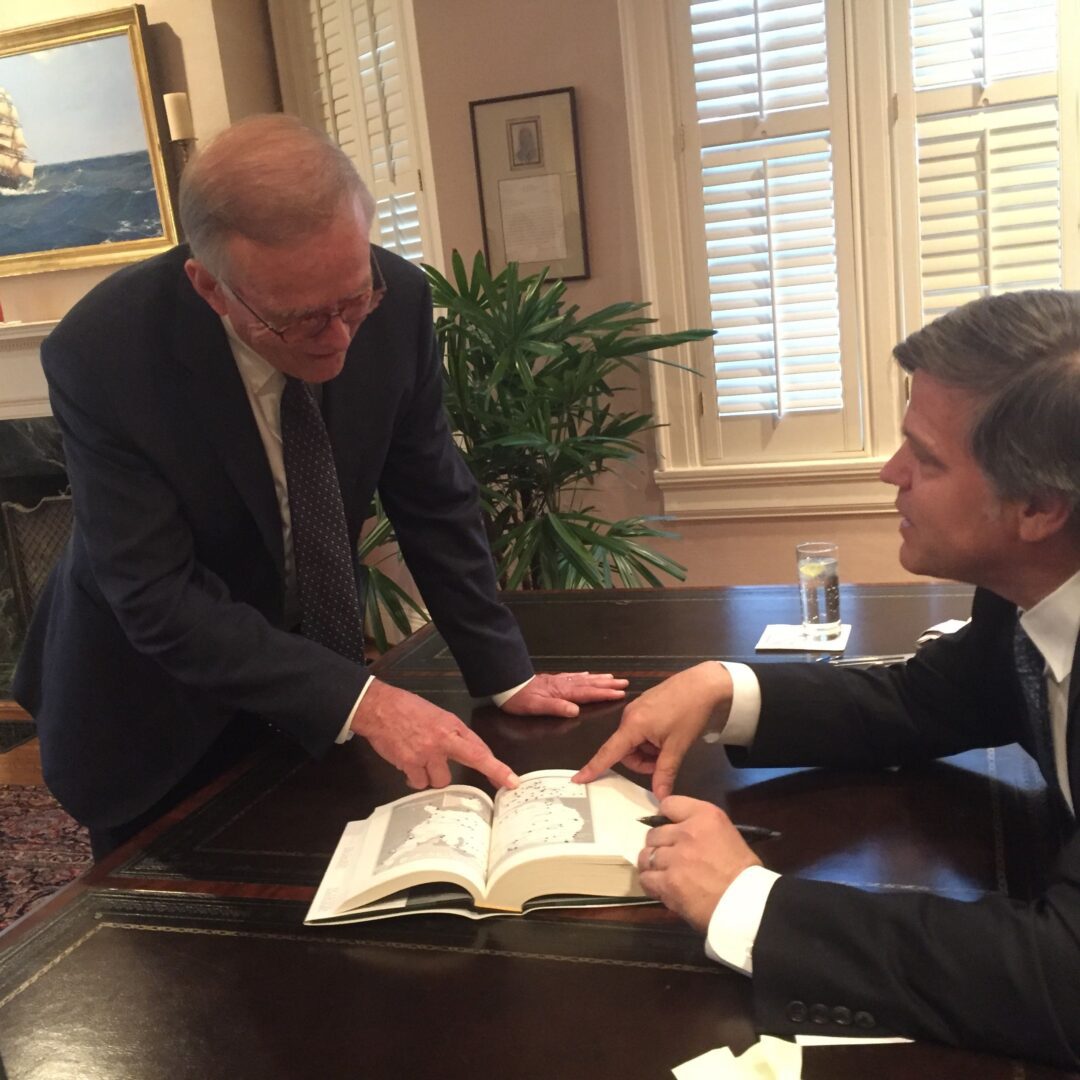
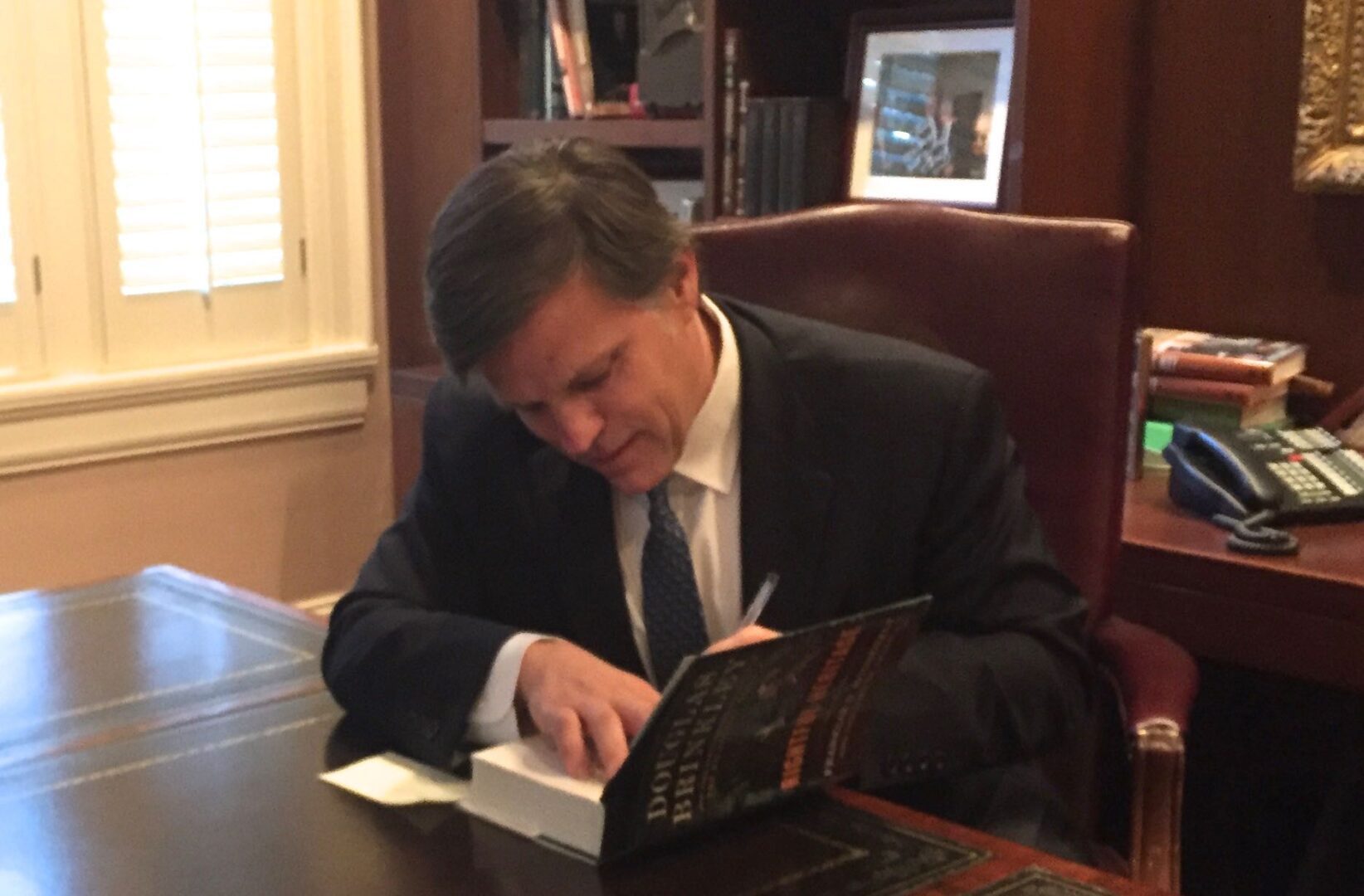
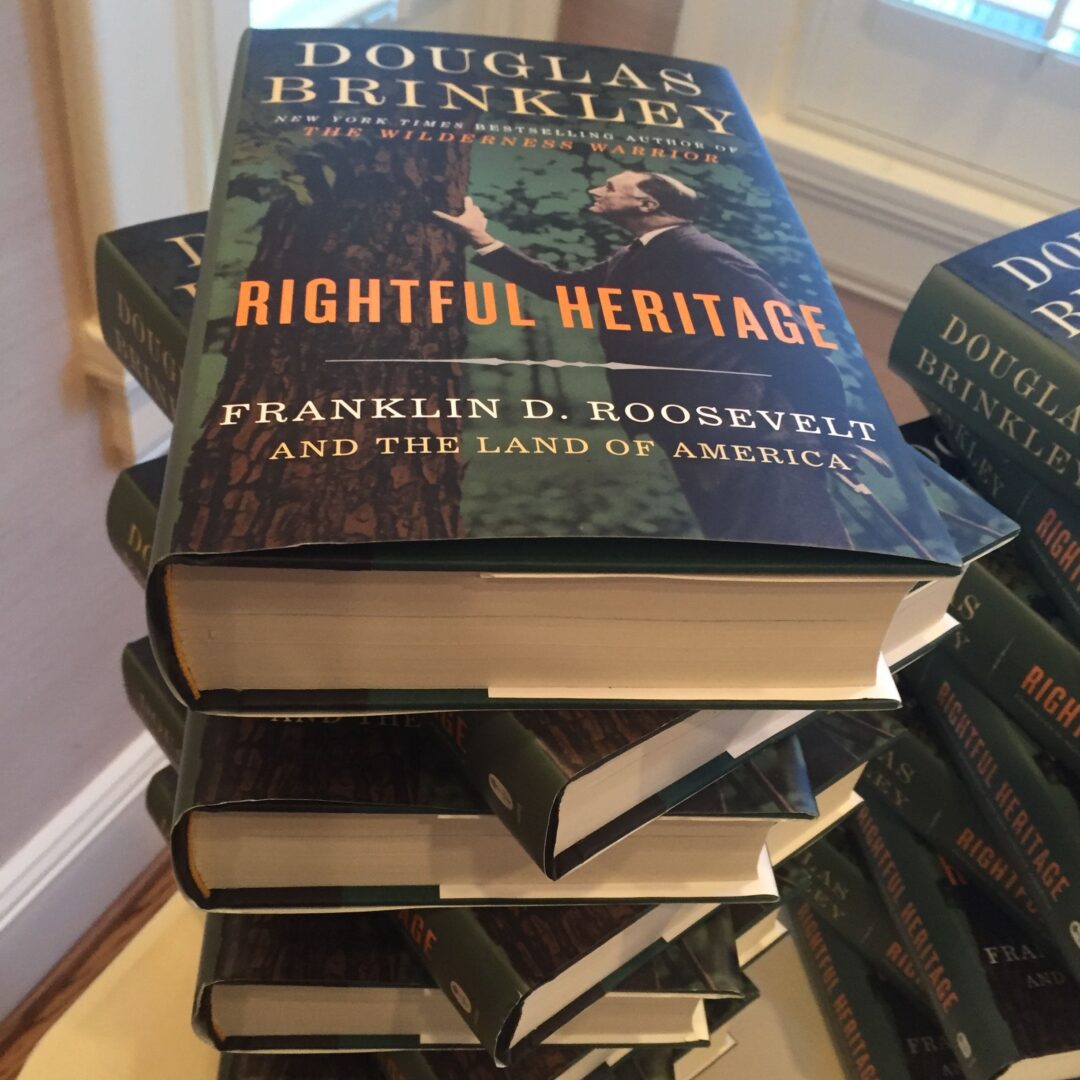
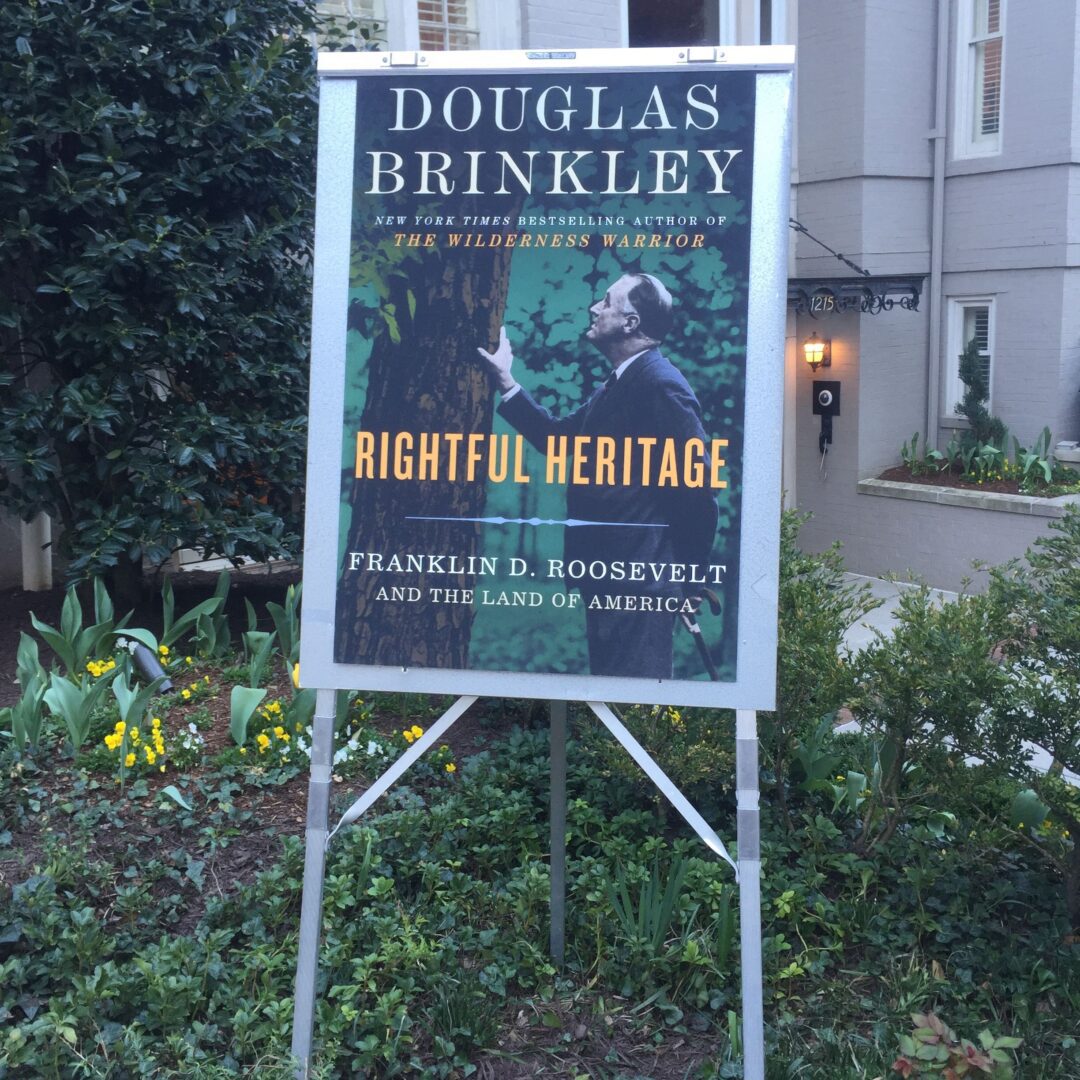
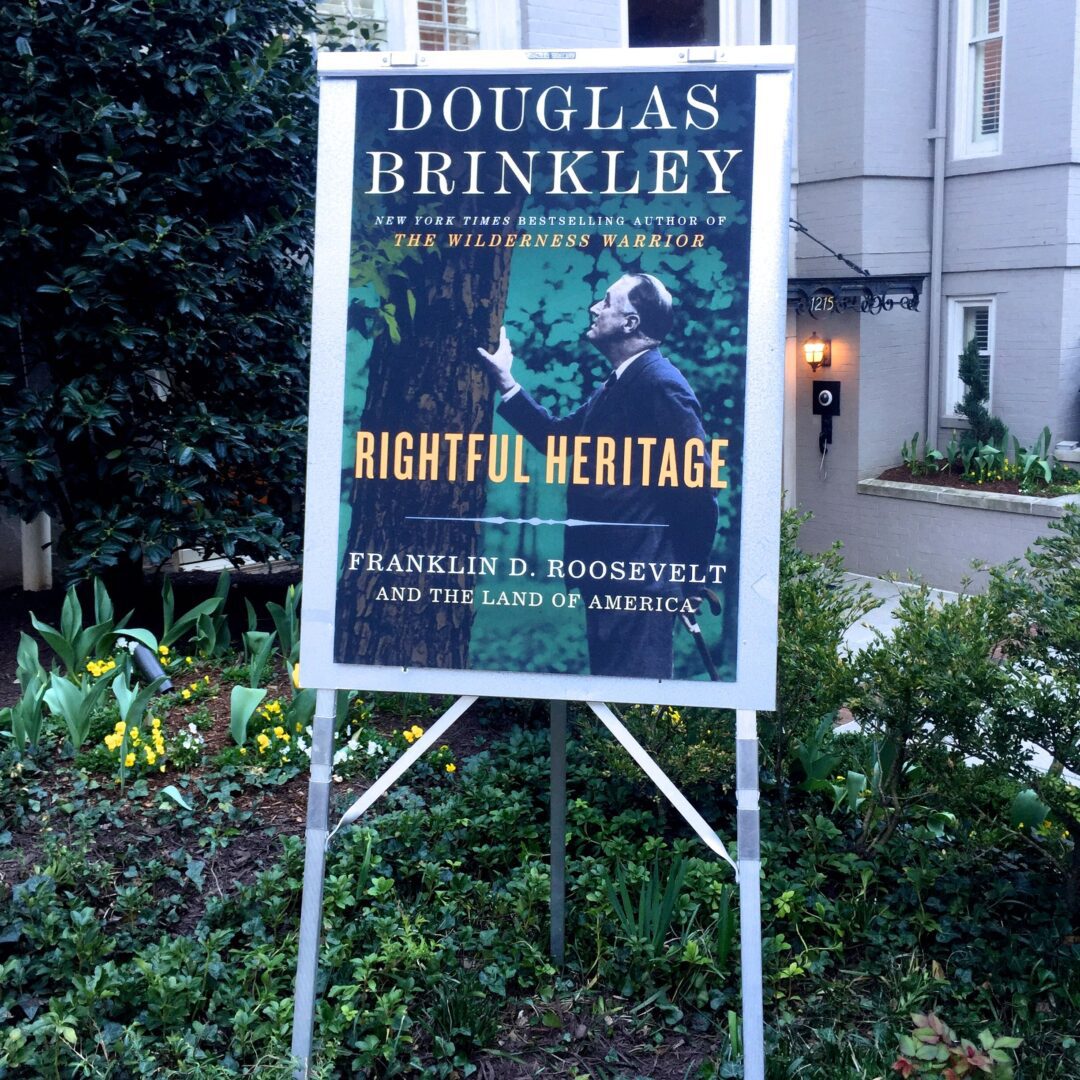
Brinkley’s output of historical books just went up a notch with the publication of “Rightful Heritage: Franklin D. Roosevelt and the Land of America” published by Harper Collins. Friends celebrated at the historical Roosevelt House in Washington, D.C. with a book signing hosted by Ben Barnes, Keith Mestrich, Chuck Muckenfuss, Erica Payne and Kimball Stroud.
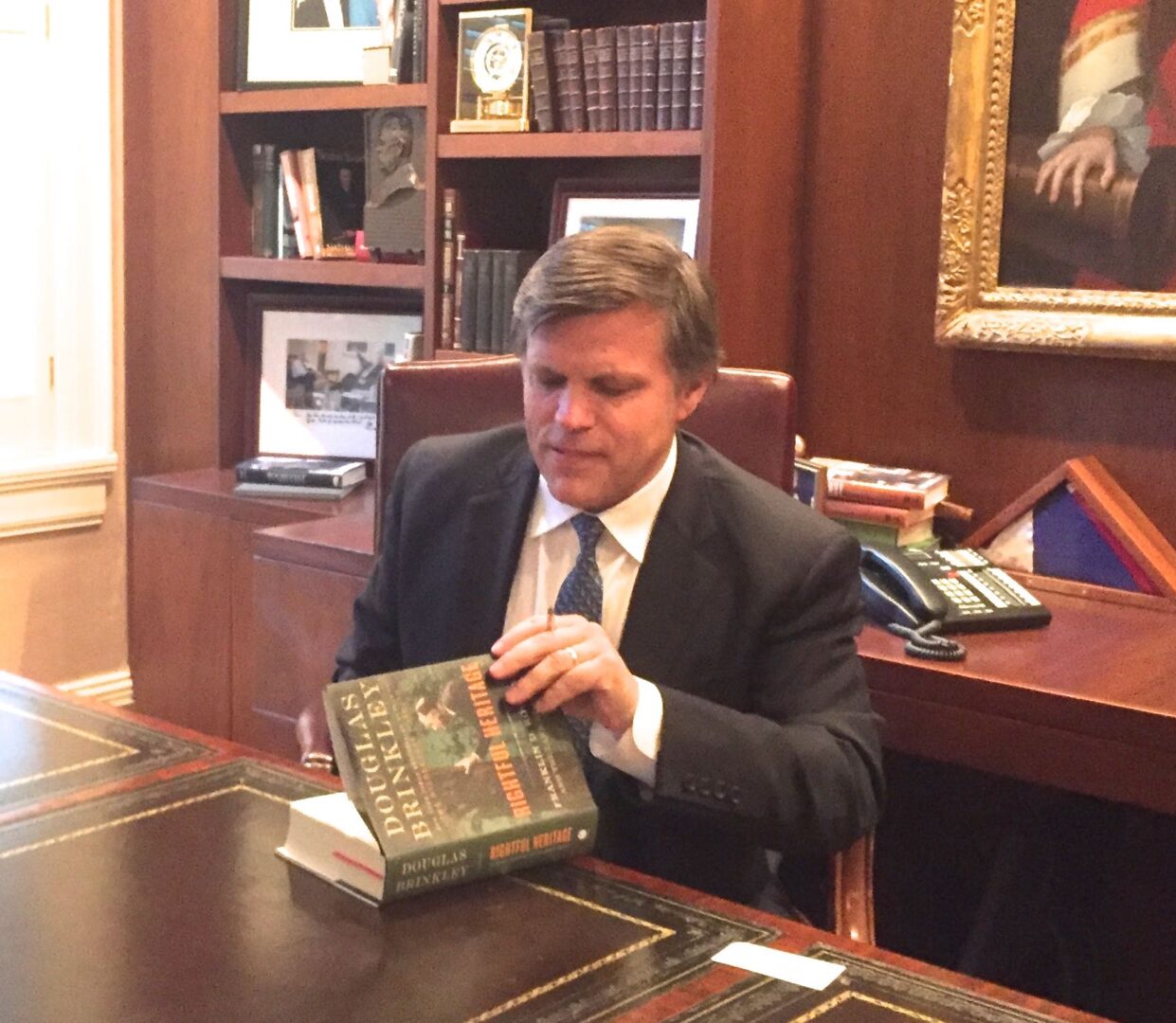
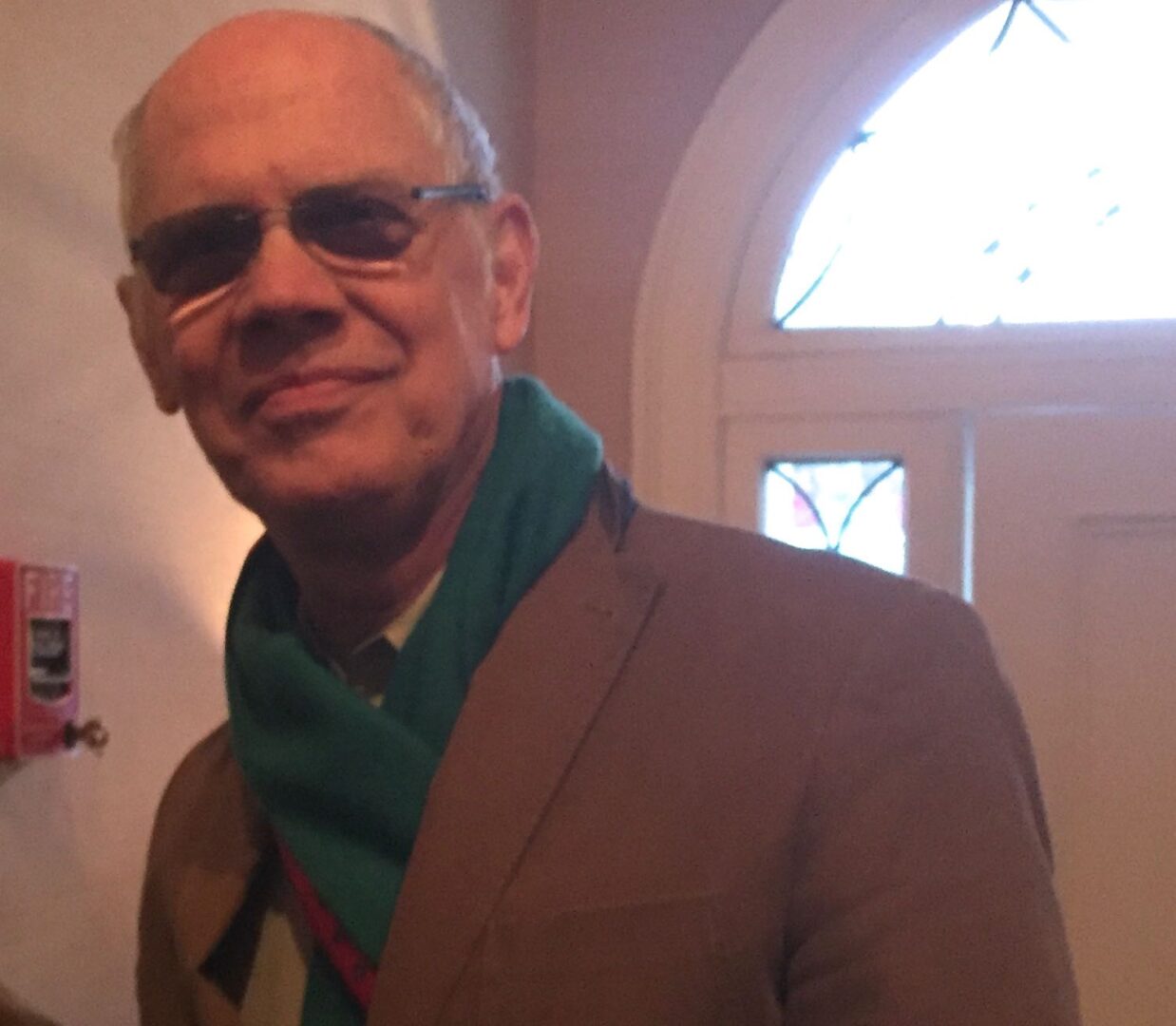
Douglas Brinkley
We always find it interesting how an author chooses his/her subject and in particular one that has been written about so many times before. “Every book is a little bit different. I once did Rosa Parks’ biography and I noticed that nobody had written a biography of Mrs. Parks. I couldn’t believe there were 200 books of Martin Luther King Jr. and not one of her. I approached her and I got to know her a little bit and I was able to write the first serious biography of her. What I’m doing right now with this Franklin Roosevelt book is I’m trying to write the history of American conservation, the history of the environmental movement. I did “The Wilderness Warrior” on Theodore Roosevelt. He was the number one conservation environmental president. The second big one and is as great as TR was Franklin Roosevelt. My book “Rightful Heritage” is looking at the Civilian Conservation Core, the saving of Shenandoah National Park, the Everglades and the Smokies, on and on. Then I’m going to do one on the ’60s with John F. Kennedy and Lyndon and Lady Bird Johnson and that environmental movement so I’m trying to write a series of books that combine my interest in the great American outdoors with my main interest which is the American Presidency.”
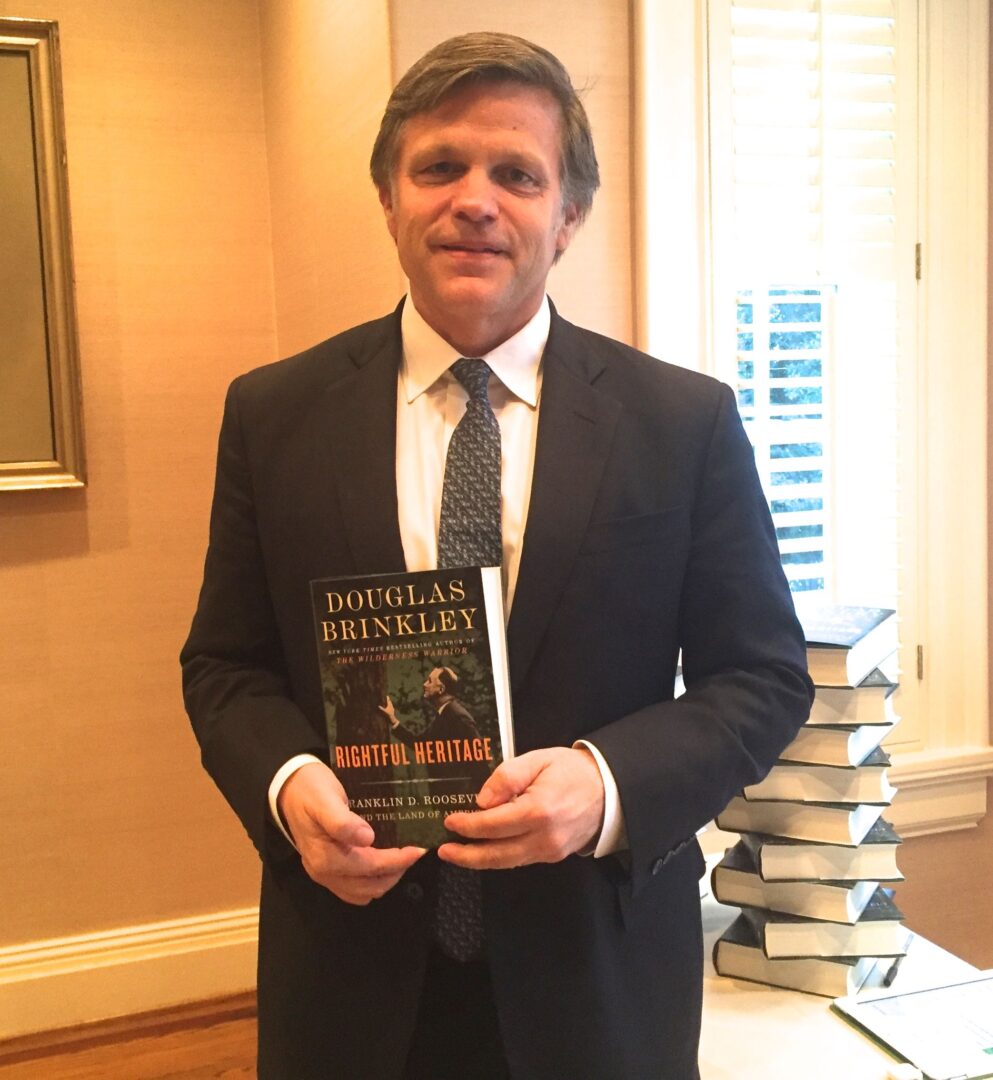
“They also established most of our Nation’s State parks systems,” Brinkley added. “They created places like Big Ben National Park in Texas, the Olympics in Washington State, Jackson Hole in Wyoming, Mammoth Cave in Kentucky – all of these places that FDR thought were heirlooms. Franklin Roosevelt was, his whole career, about forestry and his presidency coincided with the Dust Bowl. Everything was dying and all of our agriculture was dying. The Dust Bowl was the dying of the grasslands and our entire agricultural sector of the Midwest and West. It was the worst environmental disaster in American history. This was beginning throughout his whole presidency or coincided with it. It’s called the Dust Bowl Years. People think about the stock market crashing but the entire American landscape had been denuded from overgrazing, big agriculture, historic droughts. The deforestation caused river flooding. We didn’t do dam systems properly yet so Roosevelt came and just took control over the landscape of America. Some of it was like building the Grand Coulee Dam or the Tennessee Valley Authority, but he also started or created U.S. Fish and Wildlife which today oversees 550 national wildlife refuges.”
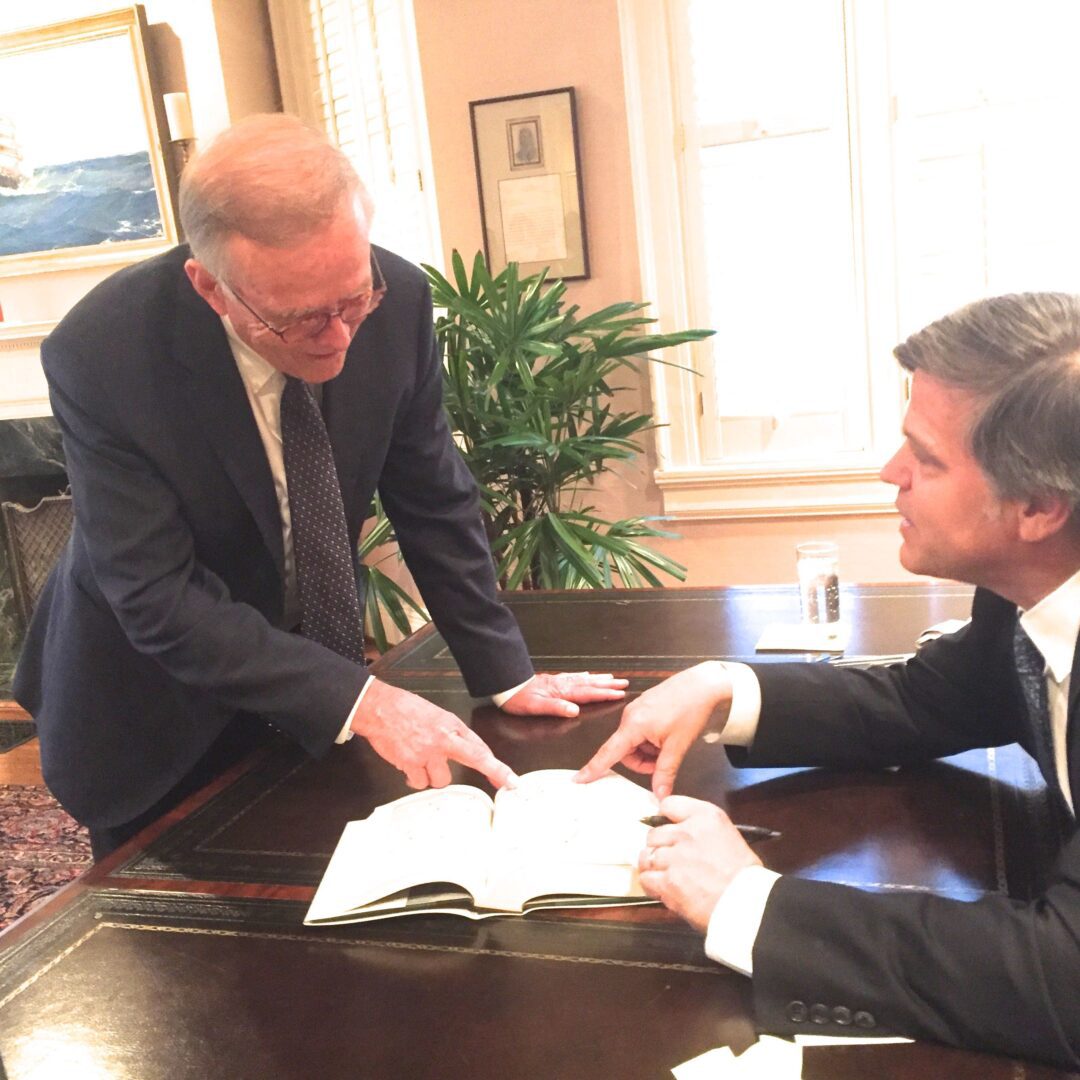
Former Representative from North Dakota Byron Dorgan with Douglas Brinkley
“My book deals with how Roosevelt’s entire life is connected from the Hudson River Valley. He feel in love with where he was born and grew up and his fights were to save the Hudson. He ran first time in politics as a forestry candidate. He was a rural president. When people say you’re from New York they think New York City, but Hyde Park was considered upstate rural. His constituents his whole life were farmers and people that lived in wilderness and in remote parts of America. They all loved FDR. This book really looks at Roosevelt’s domestic policies as Governor and President. Here in Washington DC Franklin Roosevelt, right after he stayed in the Mayflower Hotel, wrote the famous inaugural: ‘We have nothing to fear but fear itself.’ One of the first things he did from Washington was to create this Civilian Conservation Core to plant all these trees. He then took all of our national military cemeteries, all of our parks, and put them all in what is today the National Park Service. The Mall, the whole idea of the Mall and planning care was done by FDR and his uncle Frederick Delano.”
We asked Brinkley if in his research he stumbled across other things besides what he was looking for – anything that maybe he hadn’t heard before or something that particularly interested him. “Oh, I make a great deal out of a number of people like Harold Ickes who was the greatest Secretary of Interior in American history. He’s a big hero in my book. I write a lot about Eleanor Roosevelt in the sense that I’ve been looking at her role as a naturalist in trying to save American landscapes. It’s a vast and fat book on the entire presidency of Franklin Roosevelt, so it has endless stories and new things in it.”